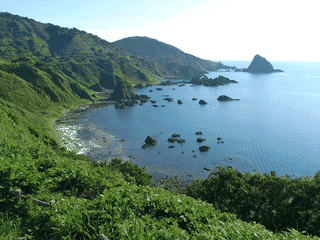

Awashima
Japan38.46°N 139.24°E · 265 m
392 places in the index.
38.46°N 139.24°E · 265 m
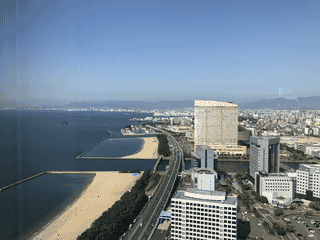
33.58°N 130.40°E · 8 m
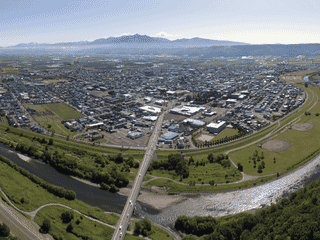
43.35°N 142.38°E
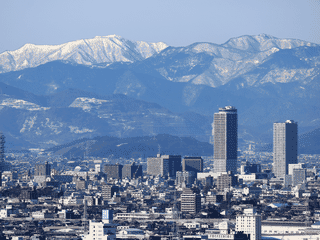
35.42°N 136.77°E
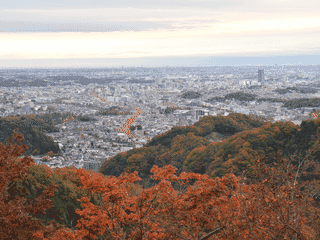
35.67°N 139.32°E
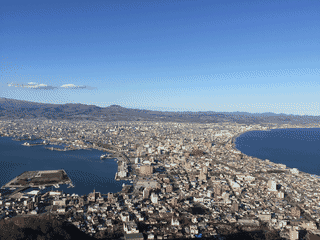
41.77°N 140.73°E
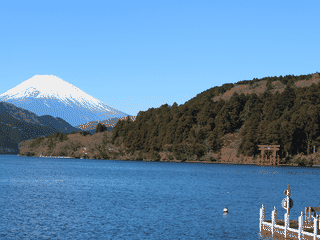
35.18°N 139.03°E · 734 m
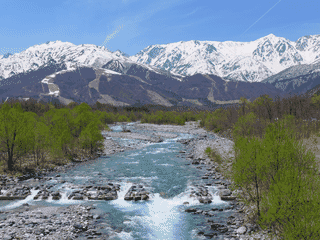
36.70°N 137.87°E
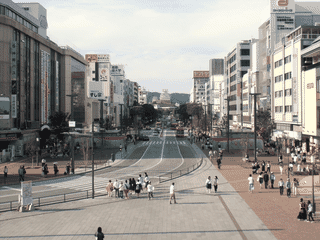
34.82°N 134.68°E
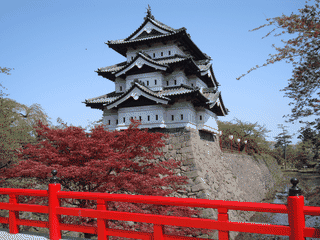
40.60°N 140.47°E
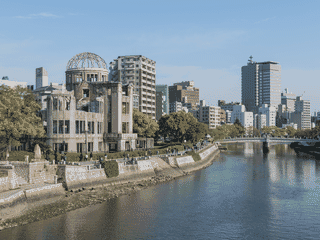
34.39°N 132.46°E
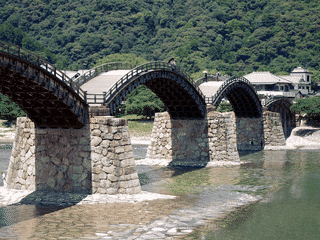
34.15°N 132.18°E
35.32°N 139.55°E
36.57°N 136.65°E
35.93°N 139.48°E
34.69°N 135.20°E
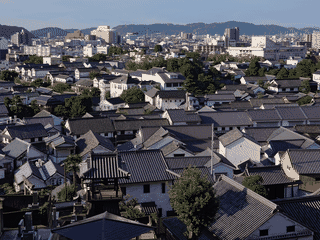
34.58°N 133.77°E
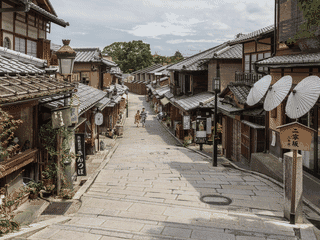
35.01°N 135.77°E
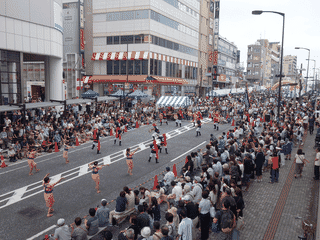
35.55°N 139.45°E
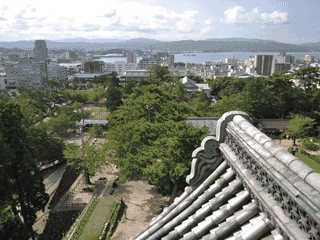
35.47°N 133.05°E
33.83°N 132.77°E
34.06°N 134.15°E
36.37°N 140.47°E
34.28°N 132.31°E
39.68°N 141.15°E
35.38°N 136.28°E
36.63°N 138.18°E
32.78°N 129.87°E · 105 m
26.21°N 127.68°E
34.47°N 134.00°E
37.92°N 139.04°E
36.75°N 139.60°E
34.66°N 133.92°E
38.02°N 138.37°E
33.27°N 130.30°E
33.91°N 133.19°E
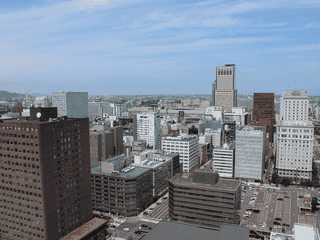
43.06°N 141.35°E · 5 m
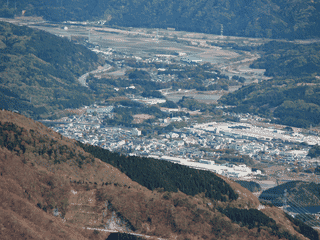
35.37°N 136.47°E
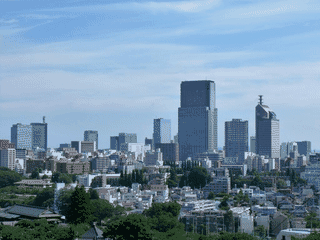
38.27°N 140.87°E · 57 m
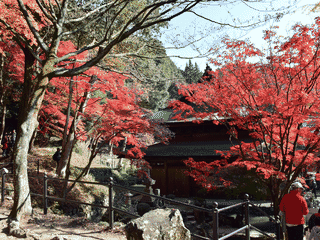
35.22°N 137.08°E
34.98°N 138.38°E · 12 m
34.79°N 133.62°E
34.35°N 134.05°E
36.15°N 137.25°E · 573 m
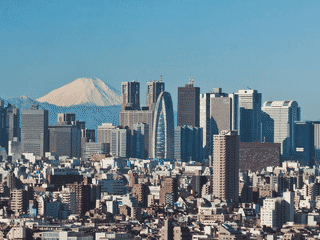
35.69°N 139.69°E · 49 m
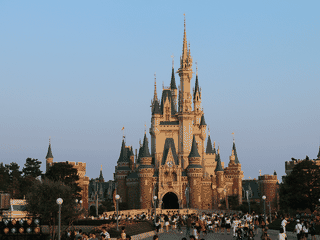
35.63°N 139.88°E
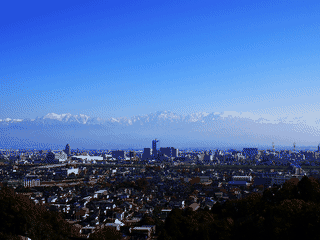
36.70°N 137.22°E
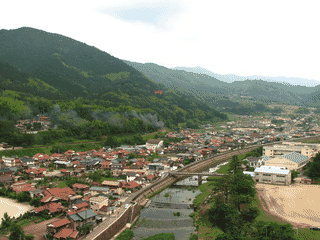
34.47°N 131.77°E
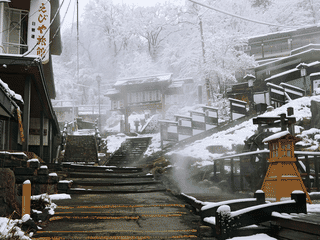
38.25°N 140.33°E
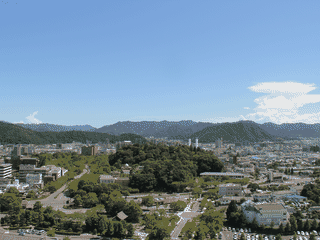
34.18°N 131.47°E
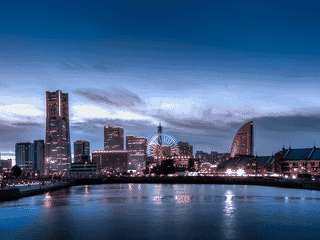
35.44°N 139.64°E · 24 m
Abashiri is the transport hub of northern Hokkaido, best known for the Abashiri Prison Museum and seasonal drift ice that can be toured by icebreaker. The town serves as a gateway to Shiretoko National Park and Akan National Park, though the town itself is a modern fishing port with limited charm.
Atlas entry
Aizuwakamatsu is the main city of the Aizu region in Fukushima Prefecture, known for its rich warrior history spanning 1,000 years. It is famous for the Byakkotai, young samurai who committed suicide in the Boshin Civil War.
Atlas entry
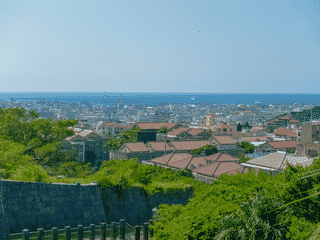
Akajima, also known as Aka, is a small island in the Kerama Islands near Okinawa. It attracts visitors seeking unspoilt beaches, snorkeling, and a laid-back atmosphere away from the crowds of Naha.
Atlas entry
Akan Mashū National Park is a vast wilderness sanctuary in eastern Hokkaido featuring three stunning volcanic caldera lakes. The park offers a rare combination of natural beauty, Ainu cultural heritage, and therapeutic hot springs far from Hokkaido's urban centers.
Atlas entry
Akashi is a working port city in Hyogo prefecture, positioned between Kobe and Himeji along the Sanyo Shinkansen line. It makes an easy half-day or overnight trip from Kobe, offering a more local feel than tourist-heavy destinations.
Atlas entry
Akishima is a small city in western Tokyo prefecture with about 113,000 residents (2020). The city is known for its pure water and lush greenery, offering a quieter alternative to central Tokyo.
Atlas entry
Akita is the largest city in Akita prefecture, serving as the hub for transportation, sports, and shopping in the region. It offers a blend of urban convenience and access to natural attractions, with a rich local culture centered around the Kanto Festival and distinctive cuisine like kiritanpo.
Atlas entry
Akō (赤穂) is a small coastal city in Hyogo Prefecture whose entire tourist identity revolves around the legendary 47 Ronin. The Akō Incident of 1701-1703 has inspired centuries of Japanese art, most famously the Kabuki play Chūshingura, and the town capitalizes on every connection—though the actual revenge attack took place in Edo (modern Tokyo).
Atlas entry
Amakusa is a chain of ten islands off Kumamoto's coast with Japan's most significant Christian heritage. Portuguese Jesuit missionaries arrived in the 16th century, and despite brutal persecution following the 1614 ban on Christianity, the islands retain remarkable churches including Sakitsu Church, a UNESCO World Heritage Site.
Atlas entry
Aomori is the capital of Aomori Prefecture, situated on Mutsu Bay at the northern tip of Honshu. It is famous for its Nebuta Festival, a spectacular summer event with illuminated lantern floats, and for local specialties like apples, scallops, and garlic.
Atlas entry
Arima Onsen is one of Japan's Three Old Hot Springs with recorded history dating back to the Nihon Shoki published in 631. The town offers two unique hot spring experiences: the iron-rich Gold Spring (Kinsen) with its brownish-yellow color, and the colorless but mildly radioactive Silver Spring (Ginsen).
Atlas entry
Arita is internationally recognized as the birthplace of Japanese porcelain, producing the famous Imari ware that was exported worldwide through the nearby port of Imari. The town offers a unique concentration of ceramic museums, historic workshops, and even a European-style porcelain theme park with a replica of Dresden's Zwinger palace.
Atlas entry
Asahikawa offers an urban-and-rural base for the Daisetsuzan range and the scenic Biei-Furano area. Asahiyama Zoo adds a local draw, while the city sees relatively few foreign visitors.
Asakuchi is a small rural city in Okayama Prefecture offering a genuine glimpse of Japanese countryside life without the tourist crowds. The city comprises three distinct settlements: Kamogata, Konko, and the fishing village of Yorishima on the Seto Inland Sea.
Atlas entry
Ashikaga is a small city packed with history, often called Little Kyoto. It's home to Japan's oldest university, the Ashikaga School, and dozens of temples built by the Ashikaga clan.
Atlas entry
Asuka is the birthplace of centralized Japan, where the imperial court formed and ruled from the 6th to 8th centuries. The entire village functions as an open-air archaeological museum with ancient burial mounds, palace ruins, and temple foundations scattered across rice paddies.
Atlas entry
Atami means "hot ocean" and has been drawing visitors to its hot springs since the 8th century, earning a spot among Japan's Three Great Hot Springs (三大温泉 Sandaionsen). Today it serves as a quick escape from Tokyo—just 40 minutes by Shinkansen—where visitors can soak in onsen, hit a sandy beach in summer, or dive one of the few accessible wreck sites on mainland Japan.
Atlas entry
Awaji Island marks the eastern boundary of the Seto Inland Sea, spanning roughly the same size as Singapore. While many visitors merely zip across via the dramatic Akashi Kaikyo Bridge on their way between Honshu and Shikoku, the island rewards those who linger with quiet beaches on the northern coast, natural hot springs, and its famous onions, fish and cheese.
Atlas entry
Awashima is a remote island escape with quiet beaches, bird watching, horse-farm visits, and the distinctive Wappani dish. Limited tourist infrastructure and a strong local community make it a good fit for travelers seeking solitude and local life.
Azumino sits in the Alpine valleys of central Honshu, offering a picturesque escape with easy access from Tokyo via Nagano Shinkansen. The city is renowned for the Daio Wasabi Farm, the largest in Japan, and provides gateway access to ski resorts like Hakuba and Shiga Kogen.
Atlas entry
Beppu is famous for visually striking hot springs known as the Hells of Beppu. Most onsen and the Jigoku cluster in Kannawa, a useful base for a bath-focused stay.
Biei is famed for its "Hills of Patchwork" — undulating fields of potatoes, beans, and flowers painted in stripes of green, yellow, and purple. The town gained fame through iconic advertising campaigns, including the Mild Seven cigarette and Nissan Skyline commercials filmed on its rolling hills.
Atlas entry
Bihoro is a small farming town in eastern Hokkaido that serves as a transit point between Asahikawa and Abashiri along the Sekihoku Line. The town is famous for Bihoro Pass (美幌峠), which offers sweeping views over Lake Kussharo and has been immortalized in a popular Japanese folk song (enka).
Atlas entry
Bizen is a quiet city in Okayama Prefecture known worldwide for Bizen-yaki (備前焼), the oldest and most revered form of pottery in Japan. Unglazed and simple in appearance, the pottery develops complex earthy reddish-brown tones during firing that collectors prize.
Atlas entry
Cape Sata (佐多岬) marks the southernmost point on Kyushu island, offering dramatic coastal scenery and a glimpse into Japan's maritime history. The cape features a lighthouse designed in 1871 by Scotsman Richard Henry Brunton, and the surrounding area showcases subtropical plant life thriving around a local shrine.
Atlas entry
Chiba is the largest city in Chiba prefecture, effectively a large suburb of Tokyo. Despite its cyberpunk literary associations, it's an unremarkable suburban city with high-tech attractions like the Makuhari Messe convention center and the Chiba Urban Monorail.
Atlas entry
Chichibu offers a refreshing escape from Tokyo's intensity, delivering mountain scenery, historic shrines, and one of Japan's most dramatic winter festivals. The city sits within Chichibu-Tama-Kai National Park, making it a natural hub for autumn leaf viewing and outdoor activities.
Atlas entry
Chichibu-Tama-Kai National Park is the least visited of the national parks within easy striking distance of Tokyo, making it an ideal escape from the capital's crowds. The park spans 1250 km² across Saitama, Yamanashi, Nagano, and Tokyo prefectures, featuring eight peaks over 2000m and ancient shrines.
Atlas entry
Chikuma is a small city by Japanese standards, mixing urban areas with forests, orchards, and rice paddies. It's a great place to experience a different aspect of Japan away from the big cities, with historic onsen towns, ancient temples, and local festivals.
Atlas entry
Chikushino is a small city in Fukuoka prefecture offering access to natural attractions including hot springs and mountain trails. It serves as a convenient base for visiting nearby Dazaifu and other cities in the region.
Atlas entry
Chino offers a refreshing mountain escape in Nagano prefecture, with the western downtown area hosting museums and the eastern Tateshina region providing access to the North Yatsugatake Mountains and hidden hot springs. The area attracts Kanto-region visitors seeking summer retreats around Lake Tateshina and Lake Shirakaba.
Atlas entry
Chitose serves as the primary gateway to Hokkaido, home to New Chitose Airport — the island's largest international airport. The city sits at the edge of Shikotsu-Toya National Park, making it a practical base for reaching Lake Shikotsu and Mount Tarumae.
Atlas entry
Chofu is a western suburb of Tokyo where Jindaiji Temple and Jindai Botanical Gardens draw visitors. These twin attractions sit next to each other, making a convenient half-day trip.
Atlas entry
Daisen is famous for Mount Daisen, the tallest peak in Western Japan at 1,729 meters, which rises dramatically above the San’in coast. The area attracts hikers in summer and skiers in winter, with historic temples and shrines dotting the lower slopes.
Atlas entry
Daisetsuzan (大雪山国立公園) is Japan's largest national park at 2,267.64 km², covering volcanic peaks where 15 summits exceed 2,000 m. The Ainu name kamui-mintara means 'playground of the gods' — apt for these dramatic ice-and-fire landscapes.
Atlas entry
Dazaifu is a historic temple town in Fukuoka Prefecture that served as the political heart of northern Kyushu during the Heian period. The city is famous for Dazaifu Tenmangu Shrine, one of Japan's most important shrines dedicated to the scholar Sugawara Michizane, and attracts students praying for academic success.
Atlas entry
Ebino is a small city in Miyazaki Prefecture on Kyushu Island, known primarily for the Ebino Plateau, a volcanic highland with walking trails and scenic views. The city serves as a gateway to Kirishima-Yaku National Park and offers local crafts including Ebino-yaki pottery and bamboo work.
Atlas entry
Echizen is a city in Fukui Prefecture with a long history as a military base and castle town. It is the city of Murasaki Shikibu, author of The Tale of Genji, who stayed here for a year.
Atlas entry
Eiheiji is a small mountain town in Fukui Prefecture renowned for Eiheiji Temple, the head sanctuary of the Soto Zen school, established in 1244 by Zen Master Dogen. The temple has survived 700 years of disasters and wars, maintaining its status as one of Japan's most respected Zen sanctuaries with over 200 monks in training at any time.
Atlas entry
Engaru is a small rural town in eastern Hokkaido formed by merging three communities in 2005. It appeals to travelers seeking quiet natural surroundings, hot spring baths, and seasonal flower displays.
Atlas entry
Enoshima is both a small island and a small seaside town in Kanagawa prefecture, Fujisawa city, south of Tokyo. It's a popular beach destination with a laid-back California surfer vibe on a nice summer day.
Atlas entry
Fuchu is a historic suburban city in western Tokyo Prefecture, known for Ohkunitama Shrine—one of the oldest shrines in Tokyo—and its famous Kurayami Matsuri (darkness festival) featuring six large drums and eight omikoshi portable shrines. The city is also home to Tokyo Racecourse, Japan's largest horse racing facility, hosting prestigious Grade 1 events like the Yasuda Kinen and Japan Cup.
Atlas entry
Fuji city serves as a quieter alternative to crowded tourist zones around Mount Fuji. The surrounding tea fields and rice terraces offer scenic views of the iconic volcano without the crowds.
Atlas entry
Fuji Yoshida is a small city nestled at the foothills of Mount Fuji, serving as a key entry point to the Fuji Five Lakes region. The Shimoyoshida area has a long history of textile manufacturing, specifically producing silks that use the pure water from Mt.
Atlas entry
Fujinomiya is a compact city at the base of Mount Fuji's southwestern slopes, serving as an access point for hikers and nature lovers. The city is famous for its unique style of yakisoba noodles with thick chewy noodles and ground meat called nikukasu.
Atlas entry
Fujisawa is a small coastal town in Kanagawa Prefecture, Japan, often used as a transit point to reach Enoshima island and the historic city of Kamakura. The town itself offers access to several beaches including Kugenuma Beach and Shichirigahama Beach, and hosts an annual August festival featuring the world's largest kingyo sukui (goldfish scooping) game.
Atlas entry
Fukuchiyama is a mid-sized city in northern Kyoto Prefecture that serves as a regional hub with direct train connections to Kyoto and the San'in coast. The main draw is Fukuchiyama Castle, one of the few reconstructed castles in the Kansai region, alongside the Satō Taisei Memorial Art Museum housing works by the local artist.
Atlas entry
Fukue (福江, Fukuejima) is the largest and most populated island in the Gotō archipelago, serving as the main gateway to the islands. The island offers a unique mix of feudal history, religious heritage, and natural beauty, with the Osezaki lighthouse being its most iconic landmark, featured in the film Akunin.
Atlas entry
Fukui is a quiet regional capital with castle ruins, traditional gardens, uncrowded museums, and the Ichijodani Asakura historic site. Its signature local dish is sauce katsudon, a breaded pork cutlet finished with a sweet Worcester-style sauce.
Fukuoka is an approachable historic port city with strong Chinese and Korean connections, lively yatai food culture, and easy transit. Tonkotsu ramen, shrines, parks, and nearby day trips make it a flexible Kyushu base.
Fukushima is a mid-sized Japanese regional capital known for fruit production (peaches, pears, apples, persimmons) and proximity to mountain hot springs. Unlike crowded tourist hubs, it offers a more relaxed atmosphere with authentic local culture, scenic parks like Hanamiyama for cherry blossom viewing, and easy access to hiking trails on Mount Shinobu.
Atlas entry
Fukuyama makes a convenient stop between Hiroshima and Okayama on the Sanyo Shinkansen line. The city is best known for its reconstructed castle standing just outside the station, and for Tomonoura, an ancient port town with over a thousand years of history.
Atlas entry
Funabashi is a mid-sized city in Chiba prefecture positioned halfway between Tokyo and central Chiba. It's best known for horse racing (two racecourses) and big-box shopping including Japan's first IKEA.
Atlas entry
Furano is known for powder skiing in winter and lavender fields in summer. Its seasonal identity shifts from deep snow sports to warm-weather flower viewing.
Gero Onsen ranks among Japan's top hot springs year after year, having first appeared in print during the Engi Era (901-923). The valley scenery is picturesque, particularly in autumn when fall colors blanket the mountains.
Atlas entry
Gifu pairs samurai-era history with Mount Kinka, the Nagara River, traditional crafts, and an intimate city scale. Its long-running cormorant-fishing tradition and nearby hot springs make it a strong base for regional excursions.
Gotemba is a practical gateway city for climbing Mount Fuji from its southern Gotemba Trail, offering an alternative to the more crowded Yoshida Trail. The city also attracts shoppers to the Gotemba Premium Outlets, one of Japan's largest outlet malls, where visitors can find brand names from Armani to Adidas.
Atlas entry
Gotō Islands (五島) means "Five Islands" in Japanese. The archipelago was a crucible of hidden Christianity—believers worshiped in secret for two centuries during the ban, and after it lifted in the 18th century, they built striking stone churches that remain the islands' signature attractions.
Atlas entry
Gotsu is a small coastal city in Shimane prefecture that served as a prosperous port town in past centuries. Today it serves as a convenient express stop on the Sanin Railway, offering visitors a glimpse of preserved historic architecture and traditional Japanese gardens.
Atlas entry
Gujo Hachiman is one of Japan's many cities claiming to be the "Center of Japan" - but what sets it apart is its authentic castle town atmosphere and the famous Gujo Odori, one of the country's top three Obon dances. The city produces over 70% of Japan's plastic food samples, and visitors can make their own at several workshops.
Atlas entry
Hachimantai is a large volcanic plateau straddling Iwate and Akita prefectures, all mountainous and thinly populated. The area draws visitors for skiing in winter and hiking in summer in Towada-Hachimantai National Park, with numerous onsen hot springs—many accepting day guests.
Atlas entry
Hachinohe is a mid-sized port city in Aomori Prefecture, serving as a convenient stop on the Tohoku Shinkansen line and an departure point for ferries bound for Tomakomai on Hokkaido. The city offers a rare blend of Jomon-era archaeological treasures, centuries-old festivals like the 800-year-old Enburi dance and Japan's largest float festival Sansha Taisai, and access to scenic coastal landscapes at Tanesashi Coast.
Atlas entry
Hachioji pairs a university-city atmosphere with Mount Takao's accessible trails, Fuji views, and a substantial local ramen culture. Its stations, vintage shops, and nearby mountain escapes offer a practical alternative to central Tokyo crowds.
Hagi is one of Japan's most beautiful castle towns, with many old streets and residences that have survived untouched in this town of 50,000 people (2016). It was the political center of the Choshu Domain for over 250 years and birthplace of many Meiji statesmen.
Atlas entry
Hakodate combines port history, European-influenced buildings, seafood, and a mountain night view with easy streetcar-based sightseeing. Fort Goryokaku, red-brick warehouses, hot springs, and seasonal festivals give the city strong appeal across the year.
Hakone is a mountainous getaway west of Tokyo, known for volcanic hot springs, Mount Fuji views, and a historic Tokaido checkpoint. Its location makes it a popular escape from the capital.
Hakuba is an internationally oriented ski resort area that gained global fame as a venue for the 1998 Winter Olympics. Its valley now welcomes travelers drawn to winter sports and mountain scenery.
Hamada sits on the Japan Sea coast of Shimane Prefecture, a small city where Iwami Kagura theater, coastal geology, and surfing draw a handful of travelers who skip the bigger destinations. The 15-minute walk from Hamada Station lands you at a harbor park where weekend Kagura shows run free: masked actors defeat dragons to drums and bamboo flute.
Atlas entry
Hamamatsu is Shizuoka's largest city and a major industrial hub, home to Honda, Yamaha, Suzuki, and others. It is surprisingly international, with large Brazilian, Peruvian, and other immigrant communities, giving it a unique multicultural flavor.
Atlas entry
Hanamaki is a mid-sized city in Iwate prefecture that serves as a cultural center connected to the celebrated author Kenji Miyazawa. The city offers hot spring (onsen) experiences, literary museums, and a more relaxed pace compared to major tourist hubs.
Atlas entry
Hateruma is Japan's southernmost populated island, a remote gem in the Yaeyama archipelago where turquoise waters meet coral reefs and the night sky glows with Southern Cross visibility from December to June. The island offers a counterpoint to Ishigaki's tourist infrastructure: no convenience stores, no traffic lights, and a tight-knit community of about 570 residents who produce the famous Awanami awamori.
Atlas entry
Hida Furukawa is a small traditional town in northern Gifu Prefecture, often compared to a miniature version of nearby Takayama. The town preserves a historic district with wooden merchant houses and narrow canals, offering an authentic glimpse of old Japan without the crowds of larger destinations.
Atlas entry
Higashihiroshima is famous for its sake breweries concentrated in Saijo district, one of Japan's celebrated sake-producing towns. The draw is Sakagura-dori (西条酒蔵通り), a street lined with seven closely-spaced breweries offering tastings that are rarely found outside their premises.
Atlas entry
Higashikagawa (東かがわ) is the easternmost city in Kagawa prefecture, historically famous for glove manufacturing dating back 130 years. The city preserves a historic district in Hiketa with traditional buildings, including Kamebishiya with its striking vermillion walls, and offers hands-on experiences making wasanbon sugar, traditional sweets, and decorating gloves.
Atlas entry
Hikone pairs an original castle with samurai-era streets, traditional gardens, and access to Lake Biwa. Its compact center and slower pace suit a one- or two-night historic stop.
Himeji is anchored by a grand wooden castle and the thousand-year-old temple complex on Mount Shoshazan. The station-to-castle walk, garden visits, museums, and regional rail links make it an efficient culture-focused stop.
Hiraizumi is a small historic town in Iwate prefecture where the Fujiwara clan built a magnificent capital that rivaled Kyoto during the Heian period (866-1184). Today, six of its temple complexes and gardens make up the UNESCO World Heritage Site 'Hiraizumi - Temples, Gardens, and Archaeological Sites Representing Pure Land Buddhism.' The town is also famous for Matsuo Basho's haiku about the ruins: 'Summer grass — all that remains of warrior dreams.' For travelers in Tohoku, Hiraizumi offers a quieter alternative to Kyoto's crowds, with the elaborately decorated Konjikido Golden Hall being the standout sight.
Atlas entry
Hirakata is a commuter city of roughly 400,000 residents with few traditional tourist attractions. Its main value lies in its strategic location halfway between Osaka and Kyoto on the Keihan Main Line, making it a convenient transit base.
Atlas entry
Hirosaki layers castle history, Neputa traditions, temple districts, and an apple-growing identity in northern Tohoku. Visit for seasonal festivals, blossoms, snow lanterns, and an easygoing cultural atmosphere.
Hiroshima is a modern cosmopolitan city with wide boulevards and criss-crossing rivers. Okonomiyaki, oysters, nightlife, and moving memorials make a visit both lively and reflective.
Hita is a small historic city in western Oita prefecture that offers a more relaxed and accessible alternative to the prefectural capital. The city is famous for its annual Gion Festival featuring six massive floats, traditional Onta pottery produced in a mountain village since the 16th century, and hot spring resorts along the Mikuma River.
Atlas entry
Hitoyoshi is the southernmost city of Kumamoto prefecture, famed for its river fog that rolls in from late autumn through early spring, creating atmospheric scenery along the Kuma River. The city is renowned for kuma shochu, a local distilled spirit, and ayu or sweetfish, a seasonal delicacy grilled at riverside stalls.
Atlas entry
Hofu serves as a quiet historic stop in Yamaguchi Prefecture, once serving as the provincial capital (kokufu) of Suō Province. The city preserves its samurai-era heritage through the Mōri Clan residence, now a museum holding four of Japan's National Treasures, and the historic Hōfu Tenman-gū shrine.
Atlas entry
Hokuto is a sprawling rural municipality in central Yamanashi prefecture, formed by merging multiple small towns and villages into Japan's third-largest city by area. Visitors come for its extraordinary concentration of art museums relative to population size, the legendary Jindai-zakura cherry tree claimed as Japan's oldest, and Hakushu Distillery producing Suntory's award-winning whiskies.
Atlas entry
Hyuga is a small but prominent port city in northern Miyazaki prefecture with a population of just over 60,000. Historically one of the most major ports in Kyushu, acting as the gateway to the island, the city has shrunk with the introduction of trains but now thrives on its natural beauty, white sand beaches, and surfing.
Atlas entry
Ibara is a small city in Okayama Prefecture offering travelers a peaceful alternative to Japan's crowded tourist destinations. The city is notably home to Bisei Town, Japan's first municipality to enact a Light Pollution Prevention Ordinance in 1989, making it an exceptional destination for stargazing and astronomy enthusiasts.
Atlas entry
Ibaraki is a suburban city in Osaka Prefecture and part of the Kyoto-Osaka-Kobe metropolitan area. The name literally means 'Wild Trees' or 'Thorny trees,' and legends say the area was developed by cutting down wild trees.
Atlas entry
Ibusuki styles itself as the "Hawaii of Japan" with a peaceful, flowery atmosphere at the southeastern tip of the Satsuma Peninsula. The town's biggest claim to fame is its unique sand bath (sunamushi) experience, where you can be buried in steaming hot sand on the beach — a luxury spa treatment found almost nowhere else in the world.
Atlas entry
Ichikikushikino is a small coastal city of 25,579 people in Kagoshima prefecture, renowned nationwide as the 'Town of Tuna' with Japan's largest fleet of deep-sea tuna vessels. For travelers, this translates into an opportunity to eat exceptionally fresh, high-quality tuna at local restaurants at reasonable prices.
Atlas entry
Ichinomiya (一宮市) is a city of 380,000 people in Aichi prefecture, Japan. After a 2005 merger with Bisai and Kisogawa, it became the prefecture's 4th largest city.
Atlas entry
Ichinoseki is a compact city in Iwate Prefecture that serves as the main gateway to the stunning Geibi-kei and Genbikei gorges, plus the UNESCO-listed town of Hiraizumi. The downtown area around the station is walkable and contains most entertainment options, making it practical for overnight stays.
Atlas entry
Iga (伊賀), also called Iga-Ueno (伊賀上野), is a compact city in Mie prefecture famous as the birthplace of legendary ninja Hanzō Hattori and haiku poet Matsuo Bashō. The town centers on Ueno Park (上野公園), where you can explore ninja museums, a reconstructed castle, and follow in Bashō's literary footsteps.
Atlas entry
Ikeda is a small city in north Osaka Prefecture offering a quieter alternative to central Osaka attractions. The city is known for Satsukiyama's greenery, the Ina River's clean water, and cultural institutions like the Itsuo Art Museum and Cupnoodles Museum.
Atlas entry
Imabari sits at the southern end of the Shimanami Kaido, a 70-kilometer bikeway crossing seven islands to Onomichi on Honshu. The city is also temple 54-59 on the Shikoku 88 Temple Pilgrimage, drawing walkers and bus pilgrims who need rest stops.
Atlas entry
Imari draws visitors for its world-famous porcelain heritage—Imari and Nabeshima ceramics have been produced in this corner of Saga since the early 17th century. The city blends a quiet old-town atmosphere with kiln galleries, a handful of museums, and one of Japan's most dramatic shrine festivals.
Atlas entry
Inawashiro sits on Japan's fourth-largest lake, a volcanic crater formed by Mount Bandai's collapse. The town offers a rare combination: summer beach resorts and winter skiing in the same location, plus natural hot spring onsen villages in the surrounding hills.
Atlas entry
Inujima is a 133-acre island with fewer than 100 full-time residents, yet it hosts world-class contemporary art inside an abandoned copper refinery and five renovated houses. The island was named after a 3.6-m-high rock shaped like a dog, and a legend credits poet Sugawara no Michizane with being saved by a dog's call that led him here.
Atlas entry
Inuyama is a compact historic town in Aichi Prefecture, best known for Inuyama Castle—one of Japan's oldest surviving castles, originally built in 1537 and transferred to city ownership in 2004. The town sits along the Kiso River and makes a convenient day trip from Nagoya, though it rewards an overnight stay with quieter streets and access to summer cormorant fishing performances.
Atlas entry
Iriomote is Japan's last great wilderness island, with 90% of its 153 km² covered in dense jungle and mangrove swamps. Home to the endangered Iriomote wildcat found nowhere else on Earth, the island was inscribed as a UNESCO World Heritage Site in 2021 alongside Tokunoshima, Amami Oshima, and northern Okinawa.
Atlas entry
Ise Shrine (伊勢神宮) is arguably the holiest and most important Shinto site in all of Japan, reputedly home to the Emperor's Sacred Mirror. The shrine is famously dismantled and rebuilt to exacting specifications every 20 years at exorbitant expense—a tradition dating back to 690 AD.
Atlas entry
Ishigaki is the Yaeyama Islands' accessible hub for clear-water beaches, diving, snorkeling, and island-hopping. It balances a lively central town with easy access to quieter beaches and nearby Ryukyu villages.
Ishinomaki is a port city of around 165,000 people in Miyagi Prefecture, known for its fishing industry and manga heritage. It was one of the towns hardest hit by the 2011 Tohoku earthquake, with the tsunami reaching 5 km inland and killing some 3,400 people.
Atlas entry
Itayanagi is a small farming town on the Tsugaru peninsula in Aomori prefecture, famous for its apple production — the town's official symbol. The main draw is the Furusato Center near the station, which combines a small apple museum, greenhouse, park with pond, restaurant, onsen, and rentable cottages.
Atlas entry
Itoigawa sits at the northern terminus of the Itoigawa-Shizuoka Tectonic Line, a fault line that geologically separates Northeastern and Southwestern Japan. The city is home to the Itoigawa Geopark, part of the UNESCO Global Geoparks Network, making it a destination for geology enthusiasts.
Atlas entry
Iwaki is Fukushima's industrial and tourism hub, nicknamed "Sunshine Iwaki" for its exceptionally high sunshine hours compared to other Japanese cities. The city draws 7.64 million tourists annually to its Pacific coastline, fossil museums, and the massive Spa Resort Hawaiians water park.
Atlas entry
Iwakuni is a compact castle town centered on the Kintai-kyo bridge, Nishiki River, and feudal heritage. Its unusual local character pairs cormorant-fishing spectacles with square-molded sushi and famously varied ice cream.
Shuzenji is the spiritual heart of Izu, built around Shuzen-ji Temple founded in 807 CE. The town celebrated its 1,200th anniversary in 2007 and remains a pleasant hot spring destination with riverside hotels, public foot baths, and a compact old-town area perfect for walking.
Atlas entry
Izu Ōshima is the largest of Japan's seven Izu Islands, dominated by active Mt. Mihara volcano that last erupted in 1986.
Atlas entry
Izumo is Japan's ancient spiritual capital, home to Izumo Taisha—one of the oldest and most revered shrines in the country. According to Shinto mythology, all the gods gather here every October in a week-long assembly called Kamiai.
Atlas entry
Izunokuni is a quiet city in Shizuoka Prefecture formed by merging three towns: Nirayama, Izu-Nagaoka, and Ohito. The city is celebrated for its hot spring resorts, historical sites including the Nirayama Reverberatory Furnace, and clear views of Mt.
Atlas entry
Kaga is the southernmost city of Ishikawa prefecture, offering a quieter alternative to bustling Kanazawa. The city is renowned for its historic onsen (hot spring) towns including Yamashiro Onsen, Katayamazu Onsen, and Daishoji Onsen, each with their own character.
Atlas entry
Kagoshima pairs an active volcanic backdrop with samurai history, museums, hot-spring possibilities, and ferry access to nearby islands. Streetcars, a central rail station, and local shochu culture make it a practical base for southern Kyushu.
Kainan is a small city in Wakayama Prefecture renowned for its centuries-old lacquerware tradition, with the Kuroe shikki-cho district preserving traditional production methods. The city also holds exceptional cultural value as home to multiple National Treasure buildings, primarily centered around Chohoji temple.
Atlas entry
Kakegawa is a mid-sized city in Shizuoka Prefecture best known for its reconstructed castle keep and the Kakegawa Flower and Bird Park, a 7,000-m² indoor habitat where owls, parakeets, and toucans fly freely. The city offers a quieter alternative to Shizuoka or Hamamatsu, with hot springs, historic castle ruins, and tea culture in a manageable small-city format.
Atlas entry
Kamaishi is an ex-steeltown on Iwate's Pacific coast, best known as home to the Hashino Iron Mine, registered as a UNESCO World Heritage site in 2015 as part of "Meiji Japan's Industrial Revolution Heritage Sites." The city combines industrial heritage with maritime traditions—ultra-fresh seafood from local fishing boats, the rhythmic Toramae (Tiger Dance) performed by community groups during festivals, and two beaches popular with local surfers. It's a quiet counterpoint to larger Tohoku destinations, ideal for travelers interested in Japan's industrial history and coastal culture.
Atlas entry
Kamakura is a compact seaside city whose Zen temples, shrines, and Great Buddha preserve the imprint of Japan's medieval political capital. Its coastal setting adds beaches and a lively summer atmosphere to the temple circuit.
Kami is a small city in Kochi Prefecture offering access to one of Japan's top three caves, Ryugado Cave, along with seasonal cherry blossom viewing at Kagamino Park, one of the prefecture's most popular hanami spots. The city also features museums related to local artist Yoshii Isamu and the children's character Anpanman, whose creator hails from Kochi.
Atlas entry
Kamikawa is a small Hokkaido town enjoying a recovery after heavy industries shuttered in the 1970s, thanks to visitors heading to neighbouring Daisetsuzan National Park. While not a major destination itself, it serves as a useful transit point and pleasant place to break up a journey, stock up on food or gas before heading to Sounkyo Onsen or destinations further east.
Atlas entry
Kamishihoro is a quiet agricultural town in Tokachi, Hokkaido, known for the photogenic Taushubetsu River Bridge—a defunct railway arch that emerges from Lake Nukabira's waters in autumn and stands fully visible against winter snow. The northern area sits at the edge of Daisetsuzan National Park, offering hot springs, mountain drives, and nearly abandoned villages slowly reclaimed by nature.
Atlas entry
Kanazawa compresses samurai districts, geisha quarters, gardens, craft traditions, and seafood into a walkable historic core. Expect a polished cultural stay with easy day trips toward Toyama, Fukui, Takayama, and the Noto Peninsula.
Kanoya is a mid-sized city of 104,000 people in central Kagoshima prefecture on the Osumi peninsula. Known as the "Town of Roses," it offers rose gardens, seasonal festivals, and access to natural attractions like Lake Osumi.
Atlas entry
Kanzaki is a small city in Saga Prefecture, Japan, offering access to significant archaeological sites and traditional Japanese religious landmarks. The city serves as a convenient stop for visitors exploring northern Kyushu, particularly those interested in Japan's ancient history and prehistoric culture.
Atlas entry
Karatsu blends port history, prized ceramics, pine-lined coastline, and a dramatic autumn float festival. It is also a gateway to Yobuko's squid cuisine, nearby pottery towns, and island ferries without the pace of a major city.
Karuizawa is a famous mountain resort at about 1000m above sea level in eastern Nagano Prefecture. The town is known for being about 5°C cooler than Tokyo in summer, making it a popular retreat from city heat.
Atlas entry
Kasaoka is a small city in Okayama Prefecture roughly 40 minutes from Okayama City by train. The main draw is its accessible islands—particularly Shiraishi Island—reachable by ferry from Kasaoka Port.
Atlas entry
Kashihara was the site of Fujiwarakyo, Japan's first Chinese-style imperial capital built in 694 AD, predating Nara's Heijōkyō. The city preserves ancient palace ruins, the important Kashihara Shrine (where Emperor Jimmu is said to have ascended the throne), and the hill Unebi Yama offering panoramic views.
Atlas entry
Kashima is a small city in Saga Prefecture best known for housing Yutoku Inari Shrine, one of Japan's three most important Inari shrines. The city offers a glimpse into historic Japan through the Hizenhama Preservation District, where old sake breweries and traditional merchant houses line the streets.
Atlas entry
Kashiwa is a mid-sized city in Chiba Prefecture often called "Little Shibuya" for its bustling shopping district around Kashiwa Station. It's primarily a bedroom community for Tokyo workers, but draws visitors for J-League football matches at Kashiwa Reysol and its relaxed, authentic suburban Japanese atmosphere.
Atlas entry
Katori is a fragmented city in Chiba Prefecture formed by merging Sawara with three smaller towns in 2006. Its real draw is Sawara's beautifully preserved Edo-period merchant street along the Onogawa River, often used as a film set for period dramas.
Atlas entry
Katsuura is a coastal city in Chiba Prefecture offering a small-town atmosphere away from Tokyo's crowds. It's best known locally for its spicy tantanmen ramen that won first place at the 2015 B-1 Grand Prix food festival, and for its morning market selling freshly-caught fish and regional seafood specialties.
Atlas entry
Katsuyama is a small rural city in Fukui Prefecture that punches above its weight with one of the world's largest dinosaur museums, excellent ski resorts, and historic temple sites. The city serves as a gateway to Hakusan National Park and offers a quieter, more authentic experience than major tourist destinations.
Atlas entry
Kawagoe preserves a historic warehouse district and traditional wooden merchant houses, offering a taste of old Japan near Tokyo. Its October festival adds elaborate floats to an easy heritage-focused day trip.
Kawaguchi is the first city in Saitama prefecture when traveling north from Tokyo on the JR Keihin-Tohoku line. It offers a unique combination of easy Tokyo access (21 minutes to Shinjuku, 23 minutes to Tokyo Station) with significantly lower living costs than the capital.
Atlas entry
Kawasaki is Japan's ninth most populated city with over 1.5 million residents (2020), yet it remains largely ignored by tourists speeding between Tokyo and Yokohama. The city rewards those who stop with a Buddhist temple ranking among Japan's top three most visited during New Year, a Shinto fertility shrine hosting the famous Iron Penis Festival, and an underrated open-air museum showcasing traditional Japanese architecture.
Atlas entry
Kawazu is a small town at the mouth of the Kawazu River where it meets the Pacific coast near Shimoda. The real draw is Nanadaru Onsen, a hot spring village tucked up the valley, and the famous "seven waterfalls" (七滝 Nanadaru) that give the area its identity.
Atlas entry
Kesennuma is a fishing city in Miyagi prefecture, Japan, known for its shark fishery and as home to the country's only shark museum. The city offers a quieter coastal experience compared to major tourist destinations, with the unique opportunity to try shark fin burgers and other local seafood delicacies at the Shark Museum complex.
Atlas entry
Kichijoji is a western suburb of Tokyo in Musashino, extending into Mitaka, that once enjoyed a reputation as an artists' colony. Today it is filled with stores ranging from little boutiques to big department stores, live music venues, and Inokashira Park with its lake and walking paths.
Atlas entry
Kikugawa is a small city in Shizuoka prefecture primarily known for its green tea production. While not a major tourist destination in itself, it serves as a quiet transit point on the Tokaido corridor between Tokyo and western Japan.
Atlas entry
Kinkasan (Golden Flower Mountain) is one of the three holiest places in the Tohoku region, alongside Dewa Sanzan and Osorezan. The island's spiritual significance attracts visitors seeking good fortune, centered on the impressive Shinto shrine devoted to Ebisu and Daikoku, gods of wealth.
Atlas entry
Kinosaki is one of Japan's earliest onsen towns, with hot springs dating back to the 8th century. Legend says storks were seen healing their wounds in the waters, establishing the town's reputation for therapeutic bathing.
Atlas entry
Kirishima-Yaku National Park straddles Kagoshima and Miyazaki prefectures in southern Kyushu, offering a dramatic landscape of volcanic peaks, steaming hot springs, and sacred Shinto shrines wrapped in near-constant mist. The park is one of Japan's oldest national parks, established in 1924, and remains famous for its geothermal activity—visible steam pillars and sulfurous scents are common throughout the area.
Atlas entry
Kiryu is a historic textile manufacturing center in Gunma Prefecture, about 90 km northwest of Tokyo. The city escaped WWII bombing, preserving one of the highest concentrations of prewar urban architecture in Japan, including wooden warehouses, sawtooth-roofed textile mills, and Meiji-era Western-style buildings.
Atlas entry
Kisarazu sits on the western edge of the Boso Peninsula, best known as the eastern terminus of the Tokyo Bay Aqua-Line bridge-tunnel crossing to Kawasaki. The city itself is small, but draws drama fans who visit locations from the 2005 TBS series Kisarazu Cat's Eye, and shellfish gatherers who come for the clams at low tide.
Atlas entry
Kitadaito is one of Japan's most isolated inhabited islands, sitting 360 km east of the Okinawan mainland. With only about 540 residents, this small coral-formed island offers a rare glimpse into rural Japanese island life far from tourist crowds.
Atlas entry
Kitahiroshima serves as a suburban satellite city of Sapporo, best known as the home of the Hokkaido Nippon-Ham Fighters and their modern stadium ES CON Field Hokkaido. The city attracts baseball fans and travelers seeking the area's agricultural heritage—Hokkaido dairy products, regional produce, and seasonal ingredients.
Atlas entry
Kitakyushu combines industrial history with castles, karst landscapes, lively markets, and the Kanmon Straits. Base yourself near Kokura for food, transit connections, and varied neighborhoods across the city's former constituent towns.
Kitami is the economic center of Okhotsk Subprefecture and the second largest city in eastern Hokkaido. The city is best known for its agricultural output—particularly onions and mint—and for being Japan's curling capital, home to the Loco Solare team.
Atlas entry
Kobe pairs historic Western architecture with traditional Japanese culture between Mount Rokko and Osaka Bay. Mountain views, a seaside setting, and public sake breweries give this compact city a varied day-to-night feel.
Kochi is the eponymous capital of Kochi Prefecture on Japan's Shikoku island, offering a more relaxed alternative to Japan's major tourist hubs. The city is famous for Kochi Castle, one of Japan's few remaining original white castles, and the energetic Yosakoi Festival held every August.
Atlas entry
Kōfu is the capital of Yamanashi Prefecture, a bowl-shaped region surrounded by iconic Japanese peaks: Mt. Fuji to the south, the Minami Alps and Japan's second-highest peak Kitadake to the west, and the eight fractured peaks of Yatsugatake to the north.
Atlas entry
Koganei is a peaceful suburban city in western Tokyo that offers a contrast to the urban intensity of central Tokyo. It is known for Koganei Park, which is one of Japan's Top 100 Cherry Blossom Spots, and the Edo-Tokyo Open Air Architectural Museum with relocated historic buildings.
Atlas entry
Kokubunji is a quiet residential city in western Tokyo that serves as a pleasant escape from central Tokyo's crowds. It is best known for the beautiful Tonogayato Garden, a traditional Japanese garden perfect for walks, and Musashi Kokubunji Park with its cherry blossoms and pond.
Atlas entry
Komatsu is Ishikawa Prefecture's second-largest city, best known as the birthplace of the Komatsu heavy equipment company. The city lacks the obvious charm of nearby Kanazawa, but those who dig deeper find kutani-yaki pottery studios (including a Living National Treasure's workshop), the 8th-century Nata-dera Temple with its caves and autumn foliage, and the Motorcar Museum of Japan's 300+ vehicle collection.
Atlas entry
Koriyama serves as the commercial and transportation capital of Fukushima Prefecture, functioning as a major junction where the Tohoku Shinkansen, Tohoku Main Line, and West Ban'etsu Line converge. The city offers practical access to popular inland destinations like Mount Bandai, Aizu-Wakamatsu, and Inawashiro Lake without the higher costs of staying in Sendai or Fukushima cities.
Atlas entry
Kotohira exists for one reason: Kompira-san (Kotohiragu), a vast Shinto shrine complex built up a mountain that has drawn pilgrims since the 10th century. The shrine's heyday came during the Edo period when it rivaled Ise and Kumano as a destination, and the surviving architecture—particularly the unpainted-wood Asahi Shrine from 1837—reflects that grandeur.
Atlas entry
Kozushima is a remote volcanic island 170km south of Tokyo in the Philippine Sea, part of the Izu Seven Islands group and within Fuji-Hakone-Izu National Park. With only 1,952 residents, it offers a quiet counterweight to the capital - Mt.
Atlas entry
Kumagaya served as a post-town on the historic Nakasendo route connecting Kyoto and Tokyo, and remains an important traffic hub for northern Saitama. The city is best known for holding Japan's temperature record of 41.1°C set on 23 July 2018, though its appeal lies in its position as a convenient transit point on the Joetsu and Hokuriku Shinkansen lines, and as home to the top-level Saitama Wild Knights rugby team.
Atlas entry
Kumamoto is a mid-sized Kyushu city anchored by a major castle and a distinctive local food culture. It is also a practical base for Aso, Amakusa, and hot-spring country.
Kumano is a remote vacation location unspoiled by tourism and ripe with natural beauty. This is one of the rare chances to see an ancient Japan filled with mountains, rice fields, rock formations, and an endless coastline.
Atlas entry
Kumenan is a small rural town in Okayama Prefecture offering a rare window into traditional Japanese countryside life. The pace is slow and unhurried, starkly different from Japan's modern cities.
Atlas entry
Kurashiki is a walkable canal town where white-walled storehouses, willow-lined water, and merchant streets frame a living historic district. Add bukkake udon, the Ohara Museum, and a short rail hop to Okayama or Kojima's denim quarter.
Kurayoshi is a compact historic city in Tottori Prefecture renowned for its well-preserved kura warehouses and charming canals that wind through the old shopping district. The city offers an authentic glimpse into Edo and early Meiji period Japan with white-plastered walls, black wall panels, and red-tiled roofs lining its main streets.
Atlas entry
Kure is a port city in Hiroshima prefecture that served as a major base for the Imperial Japanese Navy and now hosts the Japanese Maritime Self Defense Force (JMSDF). The city offers two excellent maritime museums across the road from one another—a five-minute walk from JR Kure Station—making it a compelling day trip for history enthusiasts.
Atlas entry
Kurume offers a genuine Japanese city experience away from major tourist crowds. The standout attraction is the 62-meter Jibo Kannon Statue at Naritasan Temple, where visitors can climb inside for views and explore an animatronic Buddhist Hell, a mythology museum, and a small Heaven.
Atlas entry
Kusatsu is one of Japan's Three Famous Springs (三名泉), ranked 17th century by Hayashi Razan and still considered among the nation's top therapeutic hot springs. The town produces over 32,000 litres of hot spring water per minute from Mt.
Atlas entry
Kushimoto sits at the southernmost point of Japan's main island Honshu, making it a unique destination for visitors seeking to stand at Japan's geographic extreme. The small coastal town serves as a practical base for exploring Wakayama Prefecture's extreme south, offering diving, coastal trails, and connections to the ancient Kumano Kodo pilgrimage routes.
Atlas entry
Kushiro is the fourth largest city in Hokkaido and the largest in Eastern Hokkaido, offering a slower, more rural pace than Sapporo while serving as the gateway to Japan's largest marshland. The city is a year-round habitat for endangered Japanese cranes (tancho), making it a premier destination for birdwatchers.
Atlas entry
Kutchan is a quiet rural Hokkaido town (pronounced KOO-chan with 'oo' as in boot) that serves as a practical gateway to the world-famous Niseko ski area just to the south. For budget travelers, it offers a chance to experience authentic Japanese small-town life—local supermarkets, ¥100 shops, and izakaya drinking streets—at a fraction of Niseko prices.
Atlas entry
Kuwana is the fifth largest city in Mie prefecture by population, sitting within easy commuting distance of Nagoya. While not a primary tourist destination, it serves as a gateway to the massive Nagashima Spa Land amusement park and makes a practical stopover between Nagoya and southern Mie destinations like Yokkaichi and Suzuka.
Atlas entry
Kyotanabe is a small city between the major tourist hubs of Kyoto, Osaka, and Nara, making it an easy half-day or full-day excursion. The main draw is Ikkyuji, a Zen temple built around 1456 by the famous monk Ikkyu-san, who appears in Japanese folktales as a clever child monk.
Atlas entry
Kyoto is Japan's long-established cultural heart, where temple precincts, gardens, machiya streets, and seasonal traditions reward walking beyond the busiest corridors. Its rail and bus network also makes Nara, Uji, Osaka, and Lake Biwa straightforward side trips.
Machida mixes busy station shopping with parks, ponds, greenery, and a playful Pokémon landmark. It suits travelers who want suburban nature, shopping, and an easygoing Tokyo-region stop.
Magome (馬籠宿, Magome-juku) is the 43rd post town on the Nakasendo, one of Japan's five historic routes connecting Tokyo and Kyoto during the Edo Period. Beautifully restored with stone-paved walkways and traditional buildings, it offers one of the most atmospheric glimpses into feudal-era travel culture in the Kiso Valley.
Atlas entry
Maizuru offers a compelling alternative to Kyoto's crowded tourist sites, providing authentic Japanese port city atmosphere with rich naval heritage. The city is famous for its distinctive red brick buildings—former military facilities, warehouses, and even temples—that create a unique architectural landscape unlike typical Japanese destinations.
Atlas entry
Manazuru is a small coastal resort town on the Izu Peninsula, southwest of Tokyo, known for its high-quality stone production (historically Komatsu Ishi) and scenic coastline. The view from the slopes overlooking Hakone to the north and Sagami Bay to the south has been compared to the Mediterranean coast of France and Italy, earning it the nickname Japanese Riviera.
Atlas entry
Maniwa is a rural city in northern Okayama Prefecture offering a slower pace than major tourist hubs. The Hiruzen Highlands feature award-winning Hiruzen Yakisoba (miso-seasoned fried noodles), while the Katsuyama Historic District showcases over 40 unique noren (shop curtains) and samurai-era architecture.
Atlas entry
Mashiko is a rural pottery town in Tochigi Prefecture famous for Mashiko yaki, a simple and rustic folkcraft tradition dating to 1853. The town was transformed by Shōji Hamada, a Living National Treasure designated in 1955, whose workshop and home now serve as museums.
Atlas entry
Masuda is a small city of roughly 50,000 people in western Shimane Prefecture, best known as the birthplace of Kakinomoto Hitomaro, one of Japan's earliest famous poets. The city serves as a quiet base for exploring Sesshu-related temple sites and Hikimi Gorge, one of the most scenic areas in Shimane Prefecture, making it a worthwhile stop for culture and nature travelers passing through the San'in region.
Atlas entry
Matsue is a quiet castle-and-water city shaped by Lake Shinji, samurai lanes, canals, and Lafcadio Hearn's legacy. Pair the authentic wooden keep with a moat boat, sunset views, wagashi, and the lake's seven local delicacies.
Matsumoto is a compact castle city at the Japan Alps' eastern edge, combining an original castle with old-town lanes, soba, and mountain access. It is a strong base for onsen, hiking, skiing, and alpine day trips toward Kamikōchi and Hakuba.
Matsusaka is a merchant city in central Mie Prefecture, historically serving pilgrims traveling to Ise Shrine. Today it attracts food lovers with its world-renowned Matsusaka wagyu beef and history enthusiasts with preserved samurai residences and castle ruins.
Atlas entry
Matsushima is one of Japan's Three Great Views (日本三景), celebrated for approximately 260 tiny islands covered in pine trees rising from the calm waters of Matsushima Bay. The name itself means 'pine islands' (松 'matsu' = pine, 島 'shima' = island).
Atlas entry
Matsuyama combines Dōgo Onsen, a hilltop castle, literary history, and a relaxed Shikoku city rhythm. It is also a useful base for citrus-rich local food, Uchiko's merchant streets, and mountain trips toward Ishizuchi.
Mihara is a coastal city on the Seto Inland Sea where the island chain (Shimanami) links Honshu to Shikoku. The city is known for its panoramic views from Ryuosan and Fudekageyama mountains, ferry access to Okunoshima (rabbit island), and its role as a transit hub on the Shinkansen Kodama line.
Atlas entry
Mima preserves atmospheric merchant streets at the Udatsu Townscape, where Edo-era buildings with fireproof rooftop extensions line a canal. It also offers indigo trading heritage, local sake breweries, seasonal fruit picking, and access to Mount Tsurugi.
Minamidaito is a remote island in Okinawa prefecture with just 1,400 inhabitants, offering a rare glimpse into a unique cultural fusion between Okinawa and its ancestral Hachijo roots. The island features dramatic cliffs, vast sugarcane fields, and Japan's largest weather station, making it a distinctive destination for adventurous travelers.
Atlas entry
Minō is a quiet nature retreat tucked into the hills north of Osaka, drawing visitors to its cedar-shaded park and 33-m waterfall. The town is famous for momiji no tenpura—sweet, crunchy deep-fried maple leaves sold only here—and hosts the first Mister Donut ever opened in Japan (1971).
Atlas entry
Mino is a small city in Gifu Prefecture renowned for Mino-yaki ceramics and Mino-washi, traditional Japanese paper that earned UNESCO Intangible Cultural Heritage status in 2014. The city hosts an annual paper lantern festival in October that draws thousands of visitors to see hundreds of illuminated displays crafted from washi paper.
Atlas entry
Minobu offers a serene escape into Yamanashi prefecture's mountainous interior, anchored by the impressive Kuonji Temple complex with its five-story pagoda and centuries of Buddhist heritage. The town gained renewed fame as the setting for the slice-of-life anime Laid-Back Camp, drawing fans seeking to visit real locations from the series.
Atlas entry
Misato is a city in Saitama prefecture, serving primarily as a residential suburb for Tokyo commuters. The city is notable for its shopping complexes near JR Shin-Misato station, including LalaPort and Costco.
Atlas entry
Misawa (三沢) is a small city in Aomori prefecture, northern Japan, primarily known for its joint USAF/JSDF air base. The city offers visitors the Misawa Aviation & Science Museum, access to Lake Ogawara (Swan Lake), and proximity to Mt.
Atlas entry
Mishima is a practical transit hub where the Tokaido Shinkansen meets the Izu-Hakone Sunzu Line, making it the natural gateway to the Izu Peninsula and Mt. Fuji region.
Atlas entry
The Mishima Islands (三島列島) are the northernmost part of the Satsunan Islands chain, three lightly inhabited volcanic islands south of Kyushu with a total population of only around 500. They attract hot-spring fans and scuba divers seeking solitude away from Japan's crowded tourist trail.
Atlas entry
Mitaka is a quiet residential city in western Tokyo, best known for the Ghibli Museum dedicated to Studio Ghibli animation. The main draw for foreign visitors is this museum, while Japanese visitors flock to Inokashira Park, particularly during cherry blossom (hanami) season.
Atlas entry
Mito pairs samurai-era heritage with Kairakuen's seasonal beauty and a quieter atmosphere than Tokyo's headline sights. It suits travelers seeking a peaceful garden-and-history stop for a day trip or overnight stay.
Miura sits at the southern tip of the Miura Peninsula in Kanagawa Prefecture, best known for its tuna fishery at Misaki port where several sushi chains have adopted the placename. The area combines rural vegetable farms with Pacific coastline beaches, making it a slower alternative to nearby Kamakura while remaining accessible as a day trip from Tokyo.
Atlas entry
Miyajima combines a floating torii, a historic shrine complex, wooded Mount Misen, free-roaming deer, and a strong oyster-and-eel food culture. Day trips are easy from Hiroshima, but an overnight reveals quieter streets and lantern-lit evenings after tour groups leave.
Miyakejima is a volcanic island in the Izu Islands group, part of Fuji-Hakone-Izu National Park, offering divers stunning columnar joints and underwater arches, bird-watchers the rare endemic Izu thrush (akakokko), and hikers the regenerating Volcanic Experience Trail from the 1983 eruption. The island's population of 2,460 residents welcomes tourists for fishing, diving, and nature observation, providing a quieter alternative to more developed Izu destinations.
Atlas entry
Miyaki is a small rural town of 26,000 people in eastern Saga Prefecture. It serves as a quiet transit stop on the JR Kyushu Nagasaki Main Line, useful for travelers moving between Fukuoka and Saga.
Atlas entry
The Miyako Islands offer a rare combination: some of Japan's most beautiful beaches, excellent diving, authentic Okinawan cuisine, and a genuinely relaxed island pace without international tourist infrastructure. While popular with Japanese visitors, international travelers remain rare, making it an ideal destination for those seeking a less-visited side of Okinawa beyond Naha's crowds.
Atlas entry
Miyako is a small coastal city of about 51,000 people on the eastern coast of Iwate Prefecture. The main attraction is Jōdogahama beach, a striking stretch of white sand and pine trees within Sanrikwaki National Park.
Atlas entry
Miyakojima offers some of Okinawa's clearest water and most pristine white sand beaches, with no rivers to cloud the sea. The island is dominated by Hirara, the main business and entertainment district where most of the 50,000 residents live, while the rest remains undeveloped coastal paradise.
Atlas entry
Miyazaki is a relaxed coastal base for beaches, surfing, subtropical gardens, and the island shrine at Aoshima. Chicken nanban, prized beef, seasonal mangoes, and local shochu give the city a strong regional food identity.
Miyoshi City serves as the administrative hub and gateway to some of Shikoku's most dramatic rural landscapes. The area encompasses the legendary Iya Valley with its famous vine bridges, the stunning Oboke Gorge along the Yoshino River, and remote mountain hamlets where time seems to stand still.
Atlas entry
Monbetsu is a small city on the Sea of Okhotsk coast famous for its drift ice (ryuhyo), formed when river water from Siberia freezes and drifts south. The city offers unique winter experiences like icebreaker cruises and a frozen aquarium, making it a specialized destination for nature enthusiasts visiting Hokkaido outside peak ski season.
Atlas entry
Mooka is a modest city in Tochigi Prefecture known for its distinctive steam‑locomotive shaped station, the Mooka SL Train Museum, and its traditional hand‑dyed cotton textiles (Mooka‑momen). Visitors can experience authentic local crafts, sample regional gyoza, and use the city as a base for day trips to nearby towns such as Mashiko and Utsunomiya.
Atlas entry
Mori is a small rural town in Shizuoka Prefecture offering a glimpse into traditional Japanese spiritual and craft heritage. The star attraction is Okuni Shrine, a 1,500-year-old site dedicated to the deity Okuninushi no Mikoto, featuring in the famous White Rabbit of Inaba legend.
Atlas entry
Morioka is a walkable Tohoku transport hub built around three signature noodle dishes, a castle site, riverside paths, and regional museums. Its cold winters, summer festivals, and easy rail links make it useful for a short cultural stop or countryside base.
Mount Fuji is Japan's highest mountain at 3776m, a near-perfectly symmetrical stratovolcano that has been a sacred symbol for centuries, immortalized in Hokusai's 36 Views of Mt. Fuji.
Atlas entry
Mount Hiei rises northeast of Kyoto, crowned by the vast Enryakuji temple complex, spiritual headquarters of the Tendai Buddhist sect since 788 CE. The mountain offers a serene counterpoint to Kyoto's crowded sights: ancient halls amid atmospheric forest, a 1,200-year-old flame still burning in Konpon Chudo, and panoramic views over Japan's largest lake, Lake Biwa.
Atlas entry
Murakami is a historic coastal city in northern Niigata prefecture, renowned for its salmon heritage dating back to the Heian period. The city preserves samurai-era architecture, traditional Tsuishu lacquerware, and hosts the spectacular Murakami Festival with its elaborate Oshagiri floats.
Atlas entry
Muroran is a hook-shaped peninsula city with a gritty industrial heritage that offers an authentic counterpoint to Hokkaido's tourist hotspots. The city is famous as the birthplace of curry ramen, a uniquely Japanese fusion dish that draws food pilgrims.
Atlas entry
Atlas entry
Mutsu (pop. 65,000) is a utilitarian city serving as the central transport hub of the Shimokita Peninsula.
Atlas entry
Myoko is a ski-focused mountain city in Niigata prefecture's Chubu region, best known for the massive snowfall that blankets Mount Myoko and its surrounding resorts. The city formed in 2005 from the merger of Myōkōkōgen, Arai City, and Myōkō Village, combining several hot spring towns into one destination.
Atlas entry
Nachikatsuura (also called Kii-Katsuura) serves as the gateway to the Kumano Nachi Taisha, a UNESCO World Heritage Shinto shrine whose origins date back over 1,000 years. The town is also famous for the Katsuura Seafood Market, Japan's second-largest tuna market where fish from the nearby Taiji coast are auctioned each morning.
Atlas entry
Nagahama is a compact Lake Biwa stop where a reconstructed castle, festival floats, glass studios, and walkable historic streets fit into an easy overnight. Its rail position between Kyoto and the Hokuriku coast makes it useful for travelers who want culture without a large-city pace.
Nagano pairs a major Buddhist pilgrimage temple with Olympic-era infrastructure, Japanese Alps access, and distinctive local food. It is a relaxed base for onsen, skiing, mountain day trips, and temple-town wandering.
Nagasaki layers Dutch, Portuguese, and Chinese influence over a steep harbor city that turned its wartime tragedy into a major peace destination. Trams, Chinatown food, hillside views, and island excursions make it unusually varied for a Kyushu stay.
Nagoya is Japan's automotive heartland and a major economic center in Chubu. Its postwar rebuilding explains a city where modern architecture and historic sites stand together.
Naha is Okinawa's cultural gateway, combining a partially reopened royal castle, lively shopping streets, markets, and easy island escapes. Subtropical weather, snorkeling access, and dishes such as goya champuru and Agu pork give the city a distinctly regional feel.
Nanao is the largest city in the Noto Peninsula, serving as the quiet counterweight to Ishikawa's busier spots. While tourist attractions are limited, the city rewards visitors with stunning coastal bay views, excellent fresh seafood (especially yellowtail, sea bream, and tuna), and access to the renowned hot spring town of Wakura Onsen within city limits.
Atlas entry
Nankoku is a small city in Kochi prefecture notable for two temples on the Shikoku 88 Temple Pilgrimage: Tosa Kokubun-ji (the 29th temple) and Zenjibu-ji (the 32nd temple). The city offers easy cycling along the Monobe River and canoeing opportunities, making it a practical stop for pilgrims and nature-minded travelers seeking a quieter alternative to Kochi city.
Atlas entry
Naoshima is a small Seto Inland Sea island where Andō-designed museums, contemporary art, beaches, and village life share a compact setting. Ferries, bicycles, and a few steep hills shape the rhythm, while nearby Teshima and Shōdoshima extend the art-island circuit.
Nara concentrates ancient-capital history, UNESCO heritage, temple districts, and freely roaming deer in a walkable park setting. Compared with Kyoto, it offers a calmer, often cheaper way to spend time among major cultural sites.
Narai (奈良井) is one of the best-preserved post-towns along Japan's historic Nakasendo trail that once connected Tokyo and Kyoto. It was nicknamed 'Narai of a Thousand Houses' due to the many merchants' residences lining its main street, and was the wealthiest post-town in the Kiso Valley during the Edo period.
Atlas entry
Narashino is a regional commercial center and bedroom community where 33% of residents commute to Tokyo. It offers a slower, quieter counterweight to Tokyo and Chiba with tidal wetlands, a rose garden, and a sumo stable as its main attractions.
Atlas entry
Narita exists primarily as the gateway to Tokyo via Narita International Airport, but the city itself rewards layover visitors with a charming old-town atmosphere. The historic Omote-sandō shopping arcade leads to Naritasan Shinsho-ji Temple—one of Japan's most-visited temples dating to 800 AD—complete with traditional pagodas, halls, and a quasi-European park.
Atlas entry
Naruto is a compact coastal city at the northeastern tip of Shikoku, best known for the Naruto Whirlpools — massive vortexes up to 20m wide and 2m deep that churn in the Naruto Strait between Awaji Island and Shikoku. It also holds special significance for Buddhist pilgrims as the starting point of the Shikoku 88 Temple Pilgrimage, with the first two temples located here.
Atlas entry
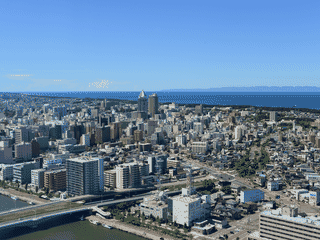
Niigata is a Sea of Japan harbor city built around rice, sake, the Shinano River, and waterfront history. Walkable sights, bicycle rentals, museums, and winter access to nearby ski areas make it a relaxed regional base.
Niimi is a small regional city in the mountains of northern Okayama Prefecture, offering access to limestone cave systems, forested hiking trails, and rural Japanese countryside without tourist crowds. It serves as a practical transit hub where three JR lines converge, making it useful for travelers moving between Hiroshima Prefecture and Okayama's main cities.
Atlas entry
Nikaho is a small coastal city in Akita prefecture offering onsen hot springs, waterfalls, and access to Mt. Chokai hiking.
Atlas entry
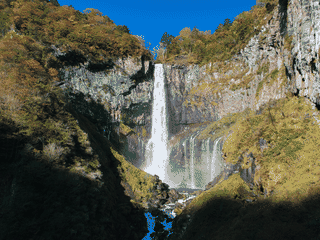
Nikkō brings ornate shrine architecture, mountain scenery, and a signature yuba food culture into a compact heritage town. The station area is a practical launch point for Tōshō-gū, Lake Chuzenji, Kegon Falls, and nearby hot-spring routes.
Niseko is a powder-focused ski resort drawing international visitors to four interconnected areas. The shared all-mountain pass links 29 lifts and 3 gondolas, with Hirafu as the main activity center.
Nishiawakura is one of Japan's smallest villages (population around 150), offering an intimate look at rural revitalization efforts centered on sustainable forestry. With 95% of its land forested, the village showcases cedar and cypress industries, local hot springs scented with hinoki (cypress), and unique products like Yukahari wooden tiles and Hinoki Beer fermented with actual cypress wood.
Atlas entry
Nishinomiya is a baseball-obsessed city home to Koshien Stadium, Japan's oldest ballpark and host of the annual National High School Baseball Championship every August. The city gained international fame as the setting for Studio Ghibli's Grave of the Fireflies and the anime The Melancholy of Haruhi Suzumiya.
Atlas entry
Nishitokyo is a quiet residential suburb in western Tokyo, about 30 minutes by train from Shinjuku. Unlike central Tokyo's skyscrapers and concrete, this area features small parks, tree-lined streets, and a local atmosphere.
Atlas entry
Noboribetsu is Hokkaido's premier hot spring destination, drawing Japanese tourists to its 11 distinct mineral-rich spring waters containing sulfur and iron. The main draw is Noboribetsu Onsen, a resort village 6 km inland from the city proper, where visitors can bathe in diverse therapeutic waters ranging from simple hot springs to acidic chloride springs.
Atlas entry
Numazu is a port city in Shizuoka Prefecture where the views of Mount Fuji are exceptionally clear from Senbon Beach and the View-O observation deck. The city gained fame as the setting for the anime Love Live.
Atlas entry
Obama (小浜市) means literally 'little beach' in Japanese. The city promotes itself as 'Nara by the Sea' for its numerous historic temples and shrines.
Atlas entry
Obihiro is a city on the northern island of Hokkaido, founded in 1883 by settlers from Honshu. It is the capital of Tokachi sub-prefecture on the Tokachi Plain, a major agricultural area.
Atlas entry
Ōda is famous for the Iwami Ginzan Silver Mine, a UNESCO World Heritage Site that at its peak produced about one-third of the world's silver supply. The Omori Town area preserves historic streets, temples, and the remains of what was once a bustling mining city.
Atlas entry
Ōdate is best known as the birthplace of Hachiko, the Akita dog whose unwavering loyalty to his owner is commemorated in the world-famous statue at Shibuya Station in Tokyo. The city itself is modest, but serves as a practical base for exploring northern Akita's natural wonders including Lake Towada and Oirase Gorge.
Atlas entry
Odawara is a compact coastal city in Kanagawa prefecture, best known for its reconstructed castle and as the main railway junction into Hakone. The city preserves a small-town feel while offering quality local food specialties like kamaboko (steamed fish paste) and himono (dried horse mackerel), plus seasonal plum blossom festivals.
Atlas entry
Ogaki is a small city in Gifu Prefecture, located just 10 minutes by train from Gifu City. With a population of about 164,000, it offers a quieter alternative to larger cities while serving as a gateway to historical sites.
Atlas entry
The Ogasawara Islands are a remote subtropical archipelago of over 30 islands, often called the 'Galapagos of the Orient' due to unique evolutionary processes on islands never connected to a continent. Designated a UNESCO World Heritage Site in 2011, the islands offer exceptional whale watching, diving with dolphins, pristine beaches, and well-maintained hiking trails.
Atlas entry
Ogi is a small, quiet city in Saga Prefecture that makes a convenient stop on the Karatsu Line between Nagasaki and Saga. It is best known for yōkan (sweet bean paste) and locally grown strawberries from Saga Prefecture, one of Japan's leading strawberry-producing regions.
Atlas entry
Oita is the capital city of Oita prefecture and a convenient hub for exploring eastern Kyushu. While often overshadowed by nearby Beppu's famous hot springs, Oita offers its own attractions including museums designed by world-renowned architects, a historic castle, and easy access to Takasakiyama Monkey Park.
Atlas entry
Okayama is a bright, easygoing Shinkansen hub with a celebrated garden, castle culture, and Momotarō folklore in the streets. It also makes a convenient base for Kurashiki, Bizen pottery, and wider Chugoku or Shikoku day trips.
Okazaki serves as a historic midpoint between Nagoya and Toyohashi in Aichi prefecture. The city is most celebrated as the birthplace of Tokugawa Ieyasu, the founder of the Edo shogunate, and Okazaki Castle remains the focal point of the city.
Atlas entry
Okinawa is Japan's subtropical answer to Hawaii, a chain of 49 inhabited and 111 uninhabited islands between mainland Japan and Taiwan. Formerly the independent Ryukyu Kingdom with its own language and culture, it's now one of Japan's 47 prefectures offering gorgeous scenery, world-class diving, pristine beaches, tragic wartime history, and strong cultural identity amid a significant U.S.
Atlas entry
Ōkunoshima, also called Usagi Shima (Rabbit Island), is a tiny island in Japan's Inland Sea where hundreds of feral rabbits roam freely. The rabbits are incredibly tame and will hop right up to visitors, making it a unique wildlife experience in Japan.
Atlas entry
Ōmihachiman is a preserved historic merchant city on the eastern shore of Lake Biwa, designated as a national preservation district and important cultural landscape. The old town showcases intact Edo-period merchant houses and unusual Western-style buildings from the early 20th century, many designed by American architect William Merrell Vories.
Atlas entry
Onjuku is a small fishing town on the Pacific coast of the Bōsō peninsula in Chiba prefecture, famous for its beach and surfing scene. Unlike the crowds of closer beach destinations near Tokyo, Onjuku maintains a quieter, local atmosphere while still attracting young surfers from the capital year-round.
Atlas entry
Ōno, also called Echizen Ōno, is a historic castle town in Fukui prefecture known as the 'little Kyoto' of Echizen province. The town offers traditional temples, the atmospheric Ono Castle (a 'Castle in the Sky'), and access to outdoor activities including skiing in winter and kayaking or camping along the Kuzuryu River in summer.
Atlas entry
Onogawa Onsen is one of Japan's most radioactive hot springs, with radon concentrations around 10 nanocuries per litre (200 Bq/m³), but a half-hour soak equals only two hours of typical household background radiation. This small hot spring village in Yamagata prefecture regularly tops lists of "snowy hot springs" with high probability of heavy snowfall as early as December, offering one of the better-preserved "olde Japan" villages in the north.
Atlas entry
Onomichi is "Japan's hometown" - a quieter counterpoint to major tourist destinations, with dozens of ancient temples connected by two pleasant walking routes. The city is also the eastern terminus of the Shimanami Kaido Bikeway, a 70km cycling route across the Seto Inland Sea to Shikoku.
Atlas entry
Ōnuma Quasi-National Park offers a tranquil counterpoint to Japan's crowded cities, centered on a placid lake dotted with 126 islands. The park is one of Japan's Ramsar sites, recognized for its wetland importance, and provides easy access to hot springs, hiking trails, and outdoor activities without requiring extensive travel from Hakodate.
Atlas entry
Osaka is the friendly, food-driven heart of Kansai, with a long history as Japan's merchant and rice-trading center. Its restaurant districts, shopping streets, nightlife, and easy rail day trips reward hungry urban explorers.
Ōta is a mid-sized industrial city in Gunma Prefecture, best known as the home of Subaru Motors. It offers a quieter alternative to major tourist hubs, with historic temples, a castle ruin, and the Yabuzuka Onsen hot spring area.
Atlas entry
Otaru is a romantic port city 30 km west of Sapporo, known for its well-preserved Meiji-era architecture, glassware workshops, and music box museums. The canal district, lit by gas lamps at night, is the city's centerpiece, flanked by old warehouses converted into shops and cafes.
Atlas entry
Ōtsu (大津) is the capital of Shiga prefecture and serves as a quiet counterpoint to nearby Kyoto. The city is best known as the base for Enryaku-ji, a Tendai Buddhist monastery on Mount Hiei that is part of the UNESCO World Heritage Site 'Historic Monuments of Ancient Kyoto.' Lake Biwa, Japan's largest freshwater lake, lies just west of the city, offering cruises and lakeside scenery.
Atlas entry
Otsuchi is a small coastal town in Iwate Prefecture that was severely devastated by the 2011 tsunami. Today it offers a quiet, reflective destination for travelers interested in disaster recovery, local resilience, and authentic rural Japan without the tourist crowds.
Atlas entry
Otsuki is a small city in Yamanashi Prefecture where mountains dominate the landscape and the Chuo Expressway cuts through a scenic river gorge. It sits two hours from Tokyo by train, making it a practical overnight stop for hikers tackling the surrounding peaks or travelers heading to Mount Fuji.
Atlas entry
Owase is a small coastal city in southern Mie Prefecture where the ancient Kumano Kodo pilgrimage routes meet the sea. Unlike major tourist destinations, Owase offers an authentic glimpse into rural Japanese life with friendly fishing villages, traditional festivals like the boisterous Ya Ya Matsuri, and hiking trails through cedar forests.
Atlas entry
Oyama (小山) is the second most populous city in southern Tochigi prefecture, Japan. Above all, it functions as a major train junction where Shinkansen and conventional lines intersect.
Atlas entry
Ōzora (大空) is a rural Hokkaido town formed in 2006 by merging Memanbetsu town and Higashimokoto village. Its name means 'Large Sky,' reflecting the expansive views across eastern Hokkaido.
Atlas entry
Rausu is one of two gateways to Shiretoko National Park, Japan's northernmost and most pristine wilderness area. The small fishing town is famous for whale watching cruises in the Nemuro Strait, free open-air hot springs along the coastline, and as a base for climbing Mount Rausu.
Atlas entry
Rebun-to is a remote island paradise off Hokkaido's northwest coast, part of Rishiri-Rebun-Sarobetsu National Park. The island is renowned for its native wildflower meadows, dramatic sea cliffs, and unique rock formations including Momoiwa (Peach Rock).
Atlas entry
Rishiri Island is a remote volcanic outpost at Japan's northern frontier, dominated by the 1721m Mount Rishiri which can be seen from over 100 km away. The island offers spectacular hiking for all skill levels, native wildflower meadows, and world-class uni-don (sea-urchin rice bowls) at a fraction of Tokyo prices.
Atlas entry
Sabae is a small industrial city in Fukui Prefecture, best known as the center of Japan's eyeglass manufacturing industry — producing 90% of Japanese frames. The city offers a unique stop for visitors interested in local crafts, with the Megane Museum allowing visitors to make their own eyeglass frames.
Atlas entry
Sado Island combines rural landscapes, former exile history, gold-mining heritage, and a strong seafood culture without the crowds of Japan's better-known destinations. Summer supports mountain walks, beaches, diving, and the late-August Earth Celebration, while spring and autumn offer a quieter rhythm.
Saga is a historic castle city with a rebuilt museum, Meiji-era industrial heritage, and access to hot springs, ceramics towns, and coastal parks. Early November brings an international balloon fiesta, while the station area makes a practical base for the prefecture.
Sagamihara is a city of about 700,000 people in Kanagawa Prefecture, offering lakes, parks, and historic ruins as an alternative to more tourist-heavy destinations. The city grew significantly in 2006 after merging with Tsukui and Sagamiko towns.
Atlas entry
Saijō is a Shikoku base for spring flowers, mountain access, pilgrimage temples, and a remarkable autumn festival tradition. Its uchinuki water also shapes the local food scene, especially soba made with spring water.
If Tokyo is New York, then Saitama is New Jersey — a bland commuter town that's half industrial, half suburban. Tokyo wags joke about 'Dasai-tama' (Uncool-Tama).
Atlas entry
Sakai is a historic city in Osaka prefecture, best known for the Mozu Kofun Group—massive ancient burial mounds that are now a UNESCO World Heritage Site. It offers a quieter, more laid-back alternative to central Osaka, with the bonus of being a centuries-old center for traditional Japanese knife and blade manufacturing.
Atlas entry
Sakaiminato is a working fishing port on Tottori's western border where the catch is exceptionally fresh and local crab is a regional specialty. The town gained cultural fame as the birthplace of Mizuki Shigeru, creator of the beloved manga Ge Ge Ge no Kitaro, whose monster universe now lines Mizuki Shigeru Road with bronze statues and colorful murals.
Atlas entry
Sakata offers travelers a glimpse into traditional Japanese port city life without the crowds of major tourist destinations. The city combines historical architecture, cultural performances, and excellent seafood from the Sea of Japan, all within easy reach of Yamagata's mountain areas and nearby coastal destinations.
Atlas entry
Sakura is a historic city in Chiba prefecture with a population of 174,000 (2020) that offers a compelling mix of samurai heritage, a world-class history museum, and a unique Dutch connection. The city hosts one of Japan's most vibrant tulip festivals each April at Furusato Square, where a genuine Dutch windmill stands.
Atlas entry
Sanmu is a coastal city in Chiba Prefecture offering direct access to Kujukuri Beach, a 60km stretch of Pacific shoreline visible from planes approaching Narita Airport. The area draws surfers in summer and strawberry-picking visitors in spring.
Atlas entry
Atlas entry
Sapporo is Hokkaido's northern capital, with tree-lined boulevards and strong snow infrastructure. Cool summer strolls and long winter conditions give the city two distinct travel moods.
Sasebo is the second-largest city in Nagasaki prefecture on Kyushu island, Japan, offering a calmer alternative to Japan's busier metropolitan areas. The city is home to Huis ten Bosch, a sprawling Dutch-themed amusement park with nightly fireworks, and the U.S.
Atlas entry
Satsumasendai (薩摩川内) is a city of 89,332 people in Kagoshima Prefecture, serving as the administrative center of northwest Kagoshima. The city preserves samurai-era architecture including the Iriki-Fumoto Samurai Residences and offers access to the Kosikijima Islands via ferry from Sendai Port.
Atlas entry
Sekigahara is a quiet rural battlefield landscape where the 1600 clash between Tokugawa Ieyasu and Ishida Mitsunari reshaped Japan. Walkable trails, bilingual markers, and a modern memorial museum turn the valley into a focused history outing.
Sendai is a spacious, tree-lined regional capital with a relaxed urban feel and fewer tourists than Japan's biggest cities. It works as a comfortable base for regional sights, with samurai heritage and contemporary architecture in the mix.
Seto is a compact ceramics city where museums, working studios, and shopping streets keep pottery traditions visible. Add a half-day or overnight visit from Nagoya for craft browsing, local food, and seasonal festivals.
Shibata is a compact castle town that flourished during the Edo Period (1603-1868) and retains significant cultural heritage including Shibata Castle and Ashigaru-nagaya soldier barracks. Located on the northern Echigo Plain near Niigata City, it offers a quieter alternative to larger cities while maintaining good connections via the JR Uetsu Main Line.
Atlas entry
Shibukawa (渋川) sits at the geographic center of mainland Japan—hence its nickname "the belly button of Japan." The city is the gateway to Ikaho (伊香保), a beloved hot spring resort town with historic inns, mountain views, and the quirky Heso Matsuri (belly button festival). It is a practical overnight stop between Tokyo and Nikko or Nagano, offering a quieter, cheaper alternative to major tourist hubs.
Atlas entry
Shimabara is a quieter alternative to Nagasaki and Kumamoto, offering a window into feudal Japan through its preserved samurai district and the ruins of Hara Castle. The city serves as the main gateway to the Unzen Volcanic Area Geopark, a UNESCO-recognized site where visitors can explore natural hot springs, walk through areas devastated by Mt.
Atlas entry
Shimoda is a coastal city of 21,000 on the Izu Peninsula where Commodore Matthew Perry arrived with his "black ships" in 1853, signing the Convention of Kanagawa and ending Japan's 200-year isolation. Today it draws visitors for its consistently good surfing beaches and emerging hipster scene with craft bars and restaurants.
Atlas entry
Shimonoseki guards the Kanmon Straits where Honshu meets Kyushu, a waterway so strategically vital it shaped Japanese history. The city is famous worldwide for fugu (pufferfish), prepared by specially licensed chefs with a 70% failure rate on their certification exam.
Atlas entry
Shiojiri serves as a quiet, unpretentious gateway to the Kiso Valley and Nakasendo historic route towns. While the city itself is modest, its name means "salt butt" — a nod to its role as the terminus of the historic Salt Road where mountain passes became too treacherous for merchants.
Atlas entry
Shirahama is a nostalgic beach resort town on Wakayama's western coast, famous for its distinctive white sand beach and hot springs. The 1960s-80s hotel strip along the beachfront evokes a retro Japanese seaside atmosphere, unlike modern resort destinations.
Atlas entry
Shiraishi Island is a quiet island of roughly 350 inhabitants, mostly visited for summer activities: swimming, sea kayaking, windsurfing, and lounging on the beach. The vast majority of visitors come on weekends in July and August.
Atlas entry
Shirakawa is the southernmost city in Fukushima's Nakadori region, serving as a historical gateway between the developed Kanto plain and the wilder Tohoku north. The city developed as a castle town at the site of the ancient Shirakawa-no-seki barrier gate, where travelers once passed between regions.
Atlas entry
Shirakawa-go is a historic mountain village known for gasshō-zukuri farmhouses with steep thatched roofs designed to shed heavy winter snow. Ogimachi offers a rare glimpse into traditional Japanese rural life among centuries-old structures.
Shiraoi is Hokkaido's premier destination for Ainu culture, anchored by the Upopoy National Ainu Museum and cultural complex. The town sits along the Pacific coast with natural attractions including Ayoro Beach, Inkura Falls, and Lake Kuttara.
Atlas entry
Shiretoko National Park is one of the most remote areas in all of Japan, covering the entirety of the Shiretoko Peninsula in northeastern Hokkaido. Designated as a UNESCO World Heritage Site in 2005, the park offers pristine wilderness experiences impossible to find elsewhere in the country: old-growth forests, volcanic peaks, dramatic coastline, and Japan's largest brown bear population.
Atlas entry
Shiroishi is a compact city in Miyagi prefecture best known for Shiroishi Castle, a reconstructed historic site surrounded by cherry blossom trees that draw visitors in spring. The city serves as a convenient stop on the Tohoku Shinkansen line, making it accessible as a day trip from Sendai or Fukushima.
Atlas entry
Shizuoka is a tea-producing coastal city and a practical rail gateway to Mount Fuji, with Edo history, fresh seafood, and scenic viewpoints. Its central location between Tokyo and Osaka makes it useful for combining urban culture with Fuji and bay excursions.
Shōdo Island (小豆島) is Japan's olive capital, where the first successful olive cultivation in the country began in 1908. The island served as the setting for the 1954 antiwar film Twenty-Four Eyes (二十四の瞳), and visitors can explore the reconstructed movie village.
Atlas entry
Soja is best known as the midway stop on the Kibiji Cycling Trail between Okayama and Takahashi. It packs five free historical sites within a few kilometers: burial mounds, provincial temples, and Kinojo Castle, the so-called Demon Castle linked to the Momotaro legend.
Atlas entry
Suita is a clean, upper-middle class suburb of Osaka popular with white-collar professionals and corporate transferees from Tokyo and the Kanto region. The Esaka area offers convenient access to central Osaka via the Midosuji subway line, making it a practical and quieter alternative to staying in the gritty downtown areas of Namba or Tennoji.
Atlas entry
Suo-Oshima (周防大島町, Suō-Ōshima-chō) is an island in Yamaguchi Prefecture on the Seto Inland Sea, self-branded as "the Hawaii of Japan" due to historical ties to Hawaiian emigration and beaches. Some of the first Japanese emigrants to Hawaii came from Suo-Oshima in the late 19th and early 20th centuries, with over 5,000 people immigrating.
Atlas entry
Suwa offers a quieter alternative to Nagano's busier spots, anchored by Lake Suwa and a handful of historic sites. The city is notable for the Onbashira-sai festival, a dramatic event held every six years where participants ride massive logs down steep hills.
Atlas entry
Tachikawa is a city in western Tokyo that serves as a regional hub with excellent shopping and one of Tokyo's largest parks. It offers a more relaxed atmosphere than central Tokyo while remaining easily accessible by JR Chuo line.
Atlas entry
Tahara is Aichi's southernmost city, located at the tip of the Atsumi Peninsula where Mikawa Bay meets the Pacific Ocean. The city of about 66,000 residents is best known as the home of a highly sophisticated Toyota factory producing Lexus vehicles.
Atlas entry
Tajimi is a mid-sized city in Gifu Prefecture's Mino area, best known for its green Mino-yaki pottery tradition. It offers a quieter, more relaxed alternative to Nagoya or Tokyo, with several ceramics museums, historic temples, and easy access to the surrounding mountainous Kiso Valley region.
Atlas entry
Takachiho is a mountain town in Miyazaki prefecture that few foreigners visit despite drawing over a million Japanese tourists annually. The town centers on Takachiho Gorge, an impressive ravine carved by the Gokase River with countless waterfalls cascading into it, and Ama-no-Iwato Shrine, the sacred cave where the sun goddess Amaterasu hid according to Shinto mythology.
Atlas entry
Takahashi offers a quiet blend of mountain-castle history, Edo-period streets, bengara craft, and Zen temple heritage. It suits travelers seeking authentic rural culture, early-morning viewpoints, and uncrowded sights.
Takamatsu is Shikoku's primary ferry gateway and the center of Kagawa's udon culture. Its surrounding area is thick with famous noodle shops, making it a practical base for a food-focused visit.
Takarazuka draws visitors primarily for two reasons: the world-famous all-female Takarazuka Revue theater and the Tezuka Osamu Manga Museum honoring the creator of Astro Boy. The city also offers hot spring bathing with a 700-year history.
Atlas entry
Takasaki is best known as the hometown of the Daruma doll, a iconic symbol of good luck and perseverance in Japan. The city also holds significance as the birthplace of former Prime Minister Yasuhiro Nakasone.
Atlas entry
Takayama is known for a well-preserved quarter of Edo-style streets and a traditional Hida townscape. Snowy winters and warm summers add a pronounced seasonal rhythm to the historic center.
Takehara is a small city of 26,000 people in Hiroshima Prefecture that preserves a remarkable Edo-to-Meiji-era merchant district. The Takehara Townscape Conservation Area showcases traditional salt and sake merchant houses lining the main street (hondori), offering an intimate alternative to more crowded heritage sites.
Atlas entry
Takeo and its hot springs have existed for over a thousand years, making it a historic onsen destination in western Japan. The city is best known for Takeo Shrine's Great Camphor Tree, a 3000-year-old sacred tree considered a powerful spiritual spot, and Mifuneyama Rakuen Garden, an expansive 1845 landscape garden below Mount Mifune.
Atlas entry
Taketomi is one of the Yaeyama Islands in Okinawa, Japan, with a population around 300 and an area of just 5.4 km². The island is famous for its carefully preserved Ryūkyū village with red clay roofs, guardian shisa lions, coral walls, and extensive flower beds.
Atlas entry
Tama is a sprawling western suburb of Tokyo, but its compact central area (Tama Center) draws visitors primarily for Sanrio Puroland — the Hello Kitty theme park that earns it the nickname "Tama is Hello Kitty's Town." Beyond the cute characters, Tama Center offers substantial shopping malls, seasonal Christmas illuminations (November to New Year), and performances by street musicians and jugglers at the station. For travelers tired of central Tokyo's intensity, Tama provides a calmer, residential alternative with easy rail access.
Atlas entry
Tamano is a small port city in Okayama Prefecture primarily used as a departure point for ferries to islands in the Seto Inland Sea, especially Naoshima. The city itself offers quiet streets, local seafood specialty ontama meshi, natural hot springs with sea views, and several art installations from the Setouchi Triennale.
Atlas entry
Tanabe serves as the practical gateway to the Kumano Kodo pilgrimage network and the Nanki-Shirahama coastal region. The city itself offers Ogigahama Beach, local onsen, and access to Ryujin Onsen one hour northeast.
Atlas entry
Tanohata is a pristine coastal village sandwiched between steep mountains and the wide Pacific Ocean along the Sanriku coast. Unlike typical Japanese destinations, this remote Iwate village offers untouched landscapes with 200m-high sea cliffs, wild nature where bears and eagles coexist with human settlements, and authentic rural fishing life experiences.
Atlas entry
Tara is a small peninsula town on the Ariake Sea offering access to Mount Tara, one of Kyushu's tallest peaks, and unspoiled coastal scenery. On clear days, views extend across the sea to distant mountains.
Atlas entry
Tarui is a small rural town in Gifu Prefecture that preserves a significant piece of Japan's feudal history as the 57th station of the Nakasendo trail. During its heyday as a post town, Tarui-juku had 315 hotels serving travelers between Kyoto and Edo.
Atlas entry
Tashirojima is a vanishing rural Japanese island where cats have become the main attraction, vastly outnumbering the roughly 100 remaining human residents. The island embraces its cat island identity, offering visitors a chance to wander among freely roaming felines, visit the Cat Shrine, and experience a slower pace of life as the community slowly declines.
Atlas entry
Tatebayashi is a small Japanese city that made its name as a castle town since 1590, now promoted as a cultural destination with the motto of 'Clean water and green vegetation.' The city sits on the Kanto Plain approximately 60 km north of Tokyo, sandwiched between the Watarase River to the north and the Tone River to the south. Its main appeal lies in seasonal flower displays—moss phlox carpets in spring, cherry blossoms, azaleas at Tsutsuji-Ga-oka-Koen (Azalea Hill Park), and Japanese irises—plus traditional sites like Tatebayashi Castle and Morinji Temple.
Atlas entry
Tatsuno is a small city of 71,000 people in Hyogo Prefecture, known for its reconstructed Edo Period palace castle and traditional food crafts. The city is famous throughout Japan for producing high-quality sōmen (ultra-thin wheat noodles) and soy sauce, both of which can be purchased directly from local makers.
Atlas entry
Tendo is a compact city in Yamagata prefecture famous for a single specialty: manufacturing shogi pieces. Local estimates claim that as many as 95% of all shogi pieces produced in Japan are made here.
Atlas entry
Teshima is a small island in the Seto Inland Sea famous for its contemporary art installations, rivaling its neighbor Naoshima but with fewer crowds. The island has a population of approximately 1,000 people spread across three fishing villages connected by a circular road.
Atlas entry
Toba is a compact coastal city famous as the birthplace of cultured pearls, thanks to Mikimoto Kokichi's groundbreaking work in the early 20th century. The city serves as the southern gateway to Ise Bay, with several accessible islands including Toshijima, Sugashima, and the remote Kamishima.
Atlas entry
Tochigi is a mid-sized city in Tochigi Prefecture, Japan, positioned along the scenic Uzuma River. While often overshadowed by nearby Nikko's UNESCO sites and Utsunomiya's gyoza fame, the city offers a quieter traditional atmosphere with riverside storehouses and mountain viewpoints.
Atlas entry
Tokamachi is a rural Japanese city in Niigata Prefecture renowned for its extraordinary snowfall—averaging nearly three meters annually—creating a dramatic winter landscape unique among Japan's populated areas. The city hosts one of the world's largest international art festivals, the Echigo-Tsumari Art Triennial, transforming the rice-farming countryside into an open-air gallery.
Atlas entry
Tokorozawa offers a quieter suburban escape from Tokyo's intensity, just 30 km northwest. It's best known as the site of Japan's first airfield and the inspiration for Studio Ghibli's Totoro—Hachikokuyama Nature Park sits on the hillside where Hayao Miyazaki grew up.
Atlas entry
Tokunoshima is one of the Amami Islands, listed as a UNESCO World Heritage Site in 2021 alongside Amami Oshima, Iriomote, and northern Okinawa. The island offers striking granite sea stacks like Mushiroze, coral formations at Innojofuta, and a unique blend of Japanese and Ryukyuan culture.
Atlas entry
Tokushima is the main transport hub of eastern Shikoku and home to the famous Awa Odori festival (August 12-15), one of Japan's most celebrated dance festivals with over 400 years of history. The city serves as the starting point for temples 14-17 of the 88 Temple Pilgrimage, making it a natural stop for temple walkers.
Atlas entry
Tokyo mixes modern electronics, skyscrapers, global business, and remnants of old Japan. Temples, cherry blossoms, nightlife, and budget-friendly eats give a first visit many different rhythms.
Tokyo Disney Resort pairs a classic Disneyland park with Japan-exclusive DisneySea in a compact two-park complex. It suits travelers who want a focused theme-park stay that can fit into two or three days.
Tono (遠野) is a small rural city in Iwate Prefecture famous for its folk tales and the mischievous water spirit called the kappa. The town preserves four traditional folk villages with artisan workshops, making it a cultural destination for those interested in Japanese rural heritage.
Atlas entry
Tosu serves as a critical transportation nexus where the Kyushu Shinkansen, JR Kagoshima Line, and multiple expressways converge, making it a practical stopover between Fukuoka and southern Kyushu destinations. The city itself offers modest attractions including Asahiyama Park's historic castle hill with 290 steps used by Sagan Tosu footballers for training, and Azumaya—a natural riverside pool with 600-year-old trees popular for summer swimming.
Atlas entry
Tottori is defined by dramatic coastal sand dunes stretching along the Sea of Japan. Their cinematic history and mix of climbing, sandboarding, and camel rides make them the focus of a stop here.
Towada-Hachimantai is Tohoku's premier nature park, offering Japan's third deepest volcanic caldera lake, dramatic waterfalls along the Oirase Gorge, and some of the region's most celebrated hot springs. The park straddles three prefectures and provides exceptional fall foliage viewing around Oirase Stream, plus legendary Hakkoda powder snow for adventurous skiers.
Atlas entry
Toyama is a compact coastal base for glass art, sake, local food, and the Japan Alps. Its walkable center, trams, and rail links make it easy to pair museums with mountain or seaside excursions.
Toyohashi sits strategically between Tokyo and Osaka, making it a practical stop on any east-west journey through Honshu. The city preserves its Edo-period heritage along the historic Tokaido road, with Yoshida Castle at its heart and the reconstructed Futagawa Shuku Honjin Museum nearby.
Atlas entry
Toyota (豊田) is the largest city in Aichi Prefecture by area and the sixth largest city in the Chūbu region by population. Located 30 km southeast of Nagoya, the city is best known as the global headquarters of Toyota Motor Corporation.
Atlas entry
Tsu is Mie Prefecture's capital and home to about 290,000 people. It holds the distinction of being the world's shortest pronounceable city name in any language, consisting of a single kana character.
Atlas entry
Tsukuba is a planned science city built around the prestigious University of Tsukuba, which has produced three Nobel Prize winners and houses a synchrotron facility. The city serves as Japan's primary space research hub for JAXA, offering free access to rocket exhibits and guided tours.
Atlas entry
Tsumago is one of the most beautifully preserved post-towns on the historic Nakasendo, a samurai-era road that once connected Edo (Tokyo) and Kyoto. Unlike more commercialized historical sites, Tsumago has been restored in an authentic manner with original wooden storefronts, clay walls, and traditional guesthouses maintained to evoke the Edo period (1603-1868).
Atlas entry
Tsuruga is a working seaport city on the Sea of Japan, not a major tourist attraction in itself. Travelers are most likely to stop here as a transit hub, since it's the terminus of the Hokuriku Shinkansen and various limited express services from central Japan.
Atlas entry
Tsuruoka is a traditional city on the Sea of Japan coast where Shugendo mountain worship has been practiced for centuries at Dewa Sanzan. The area is famous for its sokushinbutsu mummies—Buddhist monks who achieved self-mummification through extreme ascetic practice—as well as hot springs like Yunohama and distinctive local foods like dadacha-mame edamame.
Atlas entry
Tsushima is a Japanese island sitting in the Korean Strait, closer to South Korea than mainland Japan. While popular with Korean tourists on day trips, it remains relatively unknown to Western travelers.
Atlas entry
Tsuwano preserves a compact Edo-era townscape of white-plaster walls, merchant houses, koi-filled canals, temples, and shrines. Its quiet streets and nearby mountain sights make an overnight stay worthwhile.
Tsuyama is a quieter castle-town stop with Edo-period streets, cherry-tree ruins, folk museums, and a strong local food tradition. Its horumon udon and festival calendar add everyday character to the historic Joto Street area.
Uchiko is a small town in Ehime Prefecture that preserves one of Japan's most distinctive historic districts. The Yokaichi Gokoku Historic District is unique for its rows of yellow-colored buildings made of white plaster and yellow earth, a sight rarely found elsewhere in Japan.
Atlas entry
Ueda is a historic city in Nagano Prefecture best known for Ueda Castle, the ancestral seat of the Sanada clan who famously defeated Tokugawa forces twice in the 16th century. The city offers a compelling mix of samurai history, Zen temples in the nearby Bessho Onsen district, and access to Japan's northern Alps ski resorts.
Atlas entry
Uji is one of Japan's oldest cities, situated between the ancient capitals of Nara and Kyoto. The city preserves its classical beauty remarkably well—author Alex Kerr praised it in Lost Japan as a rare example of a historic Japanese city where modern development has not disrupted its traditional character.
Atlas entry
Uki (宇城) is a mid-sized city in Kumamoto Prefecture on Kyushu Island, formed from the 2005 merger of five former towns: Matsubase, Misumi, Ogawa, Shiranuhi, and Toyono. The city offers a glimpse of everyday Japanese provincial life away from major tourist crowds, with coastal areas, local beaches, and connections to the Amakusa Islands.
Atlas entry
Urayasu exists primarily as the home of Tokyo Disney Resort, drawing millions of visitors annually to its two theme parks. The city itself offers little beyond the resort complex, though its proximity to Tokyo makes it an easy day trip.
Atlas entry
Ureshino is a small hot springs resort town in Saga Prefecture, famous for its therapeutic waters and traditional ryokan accommodations. The town offers a quieter alternative to more crowded Japanese onsen destinations, with attractions including a ninja-themed park and historic cherry tree.
Atlas entry
Ushiku is best known for the Ushiku Daibutsu, the tallest Buddha statue in the world at 120 meters, completed in 1993. The statue features an elevator reaching a viewpoint at 85 meters through the statue's chest.
Atlas entry
Utsunomiya is Tochigi Prefecture's laid-back capital, best known as Japan's "Jazz Town" (hometown of saxophonist Sadao Watanabe) and for its beloved gyoza dumplings. The city is draped in horse chestnut trees (tochi-no-ki, the prefecture's symbol) and Marronnier (French for the same tree), with the distinctive greenish-gray Oya stone used throughout its buildings.
Atlas entry
Wakayama offers a lower-key castle city with shrines, onsen, citrus, and useful access to the Kansai region. It suits travelers who want Osaka, Kōyasan, and the coast within reach without staying in the densest urban core.
Wake is a small rural town in Okayama Prefecture, best known for hosting the Wamojiyaki festival every August 15 during Obon and for being home to the largest wisteria park in Japan. The town sits among beautiful mountains with biking trails and the Wake Alps walking path, making it appealing for nature lovers and fitness enthusiasts seeking a quiet escape from Japan's busier tourist circuits.
Atlas entry
Wakkanai is Japan's northernmost city with about 34,000 residents, serving as the gateway to Rishiri-Rebun-Sarobetsu National Park, the country's northernmost national park. The town offers a genuinely remote feel with strong winds off the Sea of Okhotsk and views across to Russian Sakhalin on clear days.
Atlas entry
Atlas entry
Yakushima combines rain-soaked mountain landscapes with ancient cedar forests and an island road that circles the coast. It suits travelers drawn to hiking, remote scenery, and careful planning around weather and limited connectivity.
Yamagata links spiritual heritage with mountain access, from Yamadera's pilgrimage steps to Zao's winter scenery. It is a strong base for temples, seasonal festivals, regional food, and nearby hot springs.
Yamaguchi offers a quieter cultural alternative to Kyoto, with a medieval pagoda, Zen gardens, a missionary-era church, and hot springs at Yuda. Its Shinkansen access and regional rail links make it a useful base for western Japan day trips.
Yamanouchi is a traditional hot spring town in Nagano Prefecture famous worldwide for Jigokudani Monkey Park, where wild Japanese macaques bathe in natural hot springs during winter. The area combines unspoiled mountain scenery, historic onsen villages like Shibu Onsen and Yudanaka, and access to Shiga Kogen—the highest and largest ski area on Honshu.
Atlas entry
Yanai is a small coastal city in Yamaguchi Prefecture offering a preserved glimpse into Edo-period Japan through its famous Shirakabe no Machi (White-walled Town) district. While not a major tourist destination in its own right, it serves as an ideal half-day or full-day excursion from nearby Hiroshima or Miyajima.
Atlas entry
Yaotsu is a quiet rural town in Gifu Prefecture that draws visitors primarily for its connection to Chiune Sugihara, the Japanese diplomat who issued transit visas to thousands of Jews fleeing the Holocaust in 1940. The Chiune Sugihara Memorial Hall, opened in 2000, is the main attraction, with many visitors arriving from Israel.
Atlas entry
Yasugi is a small city in eastern Shimane Prefecture that rewards visitors with world-class art and gardens. The Adachi Museum of Art's 43,000 m² garden has been ranked Japan's best by the American Journal of Japanese Gardening for 10 consecutive years.
Atlas entry
Yatsushiro is the second largest city in Kumamoto prefecture and Japan's largest producer of igusa grass used to make tatami mats. The city offers castle ruins, a 17th-century tea house, nearby hot springs, and access to the scenic Kumamoto region.
Atlas entry
Yoichi offers three compelling reasons to visit: world-renowned Nikka whisky distilled since 1934 using traditional Scottish methods, two Olympic ski jumping gold medalists commemorated at the town station, and Japan's designated Special District for Wine since 2011 with over 20 wineries producing award-winning Pinot Noir and Chardonnay. The town provides a refreshing counterpoint to urban Sapporo, combining industrial heritage with rural vineyard landscapes.
Atlas entry
Yokkaichi earned notoriety as one of Japan's most polluted cities through the 1960s-70s, but aggressive environmental remediation transformed its fortunes. The same petrochemical complex that once choked the air now draws tourists for its striking nighttime silhouette—the seaside plants illuminated against the harbor make for an unusual urban spectacle.
Atlas entry
Yokohama pairs a major bayfront city with international neighborhoods, Chinatown, and a gentler rhythm than nearby Tokyo. Walk or ride the dense rail network between Minato Mirai, historic foreign houses, ramen culture, and waterfront nightlife.
Yokosuka blends naval history, American-Japanese street culture, waterfront sights, and a distinctive curry tradition. Its museums, island ferry, and lively bar district make it a characterful coastal stop.
Yonago is a mid-sized coastal city in western Honshu that serves as the transport hub for the San'in region. It offers access to Mt.
Atlas entry
Yonaguni is Japan's westernmost inhabited island, sitting 107 km from Taiwan at its closest point. With only 1,700 residents and no resorts, it offers an unspoiled alternative to busier Yaeyama destinations.
Atlas entry
Yonezawa is a historic samurai town in Tohoku that once served as the seat of the powerful Uesugi Clan. The city preserves its castle moats and grounds, now home to Uesugi Shrine, while the surrounding mountains offer hot springs.
Atlas entry
Yōrō is a small town nestled between Nagoya's farming hinterland and mountain foothills, famous for momiji (autumn colors) viewing. The main draw is the surreal Site of Reversible Destiny (Yōrō Park) designed by Arakawa-Ginz, where sloped surfaces and bizarre architecture disorient visitors.
Atlas entry
Yoron is a tiny island of only 20 km² with about 6,000 residents—roughly the size of a rural village in the ocean. Unlike the busier Amami or Okinawan islands, it offers pristine beaches, crystalline waters, and complete tranquility.
Atlas entry
Yoshino is one of Japan's most celebrated cherry blossom destinations, with Mount Yoshino (455m) described for centuries as the nation's most beautiful hanami spot. The mountain area contains 8 ancient temples and shrines that together form part of the UNESCO World Heritage-listed Sacred Sites and Pilgrimage Routes in the Kii Mountain Range.
Atlas entry
Yubari is one of Japan's most dramatic case studies in decline: a coal mining town that peaked at 120,000 residents in the 1950s now houses just 6,000 people with a median age of 65—the highest in Japan. The town offers an eerie, almost post-apocalyptic atmosphere and a surreal mascot culture centered on the Melon Kuma bear.
Atlas entry
Yufuin is famous for its hot spring outflow (second highest in Japan), but what sets it apart is the artsy European spa-town atmosphere with avant-garde galleries, traditional crafts, and fancy cafés. The double-peaked Mount Yufu-dake (1584m) volcano overlooks a lush green valley where steam rises from the hillsides.
Atlas entry
Yurihama is a small town in Tottori Prefecture formed in 2004 by merging three municipalities: Hawai, Tomari, and Togo. The name itself tells the story — combining kanji for hot springs (湯), sand pears (梨), and beaches (浜).
Atlas entry
Yurihonjo is a sprawling city in southern Akita Prefecture formed by the 2005 merger of seven former towns. Its heart remains Honjo, where you'll find the main train station and most services.
Atlas entry
Yuzawa is a small city in southeastern Akita Prefecture that serves as a gateway to natural attractions and culinary traditions off the beaten path. It is best known for Kawarage Jigoku, a volcanic hell-site with sulfur vents and white rock formations, and Oyasu Gorge, where steaming 98°C hot spring waters cascade through forested cliffs.
Atlas entry
Yuzawa is Japan's most convenient ski resort destination, accessible directly by bullet train from Tokyo in just 70 minutes. The town combines world-class skiing across ten resorts with traditional Japanese hot springs (onsen), all immortalized in Yasunari Kawabata's Nobel Prize-winning novel Snow Country (Yukiguni).
Atlas entry
Zamami is a sub-tropical island in the Kerama Islands, reachable in just an hour by high-speed ferry from Naha, yet feels worlds apart. With turquoise waters, white sand beaches, abundant coral, and untouched old-growth forests, it offers pristine nature without resort development.
Atlas entry
Zao Onsen is a hot spring town nestled in the Zao Mountains (蔵王連峰) famous for its cloudy blue sulfuric water. In winter, the area transforms into Tohoku's largest ski resort and hosts the famous "Snow Monsters" (樹氷 juhyō) - snow-covered trees that look like strange creatures.
Atlas entry
Zushi is a small coastal city in Kanagawa Prefecture, Japan, offering a quieter alternative to nearby Kamakura with similar temple scenery and beach access. Located about an hour south of Tokyo by train, it attracts visitors for its beach, marina, and summer events while remaining relatively uncrowded compared to more famous destinations.
Atlas entry
In development: the whole atlas offline, a trip planner and a private journal. We'll post here when it ships. No newsletter to join.


.jpg)
,Hakodate_Hokkaido,_Japan_27_April_2016_-_panoramio.jpg)


.jpg)


.jpg)


.png)


.jpg)


.jpg)


.jpg)


