Overview
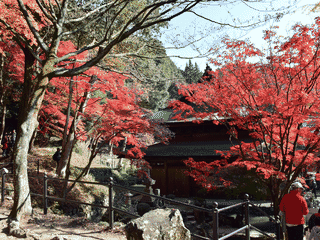
Tsumago is one of the most beautifully preserved post-towns on the historic Nakasendo, a samurai-era road that once connected Edo (Tokyo) and Kyoto. Unlike more commercialized historical sites, Tsumago has been restored in an authentic manner with original wooden storefronts, clay walls, and traditional guesthouses maintained to evoke the Edo period (1603-1868).
Architecture · Day Trips · History · Trekking
Before you go
Accommodation
Traditional ryokan offer the best experience but book well in advance, especially for autumn foliage season and weekends. Prices typically include dinner and breakfast.
Money
Japan is largely cash-based in rural areas like Tsumago. Carry sufficient yen as credit cards are not widely accepted. Convenience store ATMs may be available but operating hours vary.
Transport
Nagiso Station on the JR Iida Line is the nearest train station, a short walk from the preserved area. JR Passes covering the Chuo Main Line are valid for travel to Shiojiri with transfers.
Weather
Mountain setting means cooler temperatures than lowland cities. Autumn foliage peaks in mid-to-late October. Summer can be hot and rainy. Winter occasionally brings snow but remains walkable.