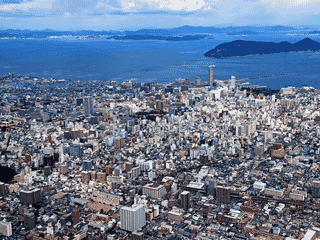

Takamatsu
East Asia · Japan
Did you know?
- A National Treasure garden combines twisting pines, koi ponds, and tea houses.
- A Kobe ferry runs four times daily, followed by a free 15-minute bus to the station.
- Kagawa produces more udon per capita than anywhere in Japan, and famous noodle shops cluster nearby.
See also
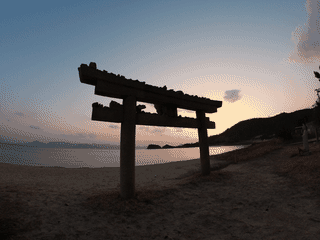

Naoshima
Japan34.47°N 134.00°E
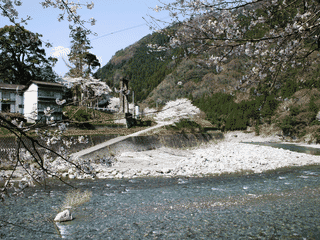

Mima
Japan34.06°N 134.15°E
Overview
Takamatsu is Shikoku's primary ferry gateway and the center of Kagawa's udon culture. Its surrounding area is thick with famous noodle shops, making it a practical base for a food-focused visit.
Languages: Japanese
Why Go to Takamatsu
Takamatsu (高松) is Shikoku's largest city and its primary gateway via ferry from Kobe and direct flights from Tokyo. The city has rebranded itself as the 'Udon Kingdom' — Kagawa Prefecture produces more udon per capita than anywhere in Japan, and Takamatsu's surrounding area is thick with famous noodle shops. Beyond the noodles, the city serves as a strategic base for exploring the Seto Inland Sea islands of Naoshima and Shodoshima, the hilltop Ritsurin garden, and easy train access to the mountain temples and vine bridges deeper on Shikoku. It is quieter than Osaka or Hiroshima but more connected than Japan's rural backwaters, making it a natural stop for travelers looping through western Honshu.
Adapted from Wikivoyage contributors · CC BY-SA 4.0
Getting to Takamatsu
Takamatsu has a small regional airport with limited routes, primarily serving Tokyo Haneda (about 1 hour). More popular is the ferry route: Jumbo Ferry runs 4 times daily between Kobe and Takamatsu (¥1,800 one-way, ¥2,990 round-trip), with free connecting buses on the Takamatsu side to JR Takamatsu Station taking 15 minutes. For art island lovers, Shikoku Kisen operates ferries (50-60 min, ¥520) and speedboats (25 min, ¥1,220) between Naoshima and Takamatsu. The Utaka-Kokudō Ferry connects Uno in Tamano (accessible from Okayama) with Takamatsu at ¥390 one-way. By train, Takamatsu is reachable via the Kotoden lines and JR lines connecting to Okayama and the rest of Shikoku.
Adapted from Wikivoyage contributors · CC BY-SA 4.0
Getting Around Takamatsu
Takamatsu is compact enough to explore on foot in the central area between JR Takamatsu Station and Kawaramachi. The Kotoden train lines (Takamatsu-Kotohira line) serve key attractions like Ritsurin Kōen Station for the famous garden and Kawaramachi Station for the shopping arcades. Buses connect farther-flung sites like Yashima and the Symbol Tower area. JR Pass holders should note that the Kotoden lines are private railways not covered by the JR Pass — only JR lines are valid. Rental bicycles are available near the station area for those who want to explore the waterfront and harbor.
Adapted from Wikivoyage contributors · CC BY-SA 4.0
When to Go
July and August can get quite warm, with temperatures reaching 31-33°C and frequent rainfall. The most comfortable seasons are spring (April-May) for cherry blossoms at Tamamo Park and autumn (October-November) for mild weather and seasonal festivals. January and February are the coldest months, with occasional nighttime freezing — manageable but cold for walking tours. The Sanuki Takamatsu Festival takes place in mid-August with fireworks and dance events. The Winter Festival in mid-to-late December features Christmas displays at the central park. Mid-June brings the Shionoe Firefly Festival, and the second Sunday in September hosts the Hyōge Festival.
Adapted from Wikivoyage contributors · CC BY-SA 4.0
Where to Stay
The cheapest options are business hotels and capsule hotels clustered around JR Takamatsu Station and the Kawaramachi area. Golden Time capsule hotel costs ¥3,000 per night with sauna facilities (men only). Toyoko Inn Takamatsu Hyogomachi offers singles from ¥5,980 with a Japanese breakfast included. Sanukinoyu Dormy Inn near Kawaramachi Station has a rooftop rotemburo (open-air bath) with doubles from ¥10,000. Budget travelers can find rooms at Hotel AreaOne (¥6,800-8,000) or the more basic Hotel No 1. Those seeking character should try Castle Hotel Takamatsu (doubles from ¥3,500) with Japanese-style rooms, futons, and a real bath — the owner speaks good English.
Adapted from Wikivoyage contributors · CC BY-SA 4.0
Food and Drink
Takamatsu is the heart of Sanuki udon country, and no visit is complete without slurping thick, chewy noodles in a broth that ranges from light kelp to rich curry. Tsurumaru (handmade udon, ¥400-1,200 per bowl) near the Kotoden line serves curry udon and has an English menu, open 11:00-14:00 and 20:00-03:00. Kawafuku and Sakaeda are two longstanding favorites. For something different, Ikkaku Takamatsu (一鶴) serves chicken dishes. The city's many shōtengai (covered shopping arcades) between the station and Kawaramachi are lined with small udon shops and local restaurants — Hyōgo-machi, Katahara-machi, Marugame-machi, Lion Avenue, South Shinmachi, Tokiwa-gai, and Tamachi are the main ones. Evening drinking options include The Craic Irish Pub near the train station, Magic Pan Hawaiian Bar, and the stylish MeloBar near Kawaramachi Station. Hidamari Coffee Stand offers good coffee in a relaxed setting.
Adapted from Wikivoyage contributors · CC BY-SA 4.0
Things to Do
Ritsurin Park (栗林公園) is the city's crown jewel — a vast Japanese landscape garden designated a National Treasure, with twisting pines, koi ponds, and tea houses. Admission is ¥400 for adults, ¥170 for children; open sunrise to sunset with seasonal variation. Five minutes on foot from Ritsurin Kōen Station (Kotoden). Tamamo Park (玉藻公園) sits on the former site of Takamatsu Castle, with the main tower currently being rebuilt — ¥200 adults, ¥100 children, cherry blossoms in early April are a highlight. The Kagawa Museum (¥400) covers local history with a free English audio guide for the permanent exhibit. Takamatsu Art Museum (¥200 permanent) has special exhibits that change every few months. For something off the beaten path, Shikokumura (四国村) is an open-air museum 20 minutes from central Takamatsu, collecting historic houses from across Shikoku and including a Tadao Ando-designed building with Picasso works — ¥800 adults. Yashima Temple (屋島寺) is free to enter.
Adapted from Wikivoyage contributors · CC BY-SA 4.0
Day Trips from Takamatsu
Takamatsu's geographic position makes it an ideal hub for exploring the Seto Inland Sea and inland Shikoku. Naoshima (1 hour by Shikoku Kisen speedboat) is a world-class contemporary art destination with the Chichu Art Museum, Lee Ufan Museum, and Benesse House. Kotohira (1 hour by Kotoden train) is home to Kompira Shrine, one of Shikoku's most important pilgrimage sites. Marugame has Marugame Castle, one of Japan's few remaining original castles. Mount Ishizuchi, Shikoku's tallest peak, is about 2 hours away. On the mainland, Okayama's Korakuen Garden is one of Japan's top three gardens, and Kurashiki's Bikan Historic District is one of Japan's best-preserved historic neighborhoods — both reachable in under an hour by train. Shodoshima, known for soy sauce factories and olive production, is accessible by ferry and worth a day or two. The Iya Valley with its famous vine bridges is about 2 hours south.
Adapted from Wikivoyage contributors · CC BY-SA 4.0
Connectivity
WiFi is widely available in hotels, and most business hotels offer free in-room WiFi. The Symbol Tower near the station has public WiFi in its shopping mall. Convenience store WiFi (7-Eleven, Lawson, FamilyMart) is accessible using provider credentials. For mobile data, major carriers DOCOMO, au, and SoftBank have strong coverage throughout the city and along major transport routes. SIM cards and prepaid data options are available at convenience stores and electronics shops. Japan's power infrastructure uses Type A sockets (two flat pins, identical to US style) at 100V. International adapters are needed for UK, Australian, or European plugs.
Adapted from Wikivoyage contributors · CC BY-SA 4.0
Budget Travel in Takamatsu
Takamatsu is moderately priced for Japan — cheaper than Tokyo or Osaka but more expensive than rural Shikoku towns. Budget travelers can get by on ¥3,500-5,000 per day: dorm-style beds are rare but capsule hotels start around ¥2,500-3,000; udon meals range from ¥400-1,200; local transport (trains and buses) runs ¥150-500 per trip. Attractions like Ritsurin Park (¥400), Tamamo Park (¥200), and Shikokumura (¥800) are the main admission costs. The JR Okayama-Takamatsu segment (about ¥3,000) is covered by the JR Seto-Okayama Pass. Ferries to Naoshima (¥520-1,220) are a separate expense.
Adapted from Wikivoyage contributors · CC BY-SA 4.0
Safety
Takamatsu is a safe city with low crime rates typical of Japanese urban areas. The main tourist areas around Takamatsu Station, Kawaramachi, and Ritsurin Park are well-patrolled and welcoming. Standard urban precautions apply: watch belongings in crowded areas during festivals, be cautious near train platforms. The Yashima area and outskirts are very quiet at night — stick to main roads if walking late. Earthquake preparedness is advisable given Japan's seismic activity; familiarize yourself with emergency procedures at your accommodation.
Adapted from Wikivoyage contributors · CC BY-SA 4.0
Etiquette
Japanese etiquette norms apply throughout Takamatsu. Remove shoes when entering traditional accommodations, restaurants with tatami seating, and temples. Speak quietly on trains and in public spaces — phone calls should be taken outside. Bowing is customary for greetings. At temples and shrines, wash your hands at the temizuya (water basin) before praying. When eating udon, slurping is encouraged as a sign of appreciation. Do not tip at restaurants or in taxis. If visiting during festival periods, follow local customs regarding photography of performers and participants.
Adapted from Wikivoyage contributors · CC BY-SA 4.0
Go Next
From Takamatsu, Shikoku's entire pilgrimage trail and natural attractions unfold. Head south to Tokushima for the famous Awa Odori Festival and the Naruto whirlpools. Kochi has Kochi Castle, another original castle, and a lively morning market. The remote Iya Valley offers vine bridges and mountain hiking. To the east, cross back to Honshu via the Great Seto Bridge to Okayama and Kurashiki, or continue to Hiroshima and Miyajima. Naoshima and Shodoshima in the Seto Inland Sea are easily reachable for art and food experiences. For those continuing the Shikoku pilgrimage, temples stretch across all four prefectures accessible from Takamatsu.
Adapted from Wikivoyage contributors · CC BY-SA 4.0
Field guide adapted from Wikivoyage contributors · CC BY-SA 4.0. Text has been adapted and organized for this guide. About our sources.
Places to know
A few starting points from the guide. Check current hours and prices before you go.
- sleep
Business Hotel Parkside Takamatsu
Adapted from Wikivoyage contributors
- sleep
Castle Hotel Takamatsu
Japanese style rooms have a tea table, tv, kettle, fridge, a separate sleeping area with futon and a real Japanese bath. Every room has yukata (kimono style robe) ready for guests. Friendly owner speaks good English. Don't get confused as the hotel is not marked in English. It's the first building after the railway crossing. The same railway crossing won't let you sleep early or late as it starts beeping every ten minutes from 6am to midnight.
Recorded price: Double for ¥3,500
Adapted from Wikivoyage contributors
- sleep
Chateau Est Takamatsu
Adapted from Wikivoyage contributors
- sleep
Golden Time
A capsule hotel with several varieties of saunas. Men only.
Recorded price: ¥3,000
Adapted from Wikivoyage contributors
- sleep
Hotel AreaOne Takamatsu
Recorded price: ¥6,800-8,000
Adapted from Wikivoyage contributors
- sleep
Hotel No 1 Takamatsu
Adapted from Wikivoyage contributors
- sleep
Hyper Inn Takamatsu-ekimae
Adapted from Wikivoyage contributors
- sleep
JR Hotel Clement Takamatsu
Adapted from Wikivoyage contributors
Before you go
Connectivity
Free WiFi is available at convenience stores and in hotels. Major carriers (DOCOMO, au, SoftBank) provide reliable mobile data coverage throughout the city.
Food
Takamatsu is the udon capital of Japan. Budget meals start at ¥400-600 for a bowl of Sanuki udon. Most udon shops open early and close by early afternoon.
Language
Basic English is limited outside hotels and tourist spots. Learning a few Japanese phrases is helpful. Mobile translation apps work well for menus and signage.
Money
Japan is largely cash-based outside major cities. ATMs are widely available at convenience stores (7-Eleven, Lawson, FamilyMart) and postal ATMs. Credit cards are accepted at hotels and larger restaurants.
Transport
The Kotoden train lines are private railways not covered by the JR Pass — only JR lines are valid for JR pass holders. Ferries to Naoshima depart from Takamatsu's port area.
Weather
Summers (July-August) are hot and humid with frequent rain. Winters are mild but can drop below freezing at night. Spring (April) brings cherry blossoms at Tamamo Park.