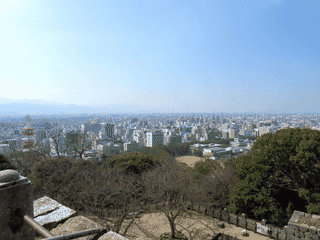
.jpg)
Matsuyama
East Asia · Japan
Did you know?
- Botchan dango, taruto, and fall mikan turn sweet shops into a local tasting trail.
- Dōgo Onsen is associated with a 3,000-year history.
- The hilltop castle's ropeway costs ¥500 for a round trip.
See also
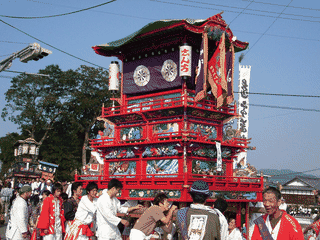

Saijo
Japan33.91°N 133.19°E
Overview
Matsuyama combines Dōgo Onsen, a hilltop castle, literary history, and a relaxed Shikoku city rhythm. It is also a useful base for citrus-rich local food, Uchiko's merchant streets, and mountain trips toward Ishizuchi.
Languages: Japanese
Why Go
Matsuyama is the homely capital of Ehime prefecture and the largest city on Shikoku island, offering a provincial yet hospitable atmosphere. The city is famous for Dōgo Onsen, Japan's oldest hot spring with a 3,000-year history, and its strong literary heritage tied to novelist Natsume Sōseki and haiku master Masaoka Shiki. The city combines historic castles, cultural museums, and traditional bathhouses with a relaxed pace absent from Japan's larger cities.
Adapted from Wikivoyage contributors · CC BY-SA 4.0
Getting In
Matsuyama Airport offers nonstop flights from major airports including Tokyo Haneda, Nagoya Komaki, Osaka Itami, Fukuoka, Okinawa, Seoul, and Shanghai. JR Matsuyama Station provides rail connections, while ferries depart from Matsuyama Kankoko port. From JR Matsuyama Station, take the Iyotetsu Limousine Bus to the ferry terminal (20 minutes, ¥450) or from Dōgo Onsen tram station (40 minutes, ¥600).
Adapted from Wikivoyage contributors · CC BY-SA 4.0
Get Around
The city center is walkable at a comfortable pace. For extended stays or transportation costs exceeding ¥2000, purchase an IC Card at Shieki station for 10% discounts on all Iyotetsu transportation including taxis. The Iyotetsu railway operates outer city commuter trains (¥150-500) running from Yokogawara to Takahama every 15 minutes. Local trams and buses converge at Matsuyama-shi Station (Shieki).
Adapted from Wikivoyage contributors · CC BY-SA 4.0
When To Go
Matsuyama has a mild, temperate climate with hot summers (July-August) and cold but rarely freezing winters (January-February). Most rainfall occurs in late spring. Dōgo Onsen is enjoyable year-round. Mid-March through April brings hanami (cherry blossom viewing) at Dōgo Park, when the peaceful green space fills with locals celebrating sakura. The city celebrates its literary connections through various events and displays throughout the year.
Adapted from Wikivoyage contributors · CC BY-SA 4.0
Where To Stay
Accommodation ranges from budget hostels to luxury ryokan. Guest House Matsuyama near Okaido offers rooms from ¥2000-2500 with shared facilities and English-speaking staff. Eco Dōgo near the hot springs costs ¥2200-2500. For mid-range options, Hotel Taihei near the castle offers singles from ¥5000 with onsen and observatory. Top-end ryokan like Funaya near Dōgo Onsen start from ¥20,000 with meals included.
Adapted from Wikivoyage contributors · CC BY-SA 4.0
Food And Drink
Matsuyama excels for sweet treats: Botchan dango (rice dumplings in bean paste) are found in every sweet shop, while local tarts (taruto) replace jam with azuki bean paste. Citrus fruits including iyokan, dekopon, and mikan (mandarin oranges, cheapest in fall) are local specialties. The Okaido Arcade area is the main drinking district for bar crawls. Dōgo Brewery produces local beers including Sōseki Stout, Madonna Alt, and Botchan Kölsch. Restaurants like Goshiki Honten serve regional Ehime cuisine including taimeshi and five-colored noodles.
Adapted from Wikivoyage contributors · CC BY-SA 4.0
Things To Do
Matsuyama Castle (¥500 adults, ¥150 children), one of Japan's three remaining flat hilltop castles, sits atop 130-m-tall Katsuyama Hill with ropeway access (¥500 roundtrip). Dōgo Onsen Honkan offers baths from ¥400-1500 depending on tier. Literary museums include the Saka no Ue no Kumo Museum (¥400) designed by Tadao Ando, and Shiki Commemorative Museum (¥400). The Akiyama Brothers Birthplace (¥200) tells the story of military heroes from Matsuyama. Dōgo Park offers free 24-hour access and spring cherry blossoms.
Adapted from Wikivoyage contributors · CC BY-SA 4.0
Connectivity
Free English volunteer guides are available through matsuyamacamellia@gmail.com. The Ehime Prefectural Information Center (EPIC) at 1-1 Dogo Ichiman offers internet access, study rooms, and bike rentals (M-Sa 08:30-17:00). Tourist information desks are at the ferry terminal and Dōgo Onsen. The Matsuyama Convention and Visitors Bureau is located at Okaido.
Adapted from Wikivoyage contributors · CC BY-SA 4.0
Safety
Matsuyama is a safe city, even by Japanese standards. Theft has never been an issue at Dōgo Onsen, but coin lockers (¥100) are available for valuables. Standard urban precautions apply.
Adapted from Wikivoyage contributors · CC BY-SA 4.0
Buy
The Yunomachi shopping corridor near Dōgo Onsen offers tourist souvenirs including Iyo Kasuri cloth (traditional thread-dyed indigo textiles now in vibrant colors) and Tobe pottery (220+ year history, National Traditional Craft). The Gentengai Arcade near Shieki has contemporary and eclectic items. Animate anime shop is in the downtown area.
Adapted from Wikivoyage contributors · CC BY-SA 4.0
Day Trips
Mount Ishizuchi, the highest peak in western Japan, is accessible from Matsuyama. Uchiko offers a traditional merchant town with Kabuki theatre and wax factory museum. Uchiko is about 1 hour from Matsuyama on the JR Yosan Line. Uwajima features bull sumo, 3 hours south on the JR Yosan Line.
Adapted from Wikivoyage contributors · CC BY-SA 4.0
Go Next
From Matsuyama, explore Uchiko (traditional merchant town), Uwajima (bull sumo), Ikata (mountainous), Niihama (industrious), and Imabari (connected to mainland for vehicles). The Iya Valley, a couple hours away in central Shikoku, features famous vine bridges and isolated mountain culture. Takamatsu lies on the opposite side of the island, accessible by train.
Adapted from Wikivoyage contributors · CC BY-SA 4.0
Field guide adapted from Wikivoyage contributors · CC BY-SA 4.0. Text has been adapted and organized for this guide. About our sources.
Places to know
A few starting points from the guide. Check current hours and prices before you go.
- eat
Dōgo Bakushukan
One of the only two restaurants privileged with having Dōgo Beer on the menu, Bakushukan is to the right of Dōgo Onsen Honkan and has a warm, semi-German theme.
Recorded price: ¥1000-2000
Adapted from Wikivoyage contributors
- eat
Goshiki Honten
This restaurant is a fantastic place to experience Ehime cuisine, serving dishes such as taimeshi (fish) and goshiki soumen (五色そうめん), five-colored noodles dyed using natural ingredients: eggs, green tea, buckwheat flour, plums and shiso. Thin yet strong, these noodles make an excellent base for other regional fare.
Recorded price: ¥1600-5000
Adapted from Wikivoyage contributors
- eat
Ladky's
There are two locations, but this is the original. Ladky's serves up the best Indian food in town. Spice potency varies with the chef's mood, so choose wisely.. or order the pudding to soothe the fire.
Recorded price: Lunch: ¥1000-2000; Dinner: ¥1500-2500, Course: ¥2900
Adapted from Wikivoyage contributors
- eat
Matsuchika Town
Underground shopping arcade, opened in 1971.
Recorded price: ¥300-700
Adapted from Wikivoyage contributors
- eat
Nikitatsu-an
A romantic and sophisticated Japanese brasserie, and the other of the two restaurants with the honor of serving Dōgo Beer. It's next door to the brewery, in fact.
Recorded price: Lunch ¥1000-4000, dinner ¥3000-5000
Adapted from Wikivoyage contributors
- eat
Underground Café
One of the best kept secrets among night spots. UC has an open patio draped in the Union Jack, yet has the tastiest Mexican dishes in town. Try the quesadilla or enchilada, but don't bother with the nachos. They also serve a wide variety of highballs (¥525+), exotic beers (Sol, Pine, and Red Stripe), pasta and rice dishes (¥420+). Pictures of all dishes are available, and for ¥3000, a party of three can drink as much as they want and get a seven course meal.
Adapted from Wikivoyage contributors
- see
Akiyama Brothers Birthplace
Born to a lower class branch of the Matsuyama samurai clan, these two brothers became military heroes of Japan. Yoshifuru, the eldest, is credited as the father of the Japanese cavalry, while Saneyuki excelled in naval tactics. Yoshifuru traveled to France to study cavalry techniques in 1887. After serving in the Sino-Japanese War (1894-1895) he established a cavalry division which debuted in the Russo-Japanese War (1904-1905). After holding numerous posts of prestige, he was promoted to General in 1916 and finally retired to become a junior high school principal in Matsuyama. A childhood friend of Shiki, Saneyuki shared his friend's love of the written word, and the two studied literature at Tokyo University. However, at the behest of his brother, Saneyuki set out on a military career. He was sent to America to study naval tactics, and had on-the-job training during the Spanish-American War (1898). After returning to Japan, he became the foremost strategist of the Russo-Japanese War, leading to a major victory at the battle of Tsushima.
Recorded price: ¥200
Adapted from Wikivoyage contributors
- see
Bansuiso
This French-style building was constructed in 1922 for the former lord of Matsuyama Castle, Hisamatsu Sadakoto (久松定謨). After having lived and studied in France, Hisamatsu became enamored with the romantic architectural style, and hired Kigo Shichirō (木子七郎) to build his villa. This Taishō Era estate was the venue of many parties for the elite in its heyday, and the Emperor made it a point to visit whenever he was in the area. It is boused as an annex of the Museum of Art. The first floor's gallery changes throughout the year and is free, while the collection on the second floor showcases ink paintings by Shiki, Sōseki, and other Ehime residents.
Recorded price: ¥100 adults, ¥50 children
Adapted from Wikivoyage contributors
Before you go
Connectivity
Free English volunteer guides available via matsuyamacamellia@gmail.com. EPIC offers internet access and bike rentals.
Culture
Matsuyama celebrates its literary heritage tied to Natsume Sōseki's Botchan and haiku master Masaoka Shiki, a native son.
Food
Try Botchan dango skewered rice dumplings, local tarts (taruto), and seasonal citrus fruits including mikan in fall.
Money
Japan is largely cash-based in Matsuyama. Convenience stores and larger establishments accept cards, but carry yen for temples, markets, and small restaurants.
Safety
Very safe city even by Japanese standards. Coin lockers (¥100) available at Dōgo Onsen for valuables.
Transport
IC Cards at Shieki station give 10% discounts on all Iyotetsu transportation including taxis. Outer city trains run ¥150-500 every 15 minutes.
Weather
Hottest in July-August, coldest January-February with temperatures rarely below freezing. Most rainfall in late spring.