
Sapporo
East Asia · Japan
Did you know?
- Miso ramen, soup curry, hairy crab, and Hokkaido dairy anchor the local menu.
- Downtown streets are smoke-free, with fines possible for public smoking.
- About six meters of snow falls annually—three times Montreal's amount.
See also
Niseko
Japan42.80°N 140.69°E
Overview
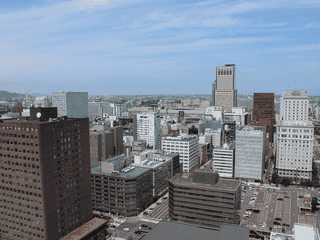
Sapporo is Hokkaido's northern capital, with tree-lined boulevards and strong snow infrastructure. Cool summer strolls and long winter conditions give the city two distinct travel moods.
Languages: Japanese
Why go?
Sapporo is the capital and largest city of Hokkaido, Japan's northernmost main island. One of Japan's newest and most orderly cities, it features lovely tree-lined boulevards perfect for summer strolls and excellent snow infrastructure for the long winter months. The city has grown from just seven residents in 1857 to nearly 2 million today. Unlike many Japanese cities, Sapporo follows a strict grid system, making navigation straightforward for visitors.
Adapted from Wikivoyage contributors · CC BY-SA 4.0
Climate
Sapporo experiences four distinct seasons. Summers are cool and pleasant, making it popular for escaping the heat that grips much of Japan—sunrise can be as early as 03:55 in summer. Winters are harsh by Japanese standards, with about 6 meters of snowfall annually (three times more than Montreal), and the sun sets as early as 16:00. The city hosts the world-renowned Sapporo Snow Festival every February, featuring ice sculptures from around the globe.
Adapted from Wikivoyage contributors · CC BY-SA 4.0
Getting in
Sapporo is Hokkaido's main transport hub. The smaller and more centrally located Okadama Airport handles regional flights via Hokkaido Air System ATR 42 propeller aircraft to six airports including Hakodate and Kushiro, plus seasonal service to Niigata and Nagoya. JR Sapporo Station serves as the main railway hub for the island.
Adapted from Wikivoyage contributors · CC BY-SA 4.0
Getting around
Sapporo's grid system makes navigation straightforward. The main thoroughfare Ō-Dōri runs east-west, dividing the city into North and South, while Sōsei-Gawa divides it into West and East. Addresses follow the pattern 'North X West Y'. Two public transportation smart cards are available: JR Hokkaido's Kitaca (usable on buses, subway, streetcars, and JR trains) and the city-run SAPICA (not usable on JR). Major smart cards from other regions like Suica and PASMO are fully interchangeable with Kitaca.
Adapted from Wikivoyage contributors · CC BY-SA 4.0
Where to stay
Budget travelers can stay at Ino's Place (dorm beds ¥2900) in Shiroishi-ku, a 15-minute ride from Susukino, or DK House Sapporo (¥45,000/month for cheap rooms with fridge and AC). Midrange options include Hotel Sapporo Mets (singles from ¥4,580, doubles ¥7,200, often ¥3,000 in off-season) near Kita 18-jo subway, and Comfort Hotel Sapporo near Susukino. The Sapporo Grand Hotel, built in 1934, offers historic character with western-style rooms.
Adapted from Wikivoyage contributors · CC BY-SA 4.0
Food and drink
Sapporo is famous for hairy crab (kegani), an expensive treat at seafood restaurants, and miso ramen—one of Japan's top three ramen styles. Soup curry (a hearty curry broth with vegetables and chicken leg) is another local specialty. Hokkaido is renowned for dairy products (milk, cheese, butter, ice cream), fresh sushi, honeydew melon, and beef. Popular food areas include Nijō Ichiba market (sushi from 07:00-18:00), Ramen Yokochō alley near Susukino Station, and Soup Curry Garaku where spice levels range from 1-40.
Adapted from Wikivoyage contributors · CC BY-SA 4.0
Things to do
Major attractions include the Clock Tower (¥200), Sapporo TV Tower (¥700) at the eastern end of Ōdōri Park, and JR Tower Observatory (adults ¥700) near the station with panoramic views. The Sapporo Beer Museum offers beer samples (¥300-350) and 3-sample tastings for ¥800, with free self-guided tours. Shiroi Koibito Park (¥600 tour) showcases the famous white chocolate factory. For nature, Moiwayama mountain offers city views at night, while Hokkaido Pioneer Village (¥630) recreates 19th-century Japan.
Adapted from Wikivoyage contributors · CC BY-SA 4.0
When to go
The best time to visit depends on interests. Winter (December-February) brings heavy snow and the famous Sapporo Snow Festival in early February with ice sculptures lit up at night. Summer (June-August) offers cool temperatures ideal for escaping Japan's heat. Autumn brings stunning foliage, particularly beautiful around Jōzankei (accessible by public bus from JR Sapporo for ¥830 one-way). Book accommodations early for February's Snow Festival as the city fills completely.
Adapted from Wikivoyage contributors · CC BY-SA 4.0
Safety
Sapporo is generally very safe. Downtown Sapporo is a smoke-free area—smoking on public streets and in public buildings can result in fines. Cigarette vending machines require TASPO ID cards (free but require a Japanese address and several weeks to receive). Susukino, the nightlife district south of center, has a somewhat unsavory reputation due to yakuza involvement but remains safe for regular travelers.
Adapted from Wikivoyage contributors · CC BY-SA 4.0
Connectivity
Traveler SIM cards are available at BIC Camera stores, including the ground floor of Esta Mall in the east wing of Sapporo JR Station. The cheapest option is a 30-day/1GB data-only SIM card for ¥2,460. Bring your passport when purchasing. Free WiFi is available at Tully's Coffee on the 6th floor of Stellar Plaza Central attached to JR Sapporo Station. 24-hour internet cafes like i-cafe (North 5 West 5) offer additional connectivity options.
Adapted from Wikivoyage contributors · CC BY-SA 4.0
Etiquette
Tipping is not customary in Sapporo—excellent service is the norm and service charges are often included in bills. Downtown Sapporo is smoke-free, so use designated smoking areas in cafes. Respect the no-smoking regulations which are enforced by police.
Adapted from Wikivoyage contributors · CC BY-SA 4.0
Day trips
Otaru, approximately 60 minutes by car (shorter via expressway), offers a European-style canal, seafood, music box museum, and glass works—it was also the setting for the movie Love Letter. Asahikawa's Asahiyama Zoo, Japan's most visited, is 2 hours by train and features penguins walking around the park twice daily. Jōzankei hot springs and mossy canyons of Shikotsu-Toya National Park are within easy reach. Niseko for skiing is 2 hours away by bus.
Adapted from Wikivoyage contributors · CC BY-SA 4.0
Go next
From Sapporo, Otaru lies to the west along the coast. Asahikawa is the main northern route via Iwamizawa. Hakodate is the southern terminus accessible via Otaru. Shikotsu-Toya National Park and Muroran are reachable via expressway. For ski enthusiasts, Niseko (2 hours by bus) offers Japan's best powder snow, while Kutchan provides additional resort options.
Adapted from Wikivoyage contributors · CC BY-SA 4.0
Field guide adapted from Wikivoyage contributors · CC BY-SA 4.0. Text has been adapted and organized for this guide. About our sources.
Places to know
A few starting points from the guide. Check current hours and prices before you go.
- sleep
Auto Resort Takino
From approximately the last week of April through the first week of November, there is a campground in Takino with the facilities you would expect in a suburban campground: a playground, restrooms, a cooking area, water, public phones, vending machines, showers, a store, and a laundromat. According to Outdoor Japan, "There are some beautiful waterfalls to hike around in Takino Suzuran Koen and the campsite is large and comfortable.".
Recorded price: ¥1000 per site, plus ¥800 per person
Adapted from Wikivoyage contributors
- sleep
Comfort Hotel Sapporo
Midrange western-style rooms with bathroom. There is a computer with internet for use in the lobby.
Adapted from Wikivoyage contributors
- sleep
DK House Sapporo
A guest house where many international students stay. Service is friendly and it's only 15 minutes from Susukino.
Recorded price: Cheap rooms with fridge and AC for ¥45,000/month, en-suites for ¥55,000/month
Adapted from Wikivoyage contributors
- sleep
HOTEL MSTAYS Sapporo Nakajima Park
Small business hotel with good breakfast.
Adapted from Wikivoyage contributors
- sleep
Hotel Sapporo Mets
A nice hotel with reasonable prices. The hallway carpets have some light stains, but the rooms are clean, and have a bathroom and a fridge. The breakfast buffet is included with stay.
Recorded price: Singles ¥4,580, doubles ¥7,200 but in the off season it can be as little as ¥3000 per night
Adapted from Wikivoyage contributors
- sleep
Ino's Place
Describes itself as a backpackers hostel and is a very friendly, open and clean place. Private rooms are available as well, as are discounts for long-term stays. Several 24-hr showers and a Japanese-style bath, free to use kitchen, a comfy living area and free internet access make this one a sure winner.
Recorded price: Dorm beds ¥2900
Adapted from Wikivoyage contributors
- sleep
Sapporo Grand Hotel
This hotel was built in 1934 and is a historical monument in itself. Although some of the rooms are rather aged, it is a stylish hotel.
Adapted from Wikivoyage contributors
- sleep
Toyoko Inn Sapporo Susukino South
A reliable business hotel. This is a subway ride (or long walk) from the train station, so it doesn't fill up as quickly as the other Sapporo branches.
Adapted from Wikivoyage contributors
Before you go
Connectivity
SIM cards available at BIC Camera (1GB/30 days for ¥2,460). Free WiFi at major stations and cafes. Bring passport for SIM purchase.
Culture
Sapporo is a modern city with western influences. Tipping is not expected. The city follows strict no-smoking laws in public areas. Service standards are high.
Food
Must-try dishes include miso ramen, hairy crab (kegani), soup curry, and fresh Hokkaido dairy products. Food markets like Nijō Ichiba offer excellent sushi from ¥1,000.
Money
Japan is predominantly cash-based, though credit cards are accepted at hotels, larger restaurants, and shops. Tipping is not customary. Budget approximately ¥3,000-5,000/day for basic expenses.
Packing
Winter requires heavy cold-weather gear and waterproof boots. Summer needs light layers. Always carry cash as many smaller establishments don't accept cards.
Safety
Very safe city overall. Downtown is smoke-free—violations can result in fines. Susukino nightlife district has yakuza presence but is safe for regular tourists.
Transport
Get around using the subway system or buses. The Kitaca smart card works on all public transit and is interchangeable with Suica/PASMO from other regions. Sapporo's grid system makes navigation straightforward.
Weather
Winters are extremely snowy (6 meters annually) with short daylight hours. Summers are cool and pleasant. February's Snow Festival draws massive crowds—book accommodation months in advance.