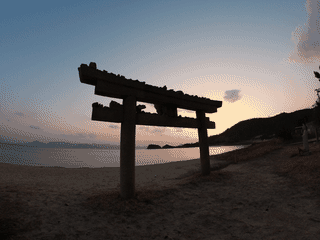

Naoshima
East Asia · Japan
Did you know?
- A ferry from Uno takes about 20 minutes; from Takamatsu, about 35 minutes.
- Warm greetings to elderly residents are part of the island's local etiquette.
- The underground Chichu Art Museum presents Monet, Walter de Maria, and James Turrell.
See also
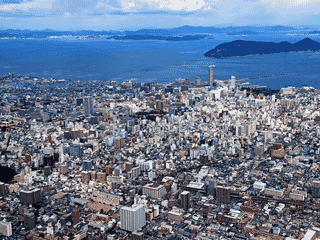

Takamatsu
Japan34.35°N 134.05°E
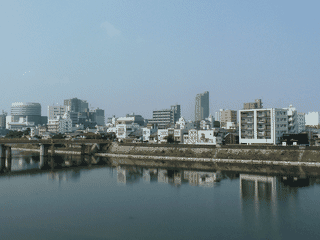

Okayama
Japan34.66°N 133.92°E
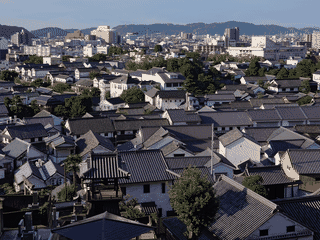

Kurashiki
Japan34.58°N 133.77°E
Overview
Naoshima is a small Seto Inland Sea island where Andō-designed museums, contemporary art, beaches, and village life share a compact setting. Ferries, bicycles, and a few steep hills shape the rhythm, while nearby Teshima and Shōdoshima extend the art-island circuit.
Languages: Japanese
Why Go?
Naoshima is a tiny island in the Seto Inland Sea with a population of about 3,000 people, yet it draws art lovers worldwide thanks to museums designed by Tadao Ando and works by artists like Claude Monet, James Turrell, and Andy Warhol. The island combines world-class indoor galleries with outdoor art installations scattered across rice fields and coastline, including the iconic giant red gourd near Miyanoura port and a giant yellow gourd at a southern pier. Unlike major tourist destinations, Naoshima maintains a sleepy village atmosphere with traditional wooden houses, quiet roads, and elderly residents who appreciate warm greetings from visitors. The island is administratively part of Kagawa Prefecture in Shikoku, though geographically closer to Honshu.
Adapted from Wikivoyage contributors · CC BY-SA 4.0
Getting In
Naoshima is reached by ferry from Uno Port in Tamano on Honshu (20 minutes) or from Takamatsu (35 minutes) on Shikoku. The main arrival point is Miyanoura Port on the west side, which has 56 lockers for luggage storage, free WiFi, and bilingual maps available at the Marine Station Naoshima. Honmura Port on the east side only receives small passenger boats. Ferries run frequently; check schedules in advance as service frequency varies by season.
Adapted from Wikivoyage contributors · CC BY-SA 4.0
Getting Around
The island is small enough to explore on foot or by bicycle, though some steep hills make cycling challenging. Bicycle rental is available at several locations including Café Ougiya and Guesthouse & Okonomiyaki Umikko (¥500/day). A town bus connects Miyanoura Port to Honmura and Benesse House area. A free courtesy shuttle bus runs between the port and Benesse-area museums. Detailed bilingual maps are available at Marine Station Naoshima in front of Miyanoura ferry quay, listing guesthouses, restaurants, and major exhibits.
Adapted from Wikivoyage contributors · CC BY-SA 4.0
When to Go
Avoid visiting on Mondays when most museums and attractions are closed. Spring (cherry blossom season) and autumn offer pleasant weather and beautiful scenery, though these are also the busiest periods. Summer brings swimmers to Gotanji Beach (July-August only, no lifeguards), but the island can feel crowded. Many guesthouses require advance booking, especially for weekend stays, and many establishments do not have online booking or English-speaking staff. Winter sees fewer visitors, making it easier to secure accommodation and appreciate the museums in quieter conditions.
Adapted from Wikivoyage contributors · CC BY-SA 4.0
Where to Stay
Budget accommodation ranges from ¥2,500-4,400/night for dormitory beds at places like Naoshima Backpackers Guest House (near Honmura Port), Dormitory Kowloon (¥2,900-3,500, behind Miyanoura port snack bar), and Little Plum Cafe & Guesthouse (¥3,000). Ryokan-style lodging includes Shioya Ryokan (¥6,900/person with breakfast and dinner, advance phone reservations required in Japanese) and Oyajino Umi (¥4,200-4,700 room or with breakfast). For splurging, Benesse House offers rooms from ¥30,000-100,000 with individually designed art-filled rooms designed by Tadao Ando, with advance booking essential months ahead for weekends in spring/autumn. Western-style accommodation is also available across the sea near Uno Port in Tamano.
Adapted from Wikivoyage contributors · CC BY-SA 4.0
Food and Drink
Miyanoura has a 7-Eleven convenience store and two Co-op supermarkets. Cafes cluster near the Ando Museum including Konichiwa Cafe (mains ¥700, coffee/beer ¥500), Naka-Oku (mains ¥400-700), and Café Saya for green tea lattes and tsukune-don. Self-service udon is available at Kinosaki Udon Naoshima (F-W 10:00-17:00). For vegetarian options, Aisunao means "Brown Rice Hearty Eatery" near the Ando Museum. Seafood-focused dining includes New Olympia (¥2,000-10,000, best quality outside Benesse House, tempura recommended). Little Plum Naoshima serves pizza (¥800-900) and local beer (¥500-600). Most shops close in early evening, and many are closed Sundays and Mondays.
Adapted from Wikivoyage contributors · CC BY-SA 4.0
Things to Do
The Chichu Art Museum (¥2,060) is entirely underground with only five exhibits: Monet paintings, Walter de Maria wooden sculptures, and three James Turrell light installations best appreciated early before crowds. The Benesse House Museum (¥1,030, daily 08:00-21:00) displays Warhol, Richard Long, and Bruce Nauman works in a Tadao Ando building with outdoor sculptures nearby. The Ando Museum (¥510) showcases the architect's work. The Art House Project (¥410 single house, ¥1,030 for six houses) converts seven vacant houses into art installations in Honmura, including Minamidera (James Turrell's "Backside of the Moon"), Kadoya (Tatsuo Miyajima's LED "Sea of Time"), and Go'o Shrine (Hiroshi Sugimoto). Kinza (¥510) requires advance online reservation. The Naoshima Bath House I Love Yu (adults ¥510, Tu-F 14:00-21:00, Sa Su 10:00-21:00) is a functioning public bath designed as an art installation by Shinro Ohtake.
Adapted from Wikivoyage contributors · CC BY-SA 4.0
Safety
Naoshima is generally very safe with low crime. The island has an extensive aged population, and visitors are asked to be considerate and greet elderly residents warmly when passing them. Gotanji Beach has no lifeguards and is open only in July and August. Security at Mitsubishi Materials industrial facilities (which offer tours in Japanese only with advance booking) is strict. Luggage storage lockers (56 of various sizes) are available at Miyanoura Port.
Adapted from Wikivoyage contributors · CC BY-SA 4.0
Connectivity
Free WiFi is available at Miyanoura Port terminal (Marine Station Naoshima) and free internet access on two computers from 08:30-18:00. Some accommodation options and cafes offer WiFi, but many do not. Japan uses Type A and B power plugs (100V, 50/60Hz). SIM cards and mobile data are available from Japanese carriers for longer stays.
Adapted from Wikivoyage contributors · CC BY-SA 4.0
Budget
A backpacker can expect to spend ¥5,000-8,000/day including dormitory accommodation (¥2,500-4,000), meals (¥1,500-3,000 for breakfast, lunch, dinner at cafes and udon shops), and ferry transport (¥1,000-2,000 round trip). Museum entry for one day (Chichu ¥2,060 + Benesse House ¥1,030) costs about ¥3,090. Bicycle rental adds ¥500/day. Credit cards are accepted at museums but many shops and restaurants are cash-only. ATMs are available at banks and convenience stores including 7-Eleven in Miyanoura.
Adapted from Wikivoyage contributors · CC BY-SA 4.0
Day Trips
The Seto Inland Sea has several islands reachable by ferry from Naoshima. Teshima island is famous for its art installations and the Teshima Art Museum. Shodoshima is known for olive groves and theOlive Knit microbrewery. Tamano city across the strait offers Western-style accommodation near Uno Port. Okayama and Takamatsu on the mainland make for longer day trips with Shikoku's biggest city Takamatsu featuring the Ritsurin Garden.
Adapted from Wikivoyage contributors · CC BY-SA 4.0
Etiquette
Greet elderly residents warmly as you pass them on the island's quiet roads and paths. Many older locals do not speak English, so pointing at menus or using translation apps helps. Remove shoes when entering traditional guesthouses and ryokan. When visiting shrines like Go'o Shrine, follow standard Japanese shrine etiquette including a brief bow at the torii gate. Photography restrictions apply inside some museums; check before taking photos.
Adapted from Wikivoyage contributors · CC BY-SA 4.0
Go Next
From Naoshima, ferry services connect to Teshima and Shodoshima islands for art-focused day trips. Uno Port in Tamano provides access to Okayama (gateway to Kurashiki and Hiroshima) via the Seto Ohashi bridge. Takamatsu on Shikoku is reachable by ferry in 35 minutes, offering access to Ritsurin Garden, the Kotohira-gu shrine, and ferries to Shodoshima. Tamano city itself has Western-style hotels near the port for those preferring mainland accommodation.
Adapted from Wikivoyage contributors · CC BY-SA 4.0
Field guide adapted from Wikivoyage contributors · CC BY-SA 4.0. Text has been adapted and organized for this guide. About our sources.
Places to know
A few starting points from the guide. Check current hours and prices before you go.
- eat
Aisunao
Literally "Brown Rice Hearty Eatery". Vegetarian restaurant.
Adapted from Wikivoyage contributors
- eat
Apron Cafe
Cafe with a couch and colorful stools.
Adapted from Wikivoyage contributors
- eat
BOO
Shaved ice for take out
Adapted from Wikivoyage contributors
- eat
Benesse House Museum Cafe
Recorded price: Coffee ¥550; beer ¥800, pasta ¥1,250
Adapted from Wikivoyage contributors
- eat
Cafe Ippo
Can prepare vegan food.
Recorded price: Breakfast ¥600; lunch ¥1,000
Adapted from Wikivoyage contributors
- eat
Cafe restaurant "Garden"
Adapted from Wikivoyage contributors
- eat
Café Ougiya
Japanese food railway-style, one of tenants in the ferry terminal. Standard udon, curry & rice, etc. Bicycle rental is available.
Adapted from Wikivoyage contributors
- eat
Café Saya
This charming place is attached to the rear of a house. Café Saya serves excellent green tea lattes and sweets. They also serve tsukune-don (a ground-chicken patty on top of rice), Saya men (beef on top of noodles), etc.
Adapted from Wikivoyage contributors
Before you go
Accommodation
Book ahead especially for weekends; many places lack online booking or English staff. Dorm beds from ¥2,500; ryokan from ¥6,900 with meals.
Connectivity
Free WiFi and computers at Miyanoura Port terminal. Some cafes and accommodation offer WiFi but many do not. Japan uses Type A/B plugs (100V).
Etiquette
Greet elderly residents warmly; the island has an extensive aged population. Remove shoes in traditional accommodations. Follow shrine etiquette.
Money
ATMs available at banks and 7-Eleven in Miyanoura. Credit cards accepted at museums but most shops and restaurants are cash-only. Budget ¥5,000-8,000/day.
Transport
Ferry from Uno Port (Tamano, 20 min) or Takamatsu (35 min). Town bus and courtesy shuttle connect port to museums. Bicycle rental ¥500/day.
Weather
Spring and autumn best for weather and scenery. Summer for beach. Winter sees fewest crowds. Avoid Mondays when museums close.