Nagoya
East Asia · Japan
Did you know?
- Red miso can ferment for two years, giving it a stronger taste than white miso.
- Atsuta Shrine hosts 70 festivals yearly and holds 4,400 artifacts.
- The castle roofline features golden carp known as kin-no-shachi.
See also
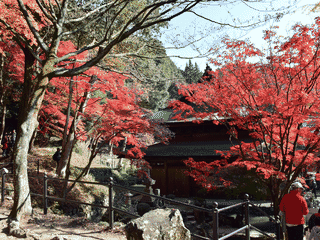

Seto
Japan35.22°N 137.08°E
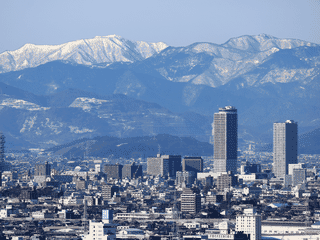

Gifu
Japan35.42°N 136.77°E
Overview
Nagoya is Japan's automotive heartland and a major economic center in Chubu. Its postwar rebuilding explains a city where modern architecture and historic sites stand together.
Languages: Japanese
Why Go?
Nagoya is Japan's fourth-largest city and its automotive heartland—home to Toyota, Honda, and Mitsubishi—but tourists often skip it en route between Tokyo and Kyoto. Those who linger find a restored castle with golden carp, the ancient Atsuta Shrine housing a sacred imperial sword, surprisingly happening nightlife in Sakae, and distinctive regional cuisine built around red miso. It's a transit hub that rewards overnight stays with fewer crowds and lower prices than major tourist destinations.
Adapted from Wikivoyage contributors · CC BY-SA 4.0
Understand
Nagoya is the hub of Aichi prefecture in Japan's Chubu region on Honshu. Known as Japan's Detroit, it's one of the nation's major economic centers built around auto manufacturing giants Toyota, Honda, and Mitsubishi. The city was completely flattened during World War II and rebuilt, explaining its mix of modern architecture and historic sites.
Adapted from Wikivoyage contributors · CC BY-SA 4.0
When to Go
Nagoya experiences extreme seasonal variation: winters drop to around 4°C in January while summers regularly exceed 30°C with high humidity in August. Spring (March-May) and autumn (September-November) offer milder temperatures ideal for sightseeing. Summer brings the famous Nagaragawa fireworks and Nagoya Castle Summer Night Festival. The Osu Summer Festival features Brazilian samba and cosplay parades. Winter is quiet but cold. Heat-averse travelers should avoid July-August.
Adapted from Wikivoyage contributors · CC BY-SA 4.0
Getting In
Chubu Centrair International Airport (NGO), Japan's third major international gateway, sits on an artificial island 30 minutes south of downtown. It features two hotels, restaurants, shopping, and an onsen spa overlooking runways. Domestic Nagoya/Komaki Airport (NKM) to the north serves regional flights by Fuji Dream Airline. Nagoya Station is the confluence of all major train lines and long-distance buses, including JR, Meitetsu, and Kintetsu. Taiheiyo Ferry offers overnight car ferries from Sendai (21h 40m) and Tomakomai in Hokkaido (40h).
Adapted from Wikivoyage contributors · CC BY-SA 4.0
Getting Around
Nagoya's automotive heritage shows in its extensive street network—downtown is easily reached by car. However, trains and subways are less convenient than in Tokyo or Kansai, and notably more expensive. JR Rail Pass holders may find themselves using buses or subways frequently since these aren't covered. The city ordinance requires standing still on escalators; walking or running is prohibited. The Nagoya Sightseeing Bus Me-Guru offers hop-on-hop-off service past major attractions for ¥500/day.
Adapted from Wikivoyage contributors · CC BY-SA 4.0
Where to Stay
Budget travelers can stay at Kyoya Ryokan near JR Nagoya station (dorms from ¥2500) with garden and onsen-style bath. The Toyoko Inn chain operates six locations across Nagoya (singles ¥5800-6300) with reliable, no-frills rooms. For capsule hotels, Sauna and Capsule Fuji Sakae (¥3200) offers spa facilities in the Sakae district but only accepts males with no tattoos. Business hotels cluster near Nagoya Station and Sakae, with APA Hotel Nagoya Nishiki (¥9800/single) in the dining and shopping district. Longer-term visitors can check Freebell Apartments for furnished monthly rentals.
Adapted from Wikivoyage contributors · CC BY-SA 4.0
Food and Drink
Nagoya's cuisine revolves around red miso (akamiso), fermented up to two years for a stronger taste than white miso, with Hatchō miso being particularly famous. Signature dishes include misokatsu (fried pork cutlet with rich miso sauce, ¥1200-1800 at Yabaton), hitsumabushi (eel over rice eaten three ways), tebasaki (sweet-sauced fried chicken wings at izakaya chain Yama-chan), kishimen (flat udon noodles), tenmusu (shrimp tempura rice balls), and ankake spaghetti (tomato-based sauce with black pepper). For quick meals, Café de Metro near Kanayama Station serves decent misokatsu donburi from ¥480. Nightlife centers on Sakae (triangle of Sakae, Yaba-cho, Osu Kannon stations), with countless izakayas around Kanayama station.
Adapted from Wikivoyage contributors · CC BY-SA 4.0
Things to Do
Nagoya Castle features iconic golden carp (kin-no-shachi) on the roof and was home to Oda Nobunaga; the main palace (honmaru goten) was reconstructed in 2018 (adults ¥500). Atsuta Shrine houses one of Japan's three Imperial regalia (the sacred Kusanagi sword, not visible to public) among 4,400 artifacts and hosts 70 festivals yearly. The Toyota Commemorative Museum of Industry and Technology (¥1000 adults) traces the company's origins from looms to cars with English audioguides. For trains, the SCMAGLEV and Railway Park showcases Japan's high-speed rail evolution. The Port of Nagoya Aquarium features killer whales (¥2000 adults). Nature lovers can jog around Meijo Park or visit Higashiyama Park with zoo, conservatory, and roller coasters.
Adapted from Wikivoyage contributors · CC BY-SA 4.0
Go Next
Inuyama (30 min by Meitetsu express) offers a picturesque castle, fertility shrines, and nearby Meiji Village. Gifu, accessible by bus then cable car, features Gifu Castle and cormorant fishing on the Nagaragawa. Nagakute hosts Ghibli Park and the Toyota Museum from Expo 2005. Tokoname, the first express stop from Nagoya airport, is a 9th-century ceramic center with pottery shops in old brick furnaces. Okazaki has a castle and miso factory. Ise, home to Japan's holiest shrine, is within striking distance. Hida-Takayama preserves Edo-era atmosphere, while the Kiso Valley offers hiking on the historic Nakasendo post road.
Adapted from Wikivoyage contributors · CC BY-SA 4.0
Budget
Backpackers can manage on ¥4000-6000/day excluding accommodation: street food meals ¥500-1000, local restaurant dinners ¥1000-2000, subway/bus rides ¥200-500, attraction entry ¥300-1000. The Me-Guru sightseeing bus daypass (¥500) offers good value. Budget hotels (¥5800-6500 singles) or hostels (¥2500 dorms) form the main accommodation cost. JR Pass doesn't cover Nagoya's subway and buses well.
Adapted from Wikivoyage contributors · CC BY-SA 4.0
Safety
Nagoya maintains Japan's reputation for safety—no special concerns for solo travelers wandering the nightlife districts at night. Escalator etiquette requires standing still; walking or running is prohibited by city ordinance. Standard urban precautions apply regarding petty theft and scams.
Adapted from Wikivoyage contributors · CC BY-SA 4.0
Connectivity
Japan uses Type A and B power plugs (two flat parallel pins or one round + one flat). Free Wi-Fi is available at the Toyota Commemorative Museum. Major carriers offer SIM cards and pocket Wi-Fi rentals at airports and convenience stores.
Adapted from Wikivoyage contributors · CC BY-SA 4.0
Field guide adapted from Wikivoyage contributors · CC BY-SA 4.0. Text has been adapted and organized for this guide. About our sources.
Places to know
A few starting points from the guide. Check current hours and prices before you go.
- eat
Antica Roma
Excellent high-class Italian food (like seafood risotto, broccoli pasta or herb-stuffed pork rolls), but also delicious oven-baked pizzas. All this in three superbly furnished rooms. The main room is baroque-style with chandeliers and has not only a live pianist, but also a live opera singer every night (dress code for this room).
Recorded price: The course menus start at ¥4,000, the pizzas at ¥1,500, a half-bottle of house wine is ¥2,500
Adapted from Wikivoyage contributors
- eat
Café de Metro
Serves up basic curry and donburi dishes, including a decent misokatsu, for ¥480 with coffee/tea, or ¥680 with miso soup and pickles.
Adapted from Wikivoyage contributors
- eat
Desperados
Mexican and Tex-Mex restaurant and bar operated by Mexican-born and American-raised owner Rudy and his wife Takako. Features a variety of Mexican dishes and a selection of premium tequilas.
Adapted from Wikivoyage contributors
- eat
Garden Restaurant Tokugawa-en
This eatery serves Japanese-French cuisine with views of the beautiful Tokugawa-en Japanese gardens located next door.
Recorded price: ¥10,000-15,000
Adapted from Wikivoyage contributors
- eat
Jerry's UNO
It's a nice little taco shop that will run you about ¥500 per taco. They also have a nice selection of international beers.
Adapted from Wikivoyage contributors
- eat
Yabaton
The place to try another Nagoya specialty - misokatsu, pork cutlet with red miso. The standard set is teppan tonkatsu, and it comes to your table on a sizzling hotplate over a bed of shredded cabbage; then a special person performs the ritual of drowning it in sauce. If you're really hungry, go for the waraji (straw sandals) - a huge portion of pork loin flattened before frying so that it overhangs the plate (sometimes it'll come cut in half, as two cutlets). From the subway station, go under the highway overpass and look for the building with the sumo champion pig stenciled on its side, to your right. This is the head store; there are five more around the city, including two at the Nagoya station.
Recorded price: ¥1200-1800
Adapted from Wikivoyage contributors
- see
Aichi Prefectural Museum of Art
Collection features international and Japanese 20th century art, including works by Pablo Picasso, Henri Matisse, Gustav Klimt, Paul Klee, Joan Miro, Max Ernst, German Expressionists, Surrealists, and postwar US artists. Japanese collection features the art of Yuichi Takahashi, Ryuzaburo Umehara, Sotaro Yasui, Taikan Yokoyama, and Shunso Hishida. Two private collections donated to the museum also include Edo-period paintings and traditional crafts.
Recorded price: Permanent collection: ¥500; high-school/college students: ¥300; high-school groups, junior high-school students, children 12 and under, disabled visitors and escorts: free
Adapted from Wikivoyage contributors
- see
Arako Kannon Temple
This small temple is the oldest building in Nagoya, with original construction on the site dating from the Heian Period (8th century). Despite several fires which destroyed older portions of the temple, the Tahoto pagoda on site remains intact after 472 years.
Adapted from Wikivoyage contributors
Before you go
Connectivity
Type A/B power plugs (two flat pins). Free Wi-Fi at major attractions like Toyota Museum. SIM cards and pocket Wi-Fi available at airports.
Etiquette
Stand still on escalators—walking is prohibited by city ordinance. Standard Japanese etiquette applies: remove shoes when indicated, be quiet on public transport.
Food
Nagoya is famous for red miso (akamiso), stronger than white miso. Try misokatsu, hitsumabushi, tebasaki wings, and flat kishimen noodles at local restaurants and izakayas.
Money
Japan uses yen (¥). Credit cards accepted at hotels, larger restaurants, and shops. Convenience stores and small eateries often cash-only. ATM availability good at post offices and convenience stores.
Transport
Nagoya's train and subway network is less convenient than Tokyo or Kansai and more expensive. JR Pass doesn't cover city buses and subways. Consider the Me-Guru sightseeing bus (¥500 daypass) for tourists.
Weather
Hot, humid summers (30°C+ July-August) and cold winters (4°C January). Spring and autumn offer mild temperatures ideal for sightseeing.