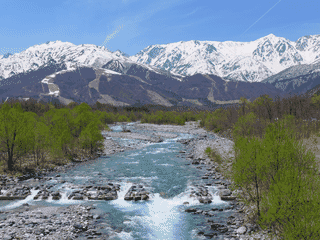

Hakuba
East Asia · Japan
Did you know?
- The valley has seven ski resorts, with terrain for every skill level.
- Annual snowfall at the 47-area resort exceeds 10 meters.
- Summer trails shift the focus from lifts to hiking and wildflowers.
See also
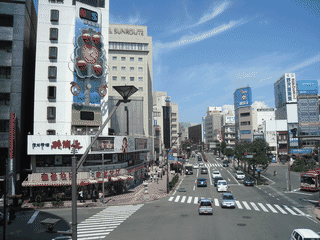

Nagano
Japan36.63°N 138.18°E
Matsumoto
Japan36.23°N 137.97°E
Overview
Hakuba is an internationally oriented ski resort area that gained global fame as a venue for the 1998 Winter Olympics. Its valley now welcomes travelers drawn to winter sports and mountain scenery.
Languages: Japanese
Why Go?
Hakuba is Japan's most internationally-oriented ski resort area, hosting snowboarders and skiers from around the world since the 1990s. The valley gained global fame when it served as a venue for the 1998 Winter Olympics, with Hakuba Happo-one staging the ski jumping and alpine skiing events. Seven separate ski resorts line the Hakuba Valley, offering everything from gentle beginner slopes to steep backcountry terrain and legendary powder stashes. Beyond the slopes, the area is dotted with traditional onsen (hot spring baths) where tired skiers soak away muscle aches while gazing at snow-capped peaks. Summer brings mountain hiking, wildflower trails, and the rare opportunity to pick fresh blueberries at local farms. The resort town has developed a distinctly international atmosphere with English menus, foreign-owned lodges, and an après-ski scene that rivals European mountain towns.
Adapted from Wikivoyage contributors · CC BY-SA 4.0
Getting In
Hakuba lacks its own train station on the Shinkansen lines, but express buses connect conveniently from major hubs. The Hakuba-Shinjuku Express (¥8,500 round-trip for adults) runs every 2-3 hours from Tokyo's Shinjuku Station, taking approximately 5 hours. The Nagano-Hakuba Express costs ¥1,400 for adults and runs every hour during ski season, with the journey from Nagano taking just over an hour. For arrivals from Narita Airport, the Nagano Snow Shuttle provides daily service directly to Hakuba during winter season. By train, the nearest JR station is Kamishiro on the Oito Line, with express buses connecting to Hakuba proper. If driving from Tokyo, the Chuo Expressway exits at Okaya-Shiojiri, leading to approximately 2 hours of mountain driving to the valley.
Adapted from Wikivoyage contributors · CC BY-SA 4.0
Getting Around
During ski season, the Genki-Go Shuttle Bus operates evenings from 17:00 (December through March) with three lines running throughout Hakuba for ¥300 per ride. For independent travelers, most hostels and lodges offer free shuttle service to nearby resorts. In summer and shoulder seasons, bike rental is widely available from hostels, opening up extensive trail networks for mountain biking and cycling through the valley. Kamishiro Station sits on the main rail line and Route 148, making it a practical base for accessing different parts of the valley— Hakuba proper is just five minutes away by bus or JR. Many accommodations provide pick-up services from stations and bus terminals, so coordinating with your lodge in advance is worthwhile.
Adapted from Wikivoyage contributors · CC BY-SA 4.0
When to Go
Peak ski season runs from December through March, with January and February typically receiving the deepest powder— Hakuba 47 reports annual snowfall exceeding 10 meters. The busiest periods are Christmas/New Year and Japanese holiday weeks (typically late February to early March), when slopes are crowded and accommodation prices surge. March often offers excellent spring skiing conditions with longer daylight hours and softer snow. Summer (July-August) brings hikers and nature enthusiasts seeking relief from lowland heat, with wildflowers carpeting the alpine meadows. Spring and autumn are quiet periods with limited public transport but offer dramatic mountain scenery and fewer tourists. Budget travelers should aim for December (before Christmas) or mid-March (after peak holiday weeks) for the best balance of conditions and affordability.
Adapted from Wikivoyage contributors · CC BY-SA 4.0
Where to Stay
Hakuba's accommodation ranges from foreigner-friendly backpacker hostels to luxury boutique hotels. The Echoland area near Happo-one is particularly popular with international visitors, packed with restaurants, bars, and shops within walking distance. Budget options like Snowbeds Backpackers (from ¥3,900/night) and Hakuba Alps Backpackers offer dorm beds and communal kitchens in social atmospheres. Mid-range travelers favor Western-style lodges such as Snowlines Lodge (from ¥4,000) and Gladerunner Lodge (¥5,000/person including breakfast). For ski-in/ski-out convenience, Wadano is the premium location near Happo-one's lifts, with options like Gakuto Villas and Double Black Hotel offering high-end chalets. Families and groups benefit from self-catering chalets like Bluebird Chalets that sleep up to 8 people. Winter rates typically include breakfast; summer pricing can be 30-40% lower for the same rooms.
Adapted from Wikivoyage contributors · CC BY-SA 4.0
Food and Drink
Hakuba's dining scene caters heavily to international tastes while offering authentic Japanese options. For budget meals, Gravity Worx Cafe near Hakuba Station serves meals for ¥800-1,500 with excellent hot chocolate and homemade apple pie. Hindi Momo in Mizuho offers arguably the best Indian food in Japan with seasonal vegetables and famous tandoori prawns. Japanese izakayas like Kicchonchon (500m west of Hakuba Station, open 17:00-24:00) and Nonjae provide traditional small plates with beers and sake. For international flavors, Uncle Steven's serves excellent Mexican food including their legendary baked banana, running about ¥8,000 for a family of four with beer. White Horse Restaurant in Echoland features Western staples, steaks, and a famous Friday night BBQ. In the evenings, Echoland's Main Street comes alive with bars like Hie (traditional izakaya atmosphere with English menus), Mt Hakuba Bar (cheap ¥500 meals, daily happy hour from 18:00), and Off Piste (cozy pub with skiing videos and darts).
Adapted from Wikivoyage contributors · CC BY-SA 4.0
Things to Do
Seven ski resorts operate in the Hakuba Valley, offering terrain for all skill levels. Hakuba Happo-one, the Olympic venue, features 13 courses and 23 lifts with the longest run stretching 8,000 meters— from beginner slopes to challenging Olympic downhill courses. Hakuba 47 Winter Sports Park offers 23 named runs plus snowshoe and snowmobile tours with English-language private lessons available. After skiing, the onsen are essential— Juro No Yu at Kamishiro Station (adults ¥500, children ¥400) operates 24 hours December-March and offers stunning mountain views from both indoor and outdoor baths. Tenjin No Yu near Hakuba Station (¥500, closed Tuesdays) is recommended by locals for its healing waters. Summer activities shift to mountain trails, wildflower hikes, and visiting the Blueberry Farm (phone +81 261-75-2735) for u-pick berries in spring and summer. Purple rice (Hakuba Murasakimai) is available from roadside stations throughout the valley.
Adapted from Wikivoyage contributors · CC BY-SA 4.0
Safety
Hakuba is generally very safe for international travelers, with low crime rates typical of rural Japanese towns. The main safety concerns relate to winter sports— always check avalanche conditions before venturing off-piste and consider hiring a guide for backcountry skiing. Slopes can become crowded during peak season, so beginners should stick to designated lessons and beginner areas. Road conditions deteriorate significantly during heavy snowfall; rental cars require appropriate winter tires, and many travelers opt for shuttle buses instead. Summer hiking carries standard mountain risks— weather changes rapidly in the Alps, so carry appropriate gear and inform someone of your plans. Convenience stores and lodges can provide emergency contact numbers, and English-speaking staff at most tourist-oriented businesses can assist with any issues.
Adapted from Wikivoyage contributors · CC BY-SA 4.0
Connectivity
Japan uses Type A and Type B power plugs (two-pin, compatible with US/North American devices; Type B also works with European two-pin plugs). The voltage is 100V. Most international travelers will need a plug adapter for their devices. WiFi is widely available at accommodations and many cafes and restaurants offer free wireless internet. Mt Hakuba Backpackers provides free wireless internet in their bar, and Gravity Worx Cafe offers connectivity while you dine. For mobile data, major Japanese carriers offer prepaid SIM cards and short-term tourist plans at convenience stores and electronics shops. Japan Post Bank and convenience store ATMs accept most international debit cards for cash withdrawals. English-language tourist information is available at major resorts and the Hakuba Valley tourism office.
Adapted from Wikivoyage contributors · CC BY-SA 4.0
Budget Planning
Hakuba ranks as a mid-range to high-end destination, particularly during ski season. Budget travelers can manage on ¥6,000-8,000/day staying in dorm rooms (¥3,900-5,000/night at backpacker hostels) and eating at convenience stores and budget cafes (¥800-1,500 meals). Lift tickets at Hakuba 47 or Happo-one typically cost ¥4,500-6,000/day for adults. Ski rental packages from shops like Spicy Rentals (from ¥2,500) or Burton Pro Shop offer full equipment sets. Mid-range travelers should budget ¥10,000-15,000/day for private rooms, restaurant dinners, and lift tickets. Onsen visits cost ¥400-500 per entry. The Genki-Go shuttle bus runs ¥300 per ride. Express buses from Tokyo cost ¥8,500 round-trip, while Nagano-Hakuba buses are ¥1,400 one-way. Summer visits can be significantly cheaper with lower accommodation rates and free hiking trails.
Adapted from Wikivoyage contributors · CC BY-SA 4.0
Day Trips
Several compelling destinations lie within easy reach of Hakuba. Matsumoto (1.5-2 hours by bus) houses the famous black castle, one of Japan's premier original castles dating to the 1500s. Jigokudani Monkey Park, about 90 minutes away, offers the unique experience of watching wild Japanese macaques bathe in natural hot springs. The Azumino region is famous for its wasabi farms and can be combined with a visit to Matsumoto in a full-day excursion. Shiga Kogen in Joshinetsu Kogen National Park is Japan's largest ski resort area, offering more powder terrain if Hakuba's seven resorts aren't enough. Ueda features castle ruins and mountain hiking trails. The historic city of Nagano, an hour away, offers Zenko-ji Temple dating to the 7th century along with good shopping and dining. Small towns like Ikeda, Matsukawa, and Otari offer quieter experiences with local onsen and mountain scenery.
Adapted from Wikivoyage contributors · CC BY-SA 4.0
Go Next
From Hakuba, the express bus network connects efficiently to major destinations. Tokyo's Shinjuku is approximately 5 hours away via the Hakuba-Shinjuku Express (¥8,500 round-trip). Nagano city, with its historic Zenko-ji temple and the famous snow monkeys at Jigokudani, is just over an hour by bus. The Alpine Route (Kamikochi) opens in summer, offering spectacular mountain scenery accessible from Hakuba via Matsumoto or Shin-Shimashima. For those continuing south, Kanazawa on the Sea of Japan coast offers historic geisha districts and excellent seafood. Takayama in Gifu Prefecture preserves Edo-period streets and makes an excellent two-day addition. The Shinkansen network from Nagano or other major stations connects onward to Kyoto, Osaka, and Tokyo. Consider combining Hakuba with an onsen town like Kurobe or a temple pilgrimage along the Nakasendo trail.
Adapted from Wikivoyage contributors · CC BY-SA 4.0
Field guide adapted from Wikivoyage contributors · CC BY-SA 4.0. Text has been adapted and organized for this guide. About our sources.
Places to know
A few starting points from the guide. Check current hours and prices before you go.
- sleep
Alpine Chalets Hakuba
The accommodation can sleep up to 8 people and features 3 western style bedrooms, two bedrooms with your choice of a king bed or two twin beds and one bedroom with two bunk beds. Upstairs boasts a large open plan kitchen, dining and lounge area with a large screen TV and a brand new Japanese massage chair.
Adapted from Wikivoyage contributors
- sleep
B&B Koyuki
Modern Japanese-style B&B with 5 guest rooms.
Adapted from Wikivoyage contributors
- sleep
Blue Dragon Hakuba
An Australian-owned boutique hotel. Skype: bluedragonhakuba.
Adapted from Wikivoyage contributors
- sleep
Bluebird Chalets
The accommodation can sleep up to 8 people and features 3 western-style bedrooms, two bedrooms with your choice of a king bed or two twin beds and one bedroom with two bunk beds. Upstairs boasts a large open plan kitchen, dining and lounge area with a large screen TV and a brand new Japanese massage chair.
Adapted from Wikivoyage contributors
- sleep
Double Black Hotel
22-room boutique hotel. Each room has Western style beds and ensuite. Doubles, twins and triples. Complimentary shuttle bus service. In-house onsen, international TV, free wireless internet, game room.
Adapted from Wikivoyage contributors
- sleep
Gakuto Villas
Twelve chic, two-story houses with enough room to sleep up to six people per villa. Each villa has two bedrooms, two bathrooms, a comfortable living/dining area, a fully-equipped kitchen, free wi-fi, TV with English television channels, DVD player, heated bamboo flooring, high ceilings and large windows, towels, and fireplace.
Adapted from Wikivoyage contributors
- sleep
Gladerunner Lodge
Australian-owned and -operated western-style lodge, with 9 bedrooms ranging from double rooms with en suites to 4-6 share dorm rooms. Relax in the lounge area that has a fully equipped bar, flat screen with cable TV and wireless internet.
Recorded price: ¥5,000 per person per night (dorm room) including continental breakfast.
Adapted from Wikivoyage contributors
- sleep
Green Valley Hakuba
Living and bed rooms (TV, heater, fan vacuum cleaner, bed). Kitchen (gas or electric stove, refrigerator, rice cooker, microwave, toaster, pot, kitchen utensils, grill). Bathroom (washing machine, dryer, shampoo and conditioner, hand soap, toothbrush, towel). Outside (parking, barbeque space).
Adapted from Wikivoyage contributors
Before you go
Accommodation
Dorm beds from ¥3,900/night at backpacker hostels; mid-range lodges ¥5,000-8,000/person with breakfast; luxury hotels from ¥12,500. Ski season (Dec-Mar) commands premium rates; summer 30-40% cheaper.
Activities
Seven ski resorts in the valley. Lift tickets ¥4,500-6,000/day. Onsen ¥400-500 entry. Summer hiking and wildflower trails free. Blueberry picking at Blueberry Farm (phone +81 261-75-2735).
Connectivity
Type A/B power plugs (100V), two-pin US-style outlets. Free WiFi at most accommodations and many restaurants. Prepaid SIM cards available from convenience stores for mobile data.
Food
Budget meals from ¥800 at cafes; izakayas ¥2,000-4,000 for dinner with drinks; upscale dining ¥5,000+. Convenience stores (7-Eleven, Lawson) offer cheap meals. Echoland area has the widest international food options.
Money
Japan uses Japanese Yen (JPY). Credit cards are accepted at hotels and larger restaurants but bring cash for smaller establishments, izakayas, and convenience stores. Seven-Eleven and Japan Post Bank ATMs accept international cards.
Transport
Express buses connect Hakuba to Tokyo (Shinjuku, 5 hrs, ¥8,500 round-trip) and Nagano (1+ hr, ¥1,400). The Genki-Go shuttle runs ¥300 per ride evenings Dec-Mar. Kamishiro Station on the JR Oito Line is the nearest rail access.
Weather
Hakuba receives over 10 meters of annual snowfall at ski resorts. January-February are coldest (often -10°C at night) with deepest powder. March offers spring skiing with longer days. Summer (Jul-Aug) is mild (20-25°C) and ideal for hiking.