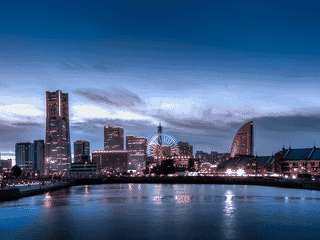

Yokohama
East Asia · Japan
Did you know?
- Chinatown is described as Japan's largest, with century-old Manchin-Ro among its dining anchors.
- The Cup Noodles Museum lets visitors create a custom cup for ¥300.
- The Cosmo Clock 21 Ferris wheel rises 112.5m above the amusement park.
See also
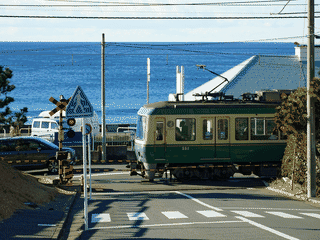

Kamakura
Japan35.32°N 139.55°E
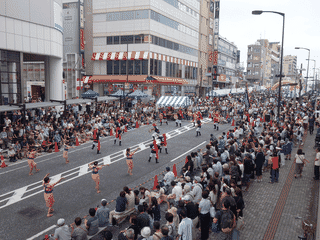

Machida
Japan35.55°N 139.45°E
Yokosuka
Japan35.25°N 139.67°E
Overview
Yokohama pairs a major bayfront city with international neighborhoods, Chinatown, and a gentler rhythm than nearby Tokyo. Walk or ride the dense rail network between Minato Mirai, historic foreign houses, ramen culture, and waterfront nightlife.
Languages: Japanese
Why Go?
Yokohama is Japan's second largest city, sitting directly south of Tokyo on Tokyo Bay. First a fishing village, it developed into a bustling port city after the 1854 opening of Japan and was where Commodore Matthew Perry signed the Kanagawa Treaty ending two centuries of isolation. Though devastated by the 1923 Great Kanto Earthquake and WWII firebombings, Yokohama retains an international flavor and offers a more relaxed alternative to Tokyo with attractions like Japan's largest Chinatown, the futuristic Minato Mirai waterfront district, and historic foreign settlement neighborhoods.
Adapted from Wikivoyage contributors · CC BY-SA 4.0
Get In
Yokohama is just 30 minutes from Tokyo and effectively forms part of the giant conurbation. The city is accessible via the Tokaido Shinkansen (with stops at Shinagawa and Odawara), JR Tokaido line, Keikyu line connecting to Shinagawa, and Tokyu lines linking to Shibuya. The Yokohama Ring Road and Tomei Expressway serve drivers, while Haneda Airport is accessible via the Shuto Expressway.
Adapted from Wikivoyage contributors · CC BY-SA 4.0
Get Around
Yokohama is not automobile-friendly, especially for foreigners. Public transit and walking work best. The city has an extensive train network including JR lines, Minato Mirai line, and municipal subway. City buses serve areas not covered by rail. The official visitors guide site has maps in English.
Adapted from Wikivoyage contributors · CC BY-SA 4.0
When To Go
Yokohama can be visited year-round, though spring (cherry blossom season) and fall offer pleasant weather and beautiful scenery. The Hiyoshi Campus of Keio University features stunning yellow maidenhair trees in autumn. Summer brings beer gardens at venues like Luminè Department Store and Star Hotel. The Bon dancing festival takes place in Kamoi during summer, where visitors can enjoy traditional food and dance in yukata.
Adapted from Wikivoyage contributors · CC BY-SA 4.0
Where To Stay
Budget travelers can find dormitory accommodation at Guest House Kanalian (7 min from Yokohama Station West Exit) starting at ¥2500 per night or ¥17,000 per week. Yokohama Hostel Village offers singles from ¥3960 with kitchen facilities. Mid-range options include Toyoko Inn Yokohama Sakuragi-cho (singles ¥6800) and Hotel Monterey Yokohama near Yamashita Park (doubles from ¥5300). The historic Hotel New Grand opened in 1927 overlooks Yamashita Park, while luxury options like the InterContinental Yokohama Grand and Yokohama Royal Park Hotel (in the Landmark Tower) offer premium accommodations.
Adapted from Wikivoyage contributors · CC BY-SA 4.0
Food And Drink
Yokohama's Chinatown is Japan's largest, offering authentic Cantonese cuisine at establishments like Manchin-Ro (100+ years history, meals around ¥1500). The city is famous for shuumai dumplings at Kiyouken (6 for ¥320). Shin-Yokohama Ramen Museum features 1950s-era Tokyo recreations with rotating ramen joints (adults ¥310, small taster bowls ¥600). Summer beer gardens appear at Luminè Department Store and Star Hotel. For nightlife, All ¥500 bar GIMME.GIMME.GIMME. offers drinks at a flat ¥500, while the Windjammer jazz bar charges ¥500 music cover with drinks from ¥800.
Adapted from Wikivoyage contributors · CC BY-SA 4.0
Things To Do
The Landmark Tower (adults ¥1000) was Japan's tallest building until Osaka's Abeno Harukas, with 69th-floor observation views extending to Tokyo and Mt. Fuji on clear days. Cosmo Clock 21 at Yokohama Cosmo World is the world's largest clock Ferris wheel at 112.5m, with the park free to enter and rides ¥500-700 each. The Cup Noodles Museum Yokohama (adults ¥500) lets visitors create custom cup noodles for ¥300. Zoo Nogeyama (free, 09:00-16:30) houses 100 species including a petting zoo. Baseball fans should catch a BayStars game at Yokohama Stadium, built on the site of the former British Cricket Ballpark.
Adapted from Wikivoyage contributors · CC BY-SA 4.0
Safety
Yokohama, like most of Japan, is very safe overall. However, the Kotobuki-cho area is one of Japan's largest slums with many homeless people and yakuza-run businesses. While violent crime remains rare, sexual harassment tends to be more common than elsewhere, so women in particular might want to avoid visiting that area alone.
Adapted from Wikivoyage contributors · CC BY-SA 4.0
Connectivity
Chinatown offers free WiFi under the network name "YOKOHAMA CHINATOWN Wi-Fi". Japan uses Type A and B power plugs (two flat parallel pins, same as US). Mobile data is widely available through providers like NTT DoCoMo, SoftBank, and au.
Adapted from Wikivoyage contributors · CC BY-SA 4.0
Go Next
Tokyo is the primary onward destination, just 30 minutes away via Shinkansen or JR lines. Kamakura (accessible via JR Tokaido line to Ōfuna) offers historic temples and the Great Buddha. Hakone and Odawara provide hot spring resorts and Mt. Fuji views via the Tokaido line. Kawasaki is another nearby industrial city worth visiting. For coastal areas, head to Yokosuka, Zushi, or Miura on the Keikyu line.
Adapted from Wikivoyage contributors · CC BY-SA 4.0
Field guide adapted from Wikivoyage contributors · CC BY-SA 4.0. Text has been adapted and organized for this guide. About our sources.
Places to know
A few starting points from the guide. Check current hours and prices before you go.
- eat
Bunnosuke Chaya
A shop serving Kyoto-style sweets (about ¥400-1000). There are also some light meals like soba dishes (most are around ¥1000). The shop's warabi-mochi (わらび餅) (bracken-starch dumpling) is recommended for its rich moderately sweet flavor of soybean flour.
Adapted from Wikivoyage contributors
- eat
Chano-ma
Cafe with Japanese and Italian fare. There is a large floor about 60 cm up where you can lie down with blankets and some pillows like a living room.
Adapted from Wikivoyage contributors
- eat
Daidai-ya
This restaurant serves creative dishes, mixing Japanese and Western foods. In addition to the food, the view is very beautiful at night. You can see Cosmo World and the Cosmo Clock (a Ferris wheel) illuminated. By the window, there are some seats for couples - good for dates. Reservations are recommended for these seats.
Recorded price: Lunch ¥1000, dinner ¥4000
Adapted from Wikivoyage contributors
- eat
Edaminami Parisienne
Bakery shop known for its curry doughnuts.
Adapted from Wikivoyage contributors
- eat
Italian Bar BASIL
Though a stand-bar by nature, a great place to take in a nicely paced meal if you can get a seat. Lots of choices (izakaya-style portions) but focuses on a few ingredients, making for a refreshing take on the all-too-common Italian fare in Japan. Recommendations: any antipasto and risotto, complemented with sangria or wine of the day.
Adapted from Wikivoyage contributors
- drink
All ¥500 bar GIMMEGIMMEGIMME
A bar with drinks priced at ¥500.
Adapted from Wikivoyage contributors
- drink
Benny's Place
American-style sports bar complete with baseball memorabilia, cable TV, darts, and a friendly owner who'll gladly tell you about his days in the U.S. Navy at "Yokosuka
Adapted from Wikivoyage contributors
- buy
Colette・Mare
This is a big mall which opened in 2010. Many shops, restaurants, bars, theater, and lifestyle things are in. It takes only a minute to go here from Sakuragicho Stn of JR line.
Adapted from Wikivoyage contributors
Before you go
Connectivity
Free WiFi available in Chinatown ("YOKOHAMA CHINATOWN Wi-Fi"). Japan uses Type A/B power plugs (same as US).
Culture
Yokohama has strong international heritage as Japan's first opened port. The Yamate neighborhood still has historic foreign houses. Chinatown is the largest in Japan.
Money
Japan uses the Yen (¥). Credit cards are accepted at most hotels, restaurants, and shops in central areas, but smaller establishments and markets may be cash-only.
Safety
Generally very safe city, but avoid the Kotobuki-cho area due to homeless population and yakuza presence. Women should be cautious in that neighborhood.
Transport
Yokohama is 30 minutes from Tokyo by train. The city has multiple train lines including JR, Minato Mirai line, and municipal subway. Public transit is recommended over driving.