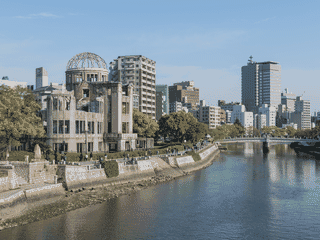

Hiroshima
East Asia · Japan
Did you know?
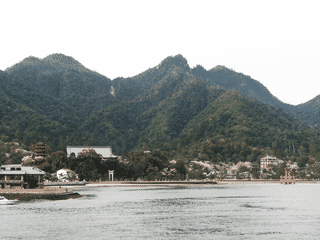
- Miyajima is an easy hour-long trip, known for its floating torii.
- The city is covered by Hiroden trams, with bicycles available for rent.
- The local okonomiyaki style is layered and built with noodles.
See also

Miyajima
Japan34.28°N 132.31°E

Iwakuni
Japan34.15°N 132.18°E
Overview
Hiroshima is a modern cosmopolitan city with wide boulevards and criss-crossing rivers. Okonomiyaki, oysters, nightlife, and moving memorials make a visit both lively and reflective.
Languages: Japanese
Why go?
Hiroshima is a modern cosmopolitan city with wide boulevards and criss-crossing rivers. While many know it for the atomic bomb, today it offers excellent cuisine (especially okonomiyaki and oysters), bustling nightlife, and moving memorials like the Peace Memorial Park.
Adapted from Wikivoyage contributors · CC BY-SA 4.0
Get in
Hiroshima is a major Shinkansen stop on the Sanyo line, with trains from Osaka (about 1.5 hours), Hakata, and Tokyo. Hiroshima Airport connects domestic and some international destinations. Buses and ferries also serve the city.
Adapted from Wikivoyage contributors · CC BY-SA 4.0
Get around
The city has an extensive tram network (Hiroden) covering most attractions. The Visit Hiroshima Tourist Pass offers 1-3 days of unlimited travel within the city or prefecture. Bicycles can be rented from various outlets.
Adapted from Wikivoyage contributors · CC BY-SA 4.0
When to go
October and November have ideal weather: less rain, cool temperatures. Spring (April-May) brings cherry blossoms, but crowds. Summer (July-August) is hot, humid, and rainy; winter is dry and mild. Avoid typhoon season in late September.
Adapted from Wikivoyage contributors · CC BY-SA 4.0
Where to stay
Accommodation ranges from hostels like K's House (dorms from ¥2500) and J-Hoppers (dorm ¥2500) to business hotels (¥6000-10000 single) and luxury hotels like Rihga Royal (from ¥16,170). The area around JR Station and Peace Park is convenient.
Adapted from Wikivoyage contributors · CC BY-SA 4.0
Food and drink
Hiroshima is famous for its style of okonomiyaki (layered pancake with noodles), available at Okonomi-mura (27 shops) and many local spots. Oysters are a specialty from October to March. Nagarekawa is the nightlife district with many bars.
Adapted from Wikivoyage contributors · CC BY-SA 4.0
Things to do
Must-see: Peace Memorial Park and Museum, A-Bomb Dome, Hiroshima Castle, Shukkeien garden. Attend the Peace Memorial Ceremony on August 6 or the Sake Festival in Saijo in October. Catch a Carp baseball game at Mazda Zoom Zoom Stadium.
Adapted from Wikivoyage contributors · CC BY-SA 4.0
Stay safe
Hiroshima is very safe, but Nagarekawa nightlife district has hostess bars that may overcharge. Police occasionally raid bars open after 1 AM; stay calm and show your passport if stopped.
Adapted from Wikivoyage contributors · CC BY-SA 4.0
Connect
Public Wi-Fi is available at public facilities and on some ferries. Free Wi-Fi in many hotels. SIM cards can be purchased at electronics stores like EDiON.
Adapted from Wikivoyage contributors · CC BY-SA 4.0
Budget
A budget traveler can get by on about ¥5,000-7,000 per day: dorm bed ¥2,500, okonomiyaki meal ¥700-1,500, tram rides ¥160-220, and free attractions like Peace Park. A day trip to Miyajima adds ¥1,000+ for ferry and food.
Adapted from Wikivoyage contributors · CC BY-SA 4.0
Day trips
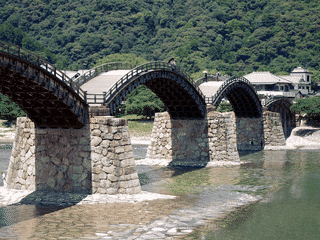
Miyajima with its floating torii is an easy day trip (1 hour). Other options: Kure (Yamato Museum), Saijo (sake breweries), Iwakuni (Kintai-kyo bridge), Onomichi (hilltop temples), and Matsuyama (Dogo Onsen) via ferry with foreigner discount.
Adapted from Wikivoyage contributors · CC BY-SA 4.0
Etiquette
Japanese customs apply: bow instead of handshake, remove shoes when entering homes, avoid tipping. Be respectful at memorial sites.
Adapted from Wikivoyage contributors · CC BY-SA 4.0
Go next
Miyajima is the top nearby destination. Other options: Okayama (45 min by Shinkansen), Kurashiki, Matsuyama (ferry), and further west to Hakata or east to Osaka and Kyoto.
Adapted from Wikivoyage contributors · CC BY-SA 4.0
Field guide adapted from Wikivoyage contributors · CC BY-SA 4.0. Text has been adapted and organized for this guide. About our sources.
Places to know
A few starting points from the guide. Check current hours and prices before you go.
- eat
Akushu Cafe ORGANIC
Reopened March 2024.
Adapted from Wikivoyage contributors
- eat
Caffe Ponte
Italian restaurant and cafe just next to Peace Memorial Park. Indoor seating for up to 30, but when the weather is not too hot or too cold there's a nice view of the Park and Motoyasu river outside on the terrace. Pasta and Drink set for ¥1280 is the most popular choice, but also offers 5-course dinners and wide selection of Italian food into the late evening. Menus in English, and there's usually some English speaking staff on hand.
Adapted from Wikivoyage contributors
- eat
Cocoruku
Nice tiny okonomoyaki shop, where you get classic okonomiyaki with soba noodles, fried egg and plenty of delicious carp sauce. Drinks are primarily beer, shougu or sake. The owner is friendly and talkative (but speaks only a little English).
Recorded price: ¥1000
Adapted from Wikivoyage contributors
- eat
Cusco Cafe
Spanish and Peruvian cuisine including paella and ceviche, plus a smattering of other dishes such as pizza and pasta. There's a pleasant, eclectic ambiance to the decor and the menu, and a full bar if you're not in a hurry.
Recorded price: Lunch sets ¥790, Multi-course set dinners from ¥1500-3500; burgers, chicken, and other dishes from ¥590-950; tapas from ¥390 each
Adapted from Wikivoyage contributors
- eat
Graffity Mexican Diner
Yes - good Mexican food does exist in Japan. The owner and chef worked in San Diego for many years, and the food is tasty, traditional mixed with experimental, and they even have hot sauces. Open for lunch and dinner, English spoken. Large groups welcome, call ahead.
Recorded price: ¥200-2500
Adapted from Wikivoyage contributors
- eat
Hiroshima specialty oyster first
Here, you can taste a variety of dishes using oysters. At lunch, you can sell a set menu and have a hearty lunch made with oysters.
Adapted from Wikivoyage contributors
- eat
Ikinari Steak
Range of quality Japanese and international steaks served on hotplates with corn. Some standing room, some tables, can get very busy.
Recorded price: From ¥2000
Adapted from Wikivoyage contributors
- eat
Kanawa (Oyster Boat)
Docked just south of the Peace Park, this floating restaurant offers some of the tastiest oysters in Hiroshima, along with lovely traditional decor and nice river views (more so at night). There's plenty of room aboard, but it does fill up, so reservations are suggested.
Recorded price: Lunch sets from ¥3100; dinner ¥7000–15,000, not including drinks
Adapted from Wikivoyage contributors
Before you go
Connectivity
Free public WiFi is available at tourist spots and on some ferries. SIM cards are easy to purchase at the airport or electronics stores.
Culture
Hiroshima has a strong peace culture centered on the Peace Park. Be respectful at memorial sites.
Health
Tap water is safe to drink. Medical facilities are excellent.
Language
English signage at major sights; some English spoken in tourism areas. Learning basic Japanese phrases helps.
Local transport
Trams and buses cover the city; the Visit Hiroshima Tourist Pass offers good value for unlimited rides. Bicycles are also rentable.
Money
Cash is king for small shops and restaurants; credit cards accepted at larger stores. JPY is the currency.
Safety
Very safe; petty theft rare. Be cautious in Nagarekawa nightlife district.
Visa
Many nationalities get visa-free entry for tourism up to 90 days. Check with Japanese embassy.
Visa context
Visa rules depend on passport; check current entry rules before booking.
Water
Tap water is safe to drink.