Shirakawa-go
East Asia · Japan
Did you know?
- A local 60% proof distilled sake's strength is not apparent until it 'hits home.'
- The gasshō roofs take their name from hands joined in prayer, while their attics once housed silkworms.
- Steep thatched roofs shed heavy snow and create the gasshō-zukuri silhouette.
See also
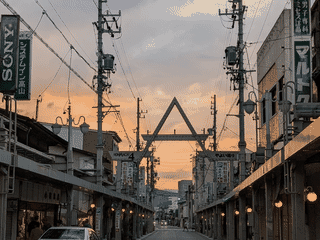

Takayama
Japan36.15°N 137.25°E · 573 m
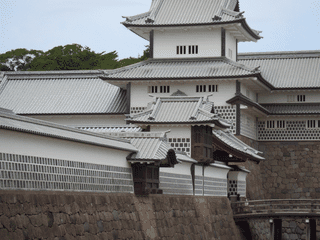

Kanazawa
Japan36.57°N 136.65°E
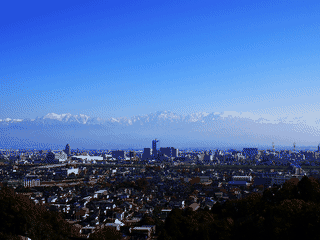

Toyama
Japan36.70°N 137.22°E
Overview
Shirakawa-go is a historic mountain village known for gasshō-zukuri farmhouses with steep thatched roofs designed to shed heavy winter snow. Ogimachi offers a rare glimpse into traditional Japanese rural life among centuries-old structures.
Languages: Japanese
Why Go?
Shirakawa-go is a historic mountain village in Gifu prefecture famous for its gasshō-zukuri farmhouses—architectural marvels with steep thatched roofs designed to shed heavy winter snow. Registered as a UNESCO World Heritage Site in 1995 alongside Gokayama in Toyama, the village offers a rare glimpse into traditional Japanese rural life. The main settlement of Ogimachi preserves dozens of these centuries-old structures, some dating back to the 18th century, creating one of Japan's most atmospheric heritage landscapes.
Adapted from Wikivoyage contributors · CC BY-SA 4.0
Understand
The village is famous for its farmhouses built in the unique gasshō (合掌) architectural style, where the name means 'hands together' as in prayer, referring to the steep roofs that keep snow off in winter. Underneath these roofs, the large attic area was historically used to house silkworms. The village also gained fame from the Japanese game series 'Higurashi no Naku Koro ni' (2002) and its anime adaptation, with the Hachiman Shrine serving as a notable location referenced in the series.
Adapted from Wikivoyage contributors · CC BY-SA 4.0
Get In
Shirakawa-go is accessible by bus from Takayama (approximately 50 minutes) and Kanazawa (approximately 1.5 hours). The Shirakawa-go Bus Terminal serves as the main arrival point for visitors. The village is located along the Tokai-Hokuriku Expressway, making自驾 access possible, though mountain roads require careful driving, especially in winter when snow chains may be required.
Adapted from Wikivoyage contributors · CC BY-SA 4.0
Get Around
Ogimachi, the main village area, is compact and best explored on foot. Visitors can walk between all the historic farmhouses, museums, and shrines within the central zone. For areas outside of Ogimachi, including Mount Haku, the Amo highlands, and hot spring areas, a rental car is required as public transport is limited.
Adapted from Wikivoyage contributors · CC BY-SA 4.0
When to Go
Shirakawa-go experiences heavy snowfall in winter, creating stunning photo opportunities of snow-covered gasshō houses. The famous winter light-up event (Shirakawa-go Light-Up) takes place on select Sunday nights in January and February, when the village is illuminated at night—the Shiroyama Viewpoint offers the most iconic snowy village vista in Japan. Summer offers green foliage and easier access, while autumn brings colorful foliage. The village is primarily day-tourist oriented and closes down after sunset.
Adapted from Wikivoyage contributors · CC BY-SA 4.0
Where to Stay
Shirakawa-go offers numerous ryokan-style Japanese inns for overnight stays, most of which are gasshō-zukuri buildings. These inns typically include both dinner and breakfast in the accommodation fee, featuring traditional Japanese dishes with river fish and mountain vegetables. Guests sleep on futons on tatami mats. The Yoshiro House operates as a minshuku in a historic gasshō house, while Magoemon offers a 300-year-old gasshō-zukuri building with an authentic irori hearth and river views.
Adapted from Wikivoyage contributors · CC BY-SA 4.0
Food and Drink
The village has ramen restaurants and casual eateries that operate during daylight hours only. Soba Wakimoto serves freshly made soba noodles along with Hida beef, while Tonkatsu Fumiya specializes in pork cutlets with various quality grades and sauces. For drinks, the Hachiman Shrine produces its own sake available at the shrine and tourist shops, characterized by rice still remaining in the bottle. Shirakawa-go also produces a local 60% proof distilled sake available through ryokans and tourist shops—its strength is not apparent until it 'hits home.'
Adapted from Wikivoyage contributors · CC BY-SA 4.0
Things to Do
The Gassho-zukuri Minkaen at 2499 Ogimachi (¥600) displays historic farmhouses moved from other areas, some dating to the 18th century. The Wada House (¥300, daily 09:00-17:00) is the largest farmhouse, while the Kanda House (¥300) features always-lit fires and traditional cat carriers. The Nagase House (¥300) displays 11-meter single-tree beams and 250-year-old medical artifacts. Nature lovers can visit Mount Haku (Hakusan), one of Japan's Three Famous Mountains, surrounded by virgin forest, or the Three Amo Waterfalls (Taka, Naka, and Ki falls) along the Amo highlands pass.
Adapted from Wikivoyage contributors · CC BY-SA 4.0
Buy
Shirakawa-go has numerous tourist shops selling souvenirs. The unique Sarubobo doll is a faceless red monkey for which visitors imagine the face of a child or grandchild, then pray for that person's well-being. The doll makes for an authentic regional souvenir tied to local protective traditions.
Adapted from Wikivoyage contributors · CC BY-SA 4.0
Connectivity
Japan uses Type A and B power plugs (100V, 50/60Hz). Visitors should check with their accommodation for WiFi availability, as rural Shirakawa-go may have limited connectivity. Major Japanese carriers offer SIM cards and pocket WiFi rentals for visitors needing data access.
Adapted from Wikivoyage contributors · CC BY-SA 4.0
Stay Safe
As Shirakawa-go's buildings are constructed mainly of highly flammable traditional materials, smoking is heavily regulated. Smokers must use designated areas indicated by bench seats, signs, and 1-meter-high ashtrays. The village has a backup fire suppression system, but triggering it with a cigarette would result in a 'foul end to a good holiday, including police involvement.' Visitors should respect these fire safety measures.
Adapted from Wikivoyage contributors · CC BY-SA 4.0
Respect
Although a moderately popular tourist destination, some residents live in traditional houses. Visitors should be mindful of this while touring, keeping noise levels appropriate and respecting private spaces. At shrines like Hachiman Shrine, visitors should follow proper shrine etiquette, including proper bowing and offering practices.
Adapted from Wikivoyage contributors · CC BY-SA 4.0
Go Next
From Shirakawa-go, travelers can continue to Takayama (south via Hida-Takayama) for its historic old town and Takayama Festival, or to Kanazawa (north) for Kenroku-en garden and the preserved Nagamachi district. Other nearby destinations include Hida, Takaoka, Gujo with its Hachiman castle ruins, the hot spring region of Oku-Hida, Nanto, Tonami, and Hakusan National Park with Mount Haku.
Adapted from Wikivoyage contributors · CC BY-SA 4.0
Field guide adapted from Wikivoyage contributors · CC BY-SA 4.0. Text has been adapted and organized for this guide. About our sources.
Places to know
A few starting points from the guide. Check current hours and prices before you go.
- sleep
Magoemon
A 300 year old Gashho-zukuri building with an authentic irori with a nice view of the river.
Adapted from Wikivoyage contributors
- sleep
Yoshiro House
One of the Gassho houses in Ogimachi operating as a minshuku.
Adapted from Wikivoyage contributors
- eat
Soba Wakimoto
All of the soba noodles are made and served in the same day. They also have grade 4 and 5 Hida beef.
Adapted from Wikivoyage contributors
- eat
Tonkatsu Fumiya
The restaurant specializes in pork cutlets. You can choose the quality of pork and different sauces.
Adapted from Wikivoyage contributors
- see
Gassho-zukuri Minkaen
A collection of historic farmhouses moved here from other areas of the village in order to preserve them. Some of them date back to the 18th century. The buildings contain artifacts and objects used by the past residents as well as information about the history of the buildings and surrounding area.
Recorded price: ¥600
Adapted from Wikivoyage contributors
- see
Jin Homura Art Museum
The modern art of Jin Homura's works featured in a traditional farmhouse is an interesting combination of old and new that enhances the art, as well as bringing new intrigue to the houses and architecture themselves. It has a completely different atmosphere from the various preserved farmhouses scattered about that merely contain artifacts.
Recorded price: ¥300
Adapted from Wikivoyage contributors
- see
Kaerikumo Castle
The castle disappeared into the ground, along with the town surrounding it, when a big earthquake struck one night in 1586. A goldmine near the castle was also swallowed by the earth that night, leaving people to speculate to this day that as much as ¥10 billion may still be buried there. Nowadays there is nothing left but a monument and some greenery.
Adapted from Wikivoyage contributors
- see
Kanda House
A well-preserved farmhouse that always has its fire lit. The second floor has similar artifacts as others in the village. Many visitors enjoy the traditional cat carrier. The third floor offers a good look at the inner construction of the house along with nice views of the rest of the town from the windows.
Recorded price: ¥300
Adapted from Wikivoyage contributors
Before you go
Accommodation
Overnight stays in gasshō-zukuri ryokans include dinner and breakfast. Most accommodations are in Ogimachi. Book well in advance for the winter light-up events.
Safety
Smoking is restricted to designated areas only due to fire risk from traditional building materials. Observe all fire safety signs and use only marked smoking areas.
Timing
The village is primarily day-tourist oriented with shops and restaurants closing after sunset. Plan accordingly if not staying overnight.
Transport
Shirakawa-go is accessible by bus from Takayama (50 min) and Kanazawa (1.5 hr). The Shirakawa-go Bus Terminal is the main arrival point. A car is needed to explore areas outside Ogimachi.
Weather
Heavy snowfall in winter creates scenic views but requires caution. Snow chains may be necessary for自驾 access in winter months.