Wakayama
East Asia · Japan
Did you know?
- The castle is a peaceful partial reconstruction with a ¥400 adult entry.
- The inter-station bus tops out at ¥220 and takes about ten minutes.
- Mikan oranges are a defining regional specialty.
See also
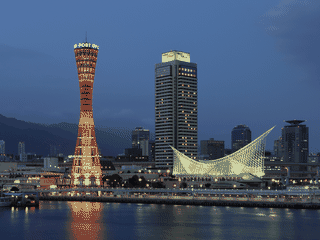

Kobe
Japan34.69°N 135.20°E
Overview
Wakayama offers a lower-key castle city with shrines, onsen, citrus, and useful access to the Kansai region. It suits travelers who want Osaka, Kōyasan, and the coast within reach without staying in the densest urban core.
Languages: Japanese
Why Go?
Wakayama is the capital of Wakayama prefecture and has played an important part in Japanese history with a unique culture featuring many significant shrines. Unlike nearby Osaka, Kyoto, and Nara that are heavily touristed, Wakayama remains largely untouched by mass tourism, offering a glimpse of "normal" Japanese city life. The city serves as a convenient gateway to Mount Koya and provides good access to the Kansai region's major destinations without being overwhelmed by visitors.
Adapted from Wikivoyage contributors · CC BY-SA 4.0
Getting In
Wakayama is accessible by train via the Nankai Koya Line from Osaka (Nanba station), with the journey taking approximately 1.5-2 hours. Long-distance bus service is available from Shinjuku, Tokyo to JR Wakayama Station, operated by Willer Express (from ¥7700 one way). Kansai International Airport is accessible by shuttle bus. The Hanwa Expressway connects Wakayama northward toward Suita and southward toward Nanki Tanabe.
Adapted from Wikivoyage contributors · CC BY-SA 4.0
Getting Around
Buses run between the two train stations (JR Wakayama and Nankai Wakayama-shi) passing by the castle. The maximum bus fare is ¥220 and takes about ten minutes. Taxis operate in large numbers throughout the city and are easily found. Bus tickets and 1-day passes are available at multiple sales offices including JR Wakayama Station (Nishiguchi), Nankai Wakayama-shi Station (1F), and JR Kii Station.
Adapted from Wikivoyage contributors · CC BY-SA 4.0
When to Go
Most travelers experience Wakayama during the worst weather of the year, in July and August, when humidity and temperatures are highest. Spring (March-May) offers mild weather and is ideal for visiting shrines and gardens. Autumn (September-November) provides comfortable temperatures and autumn foliage. The climate chart shows January temperatures ranging from 2.9-9.8°C with 48.7mm precipitation, while August sees 25.1-32.6°C with 101.8mm rainfall.
Adapted from Wikivoyage contributors · CC BY-SA 4.0
Where to Stay
Wakayama has a range of accommodation options, from budget guesthouses to business hotels. The most budget-friendly options include Guest House Saika (¥2500), Guesthouse RICO (¥3000-7000), and Sana Inn Town (¥3200-5500). Business hotels near the stations include Wakayama Daiichi Fuji Hotel and Wakayama Daini Fuji Hotel (single rooms from ¥5500-5700). The Daiwa Roynet Hotel towers above the city near Wakayama Castle, while the exclusive Hotel Granvia is located right beside JR Wakayama Station.
Adapted from Wikivoyage contributors · CC BY-SA 4.0
Food and Drink
Wakayama specializes in Mikan (oranges) and various regionally-known products. Local specialties include yakkinikku (grilled meat) near JR station in Karibicho, and shirasu donburi (young sardines bowl) at Ottotto Hiroba (¥500, Sa Su only). Japanese sweets include syuupari cream puffs at Shuneido (¥130) and yokan at Surugaya (¥200). Ramen options include Orochon chanpon (very spicy ramen) at Sarashina (¥1000) and Arochi Marutaka Chukasoba (¥1000, open 17:30-03:30). For upscale dining, Ginpei offers lunch ¥1000-2000 and dinner ¥6000-8000 at multiple locations.
Adapted from Wikivoyage contributors · CC BY-SA 4.0
Things to Do
Wakayama Castle is the city's main attraction, a partial reconstruction after war damage, offering peaceful visits unlike commercialized castles in Osaka. Entry costs ¥400 adults, ¥200 children. Nearby Momijidani Teien garden is free to visit. The Hinokuma Jingu and Kunikakasu Jingu shrines (collectively known as Nichizengu) are equivalent to Ise Grand Shrine and among Japan's oldest shrines, a five-minute walk from Nichizengu station. Kimi-dera temple is accessible by train (15 min walk from station). Wakayama Marina City offers the Kuroshio Market with tuna cutting shows and the Kinokuni Fruit Village.
Adapted from Wikivoyage contributors · CC BY-SA 4.0
Safety
Wakayama is generally a safe city with typical precautions advised. The Arochi area has a token seedy area with hostess bars and expensive establishments that travelers should be aware of but need not avoid if exercising normal judgment. Standard urban safety practices are sufficient for most visits.
Adapted from Wikivoyage contributors · CC BY-SA 4.0
Connectivity
Free wireless hotspots are available across the city through the Wakayama Free Wifi service. The Wakayama International Exchange Center (Wakayama Big Ai Bldg. 8F) is open Th, Sa-Tu 10:00-18:30, F 10:00-21:00, closed Wednesdays and holidays. English teaching opportunities are available at major eikaiwa schools including Geos, AEON, and ECC, as well as smaller niche language schools.
Adapted from Wikivoyage contributors · CC BY-SA 4.0
Budget
Daily backpacker budget in Wakayama typically ranges from ¥4000-6000. Budget accommodation starts from ¥2500 for guesthouses, while meals range from ¥130 for sweets to ¥1000 for ramen or casual restaurants. Local bus rides cost up to ¥220. Major attractions like Wakayama Castle (¥400) and Kiifudoki no Oka (¥190) have modest entry fees. Convenience stores and local eateries provide affordable food options throughout the city.
Adapted from Wikivoyage contributors · CC BY-SA 4.0
Day Trips
Wakayama's strategic location makes it an excellent base for exploring the region. Mount Koya (UNESCO World Heritage site with thousands of temples) is accessible as an overnight trip. The Tomogashima islands offer scenic views said to resemble Studio Ghibli's "Castle in the Sky" and are reachable by ferry from Kada Port. Kada beach area provides fishing, onsen, and beach activities. Wakayama Marina City (30 min by bus from station) features the Kuroshio Market and Kinokuni Fruit Village.
Adapted from Wikivoyage contributors · CC BY-SA 4.0
Etiquette
Standard Japanese etiquette applies in Wakayama. When visiting shrines and temples, observe proper reverence by bowing before entering, maintaining quiet, and following any specific rituals such as purification with water at temizuya basins. Remove shoes when entering tatami rooms in ryokan and traditional establishments. Tipping is not customary and may be considered rude.
Adapted from Wikivoyage contributors · CC BY-SA 4.0
Go Next
Wakayama is well-connected and provides good access to Osaka, Kyoto, Nara, and beyond without being on top of them. Nearby destinations include Kainan, Iwade, Kinokawa, Kudoyama, Mount Koya, Yuasa, Kishiwada, Tanabe, Shirahama, and Nachikatsuura. The Hanwa Expressway runs north toward Suita and south toward Nanki Tanabe. Nankai Railway connects northward to Osaka Nanba and southward along the coast.
Adapted from Wikivoyage contributors · CC BY-SA 4.0
Field guide adapted from Wikivoyage contributors · CC BY-SA 4.0. Text has been adapted and organized for this guide. About our sources.
Places to know
A few starting points from the guide. Check current hours and prices before you go.
- buy
Aeonmall Wakayama
Tax free available.
Adapted from Wikivoyage contributors
- buy
Banchaya
Japanese green tea stores. Green tea soft serve ice cream. Tax free available.
Recorded price: ¥200
Adapted from Wikivoyage contributors
- buy
Boutique Shima
Best knitwear shop. The shop is Shima Seiki retail shop. Shima Seiki is leading company on knitting machines in the world. You get a WHOLEGARMENT knitwear is a low price.
Adapted from Wikivoyage contributors
- buy
Burakuricho shopping district
The best place for shopping with DonKehote and various retail stores
Adapted from Wikivoyage contributors
- do
CAT-chy
Recorded price: ¥1000
Adapted from Wikivoyage contributors
- buy
CITY WAKAYAMA
Adapted from Wikivoyage contributors
- buy
Don Quijote Burakuricho
Tax free available.
Adapted from Wikivoyage contributors
- buy
Forte Wajima
knitwear.
Adapted from Wikivoyage contributors
Before you go
Connectivity
Free WiFi available at hotspots across the city via Wakayama Free Wifi. International Exchange Center provides resources for foreign residents and visitors.
Culture
Wakayama has important shrines including Hinokuma Jingu/Kunikakasu Jingu (Nichizengu) and Kamayama Jinja. The city retains authentic Japanese character without heavy tourism.
Food
Local specialties include Mikan oranges, yakkinikku (grilled meat), and regional sweets. Budget meals available from ¥130 at pastry shops to ¥1000 for ramen.
Money
Japan uses yen (JPY). Credit cards accepted at larger hotels and department stores but cash preferred at smaller establishments, temples, and local restaurants.
Transport
Local buses cost up to ¥220 between stations. Nankai Railway connects Wakayama to Osaka Nanba in about 1.5-2 hours. Willer Express buses run from Tokyo Shinjuku.
Weather
Summers (July-August) are hot and humid. Best visiting seasons are spring (March-May) and autumn (September-November) for comfortable weather.