
Kamakura
East Asia · Japan
Did you know?
- Purple-potato soft ice cream and pigeon-shaped biscuits make easy-to-carry local snacks.
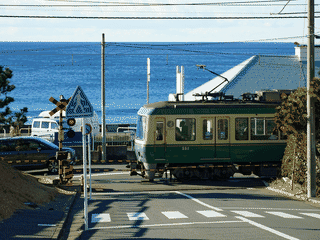
- The Enoden reaches Hase in three stops, linking the station with major temple sights.
- The bronze Great Buddha stands 13.35 meters high and dates to 1252.
See also

Yokohama
Japan35.44°N 139.64°E · 24 m

Machida
Japan35.55°N 139.45°E
Yokosuka
Japan35.25°N 139.67°E
Overview
Kamakura is a compact seaside city whose Zen temples, shrines, and Great Buddha preserve the imprint of Japan's medieval political capital. Its coastal setting adds beaches and a lively summer atmosphere to the temple circuit.
Languages: Japanese
Why Go
Kamakura is a compact seaside city that served as Japan's political capital during the Kamakura Shogunate (1185-1333), leaving behind a treasure trove of Zen temples, Shinto shrines, and the iconic Great Buddha. Just an hour south of Tokyo by train, it offers a relaxed beach-town atmosphere with easy access to hiking trails through forested hills, making it ideal for culture seekers and nature lovers alike. The city draws millions of visitors annually, especially on weekends and holidays when the main sights can be very crowded.
Adapted from Wikivoyage contributors · CC BY-SA 4.0
Understand
Kamakura developed as the de facto capital of Japan when Minamoto no Yoritomo established the Kamakura Shogunate in 1185, governing the country until the empire's restoration in 1333. After the Meiji Restoration, an anti-Buddhist movement led to the destruction of many temples and Buddhist artifacts as the government sought to separate Shinto and Buddhism. However, several important Buddhist statues and cultural treasures were preserved as national assets, and many temples were later rebuilt, allowing Kamakura to retain its spiritual heritage.
Adapted from Wikivoyage contributors · CC BY-SA 4.0
Getting In
Kamakura is most easily reached from Tokyo via JR. The JR Yokosuka Line runs from Tokyo Station (¥950, about 60 minutes) and Shinjuku (via Shinjuku-Suijo Line to Kamakura, or transfer at Musashi-Kosugi). The JR Sagami Line connects from Fujisawa and other nearby stations. The Enoden line, operated by Enoshima Electric Railway, runs from Fujisawa through Kamakura to Enoshima, offering a scenic coastal route with stops at popular swimming beaches.
Adapted from Wikivoyage contributors · CC BY-SA 4.0
Getting Around
Kamakura is too large to cover entirely on foot, but a network of buses radiates from the train station. The Enoden line provides access to Kotokuin and Hasedera (three stops to Hase station). Bicycle rental is available from Kamakura Rental Cycles (east exit of JR Kamakura Station, 50m south), costing ¥800 for the first hour and ¥250 per additional hour. For the energetic, a 3-hour hike from Jōchiiji temple through forest to Kōtokuin passes Zeniarai Benten Shrine; take the JR Line to Kitakamakura Station, exit left, and walk 500m up the road to reach Jōchiiji.
Adapted from Wikivoyage contributors · CC BY-SA 4.0
When to Go
Kamakura's beaches draw crowds during summer months (June-August), when temporary beach bars with live music create a lively atmosphere. Spring is popular for cherry blossoms, particularly at Zeniarai Benten Shrine's Genjiyama park and Meigetsuin temple, nicknamed the "Hydrangea Temple." Autumn offers pleasant temperatures for temple visits, while winter sees fewer tourists. The Kamakura Festival in April features Yabusame (archery from galloping horseback) demonstrations at Hachimangū Shrine. Avoid major holidays when Tokyo day-trippers flood the main sights.
Adapted from Wikivoyage contributors · CC BY-SA 4.0
Where to Stay
While most visitors daytrip from Tokyo, Kamakura offers a good selection of accommodation for overnight stays. Kamejikan Guest House (3-17-21 Zaimokuza, from ¥3500) offers English-speaking staff, a quiet atmosphere, and is a short stroll from the beach, with an on-site coffee shop. Sotetsu Fresa Inn Kamakura Ofuna Station East Exit (1 min from JR Ofuna Station) provides comfortable rooms from ¥7400 (internet rate ¥6500). Staying overnight allows evening temple visits without crowds and sunset views at Inamuragasaki Beach.
Adapted from Wikivoyage contributors · CC BY-SA 4.0
Food and Drink
The area around Kamakura station offers numerous eating options. Local specialties include purple potato soft ice cream (murasaki-imo sofuto), made from Japan's distinctive purple sweet potato, and Hatosabure (鳩サブレー), pigeon-shaped biscuits popular as omiyage (souvenirs). Along Komachi Street, a rice cracker shop lets visitors toast their own senbei for about ¥200 each. Giant Buddha-shaped pastries filled with red bean paste are sold at souvenir stands near Kotokuin. For a splurge, Raitei (Fueda) serves excellent soba, while Roastbeef Kamakurayama offers premium roast beef by reservation only (dress code enforced).
Adapted from Wikivoyage contributors · CC BY-SA 4.0
Things to Do
Kamakura's most iconic sight is the Great Buddha (Daibutsu) at Kōtokuin, a 13.35-meter bronze statue dating to 1252 and the second-largest bronze Buddha in Japan after Nara's Todaiji. The adjacent Hasedera temple houses the largest wooden Kannon statue in Japan. Tsurugaoka Hachimangū, Kamakura's largest Shinto shrine, was built by shogun Minamoto no Yoritomo and attracts a million visitors on New Year's Day. Beach activities at Yuigahama include swimming and windsurfing (full-day rental from ¥5000), while Shichirigahama draws surfers despite prohibited swimming. Baseball, tennis, and soccer facilities are available at Fueda Park with Mt. Fuji views.
Adapted from Wikivoyage contributors · CC BY-SA 4.0
Safety
Kamakura is generally a safe city for travelers. Exercise normal precautions against petty theft at crowded tourist sites. The Shakado Kiritoshi mountain pass has been impassable since 2010 due to a rockslide. When visiting Yuigahama Beach, be aware of its historical significance—the sand has yielded very old buried remains from Japan's more turbulent historical periods. Avoid swimming at Shichirigahama where swimming is prohibited. Last train timing is critical during summer months when late-night accommodation in Tokyo becomes unavailable.
Adapted from Wikivoyage contributors · CC BY-SA 4.0
Connectivity
Japan uses Type A and B power plugs (two-prong, similar to US). WiFi is widely available in hotels and cafes. Pick up a useful temple map and walking route guide from Kamakura station's tourist information office before exploring. Mobile data is available through providers like NTT Docomo, SoftBank, and au with prepaid SIM cards or rental options.
Adapted from Wikivoyage contributors · CC BY-SA 4.0
Budget
A daily budget for Kamakura can be modest: temple entry fees average ¥300 each, with the Great Buddha visit costing ¥300 (or ¥350 for inside access). Meals range from ¥200 senbei snacks to ¥1000-2000 restaurant dinners. Transport from Tokyo costs ¥950 by JR Yokosuka Line. Bicycle rental runs ¥800 first hour plus ¥250 per additional hour. Overnight guesthouses start around ¥3500, making Kamakura accessible for budget travelers willing to skip expensive restaurants.
Adapted from Wikivoyage contributors · CC BY-SA 4.0
Day Trips
Enoshima, 10km away at the other end of the Enoden line, offers a popular beach for beginner surfers with rental shops and a surfing scene. Local shops provide lessons, while bars and restaurants create a lively atmosphere. While surf quality is not considered as high as in Kyushu, Okinawa, or even Chiba, Enoshima provides an easy half-day extension from Kamakura.
Adapted from Wikivoyage contributors · CC BY-SA 4.0
Go Next
From Kamakura, travelers can explore the greater Kanagawa region. Yokohama is accessible by JR Tokaido Line heading east toward Tokyo. The JR Yokosuka Line continues south to Yokosuka, a naval city with military history. Zushi and Zushi-Hayama stations provide access to Hayama Beach. West along the Enoden line, Fujisawa offers additional urban amenities. The coastal route north along National Road 134 leads through Zushi toward Yokosuka, passing scenic Inamuragasaki.
Adapted from Wikivoyage contributors · CC BY-SA 4.0
Field guide adapted from Wikivoyage contributors · CC BY-SA 4.0. Text has been adapted and organized for this guide. About our sources.
Places to know
A few starting points from the guide. Check current hours and prices before you go.
- sleep
Kamejikan Guest House
Wonderful helpful staff English-speaking and delicious coffee shop. Quiet and a stroll away from the beach.
Recorded price: ¥3500 and up
Adapted from Wikivoyage contributors
- sleep
Sotetsu Fresa Inn Kamakura Ofuna Station East Exit
Very comfortable. The chain has another premise near the station, ..Kasama Exit.
Recorded price: Most low cost ¥7400, Internet reservation ¥6500
Adapted from Wikivoyage contributors
- eat
House of Flavours
Café famous for its cheesecake.
Adapted from Wikivoyage contributors
- eat
Raitei
Soba restaurant. More expensive than other places, but delicious.
Adapted from Wikivoyage contributors
- eat
Roastbeef Kamakurayama
Famous for its roast beef. It has a dress code, so you can't wear "rough" clothes like jeans or shorts. Reservation is always needed and the cost is high at this restaurant.
Adapted from Wikivoyage contributors
- see
Engakuji
The temple is ranked second among Kamakura's Five Zen Temples, founded in 1282 to commemorate soldiers who fell fighting the Mongol invasion the previous year. The Shariden on the temple grounds houses a holy relic, reputed to be a tooth of the Buddha. Atop a nearby hill is the bell tower and the tea house famous for its tokoroten (sweet cold noodles), an acquired taste to overseas visitors as many would find the dish salty and slimy.
Adapted from Wikivoyage contributors
- see
Former Residence of Marquis Kachō Hironobu
Reiwa-era home of interest to architecture lovers.
Adapted from Wikivoyage contributors
- see
Hasedera
This temple, also called "Hase Kannon", is home to the largest wooden statue in Japan, representing Buddhist deity Kannon. An interesting if somewhat claustrophobic grotto on the grounds is filled with statues of Benzaiten.
Recorded price: ¥300 for entry, additional ¥300 for museum
Adapted from Wikivoyage contributors
Before you go
Culture
Kamakura blends Shinto shrines (notably Tsurugaoka Hachimangū) with numerous Zen Buddhist temples including the Five Zen Temples. Dress modestly when visiting religious sites. Remove shoes when entering temple buildings where indicated.
Money
Japan uses Japanese Yen (¥). Credit cards are accepted at larger hotels and restaurants but carry cash for temples (¥300 entry typical), street food, and small shops. ATMs at convenience stores accept foreign cards.
Packing
Comfortable walking shoes are essential for cobblestone paths and temple stairs. Bring sun protection and water for summer beach visits. An umbrella works for both rain and intense summer sun.
Transport
JR Yokosuka Line connects Kamakura to Tokyo Station (¥950, ~60 min). The Enoden scenic railway runs along the coast to Enoshima. Local buses radiate from Kamakura Station. Bicycle rental available near the east exit.
Weather
Summers are hot and humid with beach season June-August. Cherry blossoms bloom in spring (March-April). Autumn (October-November) offers mild temperatures ideal for temple visits. Winter is quiet with fewer tourists.