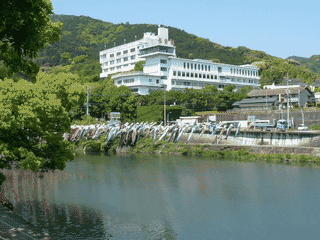
Overview
Imari draws visitors for its world-famous porcelain heritage—Imari and Nabeshima ceramics have been produced in this corner of Saga since the early 17th century. The city blends a quiet old-town atmosphere with kiln galleries, a handful of museums, and one of Japan's most dramatic shrine festivals.
Culture · Festivals · History
Before you go
Connectivity
Japan has excellent mobile coverage; major carriers offer tourist SIMs and eSIMs at airports. WiFi is available at the train station and larger galleries.
Culture
Imari's ceramic heritage is central to its identity; visiting at least one kiln gallery or museum is the main cultural activity. Dress modestly when visiting any shrine or festival site.
Festival
The Imari Ton-Ten-Ton Festival takes place annually near end of October.
Language
Japanese is the language; English signage is limited outside major tourist spots. Basic Japanese phrases are helpful.
Money
Japan remains largely cash-based in smaller cities and rural areas; carry yen for ceramic shops, small restaurants, and local buses. Credit cards are accepted at larger hotels and the Nabeshima-yaki Gallery.
Transport
Imari is on the JR Chikuhi Line and Matsuura Railway; the nearest Shinkansen stops are Hakata (Fukuoka) and Nagasaki. A car is useful for visiting scattered kiln sites.