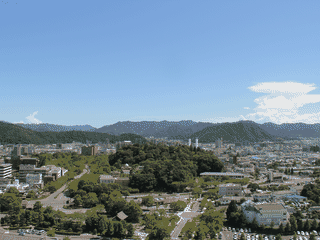

Yamaguchi
East Asia · Japan
Did you know?
- A five-story pagoda built around 1442 anchors a historic park landscape.
- A lantern festival on August 6-7 turns the city center red.
- A memorial church uses an Italian-designed white interior with sea-blue windows.
See also
.jpg)
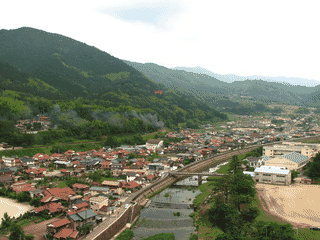
Tsuwano
Japan34.47°N 131.77°E
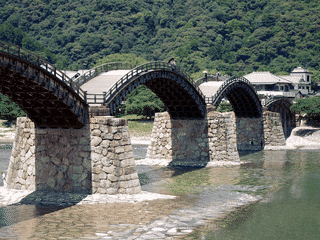

Iwakuni
Japan34.15°N 132.18°E
Kitakyushu
Japan33.88°N 130.88°E
Overview
Yamaguchi offers a quieter cultural alternative to Kyoto, with a medieval pagoda, Zen gardens, a missionary-era church, and hot springs at Yuda. Its Shinkansen access and regional rail links make it a useful base for western Japan day trips.
Languages: Japanese
Why go?
Yamaguchi served as an alternative capital to Kyoto after the Onin War devastated the original capital, earning it the nickname "Kyoto in the West." The city flourished under the Ouchi family in the 14th-16th centuries, leaving behind medieval temples, a five-story pagoda, and meticulously designed Zen gardens. Today it offers a quieter alternative to Kyoto's crowds with authentic Japanese atmosphere, natural hot springs at Yuda Onsen, and convenient Shinkansen access.
Adapted from Wikivoyage contributors · CC BY-SA 4.0
Get in
Yamaguchi is accessible via Shin-Yamaguchi Station on the Sanyo Shinkansen line, with direct service to Hakata (west) and Hiroshima (east). JR Yamaguchi Line connects local stations including Yamaguchi Station and Yuda Onsen Station within the city. Buses serve regional destinations throughout Yamaguchi prefecture.
Adapted from Wikivoyage contributors · CC BY-SA 4.0
Get around
The JR Yamaguchi Line runs through the city with main tourist stops at Yuda Onsen Station (for hot springs) and Yamaguchi Station. Joeiji Temple is better accessed from Miyano Station. Most major sights can be reached on foot, though distances may test patience—bicycle rental is available across from Yamaguchi Station, and local buses serve wider destinations.
Adapted from Wikivoyage contributors · CC BY-SA 4.0
See
Rurikōji Temple's five-story pagoda (built around 1442) serves as the city symbol, surrounded by Kōzan park grounds with medieval lord tombs. Joeiji Temple features a famous Zen garden designed by the artist monk Sesshu (1420-1506). The Xavier Memorial Church honors St. Francis Xavier's 1549-51 missionary work with an Italian-designed white interior and sea-blue windows. The Ichinosaka River offers cherry blossoms in spring and fireflies in summer.
Adapted from Wikivoyage contributors · CC BY-SA 4.0
When to go
Spring (March-May) brings cherry blossoms along the Ichinosaka River. The Lantern Star Festival on August 6th and 7th decorates the city center with impressive red lanterns. Summer can be hot and humid. Winter offers fewer tourists but cold temperatures. Yuda Onsen hot springs provide year-round appeal.
Adapted from Wikivoyage contributors · CC BY-SA 4.0
Where to stay
Most hotels cluster in the pricier Yuda Onsen area, reachable via JR Yuda Onsen Station (3 minutes from Yamaguchi Station, then 10 minutes on foot). Budget options near Shin-Yamaguchi Station include Comfort Hotel with free breakfast and internet from ¥5,500 single. Traditional ryokan like Matsudaya Hotel offer garden settings and natural hot springs from ¥32,550 single.
Adapted from Wikivoyage contributors · CC BY-SA 4.0
Food and drink
Yamaguchi's dining scene includes Xavier Campana, a bakery near Xavier Memorial Church, and Italian restaurant R. Paysan in Ajisu. ANDO Kissho near Shin-Yamaguchi Station offers cocktails and creative Japanese hors d'oeuvres (¥3,500) with lunch and dinner service. For nightlife, Denki Bran in Yuda Onsen provides upmarket cocktails, gourmet bar food, and an extensive single malt selection in a sophisticated jazz-accompanied atmosphere.
Adapted from Wikivoyage contributors · CC BY-SA 4.0
Connectivity
Japan offers excellent connectivity throughout Yamaguchi. Major carriers provide 4G/5G coverage in the city. Convenience stores and cafés typically offer free WiFi. International travelers should consider purchasing a local SIM card or portable WiFi device at airports or major train stations upon arrival.
Adapted from Wikivoyage contributors · CC BY-SA 4.0
Day trips
Yamaguchi's central location provides easy access to historic Hagi (former domain capital with preserved castle town), coastal Shimonoseki (gateway to Kyushu with aquarium), Iwakuni (famous Kintaikyo bridge), and the limestone caves of Akiyoshidai Quasi-National Park near Mine. Hofu, Ube, and Yanai offer additional cultural and scenic options within 30-60 minutes by train.
Adapted from Wikivoyage contributors · CC BY-SA 4.0
Go next
Yamaguchi sits on the Sanyo Shinkansen between Hiroshima (east) and Hakata/Shimonoseki (west). Direct Shinkansen connections reach Hiroshima in under an hour. Regional JR lines connect to Hagi, Iwakuni, Shimonoseki, Ube, Hofu, and the coastal resort areas of Shunan. The Chugoku Expressway provides driving access to Akiyoshidai and Mine.
Adapted from Wikivoyage contributors · CC BY-SA 4.0
Field guide adapted from Wikivoyage contributors · CC BY-SA 4.0. Text has been adapted and organized for this guide. About our sources.
Places to know
A few starting points from the guide. Check current hours and prices before you go.
- sleep
Comfort Hotel Shin Yamaguchi
Western style rooms with free continental breakfast and Internet access. As the name suggests, it's about 40 meters from Shin-Yamaguchi Station.
Recorded price: Singles ¥5500
Adapted from Wikivoyage contributors
- sleep
Matsudaya Hotel
Beautifully sculpted hotel situated in a garden from the Edo period. Natural hot springs and seasonal cuisine are available.
Recorded price: Rooms from ¥32,550 single, ¥42,000 double
Adapted from Wikivoyage contributors
- sleep
Teshima Ryokan
Adapted from Wikivoyage contributors
- eat
ANDO Kissho
Cocktails and creative takes on Japanese hors d'oeuvres. It's outside the north entrance of Shin-Yamaguchi Station.
Recorded price: ¥3500
Adapted from Wikivoyage contributors
- eat
R. Paysan
An Italian restaurant.
Adapted from Wikivoyage contributors
- eat
Xavier Campana
Bakery
Adapted from Wikivoyage contributors
- see
Ichinosaka River
Over the clean and beautiful small river, many cherry blossoms can be seen in spring, and in summer you will find many fireflies glowing.
Adapted from Wikivoyage contributors
- see
Joeiji Temple
A temple with a garden designed by the famous Zen Buddhist monk and artist Sesshu (1420-1506).
Recorded price: ¥300
Adapted from Wikivoyage contributors
Before you go
Accommodation
Yuda Onsen area offers traditional ryokan with hot springs but at premium prices. Budget travelers should look near Shin-Yamaguchi Station.
Culture
Yamaguchi promoted itself as "Kyoto in the West" during medieval times; many cultural properties and historic temples remain from this prosperous era.
Money
Japan uses yen (¥). Credit cards accepted at larger hotels and restaurants; cash needed for smaller establishments, temples, and local transport.
Transport
Shin-Yamaguchi Station is the Shinkansen hub; local JR Yamaguchi Line connects city stations. Bicycle rental available across from Yamaguchi Station.