Niseko
East Asia · Japan
Did you know?
- January and February typically bring the best conditions, within an annual 12–16 meters of snowfall.
- A 52 km bike circuit circles the peak when snow sports give way to summer.
- The four resort areas share one pass covering 29 lifts and 3 gondolas.
See also
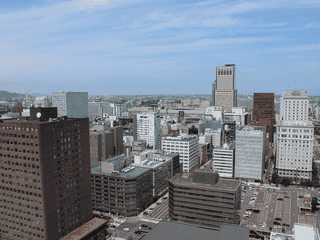

Sapporo
Japan43.06°N 141.35°E · 5 m
Overview
Niseko is a powder-focused ski resort drawing international visitors to four interconnected areas. The shared all-mountain pass links 29 lifts and 3 gondolas, with Hirafu as the main activity center.
Languages: Japanese
Why go?
Niseko is Japan's most internationally-oriented ski resort, drawing powder-hungry skiers and snowboarders from Australia and across Asia. The area averages 12-16 meters of light, dry Siberian powder each winter, making it legendary among snow sports enthusiasts. While most activity centers on Hirafu village, the four interconnected resort areas (Hanazono, Hirafu, Niseko Village, Annupuri) share one all-mountain pass covering 29 lifts and 3 gondolas. Beyond the slopes, Niseko offers lively après-ski with international bars, diverse dining, and a surprisingly vibrant nightlife scene for a mountain town.
Adapted from Wikivoyage contributors · CC BY-SA 4.0
Getting there
Niseko is approximately 100 km from New Chitose Airport (CTS) near Sapporo. The most common route is taking the JR Hakodate Line from Sapporo to Kutchan station (about 2 hours, ¥2,470), then a 20-minute shuttle or taxi to Hirafu. Kutchan station is the main rail hub and is listed as a destination on route boxes from Sapporo to Hakodate. Direct limousine buses connect New Chitose Airport to Niseko areas, typically taking 2.5-3 hours. Winter shuttle services operate between the resorts, with extended hours during peak season (mid-December to mid-March).
Adapted from Wikivoyage contributors · CC BY-SA 4.0
Getting around
In winter, the Niseko United Shuttle connects all four resorts (Annupuri, Niseko Village, Hirafu, Hanazono) roughly every 40-60 minutes from 08:00-16:40, extending to 19:40 during peak season. Travel time across the full route is about 1 hour. The shuttle is free with an All-Mountain Day pass or season pass, costs 1 point with an All-Mountain Point pass, or charges a fee otherwise. Advanced skiers and snowboarders can traverse between areas via upper lifts and designated paths, which is faster than waiting for shuttles but may require walking uphill and can be affected by weather closures. Summer visitors can bike around Mount Yotei on a 52 km circuit using quiet mountain roads, with rentals available from around ¥4,000 per day including Rhythm Japan.
Adapted from Wikivoyage contributors · CC BY-SA 4.0
When to go
The prime ski season runs December through early April, with December to March offering the deepest powder from Siberian weather patterns. Peak season (mid-December to mid-March) sees extended shuttle hours and maximum snowfall. January and February typically deliver the best conditions with 12-16 meters of annual snowfall. Summer (June to September) transforms Niseko into a hiking and biking destination, with Mt. Yotei (1,898m) drawing climbers who can even stay overnight at the Mountain Hut on the summit. The annual Winter Music Festival brings international acts like the Australian Chamber Orchestra, adding cultural sophistication to the winter sports scene.
Adapted from Wikivoyage contributors · CC BY-SA 4.0
Where to stay
Niseko has accommodation spanning all budgets, from backpacker hostels to ultra-luxury chalets. Hirafu village is the main activity hub with most restaurants, bars, and ski lift access. Budget options include Niseko Backpacker Aspara Lodge (dorms from ¥3,300) with Japanese-style rooms for up to four people, and Shizenkan Lodge run by a Japanese family with English-speaking staff. Mid-range choices include Black Diamond Lodge (from ¥3,100) which organizes backcountry ski tours, and Australia House (¥4,000-9,500) run by an expat since 1997. Luxury properties include Chatrium Niseko Japan (¥35,000/night) with 78 rooms and The Chalets at Country Resort with fully equipped kitchens and daily shuttle service. The Hilton Niseko Village sits on the southern slopes of Niseko Annupuri Mountain for premium ski-in/ski-out access.
Adapted from Wikivoyage contributors · CC BY-SA 4.0
Food and drink
Niseko's dining scene matches its international visitor base with remarkable diversity. Local Hokkaido specialties include potatoes and exceptional seafood from the nearby Shakotan Peninsula. Budget travelers find affordable quality meals at various outlets, while smaller restaurants often require advance reservations (1-2 days ahead) to avoid 1-2 hour waits. Highlights include Niseko Pizza (¥380-4,300) with stone-fired oven pizzas using local ingredients, A-bu-Cha (¥380-4,300) which transforms from a bakery by day to an izakaya at night, and Kabuki (¥2,000-4,000) offering DIY okonomiyaki or full-service teppanyaki. Yo restaurant serves traditional Japanese cuisine with sake and selected wines (¥3,000-4,500) with free pickup from Hirafu and Kutchan station. For nightlife, Wild Bill's spans two floors with Mexican food, pool tables, and live music, while Tamashi Bar draws hip crowds with ramen and twice-weekly darts competitions.
Adapted from Wikivoyage contributors · CC BY-SA 4.0
Things to do
Skiing and snowboarding are the main draws with deep powder, tree runs, and relatively gentle terrain (maximum slope approx 35 degrees). The all-mountain pass covers 29 lifts and 3 gondolas across four interconnected resorts. Three terrain parks cater to freestyle riders. Summer brings excellent day hikes including Mt. Yotei climbs (overnight Mountain Hut stays available), and a 52 km bike circuit around the peak. Onsen (hot springs) offer relaxation after active days, with both natural and constructed options. Mt. Yotei (羊蹄山, 1,898m) is the iconic backdrop visible from Hirafu, resembling Mt. Fuji and called Ezo Fuji for its resemblance to Japan's iconic peak.
Adapted from Wikivoyage contributors · CC BY-SA 4.0
Connectivity
Most accommodation providers offer wireless Internet as standard, with western-style apartments and chalets typically including WiFi and cable TV. Niseko Base Snowsports and The Chalets at Country Resort specifically mention wireless Internet availability. International SIM cards work throughout Hokkaido from major carriers, with convenience stores and electronics shops in Kutchan offering prepaid options. Power plugs follow the Japanese standard (Type A/B, 100V) with two-pin parallel slots, requiring adapters for most European, Australian, and UK plugs.
Adapted from Wikivoyage contributors · CC BY-SA 4.0
Budget planning
Niseko is premium-priced as an international resort destination. Budget accommodation starts around ¥3,100-3,300 for dormitory beds at hostels like Aspara Lodge. Meals range from ¥380 at bakeries like A-bu-Cha to ¥4,500 for full-service restaurants like Yo. Ski lift passes cost ¥5,200-7,000 per day, with equipment rental available from around ¥4,000 per day at shops like Larry Adler Ski and Outdoor or Rhythm Japan. Shuttle buses are free with lift passes or charge fees otherwise. Nightlife covers cocktails at Gyu Bar to budget drinks at Wild Bill's. A backpacker daily budget during ski season might run ¥8,000-15,000 excluding equipment rental, which could add another ¥4,000-8,000 daily.
Adapted from Wikivoyage contributors · CC BY-SA 4.0
Go next
From Niseko, nearby towns worth exploring include Kutchan (the administrative center, 20 minutes from Hirafu) with train connections to Sapporo and Hakodate, Otaru (a historic port city with canal walks and glasswork shops), and Yoichi (famous for Nikka Whisky distillery). The broader Central Circuit region offers ski resorts at Makkari, Rankoshi, Kuromatsumai, Iwanai, Kyowa, and Niki for those seeking less crowded alternatives. Sapporo (accessible via JR Hakodate Line from Kutchan, about 2 hours) provides Japan's fifth-largest city with urban amenities, Sapporo Snow Festival, and beer culture. Hakodate lies to the south as another major Hokkaido destination.
Adapted from Wikivoyage contributors · CC BY-SA 4.0
Field guide adapted from Wikivoyage contributors · CC BY-SA 4.0. Text has been adapted and organized for this guide. About our sources.
Places to know
A few starting points from the guide. Check current hours and prices before you go.
- sleep
Australia House
The original and longest-held lodge owned by expat from Australia Scott Walker, since 1997. Fine colonial-style building. In winter has a cafe with fine Japanese food with good Australian wine, desserts and coffee. It has beautiful polished flooring and fine style.
Recorded price: ¥4,000 - 9,500
Adapted from Wikivoyage contributors
- sleep
Black Diamond Lodge
They organise backcountry ski tours.
Recorded price: from ¥3,100
Adapted from Wikivoyage contributors
- sleep
Chatrium Niseko Japan
78-room hotel with one restaurant.
Recorded price: ¥35,000
Adapted from Wikivoyage contributors
- sleep
Hilton Niseko Village
Adapted from Wikivoyage contributors
- sleep
Hurry Slowly
1- and 3-bedroom condominiums. 2-min drive to ski hill and 1-min walk to a bus stop for ski shuttle. Free car service is available for local cruise (first-come first-served basis).
Recorded price: from ¥5333/pp
Adapted from Wikivoyage contributors
- sleep
Milky House
Established in the 1980s. Breakfast and dinner are included in the price.
Recorded price: ¥8,000-12,000
Adapted from Wikivoyage contributors
- sleep
Niseko Backpacker Aspara Lodge
Dormitory bedrooms, separate men's and women's. Japanese-style rooms with bedding for up to four people.
Recorded price: ¥3,300
Adapted from Wikivoyage contributors
- sleep
Niseko Freedom Inn
A 16-room red-brick boutique hotel. Only hotel within walking distance of the Hanazono ski lift, 200 meters above the Hanazono 308 base lodge, and a 5-minute walk to the Tokyu Golf Course.
Adapted from Wikivoyage contributors
Before you go
Accommodation
Hirafu is the main village hub with most amenities. Budget hostels like Niseko Backpacker Aspara Lodge (from ¥3,300) offer dormitory and Japanese-style rooms. Peak season requires advance booking.
Connectivity
WiFi is standard in most western-style accommodation. International SIM cards available from carriers. Japanese power plugs (Type A/B, 100V) require adapters for most foreign plugs.
Food
Diverse international dining scene with local Hokkaido seafood and potatoes. Budget meals from ¥380 at bakeries. Reservations recommended for smaller restaurants (1-2 days ahead).
Language
Japanese is the primary language. However, as an international resort, many restaurants, ski schools, and hotels in Hirafu have English-speaking staff. Basic Japanese phrases help in smaller establishments.
Money
Japan uses yen (JPY). Most restaurants and hotels accept credit cards, but smaller establishments and budget eateries may be cash-only. ATMs available in Kutchan at convenience stores.
Safety
Niseko is generally very safe. Ski safety follows standard resort protocols. Upper mountain winds can be fierce in bad weather; lifts may close due to conditions.
Transport
Niseko's ski resorts are connected by the Niseko United Shuttle in winter (Dec-early Apr), operating roughly every 40-60 minutes. Free with lift passes. Kutchan station is the nearest JR rail hub, 20 minutes from Hirafu by shuttle.
Weather
Niseko receives 12-16 meters of light Siberian powder annually. Ski season peaks December-March with temperatures typically -5°C to -15°C. Summer (June-September) is mild for hiking.