
Sendai
East Asia · Japan
Did you know?
- A 40-minute local train ride reaches a bay of pine-covered islands recognized among Japan's three most beautiful views.
- A local dish of grilled beef tongue is served as a teishoku around ¥1,000 near the station.
- A mausoleum in dense forest honors Date Masamune, with entry priced at ¥550.
See also

Yamagata
Japan38.25°N 140.33°E
Overview
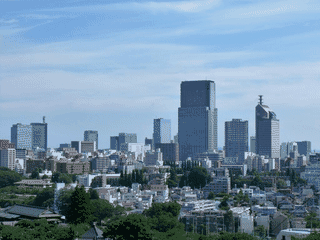
Sendai is a spacious, tree-lined regional capital with a relaxed urban feel and fewer tourists than Japan's biggest cities. It works as a comfortable base for regional sights, with samurai heritage and contemporary architecture in the mix.
Languages: Japanese
Why go?
Sendai is Tohoku's largest city and the capital of Miyagi prefecture, home to roughly 1 million people. The city was largely destroyed in WWII so historical sights are limited, but it compensates with a pleasant, livable atmosphere—wide tree-lined avenues give it an almost European feel. It's far less crowded with tourists than Tokyo or Kyoto, making it a relaxed introduction to regional Japan. The city is nicknamed 'Mori no Miyako' (City of Trees) and has notably higher English proficiency than other Tohoku cities due to its large student population.
Adapted from Wikivoyage contributors · CC BY-SA 4.0
Get in
Sendai lies 360 km north of Tokyo. The fastest option is the shinkansen (bullet train), taking just 90 minutes from Tokyo Station on the Tohoku line. Flying is a second option—Sendai Airport is about 30 minutes from the city center by express train. By land from other directions, Sendai sits at the junction of several JR lines including the Tohoku Main Line and the Senseki Line connecting Matsushima.
Adapted from Wikivoyage contributors · CC BY-SA 4.0
Get around
Sendai has an efficient public transit network. The Sendai Area Pass (¥1,320 adults, ¥660 children) is a 1-day unlimited pass for foreign visitors covering JR local lines, Sendai Airport Access Line, Loople Sendai city loop bus, Sendai City Buses, the subway, and even the Miyagi Kotsu Bus to Akiu Otaki onsen town. The 2-day Sendai Marugoto Pass (¥2,720 adults, ¥1,350 children) is available to everyone and covers similar routes plus discounts at restaurants and shops. Both passes can be purchased at JR Sendai Station's travel service center or ticket vending machines.
Adapted from Wikivoyage contributors · CC BY-SA 4.0
When to go
Autumn (October-November) is the most reliable time—weather is clear, dry, and sunny with temperatures around 18°C. The city is surrounded by golden rice fields at harvest time. Winter brings snow that melts quickly, though January and February see heavy rainfall. June marks the rainy season with cool, cloudy weather that can extend into July or August. Summer (July-September) is warm and humid, with August averaging 27-29°C and nighttime lows around 22°C. Typhoons after midsummer bring heavy rain but little damage. Spring cherry blossoms typically appear in April.
Adapted from Wikivoyage contributors · CC BY-SA 4.0
Where to stay
Most accommodation clusters near JR Sendai Station in Aoba-ku. Budget options include several youth hostels: Sendai-Dochuan Youth Hostel (about 5 km from downtown), Maple Sendai Youth Hostel near Kashiwagi, and Sendai Chitose Youth Hostel. Miyagi Guest House offers simple rooms 15 minutes from the station. Business hotels near the station include Hotelcoms Annex Sendai (single ¥5,000) and Holiday Inn Sendai (single ¥6,500). For something unique, Value the Hotel Sendai Natori is built from converted shipping containers near the airport. Upscale options include Hotel Monte Hermana Sendai (twin ¥9,600 with breakfast ¥1,300 extra) and the Westin Hotel Sendai on Ichibancho.
Adapted from Wikivoyage contributors · CC BY-SA 4.0
Food and drink
Sendai's signature dish is gyutan (牛タン)—grilled beef tongue—served at restaurants like Rikyu on Ekimae-dori (teishoku around ¥1,000) and Sendai Aoba-Tei in the station (plate around ¥1,400, expect queues at lunch). Sasakamaboko (笹かまぼこ) is a fish sausage peculiar to the region. Zundamochi (ずんだ餅) features sweet green soybean paste with glutinous rice balls. Sendai-Miso has a long history here. Hiyashi-Chuka (cold ramen noodles) actually originated in Sendai. For oysters, Kaki Toku (¥3,000) has operated since 1927 and is one of the region's most renowned seafood restaurants. Mitsukoshi department store food court offers an easy way to sample Sendai's specialties. Higher-end options include Ichimuan on the 37th floor of the Westin (kaiseki lunch from ¥3,234, dinner courses from ¥6,930).
Adapted from Wikivoyage contributors · CC BY-SA 4.0
Things to do
The city's most famous sight is Zuihoden (瑞鳳殿)—the ornate mausoleum of samurai lord Date Masamune in a dense forest, costing ¥550. Aoba Castle Ruins offer nice city views and a statue of founder Date Masamune. The Miyagi Museum of Art (closed for renovations since June 2023) houses modern works and a sculpture garden. Sendai Mediatheque, designed by Toyo Ito, is an important piece of contemporary architecture with free galleries on floors 5 and 6 plus photos from the 2011 earthquake aftermath. The 100-meter Statue of Kannon (Sendai Daikannon) was the world's tallest at construction and visitors can enter the 12 storeys for a small fee. Rinno-ji temple has ponds and a traditional garden especially attractive during azalea season, accessible by Kitayama-Shiheimachi bus line.
Adapted from Wikivoyage contributors · CC BY-SA 4.0
Activities
Akiu Onsen is an onsen town in Sendai's outskirts, historically frequented by Date Masamune and home to Akiu Kokeshi dolls. The Nikka Whisky Distillery Tour in Sakunami offers hourly tours (09:00-11:30, 12:30-15:30) with free whisky at the end—no English spoken. Benyland amusement park in Yagiyama provides roller coasters and rides. Donto-sai Festival at Osaki Hachiman Shrine occurs every January 14. The biggest festival is Tanabata (August 6-8) with paper decorations, parades, and fireworks starting August 5. December's Pageant of Starlight sees thousands of orange lights adorning trees on Aoba-dori and Jōzenji-dōri. The Michinoku-Yosakoi Festival (October 12-13, 2024) incorporates Naruko drums and folk songs.
Adapted from Wikivoyage contributors · CC BY-SA 4.0
Buy
Sendai's traditional crafts include Sendai hira (silk), tsutsumiyaki (pottery), yanagi'u washi (handmade paper), Sendai tsuishu (lacquerware), and Sendai tansu (wardrobes). Sakunami kokeshi dolls come from the hot springs area. Matsukawa Daruma and tamamushi nuri (lacquerware) are also regional specialties. The Hiraga Kokeshi Store sells local Sakunami Kokeshi. Chūō-dōri is the main covered pedestrian shopping street, feeling like a mall.
Adapted from Wikivoyage contributors · CC BY-SA 4.0
Go next
Matsushima, about 40 minutes away by Senseki Line local train, is a bay full of tiny pine-covered islands recognized as one of Japan's three most beautiful views. Kinkasan on the Oshika Peninsula (60 km away) offers light hiking, deer, monkeys, and shrine accommodation where visitors can join the 06:00 morning service. Tagajo, Shiogama, Shiroishi, Ishinomaki, Osaki, Zao, and Iwanuma are other nearby destinations. By shinkansen, north to Morioka via Ichinoseki or south to Tokyo via Fukushima and Shiroishi-Zaō. The Tohoku Expressway runs north to Morioka and south to Fukushima.
Adapted from Wikivoyage contributors · CC BY-SA 4.0
Field guide adapted from Wikivoyage contributors · CC BY-SA 4.0. Text has been adapted and organized for this guide. About our sources.
Places to know
A few starting points from the guide. Check current hours and prices before you go.
- eat
Benitora Gyoza-bo
Chinese dishes (spicy). Located to the north of the AER building by Sendai station. Cross the pedestrian bridge and look for the big red kanji (means 'red tiger').
Adapted from Wikivoyage contributors
- eat
Fredrick Pantry
A shop and small restaurant specializing in organic and vegetarian food.
Adapted from Wikivoyage contributors
- eat
Hummingbird
Italian in Hotel Universe on Ichibancho-dori. Known for its fresh pasta.
Adapted from Wikivoyage contributors
- eat
Ichimuan
Ichimuan specializes in Kyoto Haute cuisine (kaiseki) while utilizing fine Sendai produce. The restaurant also has a teppanyaki grill counter seats where visitors can enjoy fine Sendai beef. The view from the 37th floor is pretty impressive. Lunch is buffet style. Reservations essential (to avoid disappointment).
Recorded price: Lunch starts from ¥3234. Dinner courses start from ¥6930. À la carte is also available
Adapted from Wikivoyage contributors
- eat
Kaki Toku
Miyagi and Hiroshima are famous for oysters, and Kaki Toku, which has been running since 1927, is one of the area's most renowned oyster restaurants.
Recorded price: ¥3000
Adapted from Wikivoyage contributors
- eat
Kameki Sushi
Some locals believe it is the best sushi restaurant in Japan. Uses exclusively locally caught fish. No credit cards.
Recorded price: ¥5,250 for a full course
Adapted from Wikivoyage contributors
- eat
Mitsukoshi Food Court
The department store food court is an excellent place to sample Sendai's specialties.
Adapted from Wikivoyage contributors
- eat
Namaskar
Authentic Indian restaurant with two locations. One in the BiVi building (opposite Yodabashi Camera) directly behind Sendai station, on the 4th floor. There they offer an extensive and reasonably priced buffet lunch on Sundays from 11:00-15:00. The other is on Minamimachi-dori. There they occasionally show Indian films and music videos on a large screen and carry a buffet lunch on Saturdays.
Adapted from Wikivoyage contributors
Before you go
Food
Gyutan (beef tongue) is the local specialty. Rikyu and Sendai Aoba-Tei near the station are popular spots; expect queues around noon.
Language
English proficiency is higher here than in other Tohoku cities due to large student population. Basic phrases appreciated; download translation apps for emergencies.
Money
Japan is largely cash-based outside major cities. 7-Eleven and Japan Post ATMs accept foreign cards. Credit cards work at department stores, hotels, and upscale restaurants.
Transport
JR Sendai Station is the main hub. The Sendai Area Pass (¥1,320) covers unlimited local JR, subway, buses, and Loople Sendai for one day for foreign visitors.
Visa
Japan uses a reciprocal visa exemption for most tourist entries. Check current requirements before travel as rules change.
Weather
Autumn (October-November) offers the best weather—clear, dry, around 18°C. Winter is snowy but melts quickly. June brings rainy season; summer is hot and humid.