Yokosuka
East Asia · Japan
Did you know?
- The Mikasa preserves a battleship tied to Admiral Togo's Russo-Japanese War flagship.
- Navy curry continues a Friday tradition inherited from the Imperial Japanese Navy.
- Sarushima is Tokyo Bay's only natural island, reached by ferry from Mikasa Park.
See also
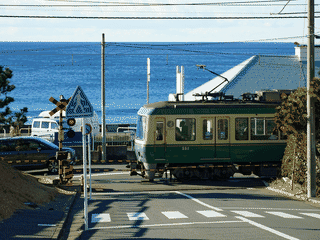

Kamakura
Japan35.32°N 139.55°E
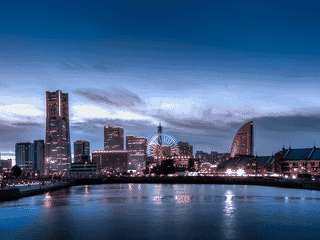

Yokohama
Japan35.44°N 139.64°E · 24 m
Overview
Yokosuka blends naval history, American-Japanese street culture, waterfront sights, and a distinctive curry tradition. Its museums, island ferry, and lively bar district make it a characterful coastal stop.
Languages: Japanese
Why Go?
Yokosuka is Japan's naval heart: home to the US Navy's Seventh Fleet headquarters and the Imperial Japanese Navy's heritage, most famously preserved in the battleship Mikasa. The city blends American and Japanese cultures more than almost anywhere else in Japan, from "Navy curry" restaurants to The Honch bar district, where sailors and locals mix beneath blue neon. It's a rare window into Japan's 19th-century opening to the West, with Perry's landing site and a memorial hall marking where black ships forced the Tokugawa Shogunate to end 250 years of isolation.
Adapted from Wikivoyage contributors · CC BY-SA 4.0
Getting In
Yokosuka is accessible by train from Tokyo via two main lines: JR Yokosuka Line from Tokyo Station (¥940, 60-70 min) and Keikyu Main Line from Shinagawa (¥470, 45 min). Keikyu also connects directly to Haneda Airport. The city is a terminal station on the JR line and sits at the junction of Route 16 and the Yokohama-Yokosuka Road. Tokyo Bay Ferry runs from Kurihama to Kanaya Port in Chiba prefecture for those approaching from the east.
Adapted from Wikivoyage contributors · CC BY-SA 4.0
Getting Around
The JR Yokosuka Line and Keikyu Main Line run north-south through the city, with major stations at Yokosuka, Yokosuka-Chuo, Shioiri, and Kurihama. JR passes through Oppama, Anjinzuka, and Zushi toward Kamakura (¥210, 20 min). Buses serve local areas but are less convenient than trains for most visitors. The naval base itself is not publicly accessible except during Friendship Day or special events like fireworks displays.
Adapted from Wikivoyage contributors · CC BY-SA 4.0
When to Go
Cherry blossom season in April makes Tsukayama Park the city's top attraction, with 10,000 trees blooming around the graves of William Adams (Miura Anjin). Kurihama Hana-no-Kuni park peaks with 1 million poppies mid-May to mid-June and cosmos flowers September to mid-October. Summer brings crowds to Sarushima island for beach and barbecue. The Honch bar district is lively year-round, most intense on weekends when sailors are off duty.
Adapted from Wikivoyage contributors · CC BY-SA 4.0
Where to Stay
Yokosuka-Chuo and Shioiri stations offer the most accommodation options near shopping and The Honch nightlife. Hotels range from older business hotels (Central Hotel near Keikyu Yokosuka-Chuo, Hotel Harbour Yokosuka near Shioiri) to larger foreign-oriented options like Hotel New Yokosuka near CFAY main gate, where all staff speak English. Mercure Yokosuka is the most upscale choice, directly across from the Daiei mall with larger rooms and English-speaking staff. Budget options near the station run ¥5,000-8,000 per night.
Adapted from Wikivoyage contributors · CC BY-SA 4.0
Food and Drink
Yokosuka claims to be the birthplace of Japanese curry rice. "Navy curry" (海軍カレー, kaigun karee) was introduced by British sailors in the late 19th century and adopted by the Imperial Japanese Navy, who served it every Friday—a tradition that continues in the Japan Maritime Self-Defense Forces today. Many restaurants feature the "Yokosuka burger," based on an American Navy recipe. The Honch bar district runs from near CFAY naval base to Shioiri station, encompassing Honcho 1-3 chome. It includes American-oriented bars, traditional Japanese izakaya, "buy-me-a-drink" bars staffed by Filipina women, and "Japanese only" establishments. Popeye's is the quintessential dive bar with extremely strong drinks; Jammin attracts rock fans; Pumpkin Live House specializes in punk with English-speaking staff.
Adapted from Wikivoyage contributors · CC BY-SA 4.0
Things to Do
Battleship Mikasa (¥600) was Admiral Togo's flagship in the Russo-Japanese War, leading to Russian annihilation at the Battle of Tsushima; the surrounding Mikasa Park is free. Perry Memorial Hall in Kurihama marks where Commodore Matthew Perry landed in 1853. Sarushima island is the only natural island in Tokyo Bay—a fortress and nature preserve accessed by ferry from Mikasa Park, with last departures at 17:00 (Mar-Oct) or 16:00 (Nov-Feb); overnight marooning is possible. Dobuita Street is famous for Sukajan (Yokosuka jacket, "Yoko-suka jum-per") and has similarities to the 1986 fictional Dobuita in the Dreamcast game Shenmue. Downtown's "Blue Street" (中央大通り, Chuo O-dori) honors Yokosuka as a jazz gateway with sculptures and street musicians. Tsukayama Park has cherry blossoms and the graves of William Adams (Miura Anjin), inspiration for the Shogun character.
Adapted from Wikivoyage contributors · CC BY-SA 4.0
Safety
Yokosuka is generally safe, but the bar district attracts the usual alcohol-related incidents. Stick to well-lit main streets at night. Some bars in The Honch are "Japanese only" and may not welcome foreign customers—observe before entering. The naval base area is secure; do not photograph military installations. Sarushima island closes at night—miss the last ferry and you will be stranded with no night staff.
Adapted from Wikivoyage contributors · CC BY-SA 4.0
Budget
Yokosuka fits a ¥4,000-6,000/day backpacker budget: ¥1,500-3,000 for capsule or business hotel, ¥600-1,200 for meals (navy curry runs ¥800-1,200), ¥500-1,000 for local transport. Sightseeing is mostly free—Mikasa Park, Perry Memorial Hall, and Verny Park have no admission. Museum entry runs ¥380-600. Bar drinks average ¥500-800; avoid overindulging at Popeye's without tracking your spending.
Adapted from Wikivoyage contributors · CC BY-SA 4.0
Day Trips
Kamakura is only 20 minutes (¥210) from Yokosuka Station on the JR line—the most recommended side trip for its Great Buddha and temples. Zushi and Hayama are beach towns reachable by train. Nokogiriyama in Chiba features a large outdoor stone Buddha; access via Tokyo Bay Ferry from Kurihama. Yokohama is 30-40 minutes north by train or car.
Adapted from Wikivoyage contributors · CC BY-SA 4.0
Go Next
Kamakura (¥210, 20 min, JR line) is the top onward destination with its iconic temples and beaches. Yokohama is next on the JR line toward Tokyo. The beach towns of Zushi and Hayama are a short train ride south. Nokogiriyama and its stone Buddha require the Tokyo Bay Ferry from Kurihama to Chiba. Tokyo is the obvious next stop for most travelers, accessible via Shinagawa on the Keikyu line or directly on the JR Yokosuka Line.
Adapted from Wikivoyage contributors · CC BY-SA 4.0
Field guide adapted from Wikivoyage contributors · CC BY-SA 4.0. Text has been adapted and organized for this guide. About our sources.
Places to know
A few starting points from the guide. Check current hours and prices before you go.
- sleep
Central Hotel
Older business hotel behind Keikyu Yokosuka Chuo station. Known for its small rooms.
Adapted from Wikivoyage contributors
- sleep
Hotel Harbour Yokosuka
Pleasant older rooms, good rates.
Adapted from Wikivoyage contributors
- sleep
Hotel New Yokosuka
A large, newer hotel a couple blocks from the CFAY Yokosuka Naval Base main gate. Caters to foreigners (and sometimes referred to as "Little America"). All front desk staff speak English. Handsome bar and lobby. Tel Phone
Adapted from Wikivoyage contributors
- sleep
Hotel Palace
Adapted from Wikivoyage contributors
- sleep
Hotel Yokosuka
An older, but well-kept hotel. Same group as the next
Adapted from Wikivoyage contributors
- sleep
Mercure Yokosuka
The nicest hotel in this part of Yokosuka. Formerly part of the Prince and Trinity chains. This hotel is directly across from the Daiei mall. The staff is exceptionally courteous and speak English. Rooms are larger here than most other hotels in the area. Phone
Adapted from Wikivoyage contributors
- eat
Tomato & Garlic
More's 9F, Italian restaurant. Serves pizza, salads and dessert. Also a great restaurant if reserving for a party.
Adapted from Wikivoyage contributors
- see
Battleship Mikasa
She was Admiral Togo's flagship in the Russo-Japanese war (1904-1905), and in the Battle of Tsushima it led to the annihilation of the Russian forces. English signage is present, but English-speaking staff is hit or miss. The surrounding Mikasa park is free, and features a recurring fountain show.
Recorded price: \600
Adapted from Wikivoyage contributors
Before you go
Connectivity
Major providers (NTT Docomo, au, SoftBank, Rakuten) cover the city. Convenience stores and coffee shops offer free WiFi. Japan uses Type A/B plugs at 100V.
Culture
Yokosuka's identity is shaped by 160 years of naval presence. Respect the base's security; photography of military facilities is prohibited. The city's curry tradition is tied to Imperial Navy heritage.
Food
Navy curry (海軍カレー) is Yokosuka's signature dish—look for it at restaurants citywide. The Honch bar district near CFAY naval base has diverse options from dive bars to live music venues.
Language
English is common near naval areas. Outside The Honch and main stations, Japanese-only is more prevalent. Basic Japanese phrases help in restaurants and shops.
Transport
JR Yokosuka Line and Keikyu Main Line serve the city; ¥210 to Kamakura, 20 min. Tokyo Station reachable in 60-70 min (¥940 JR, 45 min via Keikyu to Shinagawa).