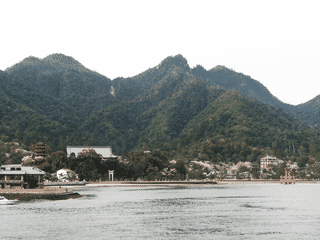

Miyajima
East Asia · Japan
Did you know?
- Deer roam freely and will rummage through bags for food or paper.
- A 30-minute hike from the ropeway's top station reaches the 530-meter summit.
- The floating torii is best seen at high tide, when the bay surrounds its legs.
See also
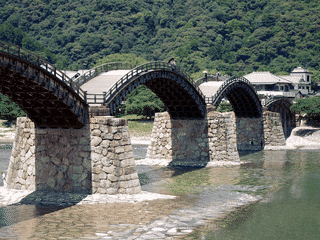

Iwakuni
Japan34.15°N 132.18°E
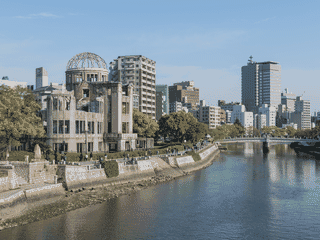

Hiroshima
Japan34.39°N 132.46°E
.jpg)
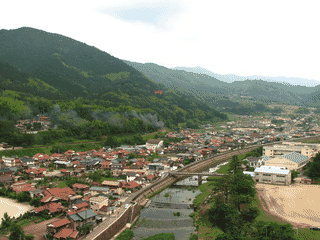
Tsuwano
Japan34.47°N 131.77°E
Overview
Miyajima combines a floating torii, a historic shrine complex, wooded Mount Misen, free-roaming deer, and a strong oyster-and-eel food culture. Day trips are easy from Hiroshima, but an overnight reveals quieter streets and lantern-lit evenings after tour groups leave.
Languages: Japanese
Why go?
Miyajima (宮島), officially Itsukushima, is one of Japan's three finest views — a serene island where the iconic floating torii gate stands in the bay at high tide. Deer wander freely through streets that retain a classic Edo-era look, and the island has been a holy site since 806 AD when monk Kōbō Daishi established Mt. Misen as a Shingon Buddhist ascetic site. Most budget travelers day-trip from Hiroshima, but staying overnight lets you experience the island after the flag-waving megaphone-equipped tour groups depart and the stone lanterns are lit.
Adapted from Wikivoyage contributors · CC BY-SA 4.0
Get in
Miyajima is reached by ferry from Miyajimaguchi, which can be reached from JR Hiroshima station by train (30 min, ¥420) or tram line #2 (70 min, ¥270). The JR West Miyajima Ferry and Matsudai ferry take 10 minutes and cost ¥200 each way; Japan Rail Pass holders ride the JR ferry free. Upon entering the island, a ¥100 visitor tax is collected. Ferries run from around 06:25 with at least 4 trips per hour, winding down after 19:00 with last runs between 22:00 and 23:00. Direct options include the Aqua Net high-speed boat from Motoyasubashi Pier (45 min, ¥2200 one-way, ¥4000 return) and the Setonaikai-kisen high-speed boat from Hiroshima Pier (32 min, ¥1900).
Adapted from Wikivoyage contributors · CC BY-SA 4.0
Get around
Miyajima is small enough to cover on foot with English-language signs throughout. Taxis can be taken from the pier to hotels and residential areas, but not to tourist sights. The 1 Day Streetcar and Ferry Pass (¥900) allows unlimited rides on Miyajima Matsudai Steamship and Hiroshima Electric Railway streetcars. The Visit Hiroshima Tourist Pass (¥1000 one-day, ¥1500 two-day) adds unlimited rides on city buses and cannot be purchased on board trams.
Adapted from Wikivoyage contributors · CC BY-SA 4.0
When to go
The best time to see the floating torii is at high tide; check the Hiroshima tourist information office for approximate times or use online tide charts. Spring brings cherry blossoms in the park and around the 5-story pagoda. Autumn draws visitors to Momijidani Park for momiji (maple) colors. Most tour groups are gone after 17:00, so staying until evening offers a different, quieter experience of the island.
Adapted from Wikivoyage contributors · CC BY-SA 4.0
Where to stay
Accommodation on Miyajima is uniformly expensive, and most backpackers day-trip from Hiroshima. However, a night here is worthwhile to experience the island without tour groups. Options range from Tsutsumigaura campground (campsites ¥1000, rental tents ¥3080) to guesthouses like Kikugawa Guest House (¥7000-20,800) and traditional ryokans like Iwaso (¥19,000-40,000 per person with meals), dating back to 1854. Budget options include Hotel New Kotobuki (¥6,000-8,000) with shared showers. Evening hours can be very quiet, so this suits those seeking relaxation over nightlife.
Adapted from Wikivoyage contributors · CC BY-SA 4.0
Food and drink
Miyajima is famous for oysters and eel bowls. Kakiya serves only oysters with a set of seven traditional dishes for ¥2,600. Inachu offers eel bowls at ¥2,300 and oyster bowls at ¥1,300. Wada has eel bowls for ¥1,800, and Mame tanuki for ¥2,200. Miyajima Brewery serves flights of locally-brewed beers for ¥1,000 at its courtyard bar. The main shopping street between the ferry terminal and Itsukushima has numerous souvenir shops selling rice scoops, miniature torii, and sweet boxes. Local treats include deer-shaped cookies and deer poop chocolate (crunchy droppings-shaped chocolate).
Adapted from Wikivoyage contributors · CC BY-SA 4.0
Things to do
Itsukushima Shrine (UNESCO World Heritage Site) is the main attraction — a red-lacquered complex on stilts where ¥300 gets temple entry, ¥500 includes the Treasure Hall. The floating torii gate is best seen at high tide. Senjokaku (千畳閣) is a huge wooden pavilion with nothing inside, built by Toyotomi Hideyoshi in 1587, with a ¥100 entry. Daisho-in is a Buddhist temple tucked into the hills with golden prayer wheels and the Henjokutsu Cave featuring Buddhist icons from the Shikoku pilgrimage. The Miyajima ropeway (¥1100 one way, ¥2000 round trip) takes you partway up Mt. Misen; the 30-minute hike from the top station to the summit (530m) offers gorgeous views. Momijidani Park has quiet temples to explore. The Miyajima History and Folklore Museum (¥300 adults, ¥170 for ages 15-18) is a small charming collection in a former soy sauce mogul's residence from the early 1800s.
Adapted from Wikivoyage contributors · CC BY-SA 4.0
Safety
Tame deer roam freely and will harass tourists for food or anything paper-like. A feeding ban is now in place, making the remaining deer bolder about rooting in bags and backpacks. Deer on Mt. Misen may have sharp antlers that haven't been removed — take care. A colony of monkeys lives on Mt. Misen; by the ropeway station, standard monkey rules apply: don't stare, don't leave food around, don't make sudden movements. While the hike to Mt. Misen is manageable for most fitness levels, there are no guide stations along the way. On the momiji trail, don't stray onto private property, but the hilltop view is public — the restaurant owner's claim of ownership is false.
Adapted from Wikivoyage contributors · CC BY-SA 4.0
Connectivity
Public wireless LAN is available at public facilities on Miyajima and on some ferries. Available locations can be found on the official tourist website.
Adapted from Wikivoyage contributors · CC BY-SA 4.0
Go next
From Miyajima, ferry back to Miyajimaguchi then connect to Hiroshima (the main city with the Peace Memorial Park), Iwakuni and Yamaguchi to the west, or Hatsukaichi (Hiroden station). High-speed boats also connect to Matsuyama from Ujina Port.
Adapted from Wikivoyage contributors · CC BY-SA 4.0
Field guide adapted from Wikivoyage contributors · CC BY-SA 4.0. Text has been adapted and organized for this guide. About our sources.
Places to know
A few starting points from the guide. Check current hours and prices before you go.
- sleep
Hotel New Kotobuki
A very casual Japanese-style inn with shared showers and some private bathrooms. A hostel experience more than a ryokan/Japanese formal inn experience. A restaurant is on site, serving Japanese dinner and breakfast. No credit cards accepted.
Recorded price: ¥6,000-8,000; food and children are additional, holidays also involve additional charge
Adapted from Wikivoyage contributors
- sleep
Iwaso
An old-school Japanese ryokan dating back to 1854, and probably the best digs on the island. Pick-up available from the pier if you call ahead.
Recorded price: Rooms (with two meals) in the comparatively characterless new wing start at ¥19,000 per head and climb to a very steep ¥40,000 per head for the old wing
Adapted from Wikivoyage contributors
- sleep
Jukeiso
Very much a luxury stopover, but well worth the cost. Includes choice of Japanese or European dinner and a Japanese breakfast. Good views over the shrine and torii from the tatami rooms and their restaurant/lounge.
Recorded price: Rooms from ¥8,000 for one person to ¥48,000 for a large group room
Adapted from Wikivoyage contributors
- sleep
Kikugawa Guest House
An older building with eight Western and Japanese-style rooms and private baths. A restaurant is on-site, providing Setouchi dinner, which mixes Japanese and European traditions. English spoken, parking available. Credit cards accepted.
Recorded price: ¥7000-20,800 for western style room; ¥14,600-32,000 for Japanese style rooms; children extra. Additional surcharges include meals and peak season lodging
Adapted from Wikivoyage contributors
- sleep
Kinsui Villa
Japanese-style rooms with themes based on the view or the decor (such as The Cat and The Owl); Western-style rooms available for single travelers. The landlord takes particular pride in his hot springs.
Recorded price: Rooms ¥19,500/22,000 off/on-season
Adapted from Wikivoyage contributors
- sleep
Kinsui Villa Annex
Japanese-style rooms, including ones for single travelers, and a spa with a view. They offer healthy meals that are designed for "light-hearted couples" and "happy ladies" (so be prepared to choose appropriately).
Recorded price: Rooms ¥10,500/13,000 off/on-season
Adapted from Wikivoyage contributors
- sleep
Kokuminshukusha Miyajima Mori-no-Yado
Provides Japanese and Western style rooms with private toilets and shared baths. More western style feel overall, a restaurant is on site providing Japanese food, a public bath, gift shop, and conference center. It's run by the government and hence a little more affordable than the competition.
Recorded price: Weekdays and low season: ¥10,000-12,000; high season: ¥10,290-12,600. Both rates require additional charges for children and do include dinner
Adapted from Wikivoyage contributors
- sleep
Miya-rikyu
A large, mostly Japanese-style hotel, but a few comparatively dingy Western-style rooms are available. Rooms have private baths, but two impressive public baths with views alternate between genders from morning to afternoon.
Recorded price: Rooms from ¥13,950 per person (meals included)
Adapted from Wikivoyage contributors
Before you go
Accommodation
Budget accommodation is limited and pricey; most backpackers day-trip from Hiroshima. Staying overnight is worthwhile for the evening calm but the island gets very quiet after dinner.
Money
Cash is king on Miyajima — many small shops and the Hotel New Kotobuki specifically note no credit cards accepted. Japan Yen (¥) is the currency.
Safety
Deer are bold and will search bags for food; feeding is banned. Wild monkeys on Mt. Misen — don't stare, don't carry food visibly.
Timing
Arrive early for the morning ferries to beat crowds, or stay past 17:00 when tour groups depart and stone lanterns light up for a different island atmosphere.
Transport
JR Hiroshima to Miyajimaguchi: train (30 min, ¥420) or tram #2 (70 min, ¥270). Ferries to island: 10 min, ¥200 each way plus ¥100 visitor tax. 1 Day Pass (¥900) covers ferry and streetcars.