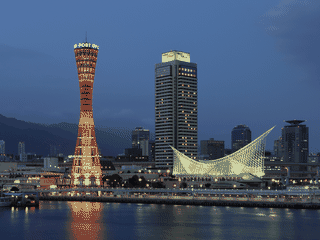

Kobe
East Asia · Japan
Did you know?
- A fried rice-and-noodle combination is a local budget specialty.
- Nada is Japan's largest sake production center, with breweries open to the public.
- The city opened to foreign trade in 1868, leaving a legacy of Western architecture.
See also
Osaka
Japan34.69°N 135.50°E · 20 m
Overview
Kobe pairs historic Western architecture with traditional Japanese culture between Mount Rokko and Osaka Bay. Mountain views, a seaside setting, and public sake breweries give this compact city a varied day-to-night feel.
Languages: Japanese
Why Go?
Kobe is Japan's best-ranked city for expatriates, blending historic Western architecture from its 1868 port opening with traditional Japanese culture. The city sits hemmed between Mt. Rokko and Osaka Bay, offering mountain hiking, seaside views, and one of Japan's 'Three Great Night Views' from Mount Rokko. It's also Japan's largest sake production center, with breweries in the Nada district open to the public.
Adapted from Wikivoyage contributors · CC BY-SA 4.0
Getting There
Kobe Airport (Kobe Airport, 神戸空港) opened in 2006 on reclaimed land, serving domestic flights via Skymark and limited international flights to China and Korea. Japan-China International Ferry Co previously offered weekly 45-hour ferry service from Shanghai, though passenger service is suspended due to diplomatic tensions. The city is also accessible via JR lines from Osaka (¥390, 20 minutes).
Adapted from Wikivoyage contributors · CC BY-SA 4.0
Get Around
The city is served by multiple train lines including JR, Hankyu, Hanshin, and Kobe Railway. Sannomiya station serves as the main transport hub, with the Harborland shopping area adjacent to Kobe station. The Port Liner automated train connects the airport to central areas.
Adapted from Wikivoyage contributors · CC BY-SA 4.0
When to Visit
Kobe hosts the annual Kobe Luminarie light display in early-to-mid December, a memorial event commemorating the 1995 Great Hanshin Earthquake with lights representing each lost life. The city is beautiful year-round, though Mount Rokko cable cars operate until 17:10 (20:50 in summer). Spring brings tulip blooms at Fruit Flower Park.
Adapted from Wikivoyage contributors · CC BY-SA 4.0
Where to Stay
Accommodation ranges from love hotels near Shin-Kobe to luxury waterfront hotels. Budget travelers can try Hostel Nakamura Kobe or Hostel Yume Nomad. The tourist information office in Sannomiya station speaks English and can help find deals. Capsule hotels like Kobe Kua House (¥3,300-4,600) offer unique experiences. If Kobe is fully booked, Osaka is only 20 minutes away on the JR line for ¥390.
Adapted from Wikivoyage contributors · CC BY-SA 4.0
Food and Drink
Kobe is world-famous for Kobe beef, exquisitely marbled and very expensive—expect close to ¥10,000 per 100 grams. Budget travelers can try sobameshi (そば飯), a unique fried rice and noodle combination native to Kobe. The city also has excellent international cuisine and is famous among Japanese for its cheesecakes. For cheap eats, Torikizoku yakitori chain serves all food and drink for ¥360 each. The Nada district is Japan's largest sake production center, with breweries like Hakutsuru and Kiku-Masamune offering free entry and free sake tastings.
Adapted from Wikivoyage contributors · CC BY-SA 4.0
Things to Do
Kitano Ijinkan features 19th-century Western houses from foreign traders. Chinatown (南京町/Nankinmachi) offers Japaneseized Chinese food like buta-manju pork buns. For views, take the Mount Rokko cable car to see one of Japan's Three Great Night Views over Osaka Bay. The Kobe Port Tower (¥700, 09:00-21:00) is the world's first sightseeing tower with pipe structure at 108m tall. Visit Meriken Park for a memorial to the 1995 earthquake that killed 6,433 people. The Nunobiki Herb Garden accessible by Shin-Kobe Ropeway costs ¥1,400 for adults including round-trip.
Adapted from Wikivoyage contributors · CC BY-SA 4.0
Safety
Kobe is generally a safe city. The Nagata ward, severely damaged in the 1995 earthquake, has been rebuilt with the Tetsujin 28 statue (18m tall manga robot) as a symbol of recovery. Standard urban precautions apply in nightlife areas.
Adapted from Wikivoyage contributors · CC BY-SA 4.0
Connectivity
Japan uses Type A and B power plugs (100V). WiFi is widely available in hotels and cafes. Major convenience stores offer SIM cards for tourists.
Adapted from Wikivoyage contributors · CC BY-SA 4.0
Budget Planning
Daily budget in Kobe: budget travelers can manage ¥4,000-6,000 excluding accommodation. Kobe beef splurge: ¥10,000 per 100 grams. Street food like taiyaki (¥160-180) and Torikizoku (¥360 items) offer cheap eating. Sake brewery visits are free. Hostel dorms start around ¥3,300.
Adapted from Wikivoyage contributors · CC BY-SA 4.0
Day Trips
Arima Onsen hot-spring town lies just north of Kobe on the other side of Mt. Rokko. Osaka is 20 minutes away by JR (¥390). Himeji, with Japan's most beautiful castle, is a 30-minute train ride. Suma beach is a few minutes away on the subway. Awaji Island connects via the Akashi Kaikyo Bridge, the world's longest suspension bridge, 10km to the west (10 minutes by train).
Adapted from Wikivoyage contributors · CC BY-SA 4.0
Go Next
From Kobe, the Shinkansen connects west to Hiroshima and east to Shin-Osaka/Kyoto. Regular JR lines reach Kyoto, Osaka, Himeji, Okayama, and Takamatsu (capital of Kagawa prefecture, the Udon Kingdom). Takarazuka is famous for the all-female Takarazuka Revue theater troupe.
Adapted from Wikivoyage contributors · CC BY-SA 4.0
Field guide adapted from Wikivoyage contributors · CC BY-SA 4.0. Text has been adapted and organized for this guide. About our sources.
Places to know
A few starting points from the guide. Check current hours and prices before you go.
- eat
Cafe Terrasse de Paris
A French restaurant with a romantic view.
Adapted from Wikivoyage contributors
- eat
Grill Ippei
Specializes in yōshoku, or Japanized Western dishes. Specialities include Ebi furai (breaded shrimp), kaki furai (breaded oyster), hamburger steaks and tonkatsu (pork cutlets).
Adapted from Wikivoyage contributors
- eat
Kobe Beef Steak Ishida Kitanozaka
Rated one of the best places for Kobe beef.
Recorded price: From ¥11,000
Adapted from Wikivoyage contributors
- eat
Kobe Portopia Hotel Restaurants
There are several restaurants in the Kobe Portopia Hotel, some with high floor views.
Adapted from Wikivoyage contributors
- eat
Kokubu
One of the top Kobe beef steakhouses.
Adapted from Wikivoyage contributors
- eat
Medium Rare Steakhouse @ Oriental Hotel
Great Kobe Beef, Hida Beef, Hamburg Steak, Abalone, and Fresh Japanese Tiger Prawns. All perfectly cooked right in front of you on Teppan grills to your liking.
Recorded price: Lunch courses starting from ¥2,500
Adapted from Wikivoyage contributors
- eat
Minsei Chinese Restaurant
Adapted from Wikivoyage contributors
- eat
Modern Ark Pharm Cafe
A vegetarian organic cafe that also serves alcohol and desserts.
Adapted from Wikivoyage contributors
Before you go
Connectivity
Japan uses Type A/B power plugs (100V). WiFi available in hotels. SIM cards available at convenience stores for tourists.
Culture
Kobe opened to foreign trade in 1868, giving it an international flavor. The Nada district is Japan's largest sake production center.
Food
Kobe beef is expensive (¥10,000 per 100g). Budget alternatives include sobameshi (fried rice and noodles) and Torikizoku yakitori (¥360 per item).
Money
Japan uses Japanese Yen (JPY). Credit cards accepted at hotels and restaurants, but cash preferred at smaller establishments and temples.
Safety
Generally safe city. Nagata ward rebuilt after 1995 earthquake. Standard urban precautions apply.
Transport
Sannomiya is the main transport hub. Osaka is 20 minutes away by JR (¥390). Kobe Airport has domestic flights and limited international service.
Visa
Japan offers visa-free entry for many nationalities for short stays. Check current requirements before traveling.
Weather
Kobe has mild climate. Summer cable car hours extend to 20:30. Best night views from Mt. Rokko.