
Mito
East Asia · Japan
Did you know?
- Rent a bicycle for Naka River levee paths linking tourist spots while avoiding traffic.
- Natto is a pungent, sticky breakfast staple, while Yoshiwaradenchū is a local rice-cake snack.
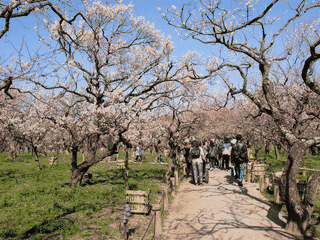
- Kairakuen shifts from plum blossoms in February–March to cherry blossoms in April.
See also
Overview
Mito pairs samurai-era heritage with Kairakuen's seasonal beauty and a quieter atmosphere than Tokyo's headline sights. It suits travelers seeking a peaceful garden-and-history stop for a day trip or overnight stay.
Languages: Japanese
Why Go
Mito is the capital of Ibaraki prefecture and one of the three cadet branches (Gosanke) of the Tokugawa clan, giving it exceptional historical significance. The city is renowned for Kairakuen, one of Japan's Three Famous Gardens, offering seasonal beauty from plum blossoms in spring to autumn foliage. Unlike crowded Tokyo destinations, Mito provides authentic samurai-era atmosphere with fewer tourists, making it ideal for history enthusiasts and garden lovers seeking a peaceful day trip or overnight stay.
Adapted from Wikivoyage contributors · CC BY-SA 4.0
Getting In
Mito station is served by JR Joban line from Tokyo (90-100 minutes, ¥1,540-1,800), JR Suigun line, and the private Kashima line. Ibaraki Airport, opened in 2010, offers limited international connections to China, Taiwan, Vietnam, and the Philippines but is approximately 80 km from Tokyo; Narita access is more practical for most international travelers. The highway buses connect to Tokyo's Shinjuku station.
Adapted from Wikivoyage contributors · CC BY-SA 4.0
Getting Around
The bus system uses the local Ibappi rechargeable card rather than the nationwide Suica/Pasmo IC cards. Buses depart from terminal 6 at Mito station's north side, including the route to Kairakuen. Taxis have a flag fall of ¥660. The most scenic option is renting a bicycle to explore the Naka River levee bike paths, which connect to most tourist destinations while avoiding traffic. Kairakuen is a 30-minute walk from Mito station's South Exit.
Adapted from Wikivoyage contributors · CC BY-SA 4.0
When To Go
Kairakuen is famous for its plum blossoms (ume) in February-March and cherry blossoms in April. The Kōmon Festival takes place on the first full weekend in August with a major fireworks display over the lake. Summer (June-August) brings warm temperatures (up to 30°C), while winter (December-February) is cold with occasional snow (40 cm in January). Late spring and autumn offer the most comfortable weather for sightseeing.
Adapted from Wikivoyage contributors · CC BY-SA 4.0
Where To Stay
Mito station area offers convenient accommodation options. Hotel Mets Mito has single rooms from ¥14,000, while Hotel Route Inn Mito Kenchomae offers singles from ¥6,200. The Mito Prince Hotel, located 3 minutes from the station at Sakuragawa 2-2-11, features an elaborate breakfast but requires reservations. Budget travelers can find business hotels and minshuku in the station vicinity.
Adapted from Wikivoyage contributors · CC BY-SA 4.0
Food And Drink
Mito is famous for natto (fermented soybeans), a pungent and sticky delicacy that locals eat for breakfast. Yoshiwaradenchū (吉原殿中) is a local rice cake snack created by the Mito clan, coated with candy and soybean flour. For variety, Sansui restaurant serves regional specialties including monkfish (anko) hot pots and natto dishes. The AEON Mall Mito-Uchihara, 10 minutes from Mito station, has over 40 eateries. The Drunken Duck pub near the station offers English-style dining with WiFi.
Adapted from Wikivoyage contributors · CC BY-SA 4.0
Things To Do
Kairakuen Garden (偕楽園) is open 06:00-19:00 in summer and 07:00-19:00 in winter, with free entry (parking only if driving). Within Kairakuen, the Kobuntei villa costs ¥200 and showcases fine samurai architecture with hand-painted doors and views. Tokiwa Shrine, at Kairakuen's south gate, honors Mito Kōmon (Tokugawa Mitsukuni). The Art Tower Mito's 100m spiral tower commemorates the city's 1989 centennial. Kōdōkan, a former samurai school founded in 1841, is a 5-minute walk northeast of the station (¥400 entry).
Adapted from Wikivoyage contributors · CC BY-SA 4.0
Safety
Mito is a safe, typical Japanese city with low crime rates. Standard urban precautions apply regarding belongings in crowded areas. The river bike paths are well-maintained but use caution near traffic when transitioning between paths and roads.
Adapted from Wikivoyage contributors · CC BY-SA 4.0
Connectivity
Japan uses Type A/B power outlets (100V). Mobile providers include NTT Docomo, SoftBank, and au offering 4G/5G coverage throughout the city. Pocket WiFi rentals are available at airports and convenience stores. The Drunken Duck pub offers WiFi for patrons.
Adapted from Wikivoyage contributors · CC BY-SA 4.0
Budget
A backpacker can budget ¥4,000-6,000 per day in Mito: ¥2,000-3,500 for a budget inn or capsule alternative, ¥500-1,000 for meals at convenience stores or local eateries, ¥500-1,000 for local transport, and ¥500-1,000 for attractions. JR pass holders travel free on Joban line. Kairakuen entry is free.
Adapted from Wikivoyage contributors · CC BY-SA 4.0
Day Trips
Kasama is accessible by Kita-Kanto Expressway for its pottery and art museums. Oarai offers coastal scenery and the famous Oarai Museum. Hitachinaka, accessible by train, houses the Fashion Cruise shopping mall and Costco. Tsukuba, about an hour away, is known for Mount Tsukuba and the science museum. Hitachi provides coastal parks and seafood.
Adapted from Wikivoyage contributors · CC BY-SA 4.0
Go Next
North on the Joban line: Hitachi (coastal parks), Takahagi, and Iwaki. South toward Tokyo/Ueno: Tsuchiura, Tsukuba (Mount Tsukuba), and Ishioka. West by Kita-Kanto Expressway: Kasama (pottery, temples) and Tochigi. East along the coast: Hitachinaka, Oarai, Kashima (Kashima Jingu shrine), and Hokota.
Adapted from Wikivoyage contributors · CC BY-SA 4.0
Field guide adapted from Wikivoyage contributors · CC BY-SA 4.0. Text has been adapted and organized for this guide. About our sources.
Places to know
A few starting points from the guide. Check current hours and prices before you go.
- sleep
Hotel Mets Mito
Recorded price: Singles from ¥14,000
Adapted from Wikivoyage contributors
- sleep
Hotel Route Inn Mito Kenchomae
Recorded price: Singles from ¥6200
Adapted from Wikivoyage contributors
- sleep
Mito Prince Hotel
A hotel with an elaborate breakfast. Reservations needed. (This hotel predates the ubiquitous Prince Hotels chain and has no relations to it).
Adapted from Wikivoyage contributors
- eat
Gandhi
An Indian curry and naan restaurant.
Adapted from Wikivoyage contributors
- eat
Sansui
A popular restaurant featuring some of Mito and Ibaraki's specialty cuisine, such as anko (monkfish) nabes and various natto dishes.
Adapted from Wikivoyage contributors
- eat
Station Area Eateries
Numerous budget and mid-range restaurant options within Mito station complex
Adapted from Wikivoyage contributors
- see
Art Tower Mito
Founded by the city in 1988 to commemorate Mito's 100th anniversary as an official city in 1989, its spiral tower rises 100m above the ATM plaza. Popular with locals due in part to its proximity to Mito Station, it is meant to symbolize the movement from the past to the future and from tradition to creation.
Adapted from Wikivoyage contributors
- see
Giretsukan
This small museum on the grounds of Tokiwa Jinja houses a huge rolling taiko drum, an ancient large-barrel cannon (or mortar) on wooden wheels, a lineage chart of the Tokugawa shoguns and their Mito cousins, the 400-odd volumes on Japanese history compiled by the Mito School, and other items from Mito's samurai glory days. Few signs and no pamphlets in English.
Recorded price: ¥300
Adapted from Wikivoyage contributors
Before you go
Culture
Mito was a Tokugawa cadet branch (Gosanke) with strong Confucian traditions. The Mito School influenced Meiji Restoration ideology.
Food
Mito is famous for natto (fermented soybeans) and Yoshiwaradenchū rice cakes. Station area has budget and mid-range options; AEON Mall has 40+ eateries.
Money
Japan uses yen (¥). Credit cards accepted at larger hotels and malls; cash preferred at smaller establishments and temples.
Transport
JR Joban line connects Mito to Tokyo in 90-100 minutes. Buses use Ibappi card, not Suica/Pasmo. Bicycle paths along Naka River levee offer scenic city touring.
Visa
Japan visa requirements vary by nationality. Many countries have visa-free entry for short stays (15-90 days depending on passport).
Weather
Humid subtropical climate. Plum blossoms February-March, cherry blossoms April. Summers hot (30°C), winters cold with occasional snow.