.jpg)
Tokyo
East Asia · Japan
Did you know?
- Basic rice or noodle joints start from ¥400.
- The city's SkyTree reaches 634 m.
- The JR Yamanote loop connects major districts, and a bus ride is about ¥200.
See also
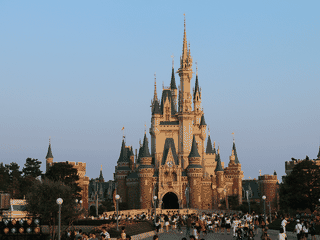

Tokyo Disney Resort
Japan35.63°N 139.88°E
Overview
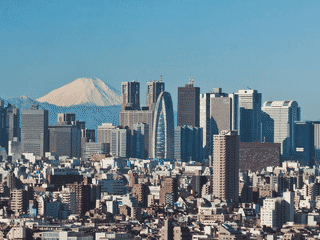
Tokyo mixes modern electronics, skyscrapers, global business, and remnants of old Japan. Temples, cherry blossoms, nightlife, and budget-friendly eats give a first visit many different rhythms.
Languages: Japanese
Why go?
Tokyo is the enormous and wealthy capital of Japan, a fascinating and dynamic metropolis that mixes foreign influences, consumer culture, and global business with remnants of old Japan. From modern electronics and gleaming skyscrapers to cherry blossoms and the Imperial Palace, this city represents the entire sweep of Japanese history and culture. Tokyo truly has something for every traveler, whether you seek temples, nightlife, or budget-friendly eats.
Adapted from Wikivoyage contributors · CC BY-SA 4.0
Get in
Tokyo is served by two major airports: Narita International Airport (NRT) and Tokyo Haneda Airport (HND). Narita is about 60 km east of central Tokyo, while Haneda is closer in Ōta ward. Ibaraki Airport (IBR) also offers limited flights. High-speed Shinkansen services arrive at Tokyo Station, and there are also ferry terminals at Tokyo Port and Kawasaki.
Adapted from Wikivoyage contributors · CC BY-SA 4.0
Get around
The best way to navigate Tokyo is using Google Maps, which shows various options and fares. The JR Yamanote loop line connects major districts. Metro and train fares vary; a bus ride costs about ¥200 per ride. The Suica/PASMO contactless cards are convenient for all public transport.
Adapted from Wikivoyage contributors · CC BY-SA 4.0
When to go
Tokyo has five distinct seasons. Spring (March–April) is famous for cherry blossoms (sakura) in parks like Ueno. The rainy season (late May–June) brings overcast skies and drizzle. Summer (July–August) is hot and humid with occasional typhoons, but also features fireworks festivals like the Sumidagawa Fireworks Festival in late July. Fall (September–November) offers cooler temperatures and colorful foliage. Winter (December–February) is mild with occasional cold spells and rare snow.
Adapted from Wikivoyage contributors · CC BY-SA 4.0
Sleep
Tokyo has thousands of hotels, ranging from cheap to very expensive. Post-COVID, prices have skyrocketed: anything under ¥10,000 is cheap (often for a reason), cramped business hotels are ¥20,000 and up, and luxury can exceed ¥100,000 per night. For long-term stays, be prepared for high real estate costs; many locals commute from neighboring cities.
Adapted from Wikivoyage contributors · CC BY-SA 4.0
Eat & Drink
Eating out in Tokyo can be surprisingly affordable – basic rice or noodle joints start from ¥400. Local specialties include sushi (originating here as Edo-mae zushi), tempura, unagi (eel), and monjayaki (a gooey okonomiyaki from Tsukishima). Izakaya (Japanese pubs) like Tsubohachi and Shirokiya offer picture menus. For drinks, try Hoppy (a beer substitute) or Denki Bran at Kamiya Bar in Asakusa. The New York Bar at Park Hyatt offers stunning views with cocktails from ¥1,400.
Adapted from Wikivoyage contributors · CC BY-SA 4.0
See & Do
Top sights include the temples of Asakusa (Sensoji), the Imperial Palace gardens, and Meiji Shrine in Harajuku. For views, visit the Tokyo SkyTree (634 m), Tokyo Tower, or the free observatories at Tokyo Metropolitan Government Building and Bunkyo Civic Center. Activities include the tuna auction at Toyosu Market, a boat ride on the Sumida River, visiting Disney Resort or Sanrio Puroland, exploring Harajuku's Takeshita Street, and soaking in a sento (public bath) like LaQua.
Adapted from Wikivoyage contributors · CC BY-SA 4.0
Stay safe
Tokyo is one of the safest cities in the world, but common sense still applies. The most common crime is sexual harassment on crowded trains – yell "Chikan." if needed. The San'ya area near Minami-Senju has cheap hostels but is safer for men than women. Police kōban (small stations) are everywhere and provide directions. Avoid following touts in Roppongi – they may lead to overpriced bars. Pickpocketing can occur in crowded areas.
Adapted from Wikivoyage contributors · CC BY-SA 4.0
Connect
Getting a SIM card is easiest at Narita or Haneda airports. Free Wi-Fi is not widespread, but Tokyo Metro offers free Wi-Fi at about 100 stations (registration via email). FreeSpot and the Japan Wi-Fi auto-connect app also provide free spots.
Adapted from Wikivoyage contributors · CC BY-SA 4.0
Budget
A daily backpacker budget in Tokyo might be around ¥5,000-8,000, including a cheap meal from ¥400, a bus/metro ride ¥200, and a dorm bed from ¥3,000. Many attractions are free or low-cost.
Adapted from Wikivoyage contributors · CC BY-SA 4.0
Day trips
Popular day trips from Tokyo include Hakone (hot springs and Mt. Fuji views), Kamakura (temples and Big Buddha), Nikko (grandiose shrine), Yokohama (Japan's second-largest city), and Kawagoe (Little Edo). Also nearby: Hachioji (Mt. Takao), Ashikaga (flower park), and the Izu Islands.
Adapted from Wikivoyage contributors · CC BY-SA 4.0
Etiquette
While English is spoken at major hotels and attractions, learning basic Japanese phrases will smooth your trip. Signs at stations include romaji. Avoid public drunkenness and loud behavior on trains. Shoes are removed when entering homes and some traditional restaurants.
Adapted from Wikivoyage contributors · CC BY-SA 4.0
Go next
From Tokyo, Shinkansen high-speed trains connect to destinations throughout Japan: north to Niigata and Aomori, west to Osaka and beyond. The surrounding Kanto region offers many easy day trips. For longer journeys, consider the Izu or Ogasawara Islands.
Adapted from Wikivoyage contributors · CC BY-SA 4.0
Field guide adapted from Wikivoyage contributors · CC BY-SA 4.0. Text has been adapted and organized for this guide. About our sources.
Places to know
A few starting points from the guide. Check current hours and prices before you go.
- eat
Beer Station
Bar serving Yebisu beers and German food, located at Ebisu.
Adapted from Wikivoyage contributors
- eat
Gen Yamamoto
Bar offering amazing cocktails in tasting flights of 4 or 6 drinks.
Recorded price: ¥6,000 for 6 drinks
Adapted from Wikivoyage contributors
- eat
Kamiya Bar
Historic bar in Asakusa, known for Denki Bran (electric brandy).
Adapted from Wikivoyage contributors
- eat
New York Bar
High-end cocktail bar on the 52nd floor of Park Hyatt Shinjuku, featured in Lost in Translation.
Recorded price: Cocktails from ¥1,400
Adapted from Wikivoyage contributors
- eat
Popeye
Bar with 70 beers on tap in Ryogoku.
Adapted from Wikivoyage contributors
- eat
Shirokiya
Cheap chain izakaya with picture menus, popular for all-you-can-drink and eat.
Recorded price: ¥300-800 per item
Adapted from Wikivoyage contributors
- eat
Tsubohachi
Cheap chain izakaya with picture menus, great for trying Japanese pub food.
Recorded price: ¥300-800 per item
Adapted from Wikivoyage contributors
- see
Bunkyo Civic Center
Free observatory near Tokyo Dome, described as a 'colossal Pez candy dispenser'.
Recorded price: Free
Adapted from Wikivoyage contributors
Before you go
Connectivity
Free Wi-Fi is limited; get a SIM card at the airport. Tokyo Metro offers free Wi-Fi at many stations.
Culture
Respect local customs: remove shoes, be quiet on trains, avoid eating while walking.
Health
Tap water safe. No special vaccinations needed.
Language
English is not widely spoken, but signs include romanized station names. Basic Japanese phrases help.
Local transport
Use Suica/PASMO cards for trains and buses. Google Maps is essential.
Money
Cash is king, but credit cards are widely accepted at major retailers. ATMs dispense ¥10,000 notes; Japan Post ATMs are bilingual and fee-free for withdrawals.
Safety
Tokyo is very safe, but be aware of sexual harassment on crowded trains and avoid following touts in Roppongi.
Tipping
Tipping is not practiced in Japan and can be considered rude.
Transport
Google Maps is the best tool for navigation. A bus ride costs about ¥200; metro/train fares vary.
Visa context
Visa rules depend on passport; check current entry rules before booking.
Water
Tap water is safe to drink.