Kitakyushu
East Asia · Japan
Did you know?
- Karashi mentaiko, tonkotsu ramen, and yaki-udon anchor the local food scene.
- The Wakato Ferry crosses between Tobata and Wakamatsu in three minutes for ¥50 per person.
- Kokura was spared the second atomic bomb after cloudy weather diverted the plane to Nagasaki.
See also
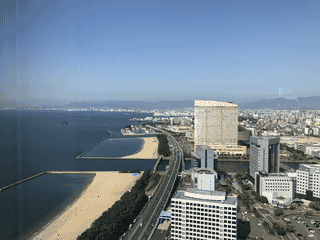

Fukuoka
Japan33.58°N 130.40°E · 8 m
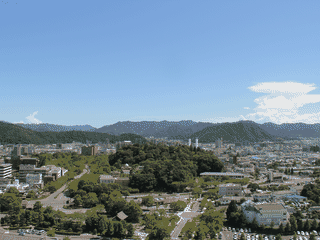

Yamaguchi
Japan34.18°N 131.47°E
Overview
Kitakyushu combines industrial history with castles, karst landscapes, lively markets, and the Kanmon Straits. Base yourself near Kokura for food, transit connections, and varied neighborhoods across the city's former constituent towns.
Languages: Japanese
Why go?
Kitakyushu is Japan's largest city by area in Kyushu, created in 1963 from five smaller cities: Kokura, Moji, Tobata, Wakamatsu, and Yahata. Despite its industrial reputation, the city offers diverse neighborhoods with historic castles, vibrant festivals, karst plateaus, and access to the Kanmon Straits. Kokura was originally chosen as the target for the second atomic bomb in WWII but was spared due to cloudy weather, leading the plane to divert to Nagasaki instead. The city provides a more relaxed alternative to nearby Fukuoka with excellent museums, traditional markets, and authentic local cuisine like karashi mentaiko and tonkotsu ramen.
Adapted from Wikivoyage contributors · CC BY-SA 4.0
Get in
Kitakyushu Airport (Kitakyūshū Kūkō) opened in 2006 on reclaimed land in Suo nada, serving domestic routes via JAL, ANA, and discount carrier StarFlyer to Tokyo Haneda and Nagoya Komaki, plus weekly flights to Kaohsiung, Taiwan. Kokura Station is the main railway hub on the San'yō Shinkansen Line, served by Nozomi, Mizuho, Sakura, and Hikari Rail Star trains connecting to Hiroshima, Osaka, Kyoto, Nagoya, Tokyo, Kumamoto, and Kagoshima. The Japan Rail Pass covers all Shinkansen services except Nozomi and Mizuho trains.
Adapted from Wikivoyage contributors · CC BY-SA 4.0
Getting around
Local transport includes JR lines, Nishitetsu buses, and the Hobashira cable car to Mount Sarakura. The Wakato Ferry connects Tobata and Wakamatsu wards—Japan's shortest and cheapest ferry at just 3 minutes for ¥50 per person or ¥50 per bicycle. Taxis serve Hiraodai plateau from Nakatani Nishitetsu bus terminal, with departures twice daily on weekdays and four times on weekends/holidays. Bicycles can be rented from Dobaru cycling terminal for exploring areas like Sugao no taki waterfall.
Adapted from Wikivoyage contributors · CC BY-SA 4.0
When to go
Kitakyushu experiences hot, humid summers (July-August averages 30-31°C) and cool winters (January averages 2.8-9.8°C). July is festival season with the Kokura Gion (third weekend), Tobata Gion Yamagasa (fourth weekend), Kurosaki Gion (July 20-23), and Wakamatsu Summer Festival. The Wasshoi Hyakuman Summer Festival in early August features dance groups, parades, and fireworks. Spring offers mild weather ideal for hiking Hiraodai plateau, while autumn provides comfortable temperatures for sightseeing.
Adapted from Wikivoyage contributors · CC BY-SA 4.0
Where to stay
Accommodation options range from luxury to budget throughout the city. The Rihga Royal Hotel Kokura is the top hotel in town, located north of Kokura Station. Budget travelers can try MediaCafe internet cafe accommodation (from ¥100/hour to under ¥40,000/month) near the station's north exit. The Kokura station information desk on the third floor can help with bookings. The Uomachi area near the station has many restaurants and convenience for transportation.
Adapted from Wikivoyage contributors · CC BY-SA 4.0
Food and drink
Kitakyushu is famous for karashi mentaiko (spicy pickled cod roe), tonkotsu ramen (the stinkier the better), and yaki-udon (like yakisoba but with udon noodles). Chanpon, yakiniku, and Korean bibimba are also popular. For cheap eats, explore the basement of Izutsuya department store or Himawari Street near Kokura Station's Shinkansen gate, which has sports yakitori bars, oden, okonomiyaki, and retro-styled tonkotsu ramen places. The sixth floor of Amu Plaza has a kaiten sushi restaurant where chefs make sushi to order including grilled fish and vegetarian options like kappamaki. Hardtack (based on wheat flour and water) has been sold in Yahata since the 1920s. Three Starbucks locations exist in Kokura, including one in Riverwalk and one inside SunLive City shopping mall.
Adapted from Wikivoyage contributors · CC BY-SA 4.0
Things to do
Kokura Castle, built in 1602 and reconstructed in 1990, features a keep with a folkloric museum, video shows about Edo-period life, and scale models by a volunteer craftsman. Admission is ¥350 for the keep, ¥300 for the Japanese garden, ¥400 for Matsumoto Seicho museum, or ¥700 for all three. The Hiraodai karst plateau in Kokura Minami ward offers hiking and camping among sheep-like limestone rocks, with the Shōnyūdō cave requiring wading through ice-cold water in summer. The Dokaiwan night cruise (¥3,000 per person) runs Fridays in August from Tobata ferry stage, featuring live Hawaiian music and beer. Walk through the Kanmon Pedestrian Tunnel from Moji-ko to Shimonoseki on Honshu in about 10 minutes, then ride a cable car up Hinoyama for views of the Kanmon Straits.
Adapted from Wikivoyage contributors · CC BY-SA 4.0
Buy
The spacious Riverwalk shopping complex near Kokura Castle offers ultra-modern retail therapy by the Murasaki River. Izutsuya is a classical department store with a good basement food hall. The Uomachi shopping area near Kokura Station provides diverse retail options. Tanga Market is Japan's oldest shopping arcade with fresh fish, fruit, and vegetables in abundance. Aru Aru City near Kokura Station's north exit is Kitakyushu's otaku culture center with anime, manga, and game-themed shops, plus a manga kissa and the Kitakyushu Manga Museum.
Adapted from Wikivoyage contributors · CC BY-SA 4.0
Stay safe
Kudo-kai, a yakuza organization known to use firearms and explosives, has headquarters in Kitakyushu. While the situation has improved, travelers should stay away from gang activities. During past gang wars, hand grenades were used frequently. If you encounter any suspicious objects, do not touch them—dial 110 for police assistance. Otherwise, Kitakyushu is generally a safe city for visitors.
Adapted from Wikivoyage contributors · CC BY-SA 4.0
Connectivity
Japan uses Type A and Type B power plugs (100V, 50/60Hz). WiFi is available at many hotels, cafes, and the MediaCafe internet cafe near Kokura Station. Mobile connectivity is excellent throughout the city with major carriers offering SIM cards and pocket WiFi rentals.
Adapted from Wikivoyage contributors · CC BY-SA 4.0
Budget
A backpacker can expect to spend ¥3,000-5,000 per day in Kitakyushu, including budget accommodation (¥2,000-4,000 for a capsule or business hotel), meals at conveyor belt sushi (¥500-1,500 per meal), local ramen (¥700-1,000), and transportation (¥100-500 daily for local trains and buses). Museum admissions typically range from ¥100-700. The Dokaiwan cruise costs ¥3,000 per person.
Adapted from Wikivoyage contributors · CC BY-SA 4.0
Day trips
Shimonoseki on Honshu is a short train ride from Kokura, accessible via the Kanmon Pedestrian Tunnel walk or Shinkansen. StarFlyer offers ¥1,000 taxi service between Kitakyushu Airport and Shimonoseki for passengers connecting to/from Tokyo. Hakata Station in Fukuoka is 20 minutes by Shinkansen or about one hour by express train. Nearby towns like Nakama, Nogata, Kanda, Yukuhashi, Munakata, Chikujo, and Kurate offer additional exploration opportunities.
Adapted from Wikivoyage contributors · CC BY-SA 4.0
Go next
From Kokura Station, Shinkansen connect to Hakata (Fukuoka) in 20 minutes, Hiroshima in about 50 minutes, and Osaka in about 1.5 hours. JR lines serve Moji Station for connections to Shimonoseki, Kumamoto, and southern Kyushu destinations. The Kanmon Pedestrian Tunnel offers a unique walking route to Shimonoseki on Honshu, where you can ride a cable car up Hinoyama for panoramic views. Kitakyushu Airport provides domestic flights to Tokyo and Nagoya, plus international service to Kaohsiung, Taiwan.
Adapted from Wikivoyage contributors · CC BY-SA 4.0
Field guide adapted from Wikivoyage contributors · CC BY-SA 4.0. Text has been adapted and organized for this guide. About our sources.
Places to know
A few starting points from the guide. Check current hours and prices before you go.
- sleep
Daiwa Roynet Hotel Kokura-ekimae
Good rooms and food.
Adapted from Wikivoyage contributors
- sleep
MediaCafe
They have an English price list, and you can find monthly on the bottom of the sheet.
Recorded price: Depends on how long you want to stay. Renting from ¥100 to sit down per hour and use their wifi in the common room, open booth, privates and monthly is under ¥40,000
Adapted from Wikivoyage contributors
- sleep
Rihga Royal Hotel Kokura
The top hotel in town and the only Rihga Royal hotel in Kyushu.
Adapted from Wikivoyage contributors
- eat
Hardtack (Yahata specialty)
Traditional hardtack biscuit sold in Yahata since the 1920s—very hard, made from wheat flour and water.
Adapted from Wikivoyage contributors
- eat
Himawari Street Restaurants
Area behind Kokura Station near Shinkansen gate with sports yakitori bars, oden, okonomiyaki, yakisoba, and retro-styled tonkotsu ramen places.
Recorded price: ¥500-1,200
Adapted from Wikivoyage contributors
- eat
Izutsuya Department Store Basement
Great selection of deli take-out items, prepared foods, and local specialties in the basement floor.
Recorded price: ¥300-800
Adapted from Wikivoyage contributors
- eat
Kaiten Sushi (Amu Plaza 6th floor)
Conveyor belt sushi restaurant where chefs make sushi to order, including grilled fish and vegetarian options like kappamaki.
Recorded price: ¥500-1,500 per meal
Adapted from Wikivoyage contributors
- eat
Rihga Royal Hotel
This hotel has several high-priced restaurants.
Adapted from Wikivoyage contributors
Before you go
Connectivity
Japan uses Type A/B plugs (100V). Free WiFi is limited; consider renting a pocket WiFi or purchasing a SIM card from major carriers like NTT Docomo, SoftBank, or au.
Food
Kitakyushu specialties include karashi mentaiko (spicy cod roe), tonkotsu ramen, and yaki-udon. Tanga Market is Japan's oldest shopping arcade for fresh produce. Convenience store basements offer good take-out options.
Money
Japan uses Japanese Yen (JPY). Credit cards are accepted at hotels, department stores, and larger restaurants, but many smaller establishments, markets, and local ramen shops are cash-only. ATMs at convenience stores (7-Eleven, Lawson) accept foreign cards.
Safety
General crime is low, but Kudo-kai yakuza organization is based here. Avoid gang involvement and suspicious objects. Emergency number is 110 for police.
Transport
Kokura Station is the main hub on the San'yō Shinkansen. Japan Rail Pass covers Hikari, Sakura, and most trains but not Nozomi or Mizuho. Local buses and taxis serve areas without train lines like Hiraodai plateau.
Weather
Summers are hot and humid (June-August, 27-31°C). Winters are cool (December-February, 2-12°C). July and early August feature major festivals including Gion celebrations across multiple wards.