
Sekigahara
East Asia · Japan
Did you know?
- Most battlefield routes take 120–140 minutes, with a shorter 90-minute option.
- The memorial museum combines bird's-eye battle views with 4D films and hands-on weapons exhibits.
- On October 21, 1600, Tokugawa Ieyasu defeated Ishida Mitsunari's Western Alliance.
See also
.png)
Nagahama
Japan35.38°N 136.28°E

Gifu
Japan35.42°N 136.77°E
Hikone
Japan35.27°N 136.27°E
Overview
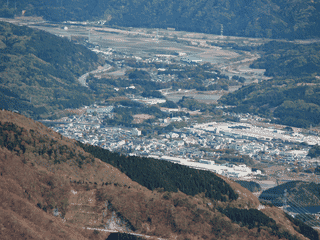
Sekigahara is a quiet rural battlefield landscape where the 1600 clash between Tokugawa Ieyasu and Ishida Mitsunari reshaped Japan. Walkable trails, bilingual markers, and a modern memorial museum turn the valley into a focused history outing.
Languages: Japanese
Why Go?
Sekigahara is Japan's most famous samurai battlefield, where on October 21, 1600, Tokugawa Ieyasu defeated Ishida Mitsunari's Western Alliance to begin 265 years of Tokugawa shogunate rule. The rural town of just 7,000 residents sits nestled in a small valley between mountains, offering peaceful hiking trails through bamboo forests and historic sites marked with English-Japanese signage. Unlike crowded tourist destinations, Sekigahara sees minimal large tour buses, making it ideal for history enthusiasts who want to walk the actual battlefield in relative solitude. The town is a sister city to both Waterloo (Belgium) and Gettysburg (USA), reflecting its global military significance.
Adapted from Wikivoyage contributors · CC BY-SA 4.0
Getting There
Sekigahara Station is a small unstaffed rural station on the JR Tokaido Main Line with two platforms serving four trains daily. From Kyoto, take the JR Shinkansen to Maibara (25 min) then transfer to the local train (15 min to Sekigahara). From Nagoya, take the JR Shinkansen to Gifu-Hashima (20 min) then transfer; the total journey is approximately 1-2 hours depending on connections. The station has vending machines and restrooms but no shops or restaurants—arrive prepared or eat before coming.
Adapted from Wikivoyage contributors · CC BY-SA 4.0
Getting Around
The entire battlefield area is walkable, with well-marked paths connecting all major sites. Most hiking routes take 120-140 minutes, though one shorter route takes 90 minutes. Free maps at the Tourist Information Center and the bridge over train tracks show the Commander's Hike routes in both English and Japanese, including distances and estimated walking times. Some paths double as small roads with painted sidewalks—share the road with occasional cars. Bicycles are recommended for reaching outlying sites like Ōtani Yoshitsugu's Grave, though the final mountain ascent requires walking.
Adapted from Wikivoyage contributors · CC BY-SA 4.0
When to Go
The Battle of Sekigahara Festival occurs on the closest weekend before October 21st, featuring battle reenactments and matchlock gun demonstrations—similar to American Civil War reenactments and highly recommended for military history buffs. Summer brings fireflies (hotaru) that can be spotted throughout the countryside; small enough to walk on your hand, they represent souls of the dead in folk tradition. Spring and autumn offer mild weather ideal for hiking. The area can be inundated with Japanese schoolchildren during certain parts of the school year. Avoid if you need nightlife or diverse dining options.
Adapted from Wikivoyage contributors · CC BY-SA 4.0
Where to Stay
Sekigahara itself has very limited accommodation—one ryokan (traditional Japanese inn) and one glamping spot. Masuya Ryokan (¥8500) is located at the former Sekigahara Post Town on the old Nakasendo Route. Kito Sekigahara offers glamping with three options: glamping dome, villa suite, and dog cabin with pet run, all including open-air onsen baths. For conventional hotels, the nearest options are in Ogaki (20-30 minutes east by train) or Maibara (20-30 minutes west), both easily accessible. Advance booking is essential during the October festival.
Adapted from Wikivoyage contributors · CC BY-SA 4.0
Food and Drink
Following NHK's 2023 drama series about Ieyasu, investment in the area has brought several new restaurants and cafes. Ibukian inside the Battlefield Memorial Museum offers good, relatively cheap cafeteria-style food. Uoshige specializes in eel dishes on the south side of town (Th-Tu 11:00-14:00, 17:00-20:00). For views of surrounding mountains, try Restaurant Mirai near the Battle Commencement Marker (W-Sa 11:30-15:30). Jya Jya near the Tourist Information Center serves dinner (W-M 17:00-23:00) and lunch (Th-Su 11:00-14:00). There are no bars in Sekigahara—the closest are in Ogaki. Sake bottles are available at the museum gift shop or convenience stores.
Adapted from Wikivoyage contributors · CC BY-SA 4.0
Things to Do
The Gifu Sekigahara Battlefield Memorial Museum (built 2020, ¥500 adults/¥400 students/¥300 kids) provides essential context with bird's-eye battle views and 4D theater movies (English subtitles available); the 3rd floor has hands-on weapon exhibits. Walk the Battlefield Commencement Marker where the first shots fired, then visit Tokugawa's Final Encampment (Field Camp Ground) where he held council after victory. Ishida Mitsunari's Encampment on Sasao-yama hill offers commanding views. The infamously traitorous Kobayakawa Hideaki's encampment site and Ōtani Yoshitsugu's Grave (reachable by bicycle) mark other key locations. For families, the Sekigahara Limestone Cave (¥700) maintains 15°C year-round with flat pathways, while Eco Museum Sekigahara (free) features interactive flora and fauna exhibits.
Adapted from Wikivoyage contributors · CC BY-SA 4.0
Buy
Shogi (Japanese chess) boards set up like the Sekigahara battlefield make unique souvenirs (¥800). Museum gift shops sell items with various daimyo family crests, samurai-themed products, local sake, and clothing. Given the heavy presence of Japanese schoolchildren on tours, plenty of child-oriented souvenirs exist: plastic katanas, wooden samurai puzzles, and kids' shirts. The Sekigahara Memorial Museum Bekkan (souvenir annex) offers clothing, stationery, pottery, books, maps, and edible souvenirs with Eastern and Western army emblems. All shops cluster along major roads near the station and museums.
Adapted from Wikivoyage contributors · CC BY-SA 4.0
Stay Safe
Sekigahara is extremely safe like most of rural Japan—crime is not an issue, and solo travelers navigate freely without attracting unwanted attention. However, some paths between sites (particularly between the Battlefield Memorial post and Okayama Signaling Hill) traverse forests where bears are present; make noise and carry bear bells if hiking these routes. Insects can be nuisance, especially in forested areas and fields—bring repellent. Some signs have faded or are unclear, and while the Commander's hike maps don't show every intersection, they accurately represent path bends and turns. Most paths are actually small roads with painted sidewalks; share the road with occasional vehicles.
Adapted from Wikivoyage contributors · CC BY-SA 4.0
Connectivity
English-language material is available in the museums and on historical signs by the sites, but deeper interaction with the town requires solid Japanese language skills or a good translator. The Gifu Sekigahara Battlefield Memorial Museum reports that staff don't speak English and about 85% of exhibits have English translations; movies include English subtitles. WiFi availability is not specified in the article—assume limited connectivity in this rural area and prepare accordingly. Japan uses Type A and B power plugs (two flat prongs, same as US).
Adapted from Wikivoyage contributors · CC BY-SA 4.0
Go Next
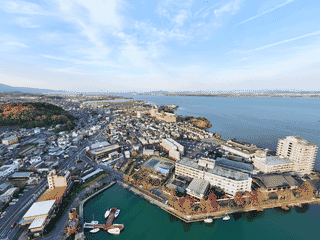
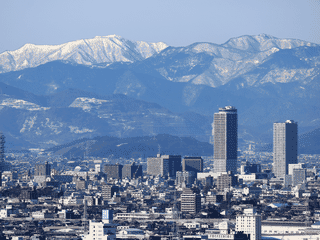
Most visitors combine Sekigahara with larger destinations: Kyoto (west via Maibara) or Nagoya/Gifu (east). Hikone, southwest of Maibara on Lake Biwa, contains one of Japan's 12 original castles. Maibara itself offers Lake Mishima firefly viewing and serves as a major train transfer point. Nagahama, also on Lake Biwa west of Maibara, offers additional lakeside attractions. Ogaki, the nearest city eastward, has hotels and bars (the closest to Sekigahara) plus serves as the gateway to Gifu Prefecture's capital. Tarui is the first settlement entered when traveling east from Sekigahara.
Adapted from Wikivoyage contributors · CC BY-SA 4.0
Field guide adapted from Wikivoyage contributors · CC BY-SA 4.0. Text has been adapted and organized for this guide. About our sources.
Places to know
A few starting points from the guide. Check current hours and prices before you go.
- sleep
Kito Sekigahara
A glamping spot with 3 different options; the glamping dome, the villa suite, and the dog cabin which includes a dog run for travelers with pets. All accommodations include an open-air onsen bath.
Adapted from Wikivoyage contributors
- sleep
Masuya Ryokan
An inn located at the former Sekigahara Post Town (Sekigahara-juku) on the old Nakasendo Route.
Recorded price: ¥8500
Adapted from Wikivoyage contributors
- eat
Coco Cafe
A small cafe near Okayama's Signalling Hill.
Adapted from Wikivoyage contributors
- eat
Fusen
A cafe across the street from the Battlefield Museum.
Adapted from Wikivoyage contributors
- eat
Hanaibuki Restaurant Sekigahara
A restaurant and general store located near War Land and the Iketera Pond.
Adapted from Wikivoyage contributors
- eat
Ibukian
Small cafeteria-style cafe with good and relatively cheap food.
Adapted from Wikivoyage contributors
- eat
Jya Jya
Adapted from Wikivoyage contributors
- eat
Omatsu Sushi
A sushi restaurant near Uoshige restaurant on the south side of town.
Adapted from Wikivoyage contributors
Before you go
Language
Japanese language skills or a translator app is essential for deeper interactions; museums provide 85% English translations and English-Japanese maps at sites.
Money
Japan is cash-preferential; carry yen as many rural establishments don't accept cards. ATMs may be limited—withdraw before arriving from larger cities.
Packing
Comfortable walking shoes essential for battlefield trails. Bring bear bell for forest paths, insect repellent summer through autumn.
Safety
Rural safety is high, but forest paths have bears—make noise hiking between sites. Bring insect repellent for summer trails.
Transport
Sekigahara Station is unstaffed with limited trains (4 daily); transfer at Maibara (from Kyoto) or Gifu-Hashima (from Nagoya). No taxis or rideshare guaranteed—plan train times carefully.
Weather
Best visited spring through autumn for hiking; summers bring fireflies but also heat. October festival weekend is busiest. Winter trails to War Land discounted (¥500).