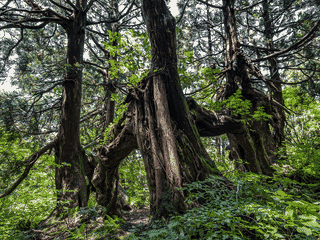
.jpg)
Sado Island
East Asia · Japan
Did you know?
- A late-August taiko festival centers on the famous O-daiko great drum.
- There are no bears on the island, and hitchhiking is described as fairly effective.
- The historic gold mines gained UNESCO World Heritage status in 2024.
See also
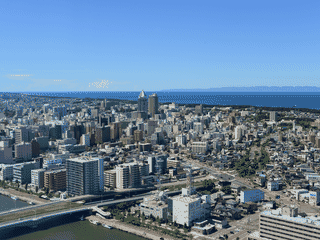

Niigata
Japan37.92°N 139.04°E
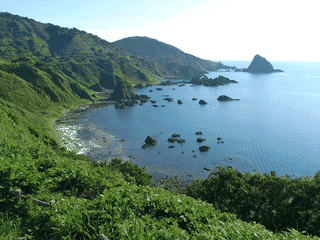

Awashima
Japan38.46°N 139.24°E · 265 m
Overview
Sado Island combines rural landscapes, former exile history, gold-mining heritage, and a strong seafood culture without the crowds of Japan's better-known destinations. Summer supports mountain walks, beaches, diving, and the late-August Earth Celebration, while spring and autumn offer a quieter rhythm.
Languages: Japanese
Why Go
Sado Island offers a rare glimpse of old, rural Japan without the crowds of more famous destinations. The island served as exile for Emperor Juntoku and Buddhist monk Nichiren, and its gold mines once supplied a fifth of the world's gold. Since 2024, the historic gold mines hold UNESCO World Heritage status. Summer brings pleasant weather for hiking the Osado mountains and swimming at Sawata beach, while the Earth Celebration taiko festival in late August draws music lovers from around the world.
Adapted from Wikivoyage contributors · CC BY-SA 4.0
Understand
Long a remote place of exile for political dissidents, Sado experienced a boom during the Edo era when gold was found at Aikawa. A major source of revenue for the Tokugawa shogunate that at one time accounted for as much as a fifth of the world's gold production, the mines were worked in horrific conditions by slave labor. The northern half is covered with the Osado mountain range (peaks over 1000 m), the southern with the Ko-sado range, and the Kuninaka plain in between holds rice fields. The permanent population is about 50,000 (2022).
Adapted from Wikivoyage contributors · CC BY-SA 4.0
Getting In
Sado is accessed by ferry from the mainland. The main routes connect from Joetsu and Niigata on the Japan Sea coast to Ryotsu, the island's largest town on the eastern side. Crossing times vary depending on the route and vessel type.
Adapted from Wikivoyage contributors · CC BY-SA 4.0
Getting Around
Renting a car in Ryotsu upon ferry arrival is highly recommended for seeing the island's scenic coastal roads, which are quite windy and span over 250 km for a full circuit. Electric bicycle rental is available at Sagata bus center, Aikawa Orito, and other locations at ¥500 for the first hour, ¥200 per additional hour, capped at ¥2000 per day. Hitchhiking is described as a fairly effective way to get around, and there are no bears on Sado Island.
Adapted from Wikivoyage contributors · CC BY-SA 4.0
When To Go
Summer (June-August) is the most popular time to visit Sado, with pleasant weather suitable for hiking, beach activities, and outdoor festivals. The Earth Celebration arts festival takes place in late August in the Ogi area. Winters can be harsh with strong winds and significant snowfall that may cause ferry cancellations and road closures. Spring and fall offer milder weather with fewer tourists, though some attractions may have shorter hours.
Adapted from Wikivoyage contributors · CC BY-SA 4.0
Where To Stay
Ryotsu near the ferry terminal offers mid-range options like Sado Seaside Hotel from ¥6000 per night without breakfast. Budget travelers can stay at youth hostels: Sotokaifu Youth Hostel on the northern coast from ¥3700-4300 per night with meals available, or Green Village Youth Hostel in Niibo village from ¥3800. Traditional ryokan experiences include Yahatakan Ryokan on the western side of the central plain with Japan Sea views from ¥8500 per person including two meals, and Hotel Oosado in the former gold-mining town of Aikawa from ¥9500 with meals.
Adapted from Wikivoyage contributors · CC BY-SA 4.0
Food And Drink
Sado is renowned for its fresh seafood, with excellent sashimi and sushi available at Benkei sushi bar in Sawata, which also offers delivery service. Kamo Lake is a growing area for oysters. The island's cattle grazing on Osado's green slopes produce prized Sado Beef. For casual dining, Kassai in Ogi serves basic shokudo with fresh daily fish, while Nakabori-tei in Sawata offers good tonkatsu in atmospheric surroundings. The island has seven sake breweries, with three concentrated in the hamlet of Mano on the western coast. Stop by the tourist office (Shinmachi 489, +81 259-55-3539) to sample local sake and purchase a sake passport for ¥500 to document your tastings.
Adapted from Wikivoyage contributors · CC BY-SA 4.0
Things To Do
The UNESCO-listed Sado Gold Mine near Aikawa offers two tunnel courses: the Sohdayu Tunnel and Dohyu Tunnel, each ¥900, or both for ¥1400. Visit the Sado Toki Preservation Center in Niibo to observe the Japanese Crested Ibis (Toki) from afar. The Earth Celebration taiko drumming festival in late August features world performers on the famous O-daiko great drum, with tickets priced ¥4000+ and limited to 1000 sold. In Ogi, ride traditional barrel-shaped tarai-bune boats by the hour. Trekking in the Osado mountain range requires a permit for the Mt. Kinpoku summit area, easily obtained on-site. Diving centers operate in the Ogi area and Senego.
Adapted from Wikivoyage contributors · CC BY-SA 4.0
Safety
Sado is generally a safe, rural destination with a low crime rate typical of small-town Japan. Road access for the northeastern part of the island can become problematic in winter after heavy snow, and some mountain roads may close. Transportation disruptions including ferry cancellations are common during winter storms. Hitchhiking is described as a viable option, and there are no bears on the island.
Adapted from Wikivoyage contributors · CC BY-SA 4.0
Budget
Budget travelers can expect to spend approximately ¥3000-4000 per night at youth hostels with shared facilities. Self-catering at local convenience stores and basic shokudo restaurants will cost ¥500-1000 per meal. Electric bicycle rental offers good value at ¥2000 maximum per day. Inter-island ferry costs vary by route. Major attractions like the Sado Gold Mine require ¥900-1400 for tunnel tours. Budget an additional ¥500 for a sake passport if visiting the seven breweries in Mano.
Adapted from Wikivoyage contributors · CC BY-SA 4.0
Day Trips
The coastal scenic drive around Sado following the coastal road spans over 250 km and makes for a full day's excursion. The Ogi area on the southern coast offers tarai-bune boat rides and diving opportunities, while Aikawa in the north provides access to the historic gold mines. The Sado Toki Preservation Center in Niibo allows observation of Japan's endangered crested ibis. Senego on the eastern coast has diving facilities. The remote Awashima Island lies 50 km north of Sado but requires traveling back to the mainland and north to Iwafune.
Adapted from Wikivoyage contributors · CC BY-SA 4.0
Go Next
Sado is essentially the end of the line; the only way off the island is by ferry back to the mainland, either to Joetsu or Niigata. From Niigata, bullet trains connect to Tokyo in about two hours. For those seeking more Sea of Japan island experiences, Awashima Island (much smaller and more remote) lies 50 km north, reachable by getting back to the mainland and traveling to Iwafune harbor near Murakami, 30 km north of Niigata.
Adapted from Wikivoyage contributors · CC BY-SA 4.0
Field guide adapted from Wikivoyage contributors · CC BY-SA 4.0. Text has been adapted and organized for this guide. About our sources.
Places to know
A few starting points from the guide. Check current hours and prices before you go.
- sleep
Green Village Youth Hostel
Bookable online through the Welcome Inn Reservation system.
Recorded price: From ¥3800
Adapted from Wikivoyage contributors
- sleep
Hotel Azuma
(in Japanese). Regular rooms from less than ¥10000, but luxury rooms at a very steep ¥40000 per room (without meal). You can expect to get what you pay for: massage chairs in large tatami rooms with good views over the Sea of Japan, private dining space, private outdoor bath (Rotenburo). At least you get free wifi in both.
Adapted from Wikivoyage contributors
- sleep
Hotel Oosado
(in Japanese). A typical large modern Japanese ryokan, with everything you can expect from this kind of establishment (nice food, a Rotenburo, outdoor bath). If you do not feel comfortable sleeping on tatami, there are western-style rooms available. Prices from around ¥9500, with two meals.
Adapted from Wikivoyage contributors
- sleep
Sado Seaside Hotel
Not too far from the ferry in Ryotsu. Rooms start from ¥6000, without breakfast.
Adapted from Wikivoyage contributors
- sleep
Sotokaifu Youth Hostel
On the Northern coast with two meals.
Recorded price: Rooms from ¥3700 for members, ¥4300 for non-members, breakfast: ¥760, dinner: ¥1300
Adapted from Wikivoyage contributors
- sleep
Yahatakan Ryokan
Large building on the Western side of the central plain, allowing for great views on the Japan Sea. Promotional rates from ¥8500/person, including two meals.
Adapted from Wikivoyage contributors
- eat
Benkei
in Sawata is a Sushi Bar of Sado, which will allow you to try the excellent local fish. For those staying longer on the Island, Benkei also offers delivery service.
Adapted from Wikivoyage contributors
- eat
Kassai
Basic Japanese shokudō eatery serving up all the usual prospects, freshly made. Try the fish of the day.
Adapted from Wikivoyage contributors
Before you go
Connectivity
Hotel Azuma offers free WiFi. Mobile coverage exists but may be limited in remote mountain areas. Consider purchasing a Japanese SIM card or eSIM before visiting.
Culture
Sado has a rich cultural heritage from its gold rush era and exile history. Traditional Okesa dance and Tsuburosashi fertility dance are still performed at festivals.
Food
Fresh seafood (sashimi, sushi, oysters from Kamo Lake) and Sado Beef are local specialties. Seven sake breweries produce local varieties, particularly in Mano village.
Money
Remote island with limited ATM acceptance. Bring sufficient Japanese yen from mainland. Some hotels and ryokan accept credit cards but smaller establishments may be cash-only.
Transport
Ferry is the only way to reach Sado Island from Joetsu or Niigata. Winter weather can cause cancellations. A rental car in Ryotsu is ideal for exploring the island's 250+ km of scenic coastal roads.
Weather
Summers are pleasant for outdoor activities, but winters bring harsh winds, heavy snow, and potential transportation disruptions. Road closures in the northeastern mountain areas are common in winter.