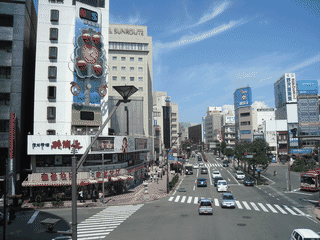

Nagano
East Asia · Japan
Did you know?
- Zenkō-ji has served as a major pilgrimage center since the seventh century.
- Jigokudani's snowbathing Japanese macaques are a 30-minute trip away.
- Oyaki are steamed buns filled with savory or sweet fillings.
See also
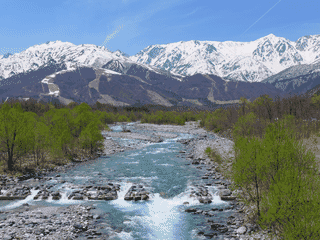

Hakuba
Japan36.70°N 137.87°E
Matsumoto
Japan36.23°N 137.97°E
Overview
Nagano pairs a major Buddhist pilgrimage temple with Olympic-era infrastructure, Japanese Alps access, and distinctive local food. It is a relaxed base for onsen, skiing, mountain day trips, and temple-town wandering.
Languages: Japanese
Why go?
Nagano served as a major pilgrimage center for Zenkō-ji temple since the 7th century, and its Olympic legacy from the 1998 Winter Games created lasting sports infrastructure. The city sits at the gateway to the Japanese Alps, making it a natural base for onsen soaks at Jigokudani Monkey Park (30 minutes away) and ski resorts like Shiga Kogen, Japan's largest. Unlike Tokyo or Kyoto, Nagano sees far fewer international visitors, offering a more relaxed temple-city atmosphere with excellent local food like Togakushi soba and Oyaki dumplings.
Adapted from Wikivoyage contributors · CC BY-SA 4.0
Get in
Nagano is accessible via the Hokuriku Shinkansen from Tokyo (about 80 minutes) and from Kanazawa via Toyama. The Joshinetsu Expressway connects northward to Joetsu and southward toward Fujioka. Local trains on the Shinano Railway serve stops including Ueda to the east and Chikuma to the south.
Adapted from Wikivoyage contributors · CC BY-SA 4.0
Get around
The Gururingo (ぐるりん号) bus loops around the city center for a flat ¥100 fare within the main area. Nagano Station serves as the transit hub, with Zenkō-ji Temple reachable on foot in about 25 minutes or via the loop bus.
Adapted from Wikivoyage contributors · CC BY-SA 4.0
When to go
Nagano experiences cold winters with heavy snowfall (630 cm in January), ideal for skiing at nearby resorts. Summer brings the Binzuru Festival on the first Saturday in August, with over 200 groups dancing through Chuo-dori. Spring offers mild weather, while autumn provides pleasant temperatures and fall foliage. The hibutsu (hidden Buddha) at Zenkō-ji is displayed every six years, with the next exhibition due in 2027.
Adapted from Wikivoyage contributors · CC BY-SA 4.0
Where to stay
Budget travelers should consider 1166 Backpackers (dorm ¥2600, private rooms ¥5600-7200) near Zenkō-ji, or Moritomizu Backpackers Hostel (dorms ¥2600, private from ¥3600) close to Nagano Station with free WiFi and no curfew. For temple lodging, Zenkoji Kyoujuin offers shared rooms with futon at ¥3360 in a former temple building. The Go-Honjin Fujiya, founded in 1661, provides elegant traditional inn experience south of Zenkō-ji's main gate.
Adapted from Wikivoyage contributors · CC BY-SA 4.0
Food and drink
Nagano's signature dish is Togakushi soba, buckwheat noodles served cold with dipping sauce. Oyaki are steamed buns filled with savory or sweet fillings, famously sold at Irohado. The Sakura restaurant inside Nishi-no-Mon brewery features miso-based dishes made with sake by-products, including unusual miso ice cream for dessert. Shinshu soba is healthy, delicious, and budget-friendly throughout the city. For nightlife, Shiga-Kogen Brewery in Yudanaka offers free sake and beer tasting, while Parley provides a pirate-themed bar experience near Nagano Station.
Adapted from Wikivoyage contributors · CC BY-SA 4.0
Things to do
Zenkō-ji Temple, built in the 7th century, is the major draw with its hidden Buddha statue shown publicly every six years (next in 2027). The Nagano Prefectural Art Museum reopened in 2021 with ¥500 admission, featuring Higashiyama Kaii's tranquil landscapes. The Binzuru Festival on the first Saturday in August sees over 200 groups dancing through Chuo-dori. For onsen, Kagai Onsen Ichiyoukan (¥400) offers separate flowing baths, while Omura Onsen Makibanoyu (¥500) has magnificent Northern Alps views from its rotenburo. History buffs can explore the Matsushiro Underground Imperial Headquarters, a WWII bunker complex meant to protect the Emperor.
Adapted from Wikivoyage contributors · CC BY-SA 4.0
Connectivity
Japan uses Type A and B power plugs (100V, 60Hz in eastern Japan). Free WiFi is available at hostels like Moritomizu Backpackers. For mobile data, major carriers like NTT Docomo, SoftBank, and au offer SIM cards and prepaid options at convenience stores and electronics shops.
Adapted from Wikivoyage contributors · CC BY-SA 4.0
Budget
A backpacker can manage on ¥4000-6000 daily: dorm beds at ¥2600, simple meals of Togakushi soba or Oyaki for ¥300-800, local bus at ¥100, and attraction entries like Zenkō-ji (free) or the art museum (¥500). Onsen visits add ¥400-500. Hostels like 1166 Backpackers and Moritomizu offer the best value accommodations.
Adapted from Wikivoyage contributors · CC BY-SA 4.0
Day trips
Jigokudani Monkey Park is just 30 minutes away by train and bus, where snowbathing Japanese macaques are the main attraction. Joshinetsu Kogen National Park contains Shiga Kogen, Japan's largest ski resort, accessible via the expressway. Chikuma offers onsen, mountains, and temples along the Chikuma River via Shinano Railway. Other nearby destinations include Obuse (famous for chestnuts and Hokusai's work), Hakuba (ski resorts), and Ueda (castle and museums).
Adapted from Wikivoyage contributors · CC BY-SA 4.0
Go next
From Nagano, the Hokuriku Shinkansen connects west to Kanazawa (via Toyama) and east to Tokyo (via Ueda). The Joshinetsu Expressway heads north toward Joetsu and south toward Fujioka with exits to Azumino and Chikuma. By train, Hakuba and Myoko ski resorts are reachable for day trips or overnight stays. The historic castle town of Ueda lies to the east on the shinkansen line.
Adapted from Wikivoyage contributors · CC BY-SA 4.0
Field guide adapted from Wikivoyage contributors · CC BY-SA 4.0. Text has been adapted and organized for this guide. About our sources.
Places to know
A few starting points from the guide. Check current hours and prices before you go.
- sleep
1166 Backpackers
Owner very friendly with good English. Facilities are very good and clean.
Recorded price: Dorm ¥2600, private rooms ¥5600 (2 people) or ¥7200 (3 people)
Adapted from Wikivoyage contributors
- sleep
Go-Honjin Fujiya
An elegant old traditional inn, founded in 1661 as a stage along the Northern Country road. The current building was constructed in 1923 and is a superb example of Taisho-era Western-style architecture.
Adapted from Wikivoyage contributors
- sleep
Moritomizu Backpackers Hostel
Easy-going, convenient budget hostel. Pleasant English-speaking staff can supply tourist and outdoor activity information. Kitchen, living room, hot showers, free WiFi available to all. No curfew. Train lovers welcome.
Recorded price: Male dormitory/female dormitory ¥2600. Private rooms from ¥3600. Discount for long stays and groups
Adapted from Wikivoyage contributors
- sleep
The Saihokukan Hotel
With a history of over 120 years, the Saihokukan Hotel is the choice hotel of the Emperor and his family when they visit Nagano semi-annually. The restaurants found within the hotel emphasize
slow foodmethods of natural and healthy food preparation. Also a popular wedding venue with various styles and settings within and above the art laden walls.Adapted from Wikivoyage contributors
- sleep
Zenkoji Kyoujuin
Housed in a former temple building a few blocks from Zenkoji Temple. Owner speaks basic English, and is more than happy to use it.
Recorded price: Shared room with futon ¥3360, private room ¥4000
Adapted from Wikivoyage contributors
- eat
Hanbey
If the archaic kana above was not a big enough hint, this is a post-war themed izakaya. Fairly intimate dining for an izakaya with bar seating, tight booths and a tatami room for groups. The bar seating in particular wraps around the kitchen so you can see the staff cooking up a traditional Japanese storm. The walls are covered in war-time or post-war advertising right down to the old backwards right-to-left hiragana こばた ads and utterly bizarre airline ads. Music fits, too. No English and the menus lack any images whatsoever and are written 100 percent in kanji, but if this is no problem, you will be treated to a very pleasant surprise: the prices match the theme.
Adapted from Wikivoyage contributors
- eat
Hungry Caterpillar Cafe
Great sandwiches. Many of the foods enjoyed by the Very Hungry Caterpillar can be found on the menu. There are many other nice cafes and restaurants in the charming courtyard at the rear.Shinsyu soba is famous in Japan. It is healthy, delicious and cheap.
Adapted from Wikivoyage contributors
- eat
Irohado
Famous for its oyaki.
Adapted from Wikivoyage contributors
Before you go
Culture
Zenkō-ji is a major Buddhist pilgrimage site with 1400 years of history. The 1998 Winter Olympics left lasting sports infrastructure.
Food
Must-try items include Togakushi soba, Oyaki dumplings, and miso-based dishes at Nishi-no-Mon brewery restaurants.
Money
Japan uses Japanese Yen (JPY). Credit cards are accepted at larger hotels and restaurants but cash is essential for smaller establishments, markets, and onsen.
Transport
The Gururingo loop bus costs ¥100 within the city center. Nagano Station is the main hub for shinkansen and local trains.
Weather
Nagano has cold, snowy winters (630 cm January snowfall) perfect for skiing. Summers are warm with the Binzuru Festival in early August.