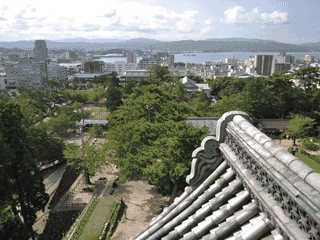

Matsue
East Asia · Japan
Did you know?
- The lake's seven delicacies include shijimi clams, carp, shrimp, sea bass, eel, whitebait, and smelt.
- A red retro Lake Line bus loops to major sights every 30 minutes.
- Lake Shinji sunsets are ranked #2 in Japan, best viewed in late summer.
See also
Overview
Matsue is a quiet castle-and-water city shaped by Lake Shinji, samurai lanes, canals, and Lafcadio Hearn's legacy. Pair the authentic wooden keep with a moat boat, sunset views, wagashi, and the lake's seven local delicacies.
Languages: Japanese
Why go?
Matsue is a serene counterpoint to Japan's crowded tourist circuits: an authentic samurai castle town with one of only 12 remaining wooden castle keeps in the country, set between the shores of Lake Shinji and an inner sea. The city is rich in canals and often called 'City of Water', with sunsets over Lake Shinji ranked #2 in Japan. Lafcadio Hearn lived here in 1890-91, and Matsue maintains strong cultural assets including traditional wagashi confectionery and ancient legends from Izumo Province.
Adapted from Wikivoyage contributors · CC BY-SA 4.0
Getting in
Matsue is accessible by air via Izumo Airport (JAL flights from Haneda) or Yonago Kitaro Airport (ANA flights from Haneda), both requiring connections. Japan Rail trains serve Matsue Station from major cities. The Ichibata Railway runs north to Izumo for shrine visits. Overnight ferries depart twice weekly from Sakaiminato to Donghae, Korea and onward to Vladivostok, Russia.
Adapted from Wikivoyage contributors · CC BY-SA 4.0
Getting around
The Lake Line tourist bus (bright-red retro-styled) loops to all major attractions every 30 minutes, with one-ride tickets at ¥210, day passes for ¥520, and 2-day passes for ¥1050. The Ichibata Railway offers one-day unlimited rides for ¥1500, connecting to Izumo. Taxis are available through Ichibata Taxi, though English is not spoken. Car rental is available from Nippon Rent-A-Car (2 hours ¥200, one day ¥1100) or Eki Rentaka Kansai inside Matsue Station (¥500 daily).
Adapted from Wikivoyage contributors · CC BY-SA 4.0
When to go
Spring (March to May) and autumn (September to November) are ideal times to visit Matsue. Summers are hot and humid with significant rainfall during rainy season (June to mid-July). The San'in region receives more precipitation than the southern San'yo area, with considerable snowfall in winter. Key festivals include the Castle Festival (late March to mid-April with cherry blossoms), Suigosai Fireworks (late July/early August), and the Matsue Tenjin Festival (late July).
Adapted from Wikivoyage contributors · CC BY-SA 4.0
Where to stay
Budget options near Matsue Station include Toyoko Inn (singles from ¥5040), Matsue Universal Hotel Main Building (singles from ¥3898), and Hotel Alpha-1 Matsue (singles from ¥4600). The Matsue Urban Hotel Lake Inn offers singles from ¥3700 with free parking, bicycles, and rice/miso soup breakfast. For a traditional ryokan experience, Terazuya Ryokan provides family-run accommodation with shared bathrooms (singles from ¥4200 without meals). Upscale options include Hotel Ichibata (singles from ¥12000) on Lake Shinji's shoreline.
Adapted from Wikivoyage contributors · CC BY-SA 4.0
Food and drink
Matsue's culinary highlight is the Seven Delicacies of Lake Shinji: shijimi clams, carp, shrimp, sea bass, eel, whitebait, and smelt. Local specializations include Yakumo-an (soba/udon in a former samurai residence, lunches under ¥1000), Akabeko (sushi bar with ¥1000 sample course), and Menya Hibari (Top 100 Best Ramen in West Japan for agodashi ramen). For sweets, try Saiundo's Wakakusa green plum confection or Keigetsudo's Matsue-jō castle-shaped sweet. Lake Shinji area has lakeside dining at Restaurant & Cafe Laut.
Adapted from Wikivoyage contributors · CC BY-SA 4.0
Things to do
Matsue Castle (adults ¥550, children ¥280, 50% foreign discount) is one of only 12 authentic wooden castles remaining in Japan. The Shiomi Nawate samurai residential street runs along the castle's northeast side. The Lafcadio Hearn Memorial Museum (¥300 adults) displays artifacts from the writer's 1890-91 residence. The Matsue History Museum (¥500 adults) offers regional history near the castle. Sunset viewing at Lake Shinji's Yuuhi Spot is ranked #2 nationally, best during late summer. The Horikawa Sightseeing Boat (¥1200 adults, 33% foreign discount) tours the castle moat and canals.
Adapted from Wikivoyage contributors · CC BY-SA 4.0
Safety
Matsue is a safe, quiet city with low crime rates typical of rural Japan. Standard urban precautions apply. The Matsue Red Cross Hospital and Matsue City Hospital (with English-speaking doctors) provide medical care. Emergency services are readily available.
Adapted from Wikivoyage contributors · CC BY-SA 4.0
Connectivity
All phone numbers on this page are in international format; to dial locally, substitute '+81' with '0'. WiFi is available at hotels and some cafes. Power plugs use Type A/B sockets (100V, 50/60Hz). SIM cards and mobile data are available through major Japanese carriers.
Adapted from Wikivoyage contributors · CC BY-SA 4.0
Budget
A backpacker budget in Matsue can average ¥4000-6000 per day: budget hotels from ¥3700-5000/night, meals from ¥800-1500/day, local transport ¥210-520/day for bus passes, attractions ¥300-600 each. The Castle Festival and many shrines are free to visit. The Lake Line day pass at ¥520 offers excellent value for sightseeing.
Adapted from Wikivoyage contributors · CC BY-SA 4.0
Day trips
Izumo Taisha (Japan's oldest shrine) is accessible via Ichibata Railway. Tamatsukuri Onsen hot springs town is a short train ride away. Daikonjima island features Yuushien Garden (¥600, famous for 250 peony varieties). The Kumano Grand Shrine rests at Kumano Mountain's foot. Fudoki-no-Oka ancient burial mounds are a 20-minute bus ride from JR Matsue Station.
Adapted from Wikivoyage contributors · CC BY-SA 4.0
Etiquette
Matsue follows standard Japanese etiquette: remove shoes when entering ryokan and some restaurants, bow when greeting, speak quietly in public spaces, and respect shrine customs (bow at torii gate, purify hands at temizuya). Dress modestly when visiting temples and shrines.
Adapted from Wikivoyage contributors · CC BY-SA 4.0
Go next
From Matsue, the Ichibata Railway connects north to Izumo for its famous taisha shrines. Sakaiminato (accessible by train via Yonago) offers ferries to Korea and Russia. Tamatsukuri Onsen provides hot spring relaxation. The San'in region offers scenic coastal areas, while the San'yo region to the south connects to Hiroshima and other major cities.
Adapted from Wikivoyage contributors · CC BY-SA 4.0
Field guide adapted from Wikivoyage contributors · CC BY-SA 4.0. Text has been adapted and organized for this guide. About our sources.
Places to know
A few starting points from the guide. Check current hours and prices before you go.
- eat
Akabeko
A small, cozy sushi bar popular with the locals. Uses fresh, local ingredients. Has a special sushi sample course of around ¥1000 aimed at foreign visitors. Vegetarian sushi is available.
Recorded price: ¥1000
Adapted from Wikivoyage contributors
- eat
Al Sole
A small family owned Italian restaurant. The chef likes to use high quality local ingredients in his cooking. Portions may be on the small side for Western tastes. Vegetarian friendly.
Recorded price: Lunch ¥900, dinner ¥2500
Adapted from Wikivoyage contributors
- eat
Caffe Vita
This cafe specializes in espresso coffee. The owner was Nr 1 at the Japanese national barista competition.
Adapted from Wikivoyage contributors
- eat
Capriciosa
Capriciosa one of Japan's oldest chains of Italian restaurants. Do not let that scare you off, because its founders actually went to Italy to learn about Italian food. Serves decent pastas and pizzas at mid-range prices. Has nice views over the Matsue station area. Vegetarian friendly.
Recorded price: ¥900
Adapted from Wikivoyage contributors
- eat
Indo-or - Sri Lankan Curry Shop
Nice selection of authentic Sri Lankan curries. Vegetarians should call one day in advance.
Recorded price: ¥800-1250
Adapted from Wikivoyage contributors
- eat
Kuu
A cosy bakery with its own cafe. The bakery specializes in soft yeasty bread but also has a nice selection of European breads. The cafe serves light, mainly vegetarian lunches. If you like you select the bread you'd like to eat in the cafe.
Adapted from Wikivoyage contributors
- eat
L'Arc en Ciel
Chef Ohashi has studied cooking in France and is passionate about finding new ways to use and present local ingredients. English and French is spoken. Reservations are recommended. Vegetarians should call a few days in advance.
Recorded price: Lunch: ¥2500-5500, dinner: ¥5250-8400
Adapted from Wikivoyage contributors
- eat
Le Restaurant Hara
A cosy restaurant run by chef Hara and his wife. Homely atmosphere and friendly staff. Vegetarians should call a day in advance.
Adapted from Wikivoyage contributors
Before you go
Connectivity
International dialing requires +81 prefix. For local format, use 0 instead. WiFi available at hotels; SIM cards from major carriers for mobile data.
Culture
Matsue is a samurai heritage city with Lafcadio Hearn's legacy. The Seven Delicacies of Lake Shinji define local cuisine. Traditional wagashi confectionery is a local specialty.
Money
Japan uses yen (JPY). Credit cards are accepted at larger hotels and restaurants but not at smaller establishments or ryokan. ATMs at post offices accept international cards during operating hours.
Transport
Matsue Station is the main hub. The Lake Line tourist bus (¥210/ride, ¥520 day pass) serves major attractions. Japan Rail and Ichibata Railway connect to surrounding areas.
Weather
Matsue has hot, humid summers with June-July rainy season and cold winters with significant snowfall. Spring (cherry blossom season) and autumn are the best times to visit.