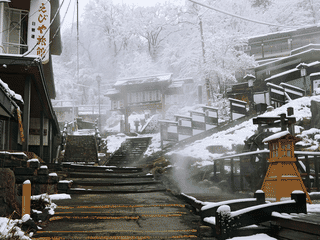

Yamagata
East Asia · Japan
Did you know?
- Matsuo Basho composed his famous cicada haiku here in 1689.
- Yamadera's 1,110 steep steps lead pilgrims toward the Oku-no-in sanctuary.
- Hiyashi ramen arrives with cold broth, a local style especially popular in summer.
See also
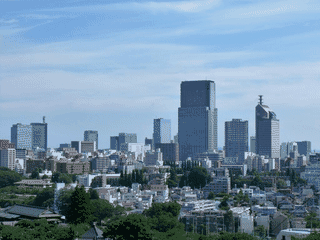

Sendai
Japan38.27°N 140.87°E · 57 m
Overview
Yamagata links spiritual heritage with mountain access, from Yamadera's pilgrimage steps to Zao's winter scenery. It is a strong base for temples, seasonal festivals, regional food, and nearby hot springs.
Languages: Japanese
Why Go?
Yamagata combines centuries of spiritual heritage with accessible outdoor beauty. Matsuo Basho composed his famous cicada haiku here in 1689, and today Yamadera's 1110 steep steps still reward pilgrims with views little changed over centuries. The city serves as gateway to Mount Zao's famous "Snow Monsters" in winter and the three sacred peaks of Dewa Sanzan year-round. Unlike tourist-saturated Kyoto, Yamagata offers authentic temple experiences, regional cuisine like cold hiyashi ramen, and festival traditions without crowds.
Adapted from Wikivoyage contributors · CC BY-SA 4.0
Get In
Yamagata Station is the main hub on the JR Ou Main Line with direct Shinkansen service from Tokyo (approximately 2h45min via Yamagata Shinkansen). By air, Yamagata Airport has limited domestic flights from Osaka (Itami), Tokyo (Haneda), and Nagoya (Komaki) - Sendai Airport is usually cheaper and offers more routes. From Sendai Airport to Yamagata Station takes just over 2 hours and costs ¥1680 by train. Long-distance buses connect from major cities including Tokyo.
Adapted from Wikivoyage contributors · CC BY-SA 4.0
Get Around
Yamagata Station anchors the city center, with most attractions accessible by Yamako Bus. For Yamadera, take the JR Senzan Line from Yamagata Station to Yamadera Station (under 20 minutes, ¥240 as of July 2018) - the temple entrance is a 5-minute walk past souvenir shops. Buses also serve Zao Onsen and other outlying areas, with some weekend buses terminating at Okama Crater during ski season. Taxis and bicycle rentals are available downtown.
Adapted from Wikivoyage contributors · CC BY-SA 4.0
When to Go
Yamagata experiences hot, humid summers (the city held Japan's temperature record of 40.8°C until 2007) and snowy winters. Autumn is peak season - Yamadera's maple colors peak in early November and draw crowds. Winter brings ski season to Mount Zao from mid-December, with "Snow Monsters" (rimy tree formations) at their best in February. The Hanagasa Festival lights up the city August 5-7 with dance parades. Summer suits ramen lovers seeking cold hiyashi ramen, though mountain trails get busy with hikers.
Adapted from Wikivoyage contributors · CC BY-SA 4.0
Where to Stay
Nearly every hotel clusters around Yamagata Station for convenience. Budget travelers find chain options like Toyoko Inn (singles from ¥4500), Hotel Alpha-1 (from ¥3800), and Hotel Route Inn (from ¥6050). Hotel Limoges offers rooms from ¥3700, while Hotel Green Tohoku provides singles from ¥3500. For upscale stays or hot spring access, head 40 minutes by bus to Zao Onsen resort area, which has its own dedicated article.
Adapted from Wikivoyage contributors · CC BY-SA 4.0
Food and Drink
Yamagata claims its own ramen style: hiyashi ramen with cold broth, popular especially in summer. Ryushanhai and Ramen Uchoten Evolution are local ramen institutions. Near Yamadera, look for tama-kon (konnyaku balls on sticks) said to give climbing stamina - watch out for the hot Japanese mustard. The street between Yamadera Station and temple features family-owned soba shops with springy noodles and seasonal sansai mountain vegetables. Hanazen serves Yamagata imoni (taro-meat stew) with local wines, while Hotnaru Yokocho is an enclave of traditional yatai foodstalls using local produce.
Adapted from Wikivoyage contributors · CC BY-SA 4.0
Things to Do
Yamagata Castle (free, 05:00-22:00) was Tohoku's largest castle, now with reconstructions including the Ninomaru East Gate. The Mogami Yoshiaki Historical Museum covers the daimyo who expanded the city; the Yamagata Prefectural Museum houses the famous Jomon Goddess ceramic statue. Bunshōkan, a Taisho-period building, offers free viewing of lavishly decorated rooms. At Yamadera, climb 1110 steps to the Oku-no-in sanctuary past sculpted stone formations (¥500 entry). The Bashō Museum near Yamadera has English information about the poet's visit. For culture, try painting kokeshi dolls at the Traditional Kokeshikan (¥300).
Adapted from Wikivoyage contributors · CC BY-SA 4.0
Safety
Yamagata is a safe mid-sized Japanese city with typical urban precautions. The JR station area and main streets are well-lit and busy during day. Mountain trails at Yamadera can be steep and slippery in wet or snowy conditions - wear appropriate footwear and consider renting goloshes (rubber boots) in winter. Ski areas at Zao follow international safety standards. Emergency services are readily accessible.
Adapted from Wikivoyage contributors · CC BY-SA 4.0
Connectivity
Japan has excellent mobile coverage including Yamagata. Major providers NTT docomo, AU (by KDDI), and SoftBank offer SIM cards and prepaid options at convenience stores and electronics shops. Free WiFi is limited - Yamagata Station and some tourist spots offer basic access, but getting a local SIM is recommended for consistent connectivity. Power plugs use Type A/B sockets (two flat pins, 100V) matching US/Japanese standards.
Adapted from Wikivoyage contributors · CC BY-SA 4.0
Budget
A backpacker can manage on ¥4000-6000/day in Yamagata: hostel or business hotel ¥3500-5000, meals ¥500-1500 (ramen ¥700-1000, soba ¥800-1200, convenience store meals ¥300-600), local transport ¥300-600, attractions ¥300-800 (Yamadera ¥500, museums ¥300-500). Weekend bus passes and train day tickets offer savings. Zao Onsen ski passes and equipment rental add significant cost if skiing.
Adapted from Wikivoyage contributors · CC BY-SA 4.0
Day Trips
Yamadera (20 min by train, ¥240) is the top day trip - allow 2-3 hours for the mountain climb. Mount Zao and Zao Onsen hot spring resort is 40 minutes by bus, offering ski slopes in winter and hiking in warmer months. The holy mountains of Dewa Sanzan are within striking distance for a longer day. Kaminoyama Onsen has historic bathhouses. For shopping, Joy (hardware), Super Denkodo (electronics), and JusCo supermarket are near the city skirts.
Adapted from Wikivoyage contributors · CC BY-SA 4.0
Go Next
Yamagata Station connects north to Shinjo and Akita via JR Ou Line, south to Fukushima. Shinkansen services run to/from Tokyo and northern destinations. Zao Onsen ski resort and hot springs are 40 minutes by bus. Dewa Sanzan's three sacred mountains are nearby. Tendo and Kaminoyama Onsen are short train rides; Yonezawa offers historical sites. Sendai, Miyagi's capital, is about 2 hours east on the Senzan Line.
Adapted from Wikivoyage contributors · CC BY-SA 4.0
Field guide adapted from Wikivoyage contributors · CC BY-SA 4.0. Text has been adapted and organized for this guide. About our sources.
Places to know
A few starting points from the guide. Check current hours and prices before you go.
- sleep
Hotel Alpha-1 Yamagata
Recorded price: Singles from ¥3800
Adapted from Wikivoyage contributors
- sleep
Hotel East One
Adapted from Wikivoyage contributors
- sleep
Hotel Green Tohoku
Recorded price: Singles from ¥3500
Adapted from Wikivoyage contributors
- sleep
Hotel Limoges
Recorded price: Rooms from ¥3700
Adapted from Wikivoyage contributors
- sleep
Hotel Route Inn Yamagataekimae
Recorded price: Singles from ¥6050
Adapted from Wikivoyage contributors
- sleep
Toyoko Inn Yamagataeki Nishiguchi
Recorded price: Singles from ¥4500
Adapted from Wikivoyage contributors
- eat
Classic Cafe
An Italian restaurant in a rustic setting, its most famous dish is its omelette (omurice), but Classic Cafe also offers a variety of pasta dishes and pizzas.
Adapted from Wikivoyage contributors
- eat
Gran Rock
Their signature dish is the Omurice, but they also serve Yamagata beef burgers, pizza, and a variety of pasta dishes.
Adapted from Wikivoyage contributors
Before you go
Food
Yamagata ramen (hiyashi cold broth style), soba shops near Yamadera, and Yamagata imoni (taro stew) are local specialties. Tama-kon konnyaku snacks near Yamadera provide climbing energy.
Language
Japanese only at most establishments. Station staff and tourist offices may have basic English. Translation apps helpful for museums and restaurants.
Money
Japan is largely cash-based; convenience stores and some restaurants accept cards but carry yen for most transactions. Seven-Eleven and Japan Post ATMs accept foreign cards.
Safety
Safe city with typical precautions. Mountain trails at Yamadera are steep - wear grippy shoes. Winter parking lots at Yamadera rent goloshes and sell heat packs.
Transport
JR Pass covers Yamagata Station and regional trains; Yamako Bus serves most attractions. Yamadera Station on JR Senzan Line is the easiest access point for the temple.
Visa
Japan allows 90-day visa-free entry for most nationalities. No vaccinations required for entry.
Weather
Hot humid summers (40°C record), snowy winters ideal for Zao skiing, autumn foliage peaks early November at Yamadera. Bring layers for mountain temples.