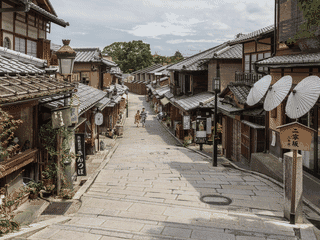

Kyoto
East Asia · Japan
Did you know?
- The Senbon Torii tunnel at Fushimi Inari is a vivid shrine-gate walk.
- The city served as Japan's imperial capital from 794 to 1868.
- Bike rentals near the station start around ¥1,000.
See also
Overview
Kyoto is Japan's long-established cultural heart, where temple precincts, gardens, machiya streets, and seasonal traditions reward walking beyond the busiest corridors. Its rail and bus network also makes Nara, Uji, Osaka, and Lake Biwa straightforward side trips.
Languages: Japanese
Why Go
Kyoto served as Japan's imperial capital for over a millennium (794-1868) and remains the nation's cultural heart, housing over 2,000 temples and shrines. The city escaped Allied bombing during World War II, preserving traditional machiya townhouses and prewar architecture that few Japanese cities can match. While central Kyoto's modern train station may surprise first-time visitors, the hidden beauty of temples and gardens encircling the city reward the persistent explorer.
Adapted from Wikivoyage contributors · CC BY-SA 4.0
When To Go
Kyoto experiences four distinct seasons, with cherry blossoms in spring and autumn foliage drawing the largest crowds. Summers are humid, flanked by surrounding mountains, with a rainy season from mid-June through July and typhoon season in late August and September. Winters are cold but largely snow-free, typically running from late December through March when plum blossoms signal spring's approach.
Adapted from Wikivoyage contributors · CC BY-SA 4.0
Getting In
Kyoto is accessible via JR Kyoto Station, a major hub on the Tokaido Shinkansen line connecting Tokyo to the west. The city sits in the Kansai region of Western Honshu, making day trips feasible to nearby destinations like Nara (under 1 hour) and Osaka (30 minutes by JR rapid train, ¥540 one-way).
Adapted from Wikivoyage contributors · CC BY-SA 4.0
Getting Around
The city's sprawling layout and peripheral tourist attractions make public transport essential. The Kyoto Sightseeing Card offers unlimited subway and city bus travel: ¥900 for one day (¥450 children) or ¥1700 for two consecutive days. The Traffica Kyo Card is a stored-value option in ¥1000 or ¥3000 denominations with a 10% bonus. For wider Kansai travel, the rechargeable ICOCA smart card (¥2000 including ¥500 deposit refundable at JR West stations) works on trains, subways, and buses throughout the region.
Adapted from Wikivoyage contributors · CC BY-SA 4.0
Where To Stay
Most accommodation clusters near Kyoto Station and the downtown Karasuma-Oike area. During peak seasons like cherry blossom season in April or Golden Week, consider staying in Osaka or satellite towns like Takatsuki and Hirakata (30-minute train ride, ¥540 to Osaka Station). Traditional ryokan in Kyoto rank among Japan's most luxurious, though prices are steep. The city levies a hotel tax of ¥200 per night for lodging under ¥20,000, increasing to a multi-tiered system from March 2026 (¥400/night for rooms under ¥20,000, higher rates for expensive accommodations up to ¥10,000/night for rooms at least ¥100,000).
Adapted from Wikivoyage contributors · CC BY-SA 4.0
Food And Drink
Kyoto's culinary scene centers on traditional kaiseki cuisine and regional specialties. The Isetan department store attached to Kyoto Station houses restaurants on the 10th and 11th floors, including a Ramen village and casual Italian cafes. The Kamo River area features traditional riverside restaurants at dusk. The city's night scene concentrates around Kiyamachi in Central Kyoto between Shijo and Sanjo, offering diverse drinking establishments from local bars to host/hostess clubs. Tap water is potable and public drinking fountains are scattered throughout the city.
Adapted from Wikivoyage contributors · CC BY-SA 4.0
Things To Do
Kyoto offers extraordinary attractions including Kiyomizu-dera Temple with its famous large veranda, the Senbon Torii tunnel of Fushimi Inari-taisha shrine, and numerous UNESCO World Heritage sites. Active travelers can join the Kyoto Cycling Tour Project (KCTP), renting bikes from ¥1000-2000 near Kyoto Station's North Exit, with guided tours ranging ¥3900-12000. For culture, the Toei Kyoto Studio Park (¥2,200) in Uzumasa allows visitors to explore period drama film sets, while Funaoka Onsen (¥430, 15:00-01:00) in Kita Ward offers one of Kyoto's oldest public bath houses in a classic early-20th-century building.
Adapted from Wikivoyage contributors · CC BY-SA 4.0
Buy
Traditional souvenirs cluster around Arashiyama station (fans, traditional sweets) and the approach to Kiyomizu Temple and Gion (though these areas tend toward tourist trinkets). Kyoto specialties include traditional parasols and carved wooden dolls. For anime and manga enthusiasts, Teramachi Street off Shijo-dori houses a large manga store, Gamers anime chain, and collectibles shops. Most Kyoto ATMs don't accept foreign credit cards, but those at post offices (marked 郵便局 or JP in orange letters) and Seven-Eleven stores typically work—look for PLUS or Cirrus logos. Citibank branches and the Cash Corner on Takashimaya's top floor at Shijo/Kawaramachi also accommodate international cards.
Adapted from Wikivoyage contributors · CC BY-SA 4.0
Day Trips
Several compelling destinations are reachable as day trips: Uji offers Japan's best tea and the Byodo-in temple; Nara (under 1 hour by JR Nara line) predates Kyoto as an imperial capital with temples in a landscaped park; Osaka (30 minutes by JR rapid train) provides a livelier urban experience with more shopping; Mount Hiei features an ancient hilltop temple complex. Lake Biwa's western beaches (40 minutes on JR Kosei Line) offer summer swimming at Omi Maiko and Shiga Beach.
Adapted from Wikivoyage contributors · CC BY-SA 4.0
Connectivity
Free public Wi-Fi is available throughout many parts of Kyoto. The Japan Travel app and Navitime website help plan routes referencing public and private trains, subways, and buses throughout Japan.
Adapted from Wikivoyage contributors · CC BY-SA 4.0
Go Next
Onward connections include Himeji (about 1 hour by Shinkansen), famous for its spectacular traditional castle; Amanohashidate in northern Kyoto Prefecture, one of Japan's top three scenic views; and Sekigahara (about 1 hour northeast), site of the decisive battle establishing the Tokugawa Shogunate. The Tokaido Shinkansen continues eastward to Nagoya and Tokyo, westward to Shin-Osaka.
Adapted from Wikivoyage contributors · CC BY-SA 4.0
Field guide adapted from Wikivoyage contributors · CC BY-SA 4.0. Text has been adapted and organized for this guide. About our sources.
Places to know
A few starting points from the guide. Check current hours and prices before you go.
- see
Imperial household Agency Kyoto Office,
If an applicant is not successful, they can still go direct in person to the Imperial Household Agency Kyoto Office to enquire whether there are vacancies, as they typically save a few spots for walk-ins. Many people are able to do this successfully for the Imperial Palace, but it can be more of a risk for the others, so go early.
Adapted from Wikivoyage contributors
- see
Kyoto Cycling Tour Project (KCTP)
A five-minute walk from the North Exit (the side with the buses and Kyoto Tower) of Kyoto Station. Bikes range from ¥1000 to ¥2000 for an actual 27-speed mountain bike with city-tires on it; perfect for the average foreigner who is used to a 'real' bike in their home country. The following options can be added: bilingual cycling/walking map of Kyoto ¥100; light FREE; helmet ¥200; back pack; ¥100; rain poncho ¥100. They can hold on to your luggage while you are riding. There are four other locati
Adapted from Wikivoyage contributors
- see
Kyoto University
One of Japan's most prestigious universities, second only to the University of Tokyo. Admissions are extremely competitive for Japanese students, though it is considerably easier for foreigners provided your Japanese language ability is up to scratch. Colloquially known by the shortened form 京大 (Kyōdai).
Adapted from Wikivoyage contributors
- do
Funaoka Onsen
Funaoka Onsen is one of the oldest public bath houses in Kyoto still in operation. Its classic building is an excellent example of bath house architecture of the beginning of the 20th century. Funaoka Onsen is popular with both locals and visitors and is a must if you have an hour to spare.
Recorded price: ¥430
Adapted from Wikivoyage contributors
- do
Kiyomizu-dera Temple
Historic temple with famous large veranda overlooking Kyoto, UNESCO World Heritage site
Adapted from Wikivoyage contributors
- do
Toei Kyoto Studio Park
Toei Kyoto Studio Park is an active film studio which continues to be used for the filming of period dramas. Visitors may visit the outdoor sets used in many samurai movies, and if they are lucky, could potentially observe the filming of a period drama.
Recorded price: ¥2,200
Adapted from Wikivoyage contributors
Before you go
Accommodation
Kyoto hotel tax is ¥200/night for rooms under ¥20,000. During cherry blossom season and Golden Week, book early or stay in Osaka.
Language
Major hotels and tourist attractions have functional English. Kyoto uses Kansai dialect—try oideyasu (welcome) and ookini (thank you). Outside tourist areas, English is rare.
Money
Most Kyoto ATMs don't accept foreign cards—use post offices (marked 郵便局 or JP in orange letters) or Seven-Eleven. Citibank and Takashimaya Department Store Cash Corner also work. Credit cards rarely accepted outside major hotels.
Transport
The Kyoto Sightseeing Card (¥900/1-day, ¥1700/2-day) offers unlimited subway and city bus travel. ICOCA smart cards (¥2000 with ¥500 refundable deposit) work on regional rail and buses.
Weather
Summers are humid; rainy season runs mid-June to late July. Avoid typhoon season (late August-September). Cherry blossom season (April) and autumn foliage draw the biggest crowds.