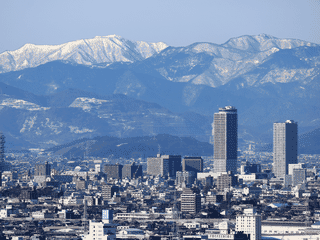

Gifu
East Asia · Japan
Did you know?
- Cormorant fishing on the Nagara River is described as an unbroken 1300-year tradition.
- An insect museum displays specimens daily in a Registered Tangible Cultural Property.
- A ropeway or steep hiking trails lead up to a castle on a 329-meter mountain.
See also
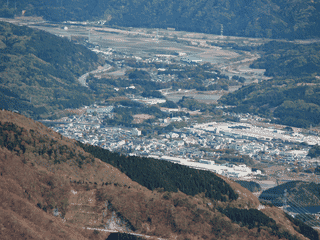

Sekigahara
Japan35.37°N 136.47°E
Nagoya
Japan35.18°N 136.91°E
Overview
Gifu pairs samurai-era history with Mount Kinka, the Nagara River, traditional crafts, and an intimate city scale. Its long-running cormorant-fishing tradition and nearby hot springs make it a strong base for regional excursions.
Languages: Japanese
Why Go?
Gifu City served as Oda Nobunaga's headquarters during Japan's unification in the 16th century, and the area retains significant historical weight. The city is most famous for ukai (cormorant fishing), an unbroken 1300-year tradition on the Nagara River that even Charlie Chaplin called "Japan's highest art form." Unlike nearby Nagoya, Gifu offers a more intimate scale with Mount Kinka, traditional craft industries, and easy access to Gero Onsen hot springs and the mountain town of Takayama.
Adapted from Wikivoyage contributors · CC BY-SA 4.0
Getting In
The nearest major airport is Chubu International Airport (中部国際空港) in Nagoya, with Meitetsu trains running directly to Meitetsu Gifu Station three times per hour at ¥1310 for an unreserved seat or ¥1660 for a reserved seat; seat reservations are mandatory on μSKY limited-stop trains. The journey takes about one hour. Nagoya Airport (Komaki) handles domestic flights. Gifu is also accessible by shinkansen via Nagoya, with good train connections from Tokyo, Kyoto, and Osaka.
Adapted from Wikivoyage contributors · CC BY-SA 4.0
Getting Around
Gifu City is serviced by Meitetsu-run Gifu Bus and JR Buses, with JR passes accepted on JR buses. Gifu Park (where the castle and popular sites are located) is about a 45-minute walk from Gifu Station, so most travelers take the bus, which runs about every 10 minutes. Three rent-a-cycle stations operate downtown (JR Gifu Station, Gifu City Hall South Branch, and Gifu Park) with bikes available for ¥100 per day.
Adapted from Wikivoyage contributors · CC BY-SA 4.0
When to Go
The best time to visit is during ukai season from May 11th to October 15th, when cormorant fishing demonstrations occur nightly on the Nagara River. Summer nights (18:00-21:00) are peak viewing time. The Nagara River Fireworks Festival takes place on the last Saturday in July and first Saturday in August, featuring two rival newspaper-sponsored displays lasting about 90 minutes. Spring offers pleasant weather for hiking Mount Kinka, while autumn provides colorful foliage views from the castle.
Adapted from Wikivoyage contributors · CC BY-SA 4.0
Where to Stay
Numerous business hotels cluster near JR Gifu Station, ranging from budget options to mid-range chains. For traditional accommodation, Ryokan Kimie (Sumida Machi 1-34) offers futon on tatami for about ¥4000 per person with shared bath and toilet. Route Inn Gifu Kencho Minami (2-1-8 Suga) provides Wi-Fi and an onsen south of the city center. Dormy Inn Gifu Ekimae offers another station-area option. Budget travelers should note that the local manga cafe offers only a small tatami booth, making it unsuitable for sleeping.
Adapted from Wikivoyage contributors · CC BY-SA 4.0
Food and Drink
Gifu has several notable restaurants: Gishu (1-31 Sumidamachi) is the city's most popular gyoza spot with often-long lines. El Paso near Meitetsu Gifu Station serves the best Tex-Mex in Gifu with English-speaking staff. Aka Noren (2 km east of Iwado Tunnel) offers what locals consider the best shio ramen in Japan. The NEMS (2-12-2 Kinen-cho) features Western food with large portions and an English-speaking owner. For a quick bite, Yanagase Shopping Mall area has multiple options. Drinking spots include B's Cafe at Yanagase (¥500 drinks, free entry first Thursday of month), Bier Hall near Meitetsu station (main foreigner hangout with book exchange), and Bar Leon on Kanda-machi street.
Adapted from Wikivoyage contributors · CC BY-SA 4.0
Things to Do
Gifu Castle sits atop Mount Kinka (329 meters), accessible by ropeway (round trip ¥1050, ¥520 for children) or hiking trails including the steep "100-bend" (actually 135 bends) or gentler "7-bend" path. The castle museum displays armor, swords, and maps from Oda Nobunaga's era. The Gifu City Museum of History features a scale model of the Warring States period castle town and the Rakuichi-ba free market established by Nobunaga. The Nawa Insect Museum (Omiyacho 2-18, daily 10:00-17:00) is Japan's oldest insect museum, a Registered Tangible Cultural Property. The Gifu Daibutsu (Great Buddha) at Shōhō-ji Temple is the largest basketwork-style Buddha statue in Japan at 13.7 meters tall.
Adapted from Wikivoyage contributors · CC BY-SA 4.0
Go Next
The hot springs of Gero Onsen and the mountain town of Takayama (2 hours 20 minutes by train) are within striking distance. The historical battle site of Sekigahara is also nearby. Hida has museums and a youth hostel. Other accessible destinations include Mino (known for Mino ware pottery), Seki (famous for sword-making), Gujo (with Gujo Hachiman castle), Hikone (Hikone Castle), Inuyama (castles and museums), and Ogaki. Nagoya is the major transit hub for further travel, reachable in about 20 minutes by train.
Adapted from Wikivoyage contributors · CC BY-SA 4.0
Connectivity
Japan uses Type A and Type B power plugs (100V, 50/60Hz). SIM cards and portable WiFi routers are available at airports and convenience stores. The NEMS restaurant offers WiFi to regular customers. Major providers include NTT Docomo, SoftBank, and au, with prepaid SIM options available at electronics stores.
Adapted from Wikivoyage contributors · CC BY-SA 4.0
Safety
Gifu is a safe city with low crime rates typical of Japan. Standard urban precautions apply. The Nagara River banks can be slippery during cormorant fishing viewing. Hiking trails on Mount Kinka require appropriate footwear, especially on the steeper "100-bend" path.
Adapted from Wikivoyage contributors · CC BY-SA 4.0
Field guide adapted from Wikivoyage contributors · CC BY-SA 4.0. Text has been adapted and organized for this guide. About our sources.
Places to know
A few starting points from the guide. Check current hours and prices before you go.
- sleep
Castle Inn
Recorded price: Singles from ¥7500
Adapted from Wikivoyage contributors
- sleep
Dormy Inn Giku Ekimae
Adapted from Wikivoyage contributors
- sleep
Route Inn Gifu Kencho Minami
A nice hotel south of the city center with Wi-Fi and its own onsen.
Adapted from Wikivoyage contributors
- sleep
Ryokan Kimie
Aging ryokan with futon on tatami and a shared bath and toilet. Close to JR Gifu station.
Recorded price: about ¥4000 per person
Adapted from Wikivoyage contributors
- eat
Aka Noren
This place has the best Shio Ramen bar none. The other Ramens and the Dote are great too, and the Gyoza is strange, but good and green and healthy, and cooked with no oil. Prices are cheap. The owner speaks no English, but he is very friendly, and is a wonderful character to sit in front of and watch. If you use your toilet at home, you won't need to use the port-a-potty outside. You'll never find this place empty, and it's often hard to get a place to park or sit, even on weekdays.
Adapted from Wikivoyage contributors
- eat
El Paso
Serves the best and widest selection of Mexican food (TexMex) & drinks in Gifu. They also have a variety of other delicious dishes. Prices are reasonable and the service is great. The waitress speaks a little English and the menu is in English and Japanese. The decor is a little eclectic with Buzz Light Year and Woody from Toy Story. The TV will be playing either sports or Country/Western music videos. The place is a bit small, and can fill up, but they are open until around 01:00, with fewer customers then.
Adapted from Wikivoyage contributors
- eat
Fandango
It's best to get reservations for this place, even on weekdays, because it seats very few people. Decor is Spanish, but the menu is Western eclectic with a touch of sashimi, as is usual in this area of Japan, and is very much the owner's style. Try the beef tongue, or ask the chef to choose. Prices are a bit high, but you get some very fancy food. The owner speaks a little English. This is definitely the place to impress someone on your first date.
Adapted from Wikivoyage contributors
- eat
Gishu
The most popular gyoza restaurant in the city. There's always a line and it's not uncommon for them to sell out of gyoza.
Adapted from Wikivoyage contributors
Before you go
Language
Japanese is the local language. Some English at major hotels and tourist spots, but limited elsewhere. Learning basic Japanese phrases is helpful.
Money
Japan uses Japanese Yen (JPY). Credit cards accepted at larger hotels and restaurants, but cash is preferred for smaller establishments, temples, and local restaurants.
Transport
Meitetsu and JR buses serve the city; Gifu Park is a 45-minute walk or 10-minute bus ride from JR Gifu Station. Rental bikes available for ¥100/day at three downtown stations.
Weather
Humid subtropical climate. Summers are hot (30°C+) with ukai fishing season May-October. Winters are cold but manageable. Spring (March-May) and autumn (October-November) offer mild temperatures.