.jpg)
Tsuwano
East Asia · Japan
Did you know?
- Uzume-meshi combines soupy rice with wasabi, mountain vegetables, and tofu.
- Hundreds of orange koi fill the canals beside white-plaster walls and old merchant houses.
- A path to the shrine passes through over a thousand vermillion torii gates.
See also

Yamaguchi
Japan34.18°N 131.47°E

Iwakuni
Japan34.15°N 132.18°E

Miyajima
Japan34.28°N 132.31°E
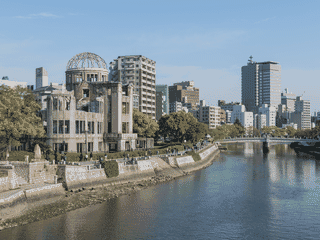

Hiroshima
Japan34.39°N 132.46°E
Overview
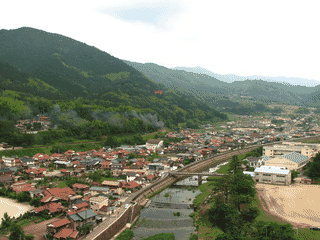
Tsuwano preserves a compact Edo-era townscape of white-plaster walls, merchant houses, koi-filled canals, temples, and shrines. Its quiet streets and nearby mountain sights make an overnight stay worthwhile.
Languages: Japanese
Why go?
Tsuwano is a small historic town in Shimane Prefecture that retains the atmosphere of "Little Kyoto" — a former samurai district with white-plaster walls, old merchant houses, and narrow canals filled with hundreds of orange koi (carp). The town is compact enough to explore on foot in a few hours, yet rich enough in temples, shrines, and cultural sites to justify an overnight stay. Unlike crowded Kyoto, Tsuwano offers a quieter immersion in Edo-era Japan with almost no foreign tourists.
Adapted from Wikivoyage contributors · CC BY-SA 4.0
Getting there
Tsuwano lies on the JR Yamaguchi Line between Shin Yamaguchi and Masuda. JR pass holders can use the Yamaguchi Line directly. The most memorable approach is the SL (steam locomotive) train, which runs once daily on weekends and national holidays (except winter) from Shin Yamaguchi Station to Tsuwano — a roughly 80-minute ride on an authentic early 1900s locomotive. By regular train, the journey from Shin Yamaguchi takes about 50 minutes.
Adapted from Wikivoyage contributors · CC BY-SA 4.0
Getting around
The compact historic core is walkable — Tonomachi Street and most sights are within 10-15 minutes of JR Tsuwano Station. Bicycle rental is available across from the station, useful for reaching outlying sites like Hori Gardens. Taxis are usually waiting in front of the station, and the Iwami Kotsu Bus serves destinations such as Nagano (for Hori Gardens, 23-minute ride).
Adapted from Wikivoyage contributors · CC BY-SA 4.0
When to go
Spring (April–May) is ideal: cherry blossoms coincide with the Yabusame horseback archery festival (April 2) and the Otome-toge Festival (May 3). Summer brings the Gion Festival (July 20, 24, 27) and Bon Odori dance (August 15). The SL train does not run in winter. Tsuwano is a small town that can feel very quiet outside peak season — some restaurants close early in the evening, and most eateries are oriented toward daytime tour buses.
Adapted from Wikivoyage contributors · CC BY-SA 4.0
Where to stay
Tsuwano's accommodation is predominantly traditional ryokan. Hoshi Ryokan, a family-run inn just one minute from JR Tsuwano Station, offers rooms from ¥6,500 including breakfast and dinner. Noren-yado Meigetsu, a nicer ryokan just off Tonomachi, costs from ¥10,500 with meals; some rooms have private baths, others share the ofurou (Japanese bath). There are no hostels or budget hotels in the traditional sense.
Adapted from Wikivoyage contributors · CC BY-SA 4.0
Food and drink
The town has a handful of restaurants concentrated near Tonomachi and Ushiroda Street. Furusato Shokudo serves uzume-meshi, a local specialty of soupy rice with wasabi, mountain vegetables, and tofu. Tsurube is a udon-only restaurant where the former horseback archer owner displays old photographs and shattered targets; expect slightly pricey but top-class noodles. For Osaka-style okonomiyaki, head to Naniwa, run by the brother of Tsurube's owner. Pino Rosso is one of the few restaurants open past 18:00, serving authentic Italian food. Tsuwano has at least three sake factories, two of which are on Tonomachi Road.
Adapted from Wikivoyage contributors · CC BY-SA 4.0
Things to do
The Tonomachi district is the main sightseeing street: lined with canals full of carp, old samurai houses, food stalls, and souvenir shops. Tsuwano Castle dates to 1295; the stone foundations remain, and the summit offers panoramic valley views, reachable by chair lift (¥700 round trip, Mar–Nov 09:00–16:30 daily, winter weekends only) or a 40-minute walk from Taikodani Inari Jinja. The path up the mountain at Taikodani Inari Jinja passes through over a thousand vermillion torii gates — one of the Five Great Inari Shrines, built in 1773. Yomei-ji Temple (1420) is the family temple of the Tsuwano feudal lords and holds the grave of Mori Ogai. The Tsuwano Japan Heritage Center (Tu–Su 09:00–17:00, free) on Tonomachi Road displays historical drawings comparing Tsuwano's 150-year-old townscape to today. Art lovers can visit the Anno Mitsumasa Art Museum (¥800, F–W 09:00–17:00), celebrating the illustrator born in Tsuwano, with a planetarium and 1930s-style classroom. Hori Gardens, reachable by Iwami Kotsu Bus (23 min to Hori Teien), features a beautiful garden and main building of a former samurai family.
Adapted from Wikivoyage contributors · CC BY-SA 4.0
Safety
Tsuwano is a very safe, quiet rural town with virtually no crime targeting tourists. Standard urban precautions apply. The area around Otome-toge (behind the station) involves walking on mountain paths — wear appropriate footwear and be cautious on uneven terrain.
Adapted from Wikivoyage contributors · CC BY-SA 4.0
Connectivity
Japan uses Type A/B power plugs (100V, 50/60Hz). Free WiFi is limited; the Tsuwano Japan Heritage Center staff speaks fairly good English and may assist with connectivity. Most visitors purchase a SIM card or eSIM from major carriers (NTT Docomo, SoftBank, au) before arrival.
Adapted from Wikivoyage contributors · CC BY-SA 4.0
Budget
Tsuwano is affordable for Japan. Budget travelers can manage on ¥3,000–4,500 per day: a simple meal at a local restaurant costs ¥500–1,000, a bowl of udon ¥600–900, and a ryokan with meals ¥6,500–10,500 per person. Attractions are mostly free or under ¥1,000. The main expense is accommodation, which in ryokan always includes dinner and breakfast.
Adapted from Wikivoyage contributors · CC BY-SA 4.0
Day trips
Tsuwano makes a good base for exploring western Honshu. Hagi, about 90 minutes by train, is another historic castle town. Yamaguchi city, 50 minutes away, has the iconic Ryozen Gokoku Shrine and serves as a major transit hub. Masuda and Hamada on the Sea of Japan coast offer beaches and the Iwami Ginzan Silver Mine (a UNESCO World Heritage Site).
Adapted from Wikivoyage contributors · CC BY-SA 4.0
Etiquette
As a historic town with working shrines and temples, dress modestly and remove shoes when indicated. Photography at religious sites is generally permitted but ask before entering intimate spaces. Tipping is not customary in Japan. The canals with koi are part of the public space — do not feed the carp.
Adapted from Wikivoyage contributors · CC BY-SA 4.0
Go next
Tsuwano connects onward by JR Yamaguchi Line to Hagi (castle town), Yamaguchi (major city, Shinkansen access), Masuda (coastal city, Iwami Ginzan Silver Mine), and Hamada (beaches). The SL train returns to Shin Yamaguchi on weekends and holidays. Yoshika, Gotsu, Oda, Ato, and Hofu are smaller stops on the line for those exploring further.
Adapted from Wikivoyage contributors · CC BY-SA 4.0
Field guide adapted from Wikivoyage contributors · CC BY-SA 4.0. Text has been adapted and organized for this guide. About our sources.
Places to know
A few starting points from the guide. Check current hours and prices before you go.
- sleep
Hoshi Ryokan
Family ryokan just a minute walk from JR Tsuwano Station.
Recorded price: Rooms from ¥6500, includes breakfast and dinner
Adapted from Wikivoyage contributors
- sleep
Noren-yado Meigetsu
Very nice ryokan just off Tonomachi. Some rooms have own bath; others just use the ofurou.
Recorded price: Rooms from ¥10,500, including breakfast and dinner
Adapted from Wikivoyage contributors
- eat
Furusato Shokudo
A small restaurant with western style and Japanese tables. At this restaurant you can order a locally specialty of uzume-meshi, which is a soupy rice dish served with wasabi, small pieces of mountain vegetables and tofu.
Adapted from Wikivoyage contributors
- eat
Naniwa
An Osaka-style restaurant specializing in okonomiyaki. It is owned and operated by the brother of the neighboring Tsurube Udon-ya, and aside from having table-side griddle-cooked okonomiyaki, also serves a variety of soba/udon/noodle dishes. A large back room can seat parties of seven or more.
Adapted from Wikivoyage contributors
- eat
Pino Rosso
An Italian restaurant with delicious and authentic Italian appetizers, pizzas, pasta, and pastries, as well as a large collection of international liquors. This is one of the few restaurants open past 18:00.
Adapted from Wikivoyage contributors
- eat
Tsurube
A small udon-only restaurant, clustered with other small noodle and okonomiyaki shops. The owner is a former horse-back archer, and the shop is littered with his old photographs and shattered wood targets. Top class udon of all kinds can be found here.
Recorded price: Slightly pricey
Adapted from Wikivoyage contributors
- see
Anno Mitsumasa Art Museum
Art museum that specialises in Mitsumasa Anno, who was born in Tsuwano. There is also a planetarium, a reproduction of Anno's home studio space and a 1930s-style elementary school classroom.
Recorded price: ¥800
Adapted from Wikivoyage contributors
- see
Chapel of Saint Maria
In the area known as Otome-toge (Otome Pass) behind the station. 36 Japanese Christians were tortured and killed here during the Meiji Period. When Japan "opened" to the West, many Japanese Christians mistakenly thought that meant it was okay to come out and admit their faith but Christianity was still illegal, so those found to be Christian were taken here (and to other special places) and killed. This small church is run as a memorial to them.
Adapted from Wikivoyage contributors
Before you go
Accommodation
Ryokan dominate; budget hostels are absent. Book ahead, especially during festivals (April, May, July, August).
Food
Many restaurants close early or are oriented toward daytime tour buses. If staying overnight, eat early or confirm evening opening.
Money
Japan is heavily cash-based; carry sufficient yen for Tsuwano as credit cards are rarely accepted outside larger hotels.
Transport
JR Yamaguchi Line runs through Tsuwano. The SL steam train is a highlight — take it on weekends and national holidays from Shin Yamaguchi.
Weather
Spring (cherry blossom season) and autumn (fall foliage) are most scenic. Summer is warm and humid; winter the SL train does not run.