Overview
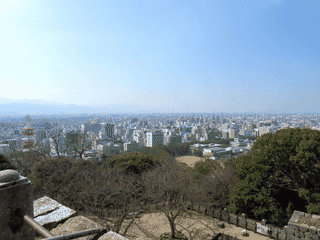
Saijō is a Shikoku base for spring flowers, mountain access, pilgrimage temples, and a remarkable autumn festival tradition. Its uchinuki water also shapes the local food scene, especially soba made with spring water.
Festivals · Culture · Food · Mountains · Off The Trail
Did you know?
- Temples 60–64 of the Shikoku 88 Temple Pilgrimage lie within city limits.
- Local soba uses uchinuki water and costs about ¥999–1999 at a named shop.
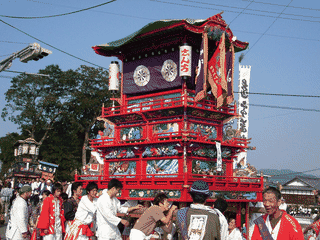
- Autumn festivals carry more than 100 danjiri, some up to 5 meters tall and over 600 kg.
Why go?
Saijō is a medium-sized city in Ehime Prefecture on Shikoku island, famous for its abundant uchinuki (artesian spring water), massive autumn festivals with over 100 hand-carried danjiri floats, and as the gateway to Mt. Ishizuchi—the tallest peak in western Japan. Temples 60 through 64 of the Shikoku 88 Temple Pilgrimage lie within Saijō's extended municipal area. The city offers a laid-back alternative to larger destinations, with locals known as 'matsuri-baka' (festival crazy) for their passionate celebration traditions.
Getting in
Iyo-Saijō station sits on the JR Yosan Line between Uwajima and Takamatsu. From Okayama on Honshu, the Shiokaze limited express runs hourly to Iyo-Saijō (1 hr 45 min - 2 hours, ¥4740, covered by Japan Rail Pass). 'Wan-Man' local trains stop at all 7 stations in the city on an almost hourly basis. Fly to Matsuyama Airport from Tokyo (Narita or Haneda), then take the JR Yosan Line or Setouchi Bus to Iyo-Saijō station. Jetstar operates three discounted daily flights from Narita. The Orange Ferry connects Osaka to Tōyo Port in Saijō. The Ishizuchi Liner express bus runs from Osaka's Herbis Bus Terminal (4-5 hours, under ¥5000 one way).
Getting around
Saijō covers about 509 km² following the 2004 merger. Trains and buses are infrequent but extensive. Taxis available at all seven JR Yosan Line stations from about 07:00 to just after midnight—expect about ¥1200 for 3 km. Setouchi Bus runs hourly regional lines from nearby Niihama to Imabari or Matsuyama, with many local branches. A dedicated sightseeing bus runs between Iyo-Saijō station and Asahi Brewery; another goes from Saijō station to the Mt. Ishizuchi ropeway. Rental bicycles cost ¥200/hour at the Saijō Tourism Center next to Iyo-Saijō station—most of the city is relatively flat and bikeable.
See
Temples 60-64 of the Shikoku 88 Temple Pilgrimage fall within Saijō city limits. Temple 60 Yokomineji (横峰寺) is the most difficult to reach; closest access is Iyo-Komatsu station along with temples 61 and 62. Temple 63 Kichijoji (吉祥寺) is an easy walk from Iyo-Himi station. Temple 64 Maegameji (前神寺) sits at Mt. Ishizuchi's foot. The Shikoku Railway Culture Museum houses a first-generation 0 Series Shinkansen car and JNR Class DF50 diesel locomotive. Kōmyō-ji (光明寺) is a beautiful modern Buddhist temple designed by Tadao Ando, 15 minutes walk from Iyo-Saijō station. Ishizuchi Shrine is a 10-minute walk from Ishizuchijinja Station.
Do
The Saijō, Himi, and Tachibana Autumn Festivals run from October 14-17, with over 100 hand-carried danjiri (portable shrines) up to 5 meters tall and weighing over 600 kg. The largest is Isono Shrine Festival from October 15-16, starting just after midnight. The 'kawa-iri' ritual involves danjiri blocking the mikoshi on the Kamogawa river. Smaller intimate festivals occur in Himi and Tachibana. Komatsu, Tanbara, and Toyo also hold autumn festivals. The Aqua Route walking tour starts at the Saijō Tourism Center and highlights the city's famous spring water.
When to go
Cherry blossoms (sakura) and wisteria (fuji no hana) bloom in spring. Plum blossoms (ume no hana) and camelias (tsubaki) appear in winter. Autumn festivals peak in October. Summer (especially August) can be sizzling hot—avoid for hiking. Mount Ishizuchi hiking season is best from spring through autumn, though the summit can be cold even in summer.
Where to stay
Several business hotels lie within a few blocks of Iyo-Saijō station, catering mostly to Japanese business travelers. Expect to pay ¥7,500-9,000 per night. Budget travelers should look along the Nyugawa shopping strip in the Toyo area, where more affordable options exist. The Toyo Terminal Hotel offers rooms with a hotel restaurant (Koyo Tei) on-site. Saijō's wide area means accommodations in different neighborhoods serve different purposes—stay near the station for temple visits, or in Toyo for festival areas.
Food and drink
Saijō soba shops like Saijo Soba Kinoe use quality wheat and local uchinuki water—serious soba rivaling Kamakura shops (¥999-1999). Taiwan Ryori Shoryu offers authentic Chinese, Taiwanese, and Sichuan cuisine nearby Saijo Central Hospital (¥799-1999). Hachijyuhachi (88) Udon in Toyo serves satisfying sanuki udon (¥349-999). For sweets, Vita offers gelato with regional ingredients like red kiwi and eggplant near the station. Pockets of bars exist about 10 minutes from the station, including World's End Cafe with imports and Kirin on tap. Hiroshima-style okonomiyaki (Kamogawayaki) is available at Paruju in Oomachi.
Buy
The 'Uchinuki no Kura' souvenir shop on Saijō's main shopping arcade (10 min from Iyo-Saijō station) sells locally made crafts, repurposed kimono shirts, cedar carvings, and indigo-dyed fabrics—run by an NPO featuring different artisans. Farmers' markets operated by Japan Agriculture sell local produce—Saijō is famous for eggplant, persimmons, grapes, and spinach. The Suito Market near Saijō High School is most accessible to visitors, with a next-door bakery using mochi in its dough.
Safety
Saijō is generally safe with low crime rates typical of rural Japanese cities. Standard urban precautions apply—keep valuables secure and be cautious in crowded festival areas. Festival-goers during October events are known to be generous, often offering food and drinks to visitors. Remote temple approaches (particularly Yokomineji and Maegameji) require good fitness and proper footwear. Mountain hiking on Mt. Ishizuchi carries standard alpine risks—check weather before ascending.
Connectivity
Saijō has standard Japanese mobile coverage with providers like NTT Docomo, SoftBank, and au offering 4G/LTE service in urban areas. WiFi is available at major stations and some cafes. The tourism center near Iyo-Saijō station may offer tourist WiFi. International roaming or local SIM cards from convenience stores work well. Power plugs use Type A/B sockets (100V, 50/60Hz) standard throughout Japan.
Budget
A backpacker can expect to spend ¥3,000-5,000 per day in Saijō: budget accommodations from ¥2,500 in hostels or business hotels, meals from ¥500-1,500 at local restaurants and izakayas, local transport around ¥500-1,500. Temple visits are mostly free. The festivals are free to attend. Mt. Ishizuchi ropeway costs should be factored in for mountain access. Japan Rail Pass covers the JR Yosan Line through Saijō.
Day trips
Mt. Ishizuchi, the tallest mountain in Shikoku, is one hour away by bus from Saijō station. The ropeway provides access to higher elevations. Nearby cities Niihama, Imabari, and Matsuyama are easily reachable by train. The Shimanami Kaido cycling route connecting to the Seto Inland Sea islands starts from Imabari. The Imabari area also offers ferry access to Hiroshima. Matsuyama, Ehime's capital, features the Dogo Onsen hot spring and Matsuyama Castle.
Go next
From Iyo-Saijō station, Mt. Ishizuchi is one hour by bus (southern border of Saijō). Neighboring cities include Niihama (north), Imabari (northeast, gateway to Shimanami Kaido), and Matsuyama (east, Ehime's capital with Dogo Onsen). Westward leads to Shikokuchūō and Kanonji. South toward the mountain area connects to Kumakogen and Niyodogawa. Kamijima offers island-hopping opportunities in the Seto Inland Sea. Touon (the region's onsen town) is also nearby. JR Yosan Line connects to Takamatsu in the north and Uwajima in the south.
Guide text adapted from Wikivoyage contributors under CC BY-SA 4.0.
Where to start
Eat
Cafe Lamp
Simple yet scrumptious Italian pastas and desserts. The owner often changes and updates the menu on a blog and uses locally-farmed ingredients. Examples of dishes include a cream shrimp and mushroom carbonara and a mustard cress bolognesa. The cafe serves coffee and tea. Decor and seating is minimalist and comfortable with a few sofas. The space is very open and bright. The relaxing atmosphere evokes the slow life of surrounding Tanbara town. Recommended by a young woman from Tanbara.
Price when recorded: ¥699-1999
Eat
Dandanchakan/啖啖茶館
True to its name, Dandanchakan offers a large variety of teas, available hot or cold. Meals are also served of bimbmbap, kimchi and chige sets and green Thai curry, which make the place a gem in Tanbara, where such foods are hard to come by. In addition there are desserts including things like red beans, coconut ice cream and mango. Closed on Sundays and public holidays.
Eat
Hachijyuhachi (88) Udon Toyo Shop
Inexpensive yet excellent cafeteria-esque shop with satisfyingly firm sanuki udon in a clean setting. You choose your size, broth, and toppings from selections like ginger beef egg yolk and daikon bukkake. You can also add various tempura sides, or ask for the broth on the side. A middle size (chuu) is very filling. If you're still hungry, they have mini rice bowls with more toppings (donburi). Free cold wheat tea. Incredibly popular with the locals.
Price when recorded: ¥349-999
Eat
Issei Yakitori (一声焼き鳥)
The oldest and possibly the most famous restaurant in Toyo. This family-run restaurant is owned and operated by an incredibly friendly family that has been looking after the local foreigners for the last 25 years. The food is absolutely amazing and the service is even better.
Eat
Koyo Tei
Lovely hotel restaurant with delicious traditional Japanese set meals and bargains at lunchtime. Generous helpings with a colorful array of side dishes. The menu changes seasonally. The shop is known for its crisp tempura, breaded chicken cutlet (chicken katsu), barbecued eel over rice, and fresh kaisendon (raw seafood over rice bowl). Service is polite and the windows let in a lot of natural light at breakfast and lunch. Regional sake choices are also available.
Price when recorded: ¥499-1999 (Breakfast and Lunch) ¥1299-2999 (dinner)
Eat
Marubun
Popular Japanese-style Italian fare in a cozy warm setting often frequented by families and newlywed couples. This store in Komatsu Town is the home store for a small regional chain. Great for an outing with locals who don't want to go to an Izakaya.
Price when recorded: ¥1499~
Eat
Nagomi
This independent izakaya features sashimi, deep-fried breaded dishes, and nabe. There is a bar and tatami seating. The service is professional and friendly, with a lot to see behind the counter. There's plenty to drink, including regional sakes and bottled corona beer with a lemon slice. It is popular for local work parties, so reservations are recommended.
Eat
Paruju
Old-school piping-hot okonomiyaki in a down-to-earth shop with Showa-Era vibes. Located in a small residential neighborhood nearby the Kamo river. The Hiroshima-style (here they call it "soba-iri") Kamogawayaki is the most popular variation, grilled at your table on a steel surface until the edges of the noodles are seared golden-brown and crispy. Servings are large, with plenty of savory sauce, herbs, and mayonnaise to add as you please. Toppings include the usual roast pork, squid, and cheese. Drinks include iced tea and beer.
Price when recorded: ¥999-1999
Before you go
Accommodation
Business hotels near Iyo-Saijō station cost ¥7,500-9,000. More affordable options exist in the Toyo/Nyugawa area. Budget travelers should book during festival season (October) well in advance.
Connectivity
Standard Japanese mobile coverage (4G/LTE) available. WiFi at major stations and some cafes. Local SIM cards available at convenience stores.
Culture
Saijō locals are called 'matsuri-baka' (festival crazy) for their passionate autumn celebrations. Expect warm hospitality—festival-goers often offer food and drinks to visitors. Japanese language skills helpful outside station areas.
Food
Local specialties include soba (using uchinuki water), sanuki udon, and Hiroshima-style okonomiyaki. Saijō is famous for eggplant, persimmons, grapes, and spinach. Regional izakayas offer fresh fish and local sake.
Language
Basic English at stations and some restaurants. Local establishments may have limited English. Translation apps recommended for rural areas and temples off the main train line.
Money
Japan uses yen (¥). Credit cards accepted at larger hotels and restaurants but cash preferred at smaller establishments and festivals. Seven-Eleven ATMs accept foreign cards.
Transport
Iyo-Saijō station is on the JR Yosan Line. The Shiokaze limited express runs hourly from Okayama (1h45m-2h, ¥4740, covered by JR Pass). Local Wan-Man trains stop at all 7 stations in the city.
Weather
Spring (cherry blossoms, wisteria) and autumn (festivals) are ideal. Summers are hot and humid—avoid August for hiking Mt. Ishizuchi. Winters are mild but mountain summits remain cold.