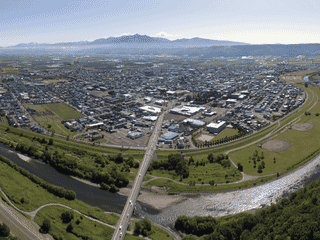

Furano
East Asia · Japan
Did you know?
- Farm Tomita and the cheese factory both offer free visits, while a lavender chair lift costs ¥300.
- The Hokkaido Belly Button Festival runs July 28–29 in the town known for its central location.
- Winter temperatures can fall below -30°C, while summer exceeds 30°C.
See also
Asahikawa
Japan43.77°N 142.37°E
Overview
Furano is known for powder skiing in winter and lavender fields in summer. Its seasonal identity shifts from deep snow sports to warm-weather flower viewing.
Languages: Japanese
Why go?
Furano is known as the Belly Button Town due to its central location in Hokkaido. It offers world-class powder skiing in winter and stunning lavender fields in summer. The area has seen an increase in foreign skiers, particularly from Australia. Winter temperatures can drop below -30°C, while summer exceeds 30°C.
Adapted from Wikivoyage contributors · CC BY-SA 4.0
Getting in
Furano is accessible by bus from Sapporo (2.5 hr, ¥2700) via the Furano Express (Chūō Bus) with approximately hourly service from Sapporo Station bus terminal. The Lavender Express Bus connects from Asahikawa Airport and JR Asahikawa Station (¥770-880, 2 hours, seven departures daily). By train, JR lines run from Takikawa and Nemuro.
Adapted from Wikivoyage contributors · CC BY-SA 4.0
Getting around
The Furano area is spread out; walking is possible in the central area, but a bicycle or car is useful for exploring the lavender farms and ski areas. Local buses connect the towns of Furano, Nakafurano, and Kamifurano.
Adapted from Wikivoyage contributors · CC BY-SA 4.0
When to go
Winter (December to March) is ideal for skiing and snowboarding due to deep, dry powder snow. Summer (July to August) is peak for lavender fields and the Hokkaido Belly Button Festival on 28-29 July. Spring and autumn are quieter but pleasant. Heavy snowfall in winter; pack warm clothing.
Adapted from Wikivoyage contributors · CC BY-SA 4.0
Where to stay
Accommodation ranges from the Furano Youth Hostel (dormitory bed ¥3450) to upmarket hotels like the New Furano Prince Hotel and Furano Prince Hotel. Self-contained studios at Fresh Powder Apartments start at ¥16,000. A free campground, Taiyo no Sato, is available in Yamabe. Many options are near the ski lifts.
Adapted from Wikivoyage contributors · CC BY-SA 4.0
Food and drink
Local specialties include Furano Wine, carrot juice, and lavender wine. Dining options range from Korean BBQ at Seoul Terrace (¥800-1500) to okonomiyaki at Masaya (¥800-1000). Furano Craft Beer House offers microbrews and meals (lunch ¥600-1000). Also try ramen and Japanese curry at Syoujiki Mura.
Adapted from Wikivoyage contributors · CC BY-SA 4.0
Things to do
Winter sports: skiing and snowboarding at Furano Zone and Kitanomine Zone with a joint lift ticket. Hiking on Furano-dake, Ashibetsu-dake, and Tokachi-dake. Visit the Furano Cheese Factory (free tours), Furano Winery (free tasting and shop), and Farm Tomita (free lavender fields). Chair lift to Nakafurano Lavender Garden (round trip ¥300).
Adapted from Wikivoyage contributors · CC BY-SA 4.0
Safety
Furano is generally safe. Be aware of extreme cold in winter; temperatures can drop below -30°C, so pack appropriate clothing. The area has heavy snowfall, which may affect travel. No specific areas to avoid mentioned.
Adapted from Wikivoyage contributors · CC BY-SA 4.0
Day trips
Nearby destinations include Daisetsuzan National Park (Japan's largest national park, directly north), Biei, Minamifurano, Shintoku, Nakafurano, Shimizu, Obihiro, Asahikawa, and Ashibetsu. Most are accessible by train or bus.
Adapted from Wikivoyage contributors · CC BY-SA 4.0
Go next
Onward destinations include Daisetsuzan National Park, Biei, Asahikawa, Obihiro, and Nemuro via JR Nemuro Line. The JR Furano Line connects to Asahikawa in the north and Takikawa in the south.
Adapted from Wikivoyage contributors · CC BY-SA 4.0
Field guide adapted from Wikivoyage contributors · CC BY-SA 4.0. Text has been adapted and organized for this guide. About our sources.
Places to know
A few starting points from the guide. Check current hours and prices before you go.
- sleep
Fresh Powder Apartments Furano
Self-contained apartments ranging from studio to 3BR, each with a full kitchen, private laundry, bath/shower, English TV, and internet access. Ideal for families and international visitors on long stays.
Recorded price: Fully furnished studio from ¥16,000
Adapted from Wikivoyage contributors
- sleep
Furano Prince Hotel
Adapted from Wikivoyage contributors
- sleep
Furano Youth Hostel
Recorded price: Dormitory bed ¥3450
Adapted from Wikivoyage contributors
- sleep
Minshuku Mutsukari
This Minshuku is a further away from the ski slopes, but it's nice, has free parking and no curfew. The house leans a little and the tatami rooms are not brand new, but the landlady is lovely and you can have meals included if you wish. They have a Japanese-style (single-sex shared) bath for relaxing after a hard day on the slopes. There is a bus stop outside.
Recorded price: ¥6000
Adapted from Wikivoyage contributors
- sleep
New Furano Hotel
While the management is friendly, they don't speak much English. Rooms are small but clean. There are vending machines with beer, as well as a gift shop, ski and snowboard lockers, a restaurant, wireless internet at the JUN Restaurant, public baths, a game room, a tea room, and coin laundry.
Adapted from Wikivoyage contributors
- sleep
New Furano Prince Hotel
This upmarket hotel has a bakery and large gift shop.
Adapted from Wikivoyage contributors
- sleep
Taiyo no Sato Campground
This is a very large campground in the foothills of the mountains. There is a very small store here that sometimes has fresh vegetables and little else, so stock up in town. There are spots for tents and RVs.
Recorded price: Free
Adapted from Wikivoyage contributors
- eat
Furano Craft Beer House
This restaurant, formerly known as Yamano Dokuson, has microbrews on tap, fresh bread, smoked meats, local cheeses, and other food.
Recorded price: Lunch ¥600-1000, dinner ¥1200-1400, all you can eat and drink ¥3000
Adapted from Wikivoyage contributors
Before you go
Culture
The Hokkaido Belly Button Festival (Heso Matsuri) is held on 28-29 July. Furano is known as the Belly Button Town due to its central location.
Language
English is not widely spoken outside major hotels and tourist areas. Basic Japanese phrases are helpful.
Money
The local currency is Japanese Yen (¥). Cash is widely used; ATMs are available at convenience stores. Credit cards accepted at major hotels and some restaurants.
Safety
Winter conditions can be severe with heavy snowfall and temperatures below -30°C. Dress warmly and check weather forecasts.
Transport
Furano is accessible by direct buses from Sapporo (2.5 hr, ¥2700) and Asahikawa (2 hr, ¥770-880). Local buses and taxis are available.