
Nikko
East Asia · Japan
Did you know?
- Tōshō-gū enshrines shogun Tokugawa Ieyasu and his grandson Iemitsu.
- A short bus ride from Tobu Station reaches the shrine area; walking takes about 30 minutes.
- Yuba is especially good with soba noodles, and fresh versions make a memorable souvenir.
See also
Overview
Nikkō brings ornate shrine architecture, mountain scenery, and a signature yuba food culture into a compact heritage town. The station area is a practical launch point for Tōshō-gū, Lake Chuzenji, Kegon Falls, and nearby hot-spring routes.
Languages: Japanese
Why go?
Nikkō is one of Japan's most ornate and historically significant destinations, home to the lavishly decorated mausoleums of shogun Tokugawa Ieyasu and his grandson Iemitsu at Tōshō-gū. The UNESCO World Heritage area includes three major shrines and temples, including Futarasan Shrine, founded in 767 AD by the monk who introduced Buddhism to the region. Beyond the tourist hot spots near the station, the area covers a quarter of Tochigi prefecture—much of it mountainous and remote—with countless hot springs, hiking trails, and lesser-known sights for those who venture slightly off the beaten track. The famous three wise monkeys carving (see no evil, hear no evil, speak no evil) is among the countless intricate woodcarvings adorning Tōshō-gū.
Adapted from Wikivoyage contributors · CC BY-SA 4.0
Getting there
Nikkō is accessible by train from Tokyo via two main lines: the JR Nikkō Line from Utsunomiya (about 2 hours from Tokyo Station) and the Tobu Nikkō Line from Asakusa (about 2 hours via limited express). The JR and Tobu stations are about 2 km west of the shrine area. Tobu Railway offers a World Heritage Pass that includes bus fare to the UNESCO World Heritage area. Visitors arriving by car can use the Nikkō-Utsunomiya Toll Road, with the journey taking approximately 2.5 hours from Tokyo.
Adapted from Wikivoyage contributors · CC BY-SA 4.0
Getting around
The JR and Tobu stations are about 2 km west of the shrine area. To reach the shrines, take a Tobu Bus (bus stop 2C outside Tobu Nikkō Station, about a 6-minute ride), or walk following pedestrian signs along Route 119—allow about 30 minutes. Bus stops 81-85 on the Tobu 2C line serve the shrine and temple area. A Tourist Information Center midway between stations (591 Gokomachi area; +81 288-53-3795) offers maps, English assistance, internet access (¥100/30 minutes), and umbrella loans. The JR station sells tourist bus passes for the Nikkō area; a ¥2000 ticket provides 2 days of unlimited rides to the Chuzenji onsen area, discounted from posted fares.
Adapted from Wikivoyage contributors · CC BY-SA 4.0
When to go
Nikkō experiences four distinct seasons: autumn (October-November) offers stunning fall foliage with the shrine's ornate carvings framed by crimson maples; spring brings cherry blossoms; summer is lush and green but hot and humid; winter (December-February) is cold with occasional snow. Tōshō-gū and other major sites have extended hours April-October (08:00-16:30 or 17:00) and shorter hours November-March (08:00-15:30 or 16:00). The Kegon Falls area has seasonal hour variations, opening as early as 07:30 in summer.
Adapted from Wikivoyage contributors · CC BY-SA 4.0
Where to stay
Nikkō offers accommodation ranging from budget hostels to traditional ryokan. Budget options include earth hostel Nikkō riverhouse (¥4,000/night) overlooking the river with Western breakfast, and Nikkō Suginamiki Youth Hostel (¥3,112-3,667). Mid-range guesthouses include Nikkō Guesthouse Sumica (¥2,600-3,800) near both stations, and Nikkō Park Lodge (¥3,990/person) offering yoga classes and vegan dinners. Traditional ryokan like Nikkō Tokanso (¥3,600/person) provide cultural experiences with kaiseki dinners (¥3,000) and private onsen baths. For splurges, Okunoin Hotel Tokugawa (from ¥25,000/person) offers lavish dinners and garden views, while the Nikkō Kanaya Hotel (opened 1873) is Japan's oldest surviving Western-style hotel.
Adapted from Wikivoyage contributors · CC BY-SA 4.0
Food and drink
Yuba (ゆば)—the tofu skin that forms when making tofu—is Nikkō's signature food, found everywhere and especially good with soba noodles. Popular souvenirs include yuba (best fresh), tamarizuke (vegetables pickled in tamari soy sauce), and oddly, Western-style cheesecake and kasutera pastries despite no obvious historical connection to Nikkō. For casual dining, Hippari Dako on the main street (¥500+) serves yakitori and noodles with vegetarian options and multilingual menus. Sobadokoro Gen-an (¥800 set meals, closed W) halfway between shrines and stations offers handmade soba with tofu skin, chicken, or tempura shrimp in a quirky setting with violins on the walls. For dinner, Ramen Bonten (¥800-1,500, 11:00-21:00) near Tobu Station is one of the few evening options with large, flavorful bowls.
Adapted from Wikivoyage contributors · CC BY-SA 4.0
Things to do
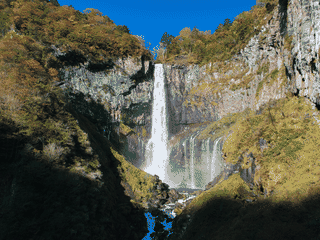
The UNESCO World Heritage shrines and temples are the main draw: Tōshō-gū (¥1,300-1,600, Apr-Oct 08:00-16:30) is the most extravagant temple, built 1634 for Tokugawa Ieyasu; nearby Yomeimon Gate features over 400 carvings and the famous sleeping cat; Taiyuin-byō (¥550) is Iemitsu's smaller but more beautiful mausoleum; Futarasan Shrine (¥200) dates to 782 and is the oldest structure in Nikkō. Lake Chuzenji and the Senjogahara Plateau offer 4.6-19.7 km hiking trails (1.5-6 hours), with special low-pollution hybrid buses to Senjugahama. Kegon Falls (elevator ¥550) is one of Japan's Top 3 waterfalls. Other sights include the Shinkyō Bridge (¥350 to cross), Kanmangafuchi Abyss with jizo statues along a river, and the Tamozawa Imperial Villa (1899).
Adapted from Wikivoyage contributors · CC BY-SA 4.0
Safety
Nikkō is generally a safe destination for travelers. Standard urban precautions apply in the town center near stations. Some hiking trails, particularly in Nikkō National Park around Senjogahara Plateau and Lake Chuzenji, can be challenging—stick to marked paths and check weather conditions before heading into the mountains. During winter, some roads and trails may be closed due to snow.
Adapted from Wikivoyage contributors · CC BY-SA 4.0
Connectivity
Free WiFi is available at tourist information centers. The midway Tourist Information Center (591 Gokomachi area) offers internet access for ¥100 per 30 minutes. Most mid-range and upscale ryokan and guesthouses provide free LAN internet in lobbies or rooms. Japan uses Type A and B power plugs (two parallel flat pins, same as US), typically 100V.
Adapted from Wikivoyage contributors · CC BY-SA 4.0
Budget planning
A backpacker can expect to spend ¥5,000-8,000 per day in Nikkō: dorm beds from ¥2,500-4,000, budget meals ¥500-1,500, local transport ¥200-500, and attraction entry fees ¥200-1,600 per site. Tōshō-gū alone costs ¥1,300-1,600. The JR 2-day pass to Chuzenji costs ¥2,000. Ryokan stays with dinner and breakfast range ¥6,000-15,000 per person.
Adapted from Wikivoyage contributors · CC BY-SA 4.0
Day trips
The greater Nikkō area offers numerous excursions: Kinugawa (hot springs and Tobu World Square/Edo Wonderland theme parks); Yumoto hot spring resort (30 minutes deeper into the hills near Yudaki Falls); Kirifuri Highlands (waterfalls, hiking, skiing); and Akagane Shinsui Koen (Copper Hydro Park) in the far southwestern corner, billed as Japan's Grand Canyon where pollution killed all trees. Those interested in pottery or steam locomotives may enjoy Mashiko on the way back to Tokyo.
Adapted from Wikivoyage contributors · CC BY-SA 4.0
Go next
From Nikkō, connections lead to Utsunomiya (capital of Tochigi Prefecture), Kinugawa (hot springs and theme parks), Nasushiobara, Yumoto (hot spring resort near another lake), and Mashiko (pottery town). By road, National Route 120 leads northwest to Numata and Katashina, while Route 121 goes north to Aizuwakamatsu via Kinugawa. The Tobu Nikkō Line runs south to Tokyo Skytree via Tochigi and Kasukabe.
Adapted from Wikivoyage contributors · CC BY-SA 4.0
Field guide adapted from Wikivoyage contributors · CC BY-SA 4.0. Text has been adapted and organized for this guide. About our sources.
Places to know
A few starting points from the guide. Check current hours and prices before you go.
- sleep
Annex Turtle Hotori-An
About 15 minutes on foot from Shinkyō Bridge, in a quiet area near the Kanmangafuchi Abyss; includes a hot spring bath and internet access.
Recorded price: Japanese-style rooms ¥6,500 for one person, ¥12,400 for two, ¥17,700 for three
Adapted from Wikivoyage contributors
- sleep
Logettel St.Bois
A strangely French name for a pleasant little guesthouse a short walk from Tobu Nikko station. Run by an old Japanese couple who moved here for the quiet life. The guesthouse has small and cosy western style rooms, a communal Japanese bath, and serves excellent breakfasts and dinners. Lifts to and from the station are easily arranged. Adequate English is spoken, credit cards accepted, free LAN internet in the lobby.
Recorded price: ¥6,500 per night, dinner ¥2,000, breakfast ¥800
Adapted from Wikivoyage contributors
- sleep
Nikko Guesthouse Sumica
A traditional Japanese guest house, located a few minutes from the Tobu and JR stations. Friendly owners.
Recorded price: ¥2,600-3,800
Adapted from Wikivoyage contributors
- sleep
Nikko Kanaya Hotel
The oldest surviving Western-style hotel in Japan, having opened in 1873.
Adapted from Wikivoyage contributors
- sleep
Nikko Minshuku Narusawa Lodge
A Japanese traditional guest house.
Recorded price: ¥3,675
Adapted from Wikivoyage contributors
- sleep
Nikko Park Lodge
This laid-back, friendly and unapologetic lodge is about 20 minutes' walk from the town center, although the owner is happy to provide rides to and from the train stations (and to the temple area in the morning). There are twin, double and four-person rooms at ¥3990 per person. English is spoken. The lounge has comfortable sofas and a warm stove for the winter. Although most of the rooms have showers, there are lovely Japanese-style hot baths on the first floor. Zen yoga classes are offered every morning at 07:00 for ¥300. A simple breakfast is ¥395 and the vegan 'zen' dinner (¥1800, reservation required) is recommended, but be prepared to spend a couple of hours waiting for your meal after the advertised starting time. Parking is available.
Adapted from Wikivoyage contributors
- sleep
Nikko Suginamiki Youth Hostel
Recorded price: ¥3112 for Hostelling International members, ¥3667 otherwise
Adapted from Wikivoyage contributors
- sleep
Nikko Tokanso
A traditional Japanese guest house walking distance to the UNESCO World Heritage shrines and temples. The staff are helpful and friendly. The rooms are very clean, and the futons are comfortable. They have private half baths (sink and toilet). The main bathtub/onsen is public (shared among hotel guests), but you can reserve the private "family bath" for 50 minutes during your stay for no extra charge — this is a great way to get a private onsen experience, plus the antechamber to the private onsen has a sink and hair dryer. The dinner (¥3000 per person, served in a common dining room, reserve dinner time at check in on a first-come, first-serve basis — reservations for dinner can also be made at time of room booking) a great value (many dishes) and cultural experience. Breakfast is available for ¥1000, first service at 07:30. There is free coffee and tea in the lobby, as well as a public use computer with Internet. Information packets (in the guest room) are translated into English, Mandarin Chinese, Korean, and Spanish.
Recorded price: ¥3600 per person
Adapted from Wikivoyage contributors
Before you go
Accommodation
Budget hostels from ¥4,000, traditional ryokan from ¥3,600/person including dinner. Overnight stays let you experience shrines without day-tripper crowds at dawn and dusk.
Connectivity
Free WiFi at tourist information centers (¥100/30 min at midway center). Most guesthouses offer free LAN internet. Japan uses Type A/B power plugs (100V).
Culture
Nikkō is a UNESCO World Heritage site with 17 structures including Tōshō-gū, Futarasan Shrine (est. 767 AD), and Rinnō-ji Temple. Remove shoes when entering temples and dress modestly.
Money
Japan uses yen (¥). Credit cards are accepted at larger hotels and some restaurants, but smaller establishments and local shops are often cash-only. ATMs at post offices and convenience stores accept foreign cards.
Transport
JR Nikkō Line from Utsunomiya or Tobu Nikkō Line from Asakusa (Tokyo) both reach Nikkō in about 2 hours. JR tourist passes offer unlimited 2-day rides to Chuzenji for ¥2,000.
Weather
Four distinct seasons: autumn (Oct-Nov) for fall foliage, spring for cherry blossoms, hot humid summers, and cold snowy winters. Check seasonal hours for attractions.