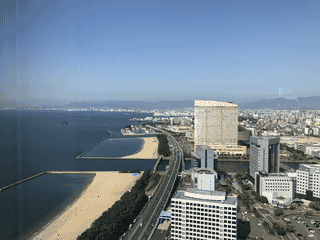

Fukuoka
East Asia · Japan
Did you know?
- Yatai stalls cluster in Tenjin, Nakasu, and along Canal City's river.
- Tonkotsu broth simmers for 12-plus hours and is finished with sesame and pickled ginger.
- Dazaifu's shrine and National Museum are about 30 minutes away by train.
See also
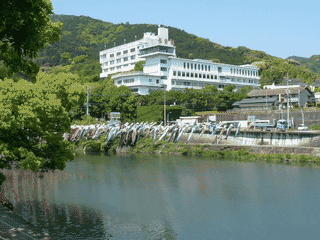

Saga
Japan33.27°N 130.30°E
Overview
Fukuoka is an approachable historic port city with strong Chinese and Korean connections, lively yatai food culture, and easy transit. Tonkotsu ramen, shrines, parks, and nearby day trips make it a flexible Kyushu base.
Languages: Japanese
Why Go?
Fukuoka is the largest city on Kyushu and one of Japan's most approachable destinations for first-time visitors. As a historic port city, it has long welcomed foreign visitors and remains more open than many Japanese cities, with significant Chinese and Korean communities. The city blends ancient temples and samurai heritage with cutting-edge food culture—it's home to Japan's top tonkotsu ramen and hundreds of lively yatai street stalls. Fukuoka is also the northern terminus for the Kyushu Shinkansen, making it an ideal hub for exploring southern Japan.
Adapted from Wikivoyage contributors · CC BY-SA 4.0
Getting In
Fukuoka Airport is surprisingly central, just east of downtown, with domestic flights from Tokyo Haneda, Narita, Osaka (Itami and Kansai), and Nagoya. International flights serve China, South Korea, Taipei, Hong Kong, Singapore, Bangkok, Manila, Hanoi, Ho Chi Minh City, plus Honolulu and Guam. The city is the northern terminus of the Sanyo Shinkansen (from Hiroshima, Osaka, Tokyo) and Kyushu Shinkansen (from Kagoshima via Kumamoto). JR Hakata Station is the main rail hub. Hakata Port receives international ferries and hydrofoils.
Adapted from Wikivoyage contributors · CC BY-SA 4.0
Getting Around
Fukuoka's subway connects Hakata, Tenjin, Nakasu, and Fukuoka Airport via four lines. A one-day pass costs around ¥800. Buses are extensive but complex; the city is walkable in central areas. The Hakata Minami Line offers a ¥290 bullet train experience on regular Shinkansen equipment. Yatai stalls appear along rivers and major streets from mid-afternoon. Bicycle rentals are available near Ohori Park.
Adapted from Wikivoyage contributors · CC BY-SA 4.0
When to Go
Spring (March-May) brings cherry blossoms; Nishi Park has 3,000 trees. Golden Week (late April-early May) features Hakata Dontaku, Japan's largest festival with over 2 million attendees. Summer is hot and humid but hosts beer gardens on department store rooftops and the Hakata Gion Yamakasa festival (July 1-15) with elaborate float parades. Winter is mild (5-15°C) with fewer tourists. The yatai are year-round but most lively April-November.
Adapted from Wikivoyage contributors · CC BY-SA 4.0
Where to Stay
Budget travelers should look near Hakata Station (good transit connections) or Tenjin (nightlife and shopping). Capsule hotels like Hotel Cabinas Fukuoka start around ¥2,900-3,800. Hostels offer dorms from ¥2,500-3,500. Business hotels near stations run ¥6,000-10,000 including breakfast. Mid-range options include Comfort Hotel Hakata and Floral Inn Nishinakasu. Luxury properties like Grand Hyatt Fukuoka and ANA Crowne Plaza are in the ¥10,000+ range.
Adapted from Wikivoyage contributors · CC BY-SA 4.0
Food & Drink
Hakata is Japan's tonkotsu (pork bone) ramen capital—rich, cloudy broth simmered 12+ hours, topped with sesame and pickled ginger. Refill noodles (kaedama) cost around ¥300. Best yatai stalls cluster in Tenjin near the post office, Nakasu, and along Canal City's river. Other local specialties: mentaiko (spicy pollock roe, sold at JR Hakata Station), gyoza dumplings, and champon noodles at RingerHut. Lunch sets offer excellent value at half dinner prices, often under ¥1,000. The Daimyo neighborhood has trendy bars and late-night eats.
Adapted from Wikivoyage contributors · CC BY-SA 4.0
Things to Do
Visit Kushida Shrine (8th century, Gion Yamakasa starting point) and Tōchō-ji's 10.8m wooden Buddha. Climb Atago Shrine hilltop for city views. See Fukuoka Tower (¥800, 123m deck) and ACROS building's rooftop garden. Ohori Park Japanese Garden costs ¥190 for foreign visitors. Explore Fukuoka Castle ruins with AR tablet rentals. Watch a SoftBank Hawks baseball game at PayPay Dome (outfield seats from ¥1,000). Take the ferry to Nokonoshima Island (¥1000 park entry) for hiking and flower gardens. Karaoke costs ¥2,500 for all-night nomihodai (all-you-can-drink) from 23:00.
Adapted from Wikivoyage contributors · CC BY-SA 4.0
Safety
Fukuoka is one of Japan's safest large cities. Nakasu is the red-light district with 3,500+ establishments—legal but exercise normal urban caution at night. Yatai stalls don't have menus; confirm prices before ordering to avoid overpaying. Petty theft is rare. Emergency services: dial 110 for police, 119 for fire/ambulance.
Adapted from Wikivoyage contributors · CC BY-SA 4.0
Connectivity
Free WiFi is available at major stations, convenience stores, and many cafes. The local IC card Hayakaken works on all subway, bus, and some taxis. SIM cards and portable WiFi rentals are widely available at airport and electronics stores. Power plugs use Type A/B sockets (100V, 50/60Hz).
Adapted from Wikivoyage contributors · CC BY-SA 4.0
Budget
Daily budget for budget travelers: ¥4,000-6,000 covers dorm bed or capsule hotel, convenience store meals plus a ramen dinner, subway rides, and one paid attraction. Mid-range travelers spend ¥8,000-15,000 for private rooms, restaurant meals, and activities. Yatai dinners run ¥500-1,500. Karaoke all-night deals are ¥2,500. Beer gardens in summer: around ¥3,500 for buffet and all-you-can-drink.
Adapted from Wikivoyage contributors · CC BY-SA 4.0
Day Trips
Dazaifu (30 min by train) houses beautiful Dazaifu Tenmangu Shrine and the National Museum—popular for New Year pilgrimages. Beppu and its famous hot spring "Hells" is a 2-hour trip via Sonic Limited Express. Kitakyushu is accessible by shinkansen on weekends for ¥3,000 return. Yanagawa offers canal boat rides. Nokonoshima Island is a 10-minute ferry ride for hiking and flowers.
Adapted from Wikivoyage contributors · CC BY-SA 4.0
Etiquette
At yatai stalls: respect other customers' space, don't arrive in large groups (split up), and don't stay too long. Tipping is not customary and can be offensive. Remove shoes when entering some traditional establishments. Business card exchange (meishi) is common in formal settings—present and receive with both hands.
Adapted from Wikivoyage contributors · CC BY-SA 4.0
Go Next
The Kyushu Shinkansen continues south to Kagoshima via Kumamoto and Shin-Tosu. The Sanyo Shinkansen runs north to Hiroshima, Osaka, and Tokyo. Limited Express trains serve Beppu (famous hot springs), Kitakyushu, and coastal cities like Karatsu. JR day passes for Limited Express trains offer savings over individual tickets. Ferry services connect Hakata Port to Tsushima Island (Korea-bound).
Adapted from Wikivoyage contributors · CC BY-SA 4.0
Field guide adapted from Wikivoyage contributors · CC BY-SA 4.0. Text has been adapted and organized for this guide. About our sources.
Places to know
A few starting points from the guide. Check current hours and prices before you go.
- eat
Asahiken Gyoza
Pot stickers, steamed rice, miso soup and beer.
Adapted from Wikivoyage contributors
- eat
Daimyo
A few places offer Happy Hour from 17:00-19:00, if you are looking for some refreshment before dinner.
Adapted from Wikivoyage contributors
- eat
Hitokuchi Gyoza Taketora
It is a restaurant that specializes in alcohol snacks such as Japanese gyoza dumplings and gopchang.
Adapted from Wikivoyage contributors
- eat
Ichiran
A well known ramen chain, dedicated solely to perfecting tonkotsu. Buy a ticket from the vending machine outside (just hit the big top button) and take a seat at the counter. Each seat has a curtain in front and dividers on the side, so nothing distracts you from the noodle experience that awaits. Cellphones, children or conversation are not allowed. Hand over your ticket, receive a questionnaire on how you like your noodles (available in English at some outlets), and choose the middle option (基本 kihon, or "standard") for everything. In under a minute, a bowl of noodles will appear. If you want more noodles or an egg, press the button and ask for kaedama or tamago respectively.
Recorded price: ¥650
Adapted from Wikivoyage contributors
- eat
Just Meat Yakiniku
It is a restaurant where you can eat fresh yakiniku.
Adapted from Wikivoyage contributors
- eat
Menya Ishi
This is a udon restaurant located around Hakata Station. It is famous for its udon and pollack udon.
Recorded price: 1000–2000¥ Per person
Adapted from Wikivoyage contributors
- eat
Nagahama
Famous for Hakata's Nagahama ramen, with stalls (yatai) that get set up daily to handle the locals who are proud of their ramen. You will most likely smell it before you see it, and if you want a true Fukuoka experience is definitely worth a look if not a full meal.
Adapted from Wikivoyage contributors
- eat
Ramen Stadium
This celebration of ramen offers 8 restaurants with every style of ramen between Kyushu and Hokkaido. Ballots collected at the center determine a monthly favorite.
Recorded price: Place your order by purchasing a food ticket from the vending machine before entering the restaurant
Adapted from Wikivoyage contributors
Before you go
Connectivity
Free WiFi at stations and convenience stores. SIM cards and pocket WiFi widely available. Power: Type A/B plugs, 100V.
Food
Fukuoka is tonkotsu ramen capital—try yatai stalls for authentic experience. Mentaiko (spicy roe) is a local specialty available at department stores and JR station. Lunch sets offer the best value.
Language
Standard Japanese is understood everywhere. Hakata dialect (Hakata-ben) is local but colorful—yoka (good), umaka (delicious). Basic English at tourist spots, limited at yatai.
Money
Japan uses yen (JPY). Credit cards accepted at hotels, department stores, and larger restaurants but carry cash for yatai, small shops, and temples. 7-Eleven and Japan Post ATMs accept foreign cards.
Safety
One of Japan's safest cities. Normal urban caution applies in Nakasu nightlife district at night.
Transport
Get an IC card (Hayakaken or Suica) for continuous subway and bus travel. The subway connects all major tourist areas. Hakata Station is the main rail hub with Shinkansen access.
Visa
Many nationalities get 90-day visa-free entry for tourism. Check current requirements before travel.
Weather
Humid subtropical climate. Summers are hot (25-32°C) with rain. Winters are mild (5-15°C) with occasional frost. Cherry blossom season is late March to early April.