
Niigata
East Asia · Japan
Did you know?
- Sado Island adds gold mines, beaches, and traditional noh theater via a ferry trip.
- Locals claim the region produces Japan's best rice, alongside wappa-meshi and hegi-soba.
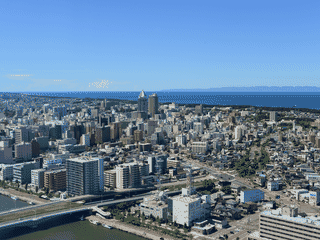
- A free observation deck offers panoramic city views from the modern convention center.
See also
.jpg)
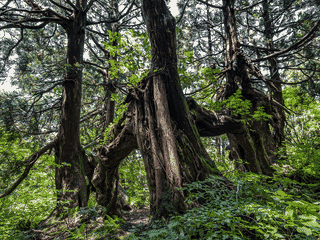
Sado Island
Japan38.02°N 138.37°E
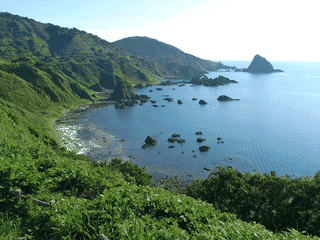

Awashima
Japan38.46°N 139.24°E · 265 m
Overview
Niigata is a Sea of Japan harbor city built around rice, sake, the Shinano River, and waterfront history. Walkable sights, bicycle rentals, museums, and winter access to nearby ski areas make it a relaxed regional base.
Languages: Japanese
Why Go?
Niigata is a harbor city of 810,000 on the Sea of Japan coast, approximately 250 km directly north of Tokyo. It is a rice-growing region famed for the highest quality rice and sake in Japan, offering a slower-paced alternative to the capital with easy Shinkansen access. The city combines waterfront scenery along the Shinano River, historic Meiji-era architecture, hot spring resorts, and access to ski areas in winter.
Adapted from Wikivoyage contributors · CC BY-SA 4.0
Getting In
Niigata Station is the terminus of the Joetsu Shinkansen line from Tokyo, costing ¥10,570 each way with most trains taking just over 2 hours; one morning nonstop run covers the distance in 97 minutes. The trip is fully covered by the Japan Rail Pass and JR East Rail Pass. Niigata Airport handles international flights from South Korea (Seoul on Korean Air), China (Shanghai on China Eastern), and Taiwan (Taipei on Tigerair Taiwan), plus frequent domestic flights to Osaka (¥25,100 one way), Sapporo (¥28,700 one way), and Nagoya Chubu International Airport.
Adapted from Wikivoyage contributors · CC BY-SA 4.0
Getting Around
Niigata has a very good bus system, but most major sights are within walking distance of each other. Bicycle rentals are available from several locations throughout the city at ¥100 for the first 3 hours and ¥100 for each additional hour. The tourist information office in Niigata train station supplies maps and directions to the nearest rental office, about 5 minutes walk away. ID is required to rent a bike, and travelers should check brakes, tire pressure, and bike lock before departing.
Adapted from Wikivoyage contributors · CC BY-SA 4.0
When to Go
Niigata experiences distinct seasons: summer is warm and humid, autumn offers crisp weather and foliage, winter brings snow and swan migrations to the coastal areas, and spring features cherry blossoms. The region is known for festivals including local matsuri events. Winter sports enthusiasts can access nearby ski areas, while summer is ideal for river cruises and outdoor activities.
Adapted from Wikivoyage contributors · CC BY-SA 4.0
Where to Stay
Accommodation ranges from budget business hotels to luxury properties. Budget options include Super Hotel Niigata (¥5,400-9,000 with free breakfast), Toyoko-inn Niigata Furumachi (from ¥4,980 single with free breakfast), and Niigata Terminal Hotel (from ¥4,515 single). Mid-range options include APA Hotels, Bandai Silver Hotel, and Sunroute Hotel Niigata. Luxury properties include ANA Crowne Plaza Niigata (from ¥10,972 single), Hotel Nikko Niigata (from ¥11,550 single, all rooms on 22nd-29th floors), and Hotel Okura Niigata (from ¥10,395 single). Traditional Japanese-style ryokan with hot springs are available in Iwamuro-onsen area.
Adapted from Wikivoyage contributors · CC BY-SA 4.0
Food and Drink
Niigata is renowned for its rice, with locals claiming it produces the best rice in Japan. Key regional specialties include Uonuma koshihikari rice, shoyu (soy-sauce) and yofu (western-style) katsudon, noppe stew, wappa-meshi (seafood and rice steamed in bamboo), sasa-dango (mochi rice balls with red bean and mugwort), poppo-yaki (brown sugar steamed bread), and hegi-soba from Uonuma and Ojiya areas using special seaweed. Tsubame-sanjo ramen features thick udon-style noodles. Kanzuri is a special seasoning from Myoko made by exposing chili pepper on snow, then adding flour, salt, and yuzu. There are hundreds of izakaya and Japanese bars throughout the city.
Adapted from Wikivoyage contributors · CC BY-SA 4.0
Things to Do
The Toki Messe Observation Deck (朱鷺メッセ展望室) at the modern convention center offers free panoramic views of Niigata City, open Sunday-Thursday 08:00-22:00 and Friday 08:00-17:00. Minatopia - Niigata City History Museum (¥300 adults) provides English audio guides and covers local history and culture. The Northern Culture Museum (¥800 adult), built as a wealthy family home in 1885-1887, requires at least a half-day visit. The Nakano Residence Museum of Art Foundation (¥700 adults) is accessible by taxi or 15-minute walk from Yashiroda Station. Bandai Bridge, built in 1929, is a nationally Important Cultural Property at the site of the first bridge crossing the Shinano River. Shinano River Cruises operate three times daily with an open-air deck.
Adapted from Wikivoyage contributors · CC BY-SA 4.0
Safety
Niigata is generally a very safe city with low crime rates typical of Japan. Standard urban precautions apply regarding personal belongings in crowded areas. The city is well-prepared for natural disasters with clear evacuation procedures.
Adapted from Wikivoyage contributors · CC BY-SA 4.0
Connectivity
Japan uses Type A and B power plugs (100V, 50/60Hz). WiFi is available at major hotels, train stations, and some public areas. SIM cards and portable WiFi devices are available at convenience stores and electronics shops for visitors needing data access.
Adapted from Wikivoyage contributors · CC BY-SA 4.0
Budget
A backpacker can expect to spend ¥3,000-5,000 per day on accommodation in budget hotels or hostels, ¥500-1,500 on meals at local restaurants and convenience stores, ¥100-300 on local transport including bus rides and bicycle rentals, and ¥300-800 on attractions and activities. The Joetsu Shinkansen to Tokyo costs ¥10,570 each way.
Adapted from Wikivoyage contributors · CC BY-SA 4.0
Day Trips
Sado Island offers historic gold mines, scenic beaches, and traditional noh theater performances accessible by ferry. Shibata Castle and the surrounding castle town provide Edo-period architecture. Uonuma is known for its exceptional rice and hegi-soba noodles. Tokamachi hosts winter festivals and access to ski areas. Murakami offers coastal scenery on the Sea of Japan.
Adapted from Wikivoyage contributors · CC BY-SA 4.0
Go Next
From Niigata, travelers can continue south to Tokyo via the Joetsu Shinkansen, west to Toyama on the Hokuriku Expressway, north to Akita via the Uetsu line, or east to Nagano via the Shin-etsu line. Regional destinations include Sado Island by ferry route, Uonuma for rice and hot springs, Tokamachi for winter sports, and Kitakata or Kashiwazaki for coastal experiences.
Adapted from Wikivoyage contributors · CC BY-SA 4.0
Field guide adapted from Wikivoyage contributors · CC BY-SA 4.0. Text has been adapted and organized for this guide. About our sources.
Places to know
A few starting points from the guide. Check current hours and prices before you go.
- sleep
ANA Crowne Plaza Niigata
The hotel has a no-pets policy. Parking is ¥1200 per day.
Recorded price: Rooms from ¥10972 single, ¥18480 twin, ¥18480 double,¥49500 suite
Adapted from Wikivoyage contributors
- sleep
APA Hotel Niigata-Furumachi
Recorded price: From ¥7,000 single, ¥13,000 single/twin
Adapted from Wikivoyage contributors
- sleep
APA Hotel Niigata-Higashinakadori
Recorded price: Rooms from ¥6000 single, ¥11000 twin.
Adapted from Wikivoyage contributors
- sleep
Bandai Silver Hotel
Recorded price: Rooms from ¥7800 single, ¥7500 twin
Adapted from Wikivoyage contributors
- sleep
Bookinn
Adapted from Wikivoyage contributors
- sleep
Chisun Hotel & Conference Center Niigata
Recorded price: Rooms from ¥8600 single, ¥12600 double,¥15000 twin
Adapted from Wikivoyage contributors
- sleep
Comfort Hotel Niigata
A branch of the American hotel chain.
Adapted from Wikivoyage contributors
- sleep
Hoho
Formerly known as Hotel Ohashi Yakata-no-Yu. Japanese-style spa hotel.
Adapted from Wikivoyage contributors
Before you go
Accommodation
Budget hotels range ¥4,500-9,000/night. Mid-range options ¥7,000-13,000. Traditional ryokan in hot spring areas available for higher budgets.
Connectivity
Japan uses Type A/B plugs (100V). WiFi at stations and hotels. SIM cards and portable WiFi available for purchase.
Food
Niigata is famous for its rice, sake, and regional dishes like katsudon, noppe stew, and sasa-dango. Local izakaya offer affordable dining.
Money
Japan uses Japanese Yen (JPY). ATMs at convenience stores and post offices accept foreign cards. Credit cards accepted at larger hotels and restaurants.
Transport
Joetsu Shinkansen connects Niigata to Tokyo in ~2 hours (¥10,570 each way, covered by JR Pass). Bicycle rentals available citywide at ¥100 per 3-hour block.
Weather
Cold winters with snow, warm humid summers, pleasant spring and autumn. Winter is ideal for swan watching along the coast.