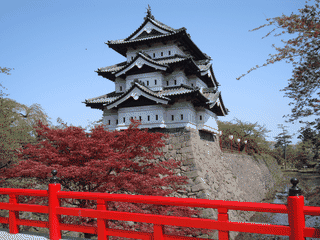

Hirosaki
East Asia · Japan
Did you know?
- The early-February snow lantern festival fills the castle park with illuminated sculptures.
- Apple juice and apple ice cream reflect the region's leading apple-growing identity.
- Neputa Village displays festival floats and a 4.5-meter drum large enough for 50 people to strike together.
See also
Overview
Hirosaki layers castle history, Neputa traditions, temple districts, and an apple-growing identity in northern Tohoku. Visit for seasonal festivals, blossoms, snow lanterns, and an easygoing cultural atmosphere.
Languages: Japanese
Why Go
Hirosaki was the capital of the Tsugaru clan that once ruled much of northern Tohoku. Occasionally called "the Kyoto of the North," the city backs up this hyperbole with an abundance of temples, castle ruins, and the famous Neputa Festival. As Japan's leading apple producer, the city offers a uniquely agricultural cultural identity combined with traditional architecture.
Adapted from Wikivoyage contributors · CC BY-SA 4.0
Getting In
Hirosaki is accessible by JR Ou Line from Aomori (50 min) and Akita via Odate. JR buses serve the station area. The Chuo Bus terminal near the station connects to surrounding towns. From Tokyo, take the Tohoku Shinkansen to Shin-Aomori then transfer to the Ou Line, or fly to Aomori Airport and take a bus.
Adapted from Wikivoyage contributors · CC BY-SA 4.0
Getting Around
Hirosaki is fairly spread out and visitors need to figure out the bus system to get around affordably. Most lines radiate from JR Hirosaki station. Konan Bus is the main company in the area, and payment by Suica and other IC cards is accepted for local buses.
Adapted from Wikivoyage contributors · CC BY-SA 4.0
Neputa Village
Located at the park's northeastern corner, Neputa Village (ねぷた村) holds the festival's floats and memorabilia outside the Neputa festival season. Entry costs ¥500 and includes access to the famous Neputa Hall where Japan's largest drum is displayed—4.5m in diameter and big enough for 50 people to bang on simultaneously. The adjacent Hirosaki Tourist Center (free entry) also showcases beautiful Neputa artifacts.
Adapted from Wikivoyage contributors · CC BY-SA 4.0
Cherry Blossom and Snow Festivals
The Hirosaki Castle Park cherry blossom festival features over 5,000 cherry trees. Locals and tourists enjoy a festival of laughing, singing, dancing, and drinking. The snow lantern festival is held during early February every year, when Hirosaki Castle Park fills with illuminated snow lanterns and sculptures during the evenings.
Adapted from Wikivoyage contributors · CC BY-SA 4.0
When to Go
The peak seasons are cherry blossom time (late April to early May) and the Neputa Festival (first week of August). The snow lantern festival in early February offers a quieter but equally atmospheric experience. Summer brings the most events but also the most crowds and tighter accommodation availability.
Adapted from Wikivoyage contributors · CC BY-SA 4.0
Where to Stay
Budget travelers can stay at Capsule Inn Hirosaki (¥3,150 normal, ¥4,200 upscale) in the Kajimachi nightlife area, with sauna, free internet, WiFi, TV room, and small restaurant. Business hotels near the station include Hotel Route-Inn Hirosaki ekimae (¥6,200), Toyoko Inn Hirosaki ekimae (¥5,100), and Blossom Hotel Hirosaki (¥5,000, larger rooms than average). Dormy Inn Hirosaki offers on-site onsen hot springs.
Adapted from Wikivoyage contributors · CC BY-SA 4.0
Food and Drink
Hirosaki is Japan's leading producer of apples, introduced to the city in 1875 by John Inge, an American teacher working at a local school. Local apple juice and apple ice cream are must-try specialties. Bunpuku Chagama near Hirosaki Daigaku Ministop Conbini is a ramen shop run by an interesting local character. For traditional Tsugaru cuisine, Tsugaru Akatsuki no Kai (by reservation only, Japanese phone) cooks lunch for groups of 4-10 people. The Kajimachi area near the castle is the nightlife hub with "American style" bars like Ash, Gumbo, and Garcom de Bar. The Nishihiro area near colleges has many cheap izakayas.
Adapted from Wikivoyage contributors · CC BY-SA 4.0
Budget
A daily backpacker budget for Hirosaki would be around ¥3,500-5,000, covering budget accommodation, local meals, and local transport. Major expenses include Hirosaki Castle entry (¥300 adults, ¥100 children), Neputa Village (¥500), temple visits (¥300), and meals (¥500-1,000 per meal at local spots).
Adapted from Wikivoyage contributors · CC BY-SA 4.0
Day Trips
Shirakami-Sanchi, a UNESCO World Heritage Site for its undisturbed beech forests and waterfalls, is under an hour away. The surrounding towns of Aomori, Inakadate (famous for rice paddy art), Goshogawara, Tsugaru, and others offer additional cultural experiences. Owani and Odate provide ski access in winter.
Adapted from Wikivoyage contributors · CC BY-SA 4.0
Go Next
Shirakami-Sanchi (UNESCO World Heritage Site for undisturbed beech forests and waterfalls) is under an hour away by bus or train. Aomori city is accessible via JR Ou Line (50 min north). Route connections head north to Aomori, south to Akita via Odate, and east to Towada-Hachimantai National Park via Hirakawa.
Adapted from Wikivoyage contributors · CC BY-SA 4.0
Connectivity
Free WiFi and internet are available at hotels like Capsule Inn Hirosaki. Drop into the Hirosaki Tourist Information Center at Otemon Square for useful maps and information. Japan uses Type A and B power plugs (100V, 50/60Hz).
Adapted from Wikivoyage contributors · CC BY-SA 4.0
Safety
Hirosaki is generally a safe, quiet city with low crime rates typical of rural Japanese cities. Standard urban precautions apply—keep valuables secure and be aware in nightlife areas after dark. The city is prone to heavy snow in winter; use appropriate footwear.
Adapted from Wikivoyage contributors · CC BY-SA 4.0
Etiquette
When visiting temples and shrines, remove shoes if required. Dress modestly and follow posted guidelines. At festivals, be respectful of performers and locals. Tipping is not customary in Japan. Bowing is appreciated as a greeting.
Adapted from Wikivoyage contributors · CC BY-SA 4.0
Field guide adapted from Wikivoyage contributors · CC BY-SA 4.0. Text has been adapted and organized for this guide. About our sources.
Places to know
A few starting points from the guide. Check current hours and prices before you go.
- sleep
Art Hotel Hirosaki City
Located very close to Hirosaki station with in-house restaurants, shopping and gym.
Adapted from Wikivoyage contributors
- sleep
Blossom Hotel Hirosaki
Larger rooms than your average business hotel.
Recorded price: ¥5,000
Adapted from Wikivoyage contributors
- sleep
Capsule Inn Hirosaki
Found in Kajimachi, in the Asahi Building. Budget lodging that comes with all the amenities of a typical capsule hotel: a sauna, free internet and wi-fi, a comfortable TV room and a small restaurant/bar. Definitely one of the nicest capsule hotels this contributor has stayed in. Friendly if impersonal service.
Recorded price: Normal capsule ¥3,150; upscale capsule ¥4,200
Adapted from Wikivoyage contributors
- sleep
Dormy Inn Hirosaki
Onsen on site.
Adapted from Wikivoyage contributors
- sleep
Hotel Route-Inn Hirosaki ekimae
Business hotel.
Recorded price: ¥6,200
Adapted from Wikivoyage contributors
- sleep
Toyoko Inn Hirosaki ekimae
Business hotel.
Recorded price: ¥5,100
Adapted from Wikivoyage contributors
- eat
Bunpuku Chagama
This ramen shop has many flavors of ramen, and the old woman who serves you is an interesting character. It also sells ice cream.
Adapted from Wikivoyage contributors
- eat
Tsugaru Akatsuki no Kai
At some distance from the center of town, this organization was formed to preserve the traditional cuisine of the Tsugaru region. With advance reservations (by phone, Japanese language only), they will cook lunch for groups of four to ten people.
Adapted from Wikivoyage contributors
Before you go
Accommodation
Budget options include Capsule Inn Hirosaki from ¥3,150/night. Business hotels near the station range from ¥5,000-6,200. Book early during Neputa Festival (first week of August) and cherry blossom season.
Culture
The city is called "Kyoto of the North" for its temple density and traditional architecture. The Neputa Festival (early August) is the major cultural event.
Food
Hirosaki is famous for apples and apple products. Local specialties include apple juice, apple ice cream, and Tsugaru region cuisine. Convenience stores offer affordable meals.
Money
Japan uses yen (JPY). Most businesses accept cards, but carry cash for small shops and temples. ATMs at convenience stores (FamilyMart, Lawson) accept foreign cards.
Transport
JR Hirosaki station is the main hub with Konan Bus connections. Suica and IC cards work on local buses. Most attractions require bus travel.
Weather
Hirosaki experiences cold, snowy winters (Dec-Feb) and mild summers. Cherry blossom season is late April-early May. Bring layers and waterproof shoes.