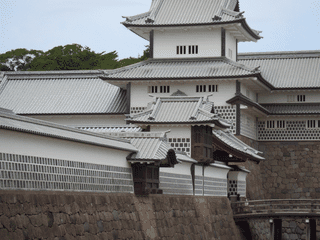

Kanazawa
East Asia · Japan
Did you know?
- Jibuni, winter crab, and sweet amaebi shrimp anchor the local seafood tradition.
- Kenroku-en is one of Japan's Top 3 gardens, with a ¥320 entry fee.
- A local proverb warns you to remember your umbrella even if you forget your lunchbox.
See also
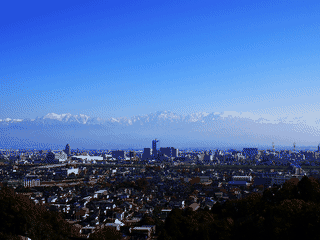

Toyama
Japan36.70°N 137.22°E
Shirakawa-go
Japan36.27°N 136.90°E
Overview
Kanazawa compresses samurai districts, geisha quarters, gardens, craft traditions, and seafood into a walkable historic core. Expect a polished cultural stay with easy day trips toward Toyama, Fukui, Takayama, and the Noto Peninsula.
Languages: Japanese
Why go?
Kanazawa is one of Japan's hidden jewels—a historic city in Ishikawa prefecture with one of the best-preserved major Edo-period layouts in the country. Its relatively remote location on the "wrong" side of the island from the Tokyo-Kyoto-Osaka tourist trail has kept foreign tourists away, but the samurai districts, geisha quarters, and Kenroku-en garden are exceptional. The 2015 opening of the Hokuriku Shinkansen from Tokyo has increased visitor numbers while keeping the city less crowded than Kyoto.
Adapted from Wikivoyage contributors · CC BY-SA 4.0
Understand
Kanazawa has been shaped by the samurai, merchants, geisha, and feudal lords whose legacies fill the compact, easily navigable central area. The city is part of the UNESCO Creative Cities Network as a City of Crafts and Folk Art. Don't leave without seeing the gold leaf craftsmen at work—many are over 90 years old and still putting in a full day's work. English language ability tends to be more limited than in Kyoto and Nara, but locals will go to great lengths to help visitors.
Adapted from Wikivoyage contributors · CC BY-SA 4.0
Climate
Kanazawa can get a lot of rain—it's "the Seattle of Japan". A local proverb says "even if you forget your lunchbox, don't forget your umbrella". Winters are cold with heavy snowfall from Siberian winds as part of the Snow Country region; half a meter or more is not uncommon. A common sight during winter is the ropes (called yukizuri) hanging from poles to help tree branches support heavy snow. Spring and autumn offer beautiful weather but can be unpredictable.
Adapted from Wikivoyage contributors · CC BY-SA 4.0
Get in
Kanazawa is accessible via the Hokuriku Shinkansen from Tokyo (about 2.5 hours), and the line connects north to Toyama. The city is also reachable by bus and conventional train lines. The Hokuriku Expressway provides road access from Fukui and Toyama directions.
Adapted from Wikivoyage contributors · CC BY-SA 4.0
Get around
Kanazawa's central area is compact and easily navigable on foot. The city has bus services connecting major attractions, and bicycle rental is available at some accommodations. The main areas—Kenroku-en, the samurai district, geisha quarters, and castle grounds—are all within walking distance of each other.
Adapted from Wikivoyage contributors · CC BY-SA 4.0
Talk
English is not as widely spoken as in larger cities, and many restaurants will only have Japanese menus. Even hotel reception staff might struggle with English. A big smile and patience will work wonders. Waitstaff may speak some basic English if given a chance to overcome nervousness.
Adapted from Wikivoyage contributors · CC BY-SA 4.0
Where to stay
The largest concentration of hotels is around Kanazawa Station, including ANA, APA, Nikko, Toyoko Inn, and Route Inn. For budget options, there are guesthouses like Guest House Pongyi (dorm beds ¥2,700) and ryokans such as Kikunoya (from ¥4,680/person) and Ryokan Shibaya (¥2,800-5,400/person). The Kanawaza Ryokan and Hotel Society runs a Yadotime booking engine available in English.
Adapted from Wikivoyage contributors · CC BY-SA 4.0
Food
Kanazawa cuisine is famous throughout Japan, particularly its seafood since it lies at the meeting point of warm south and cold north currents. Famous local dishes include jibuni (boiled and seasoned duck with vegetables), winter crab (zuwaigani or female crabs with eggs), and sweet amaebi shrimp. The Ōmichō market (open 09:30-17:00) is the largest fresh food market since the Edo period, with restaurants serving fresh local seafood including crab and Noto Peninsula oysters. Budget meals can be found at places like Dai-Nana Gyōza (10 gyoza for ¥360) and Gyoza-no-Ōshō (6 gyoza for ¥180).
Adapted from Wikivoyage contributors · CC BY-SA 4.0
See and do
Kenroku-en Garden (¥320, free on Culture Day Nov 3rd) is one of Japan's Top 3 gardens, once the outer pleasure gardens of the Maeda Lords. Kanazawa Castle features the original Ishikawa Gate. The Nagamachi Samurai District recreates samurai housing areas with the Nomura House (¥500) and free ashigaru houses. The geisha districts include Higashi-Chayagai with the Shima House (¥400) and tea ceremony experiences (¥500-1000). The Ninja Temple (Myōryū-ji, ¥1,200) offers tours of 23 rooms and 29 staircases. The 21st Century Museum of Contemporary Art sits across from Kenroku-en with free permanent collection exhibits including Jan Fabre's statue and Leandro Erlich's famous "swimming pool".
Adapted from Wikivoyage contributors · CC BY-SA 4.0
Buy
Kanazawa is famed for gold leaf production (kinpaku)—a small box of gold leaf fragments makes an interesting and reasonably priced gift for decorating cakes, food, or sake. Lacquerware (shikki) from Wajima, Yamanaka, and other areas suits all budgets. The Tatemachi shopping street offers fashion and good deals. Kenroku-en is ringed by tourist-oriented shops with keychains and postcards. Hakuza on Higashi-Chaya main street is a well-known gold leaf shop with a stunning platinum and gold leafed warehouse interior.
Adapted from Wikivoyage contributors · CC BY-SA 4.0
Drink
Tea ceremony matcha (¥500-1000) is served with sweets at teahouses in Higashi-Chaya. The Katamachi area (known locally as the Scramble) has bars of all shapes and sizes, with cover charges ranging from ¥500 to thousands. The St. Louis Jigger Bar run by Suntory is one cocktail bar without a cover charge. Machrihanish offers the best single malt selection in Kanazawa with draft Kilkenny at ¥900/pint and cocktails from ¥750. Nyumba cafe/bar near the station has draft beer for ¥500 and lunch specials around ¥900.
Adapted from Wikivoyage contributors · CC BY-SA 4.0
Stay safe
Kanazawa is a very safe city like most in Japan. The central Katamachi area (the Scramble) can get rowdy on weekends, with possible snide comments but little serious concern. Single female travelers should keep wits about them at night. The usual common sense rules apply.
Adapted from Wikivoyage contributors · CC BY-SA 4.0
Connect
Free Internet terminals are available in the underground plaza below Kanazawa Station, though often used by the local homeless community. The Rifare Building opposite the main station exit houses the Ishikawa Foundation for International Exchange (4F) and Ishikawa International Lounge (2F) with a small library and free computer use.
Adapted from Wikivoyage contributors · CC BY-SA 4.0
Day trips
Tsurugi is a small town 45 minutes away, central for Shinto-related activities. Komatsu offers Nata-dera Temple with beautiful gardens. Noto Peninsula juts into the Japan Sea with spectacular rugged scenery. Mount Haku (Hakusan) is one of Japan's three most sacred mountains. Shishiku Heights offers freestyle snowboarding in winter with grassboarding in summer. Tedori Gorge in Hakusan National Park features 30m cliffs, a roaring waterfall, and summer rafting and canoeing.
Adapted from Wikivoyage contributors · CC BY-SA 4.0
Go next
North by shinkansen to Toyama. West by train or bus to Fukui. Takayama is another of Japan's best-preserved Edo-period cities. The Noto Peninsula offers dramatic coastal scenery. Mount Haku provides hiking and spiritual experiences.
Adapted from Wikivoyage contributors · CC BY-SA 4.0
Field guide adapted from Wikivoyage contributors · CC BY-SA 4.0. Text has been adapted and organized for this guide. About our sources.
Places to know
A few starting points from the guide. Check current hours and prices before you go.
- eat
Chochinya
Well worth a visit to try the fantastic tebasaki (crispy chicken wings), order at least 3 per person. The young owners speak limited English but have an English menu available. They have over 20 brands of shochu to choose from and a selection of local sake. There is a charge of ¥262 for the small appetizer you will be served when you sit down. Always packed out at the weekends.
Adapted from Wikivoyage contributors
- eat
Choi Nomi Dining Taka
An excellent and affordable Izakaya restaurant run and owned by a former sumo wrestler. Enjoy local sakes, along with a range of Japanese dishes, including a specialty dish, "Nodoguro ramen", which features a Blackthroat Seaperch fish, as well as menma (boiled bamboo) pieces, and half an egg. English menus are available, however pricing and the amount of food you get seems to contradict what's on the Japanese menu, with some of the entries; try to fake your way through it, if you want the full experience.
Recorded price: ¥300-1000
Adapted from Wikivoyage contributors
- eat
Coil
Fancy, modernistic temaki (sushi hand roll) restaurant, with a DIY attitude. Pick your desired fillings, follow your own tea making ceremony, and roll your own sushi to your liking. Has vegan/vegetarian friendly options, as well as English menus.
Recorded price: ¥1500-2000
Adapted from Wikivoyage contributors
- eat
Dai-Nana Gyōza
A restaurant that specialises in gyoza. Counter seating as well as private rooms upstairs that are available for hire. The gyoza, known as "white gyoza", are famous in the region, and very unlike normal gyoza. Part of a small but insanely popular chain of "white gyoza" (named after the founder, a Chinese man named Hak (白), or "white". Ten gyoza are ¥360. Go early to get a seat - it's very popular with students and young salarymen.
Adapted from Wikivoyage contributors
- eat
Gyoza-no-Ōshō
Serving cheap Chinese food in a brightly-lit and often smoky environment. Chinese dumpling (gyoza) are 6 for ¥180, large rice will set you back ¥200 and mains are in the ¥500-600 range. Look for the gaudy yellow, red and white sign near the bus stop. All Osho restaurants have a bilingual (English-Japanese) menu.
Adapted from Wikivoyage contributors
- eat
Hacchouya
The best way to describe this place is a "refined" izakaya. The fare here is a modern twist on izakaya food. The quality of the food is unbelievable for the price. It has sunken seating by the open kitchen or private tatami style rooms and very cosy. Not much English is spoken but you manage to get your message across. Be adventurous, point to the menu and you can't go wrong. Staff are very friendly and efficient.
Adapted from Wikivoyage contributors
- eat
Hirosaka-Tei
Rustic style izakaya with an open kitchen, there is an emphasis on local seafood so the tempura selection (¥1,300) and sashimi of the day platter (¥1,500) are good choices to begin with. The homemade ginger ale has quite a kick and goes well with the fish dishes. Japanese menu but English is spoken by the owner.
Adapted from Wikivoyage contributors
- eat
Kinjohro
A good ryotei which uses seasonal local ingredients, with dining rooms in traditional Japanese architecture. Reservations recommended. Expensive, but cheaper than similar establishments in Tokyo and Kyoto.
Recorded price: ¥10,000
Adapted from Wikivoyage contributors
Before you go
Connectivity
Free internet terminals in station underground plaza. Rifare Building has free computer access. WiFi available at most hotels.
Language
English is limited compared to Tokyo, Kyoto, or Osaka. Many restaurants have Japanese-only menus. Patience and a smile go a long way.
Money
Japan uses yen (¥). Credit cards are accepted at larger hotels and restaurants but many smaller establishments are cash-only. ATMs at convenience stores work with foreign cards.
Safety
Kanazawa is extremely safe. The Katamachi "Scramble" area can get rowdy on weekends but serious incidents are rare.
Transport
The Hokuriku Shinkansen connects Kanazawa to Tokyo (2.5 hours). The city center is walkable; buses and bicycle rental available for longer distances.
Weather
Kanazawa is the "Seattle of Japan" with significant rainfall year-round. Winters bring heavy snow from Siberian winds—half a meter or more is common. Always carry an umbrella.