
Seto
East Asia · Japan
Did you know?
- Green tea soft serve is a local sweet along Ginza Street.
- A Japanese pottery term literally means 'the town's things' and refers to pottery nationwide.
- The September ceramics festival puts thousands of pottery pieces on sale at discount prices.
See also

Gifu
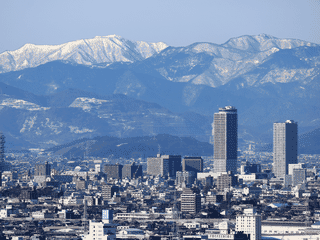
Japan35.42°N 136.77°E
Nagoya
Japan35.18°N 136.91°E
Overview
Seto is a compact ceramics city where museums, working studios, and shopping streets keep pottery traditions visible. Add a half-day or overnight visit from Nagoya for craft browsing, local food, and seasonal festivals.
Languages: Japanese
Why go?
Seto (瀬戸) is the heart of Japanese ceramics — the term Setomono (瀬戸物, literally "Seto's things") means pottery throughout Japan. This compact city in northern Aichi prefecture lets visitors walk between excellent ceramics museums, watch artisans at work, and buy authentic pieces directly from makers. The city retains pre-mall Japan charm along Seto Ginza shopping street, making it a satisfying half-day or overnight trip from Nagoya.
Adapted from Wikivoyage contributors · CC BY-SA 4.0
Understand
Seto has produced ceramics since the Kamakura period, but the craft flourished during the Edo period when Tamikichi Kato (加藤民吉) introduced new production methods and founded the distinctive Seto style. The Owari domain became his patron, cementing Seto's reputation as Japan's premier ceramics center. Today, the city maintains this heritage through museums, working studios, and the annual Setomono Festival where thousands of pottery pieces go on sale.
Adapted from Wikivoyage contributors · CC BY-SA 4.0
Getting there
Seto is accessible by Meitetsu train from Nagoya — take the Meitetsu Seto Line to Owari-Seto Station (30-40 minutes, approximately ¥600-800). Shin-Seto Station on the Toyota Museum of Art line is also useful. From Tokyo, take the Shinkansen to Nagoya (100 minutes), then transfer to the Meitetsu line. By bus, Express buses run from Nagoya Station's Meitetsu Bus Center.
Adapted from Wikivoyage contributors · CC BY-SA 4.0
Get around
Seto is small enough to walk between most attractions from either Owari-Seto Station or Shin-Seto Station. Meitetsu buses run to further destinations — the Aichi Prefectural Ceramic Museum requires a Meitetsu bus from Owari-Seto Station to Touji Shiryoukan. Taxis are available but rarely necessary for the compact city center.
Adapted from Wikivoyage contributors · CC BY-SA 4.0
When to go
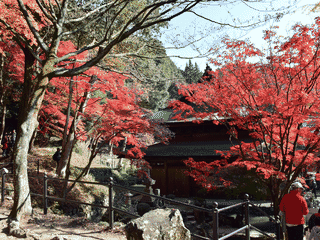
Spring (March-May) offers cherry blossom viewing at Iwayado Park, while autumn brings colorful leaves and two major ceramics festivals. The Setomono Festival occurs the second Saturday and Sunday of September with thousands of pottery pieces at discount prices. The Kurufuku Manekineko Festival happens around September 29, celebrating the beckoning cat lucky charms found in shops throughout Japan. Summer is pleasant for river dips at Iwayado Park. The Aichi Prefectural Ceramic Museum is temporarily closed for renovation until April 2025.
Adapted from Wikivoyage contributors · CC BY-SA 4.0
Where to stay
Seto's small size means most visitors stay in Nagoya and make it a day trip, but several business hotels exist near Owari-Seto Station for overnight stays. Budget travelers can find accommodations in the ¥5,000-8,000 per night range. Staying overnight allows evening exploration of Seto Ginza's restaurants and bars after day-trippers leave.
Adapted from Wikivoyage contributors · CC BY-SA 4.0
Food and drink
Seto Ginza Shopping Street has several traditional restaurants and izakayas — Kinchan near Shin-Seto Station is a popular local izakaya serving yakitori and chicken hearts from around 17:00. Daifukuya on the Ginza shopping street serves yakisoba for ¥500 and up (open Th-Tu). For quick meals, Apita department store across from Owari-Seto Station has a grocery with prepared meals and a food court. Parti Seto next to Owari-Seto Station offers multiple restaurant options under one roof.
Adapted from Wikivoyage contributors · CC BY-SA 4.0
Things to do
The Aichi Prefectural Ceramic Museum (currently closed until April 2025) housed ancient Jomon-era ceramics and kiln exhibits, reachable by Meitetsu bus. The Setogura Museum (¥500 adults, ¥300 students, free for children) displays ceramic exhibits plus a reproduction of old Seto town. The Seto Ceramics and Glass Art Center (Th-Tu 10:00-18:00) showcases local glass and ceramic art with a cafe. Kamagaki Shrine on the hill behind Owari-Seto Station honors Tamakichi Kato, founder of Seto ceramics, with city views. Iwayado Park on Seto's outskirts offers riverside walks for cherry blossoms, summer dips, or autumn colors. Kasen Studio offers pottery wheel and painting classes with English-speaking instructors — take a bus from behind Owari-Seto Station toward Akazu, alight at Oomatsu, and follow signs.
Adapted from Wikivoyage contributors · CC BY-SA 4.0
Buy
The Seto Ceramics and Glass Art Center sells works by local artists. Seto Ginza Shopping Street has numerous ceramics shops along its pre-mall Japan atmosphere — look for tea sets, sake cups, vases, and the famous Seto tea ceremony ware. The Setomono Festival in September offers the best deals with thousands of pieces at discount prices. Green tea soft serve ice cream is a local sweet treat available along Ginza Street.
Adapted from Wikivoyage contributors · CC BY-SA 4.0
Go next
Seto connects to several destinations: Nagoya is the major transit hub with express train connections (30-40 minutes). Toyota (40 minutes by Meitetsu bus) offers the Toyota Museum of Art and Automotive Museum. Nagakute, site of Expo 2005, is a short bus ride away with the Expo 2005 memorial park. The pottery towns of Tajimi and Toki in Gifu prefecture are known for Mino-yaki ceramics. Kasugai to the north and Okazaki to the south offer additional day trip options via Meitetsu lines.
Adapted from Wikivoyage contributors · CC BY-SA 4.0
Field guide adapted from Wikivoyage contributors · CC BY-SA 4.0. Text has been adapted and organized for this guide. About our sources.
Places to know
A few starting points from the guide. Check current hours and prices before you go.
- eat
Apita
This large grocery store has prepared meals, and there's a food court with several restaurants inside, too.
Adapted from Wikivoyage contributors
- eat
Daifukuya
This small shop serves up nice yakisoba.
Recorded price: ¥500 and up
Adapted from Wikivoyage contributors
- eat
Kinchan
This is a great little izakaya (Japanese style bar). Arrive around 17:00, as it gets crowded quickly. Try the yakitori and the chicken hearts.
Adapted from Wikivoyage contributors
- eat
Parti Seto
Numerous restaurants. If you're not sure where to go or are just tired from touring you should try this place.
Adapted from Wikivoyage contributors
- see
Aichi Prefectural Ceramic Museum
Temporarily closed for renovation until April 2025. This museum is home to a large collection ancient works of the Jomon era and ancient ceramic kilns. It can be reached by taking a Meitetsu bus from Owari-Seto Station to Touji Shiryoukan.
Adapted from Wikivoyage contributors
- see
Kamagami Shrine
This shrine dedicated to the founder of Seto ceramics, Tamakichi Kato, and yields a nice view of the city. There is also a monument dedicated to those from Seto who died during the Second World War.
Adapted from Wikivoyage contributors
- see
Seto Ceramics and Glass Art Center
This small art center has a delightful display of glass and ceramic art made by local artists. It also sports a nice cafe.
Adapted from Wikivoyage contributors
- see
Setogura Museum
Great museum with several ceramic exhibits and a reproduction of old Seto.
Recorded price: Adults ¥500, high school and college students ¥300, children free
Adapted from Wikivoyage contributors
Before you go
Connectivity
Japan uses Type A/B power plugs (two flat prongs) and 100V. WiFi available at cafes and convenience stores but not comprehensive outdoors. SIM cards available at convenience stores and electronics shops.
Culture
Remove shoes when entering traditional tatami rooms and some restaurants. Bowing is customary for greetings. Photography is generally allowed but ask before photographing people.
Language
Japanese is the language. Basic English signage at major museums. Learn hiragana/katakana basics for menus and signs. Pocket WiFi or translation app helpful.
Money
Japan is largely cash-based in smaller establishments. Use 7-Eleven or Japan Post ATMs for cash withdrawal. Credit cards accepted at larger hotels, department stores, and some restaurants.
Transport
Owari-Seto and Shin-Seto stations are the main rail hubs with Meitetsu lines connecting to Nagoya in 30-40 minutes. The city center is walkable; buses serve outlying attractions.