
Álamos
Mexico27.03°N 108.94°W · 376 m
396 places in the index.
27.03°N 108.94°W · 376 m
18.68°N 88.39°W · 11 m
20.76°N 105.33°W · 27 m
18.50°N 88.31°W · 2 m
20.68°N 88.57°W
19.06°N 98.31°W · 2,150 m
20.49°N 87.74°W
19.24°N 103.72°W · 495 m
16.25°N 92.13°W · 1,643 m
20.42°N 86.92°W · 12 m
18.92°N 99.23°W · 1,510 m
24.02°N 104.67°W · 1,880 m
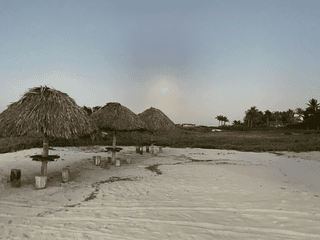
21.52°N 87.68°W · 3 m
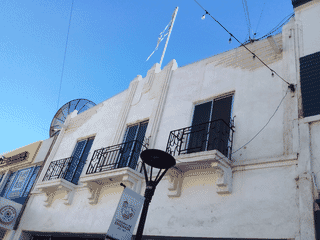
31.78°N 116.60°W · 30 m
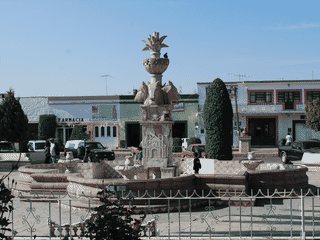
20.67°N 99.90°W · 1,982 m
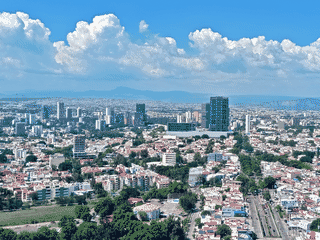
20.67°N 103.35°W · 1,536 m
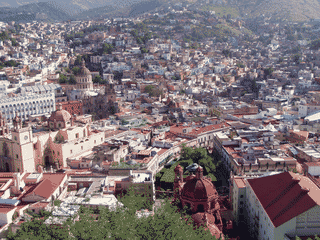
21.02°N 101.26°W · 2,045 m

27.96°N 114.06°W · 4 m
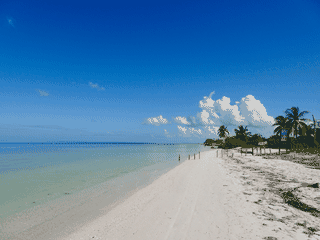
21.53°N 87.30°W · 1 m
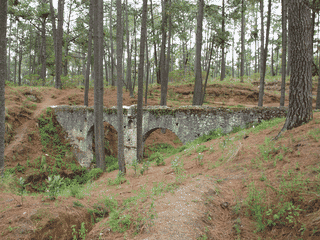
19.31°N 97.92°W · 2,512 m
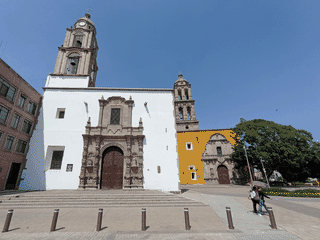
20.67°N 101.35°W · 1,728 m
21.24°N 86.74°W · 1 m
19.57°N 101.65°W · 2,111 m
18.40°N 88.80°W
18.71°N 87.71°W · 1 m

23.18°N 106.42°W · 139 m
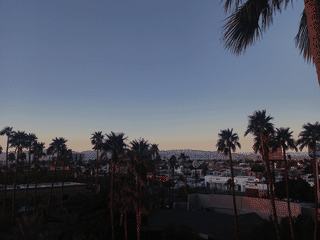
32.66°N 115.47°W · 8 m
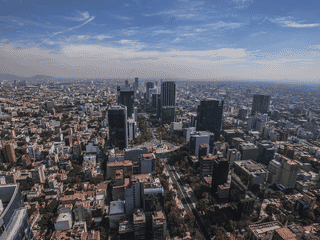
19.41°N 99.13°W · 2,240 m
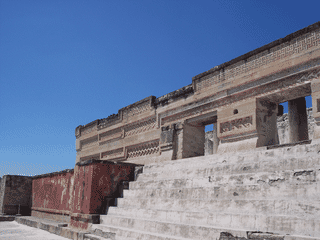
16.92°N 96.36°W
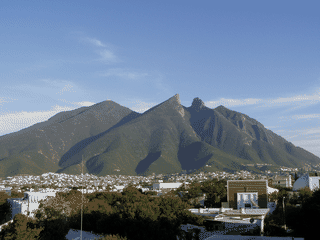
25.67°N 100.30°W · 546 m
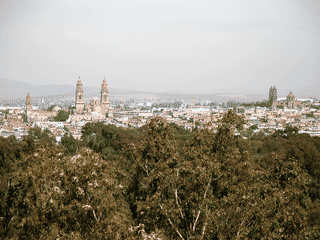
19.70°N 101.19°W · 1,920 m

19.66°N 96.87°W · 1,552 m
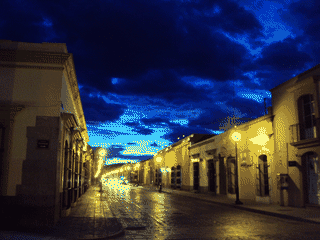
17.05°N 96.72°W · 1,555 m
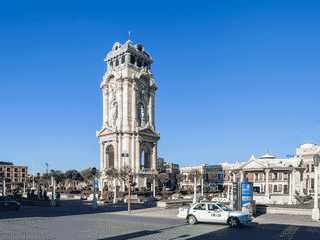
20.12°N 98.73°W · 2,382 m
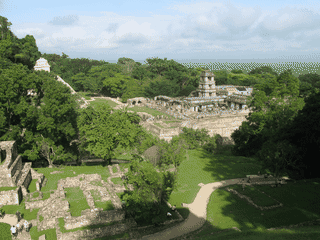
17.48°N 92.05°W
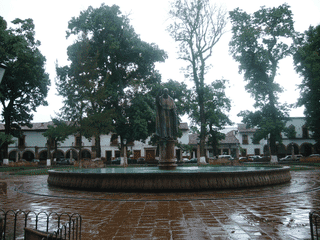
19.51°N 101.62°W · 2,140 m
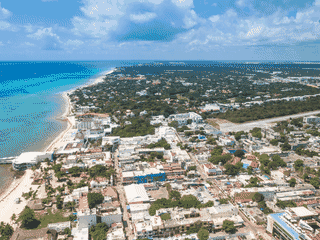
20.63°N 87.08°W · 10 m
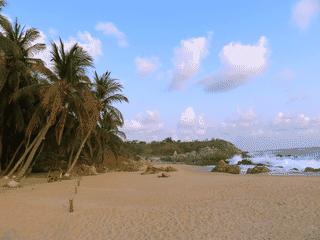
15.87°N 97.07°W · 60 m
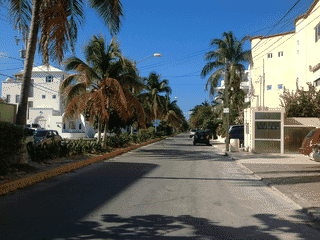
20.84°N 86.89°W · 6 m
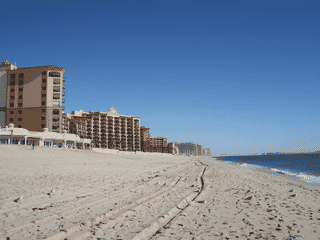
31.32°N 113.54°W · 4 m
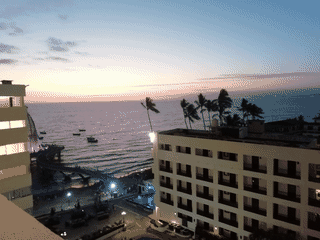
20.62°N 105.25°W · 101 m
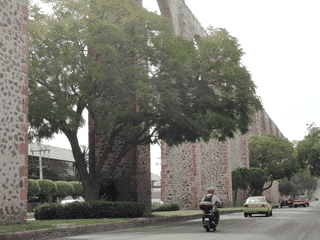
20.60°N 100.38°W · 1,820 m

21.60°N 88.16°W · 1 m
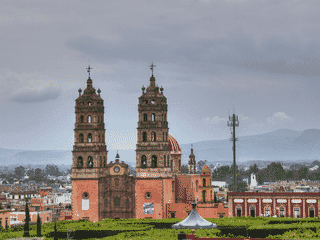
20.21°N 100.88°W · 1,759 m
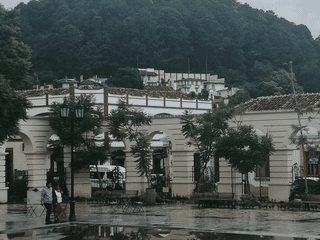
16.74°N 92.64°W · 2,121 m
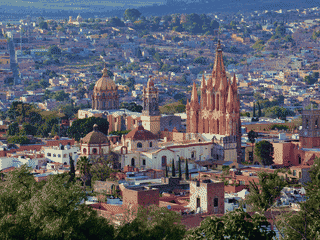
20.93°N 100.80°W · 1,900 m
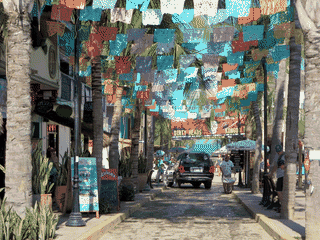
20.87°N 105.44°W · 2 m
22.26°N 97.87°W · 10 m
14.90°N 92.28°W · 176 m
18.56°N 99.61°W · 1,778 m

32.57°N 116.63°W · 522 m
21.50°N 104.90°W · 920 m
20.88°N 103.84°W · 1,201 m
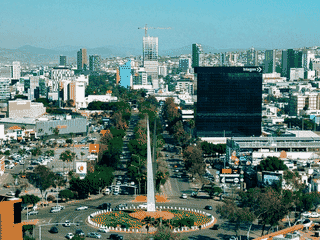
32.52°N 117.03°W · 20 m
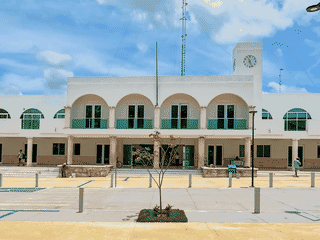
21.14°N 88.15°W · 20 m
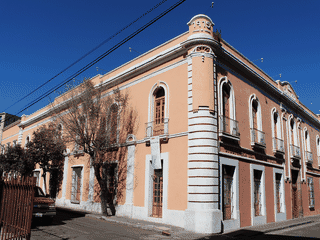
19.29°N 99.67°W · 2,660 m
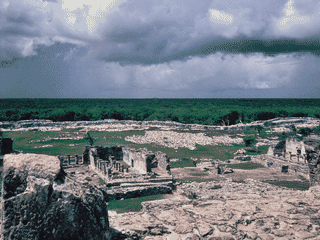
20.42°N 87.30°W · 12 m
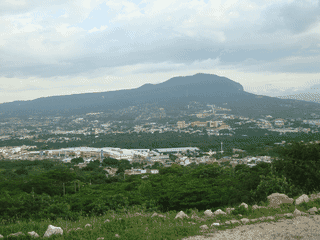
16.75°N 93.15°W · 529 m
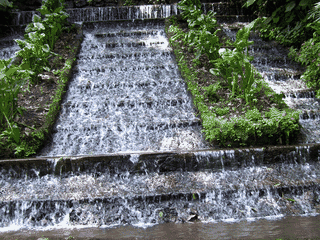
19.42°N 102.07°W · 1,871 m
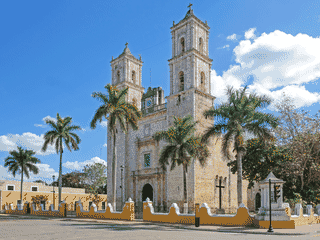
20.69°N 88.20°W · 23 m
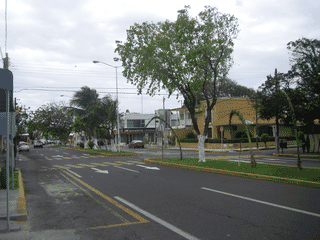
19.19°N 96.15°W · 10 m
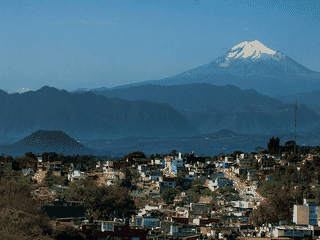
19.53°N 96.93°W · 1,460 m
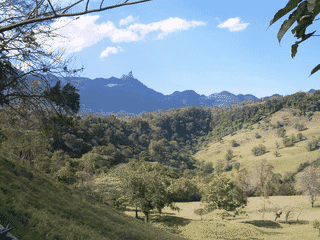
21.38°N 98.99°W · 654 m
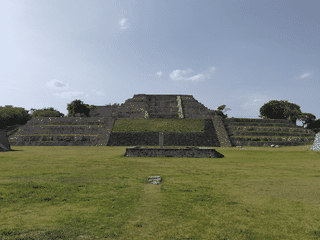
18.80°N 99.30°W
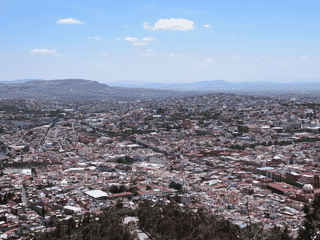
22.77°N 102.55°W · 2,440 m
15.66°N 96.51°W
Acapulco is the original Mexican resort town, a historic port city that served as a terminus for the Manila-Acapulco trade route, now a UNESCO World Heritage site. It offers a mix of beaches, cliff-diving shows, colonial fortifications, and vibrant nightlife, with a range of budget-friendly options.
Atlas entry
Acaxochitlán is one of Mexico's official Pueblos Magicos, offering a glimpse into pre-Hispanic history amid misty mountain forests. The town draws romantic couples and nature enthusiasts with its twin waterfalls, two scenic dam lakes, and a 16th-century colonial church with murals.
Atlas entry
Actopan is a small, peaceful city in Hidalgo's Mezquital Valley that draws travelers seeking colonial heritage and authentic local cuisine. The town is famous for Ximbo, a pit-barbecued pork specialty unique to the Mexica traditions of this region that is rarely found outside Actopan.
Atlas entry
Aculco offers a rare glimpse into colonial Mexico away from tourist crowds. The town is a designated Pueblo Magico and part of the UNESCO-listed Camino Real de Tierra Adentro, featuring gleaming white cobblestone callejones and a reputation as an artist colony.
Atlas entry
Agua Prieta is a practical border crossing point between Arizona and Sonora, primarily serving travelers who need to transit between the US and Mexico. The city of 91,000 has little conventional tourism but draws visitors for its affordable Sonoran beef at family-owned steakhouses and its proximity to the historic Douglas port of entry.
Atlas entry
Aguascalientes is a safe, colonial city in central Mexico with hot springs and a rich history. Known as 'the perforated city' for its underground catacombs, it offers pottery, embroideries, and the famous San Marcos Fair.
Atlas entry
Ahuacatlán is one of Mexico's designated Pueblos Mágicos, offering a glimpse into colonial-era Mexico without tourist crowds. The town sits at the foot of Volcán Ceboruco, making it a practical base for hikers.
Atlas entry
Ahualulco is a quiet stopover north of San Luis Potosi city, best known for its colonial-era churches and two historic haciendas dating to the 16th century. The town is proud of its musical son Julian Carrillo, who theorized a "13th sound" beyond the standard 12 musical tones.
Atlas entry
Ajijic is a Pueblo Magico on the shores of Lake Chapala, about 30 minutes from Guadalajara International Airport. This charming town of 11,400 residents (2020) features narrow cobblestone streets with twisty alleys, colorful stucco walls, and vibrant flowers cascading off balconies.
Atlas entry
Akumal is a small, peaceful town on the Mayan Riviera, 37 km south of Playa del Carmen and about one hour south of Cancun. The name means "Land of turtles" in the Mayan language, and the protected shallow bay with clear blue-green waters remains a favorite spawning ground for sea turtles.
Atlas entry
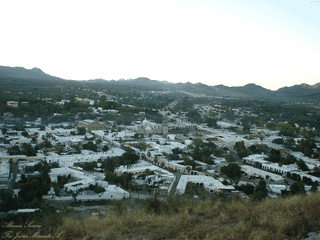
Álamos preserves colonial mansions, arched verandas and a welcoming Plaza de Armas. Its historic streets appeal to travelers seeking an unhurried stay away from busier tourist centers.
Amatitán calls itself the "cradle of tequila" and is inscribed as part of the UNESCO World Heritage site encompassing the Tequila Valley and Highlands. Many visitors prefer Amatitán over the busier town of Tequila because it offers a more historically authentic atmosphere with fewer crowds.
Atlas entry
Amatlán de Cañas is one of Mexico's designated Pueblos Mágicos, a small colonial town in Nayarit known for its relaxing thermal mineral waters and nearby mountain scenery. The town offers a slower pace than larger destinations, with natural spas, colonial architecture, and traditional chocolate production.
Atlas entry
Amecameca de Juárez is a sleepy town of 31,000 people nestled between the iconic Iztaccíhuatl and Popocatépetl volcanoes in the Sierra Nevada. The town serves as the most convenient base for climbing Iztaccíhuatl and attracts weekend visitors from Mexico City, Puebla, and Morelos seeking mountain scenery, local foods, and cooler air.
Atlas entry
Apizaco is a commercial town of 82,000 people in Tlaxcala state, not scenic or tourist-oriented. Its main value for travelers is as the jumping-off point for climbing La Malinche volcano, which at 4,462 m rivals Mount Whitney.
Atlas entry
Aquismón is one of Mexico's Pueblo Mágico towns, serving as the gateway to some of the Huasteca region's most spectacular natural wonders. This small town attracts outdoor enthusiasts with its dramatic waterfalls, world-class caving opportunities, and canyon rafting.
Atlas entry
Arandas is a key stop on the Los Altos Tequila Trail, offering visitors the chance to tour smaller artesanal distilleries that use traditional methods dating back generations. The town sits at 2,061 meters elevation in the mountains surrounding the Tequila Valley, providing a cooler climate than the lowland agave fields.
Atlas entry
Atlas entry
Asientos (also called Real de Asientos) is a colonial mining town designated as one of Mexico's Pueblos Magicos, making it an official magical town worth visiting for its well-preserved 16th-century architecture. The town sits along the Camino Real de Tierra Adentro, a UNESCO World Heritage Site, and is notable for its historic aqueduct and silver mining heritage that prosperity from the late 16th through the 19th century.
Atlas entry
Atlatlahucan is a small colonial town in the mountains of Morelos that draws travelers interested in historical and cultural sites. The main attraction is the Convento San Mateo Apóstol, a massive 16th-century Augustinian monastery built in 1570 that is now a UNESCO World Heritage Site.
Atlas entry
Atlixco markets itself as 'The city of flowers' (Atlixco de Flores), with commercial flower growing decorating nearly every house. The town holds the world record for the largest chile en nogada (2.6m x 90cm).
Atlas entry
Atotonilco El Alto sits at 1,600 meters elevation in the mountains surrounding the Tequila Valley, giving it a cooler, more temperate climate than the hot valley below. The town is a key destination on the Los Altos Tequila Trail, home to Patron and Don Julio, two of Mexico's most famous premium tequila brands, plus smaller artesanal distilleries.
Atlas entry
Atzompa is a small but significant Zapotec archaeological site that offers a quieter alternative to crowded Monte Albán. The site features a remarkable 50-foot limestone and stucco frieze discovered in 2018, depicting revered animals like jaguars, quetzals, and monkeys.
Atlas entry
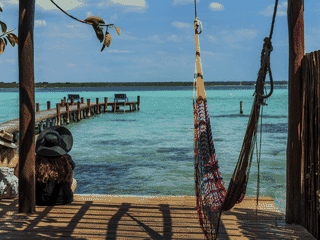
Bacalar is a lakeside community in Quintana Roo. Its azure lake is often called the Lagoon of Seven Colors.
Bahía de Kino sits on the Sea of Cortez about 100 km from Hermosillo, offering a slower pace than Mexico's beach resorts. The town has two distinct personalities: Kino Viejo is an authentic fishing village with simple restaurants and basic shopping, while Kino Nuevo is a comfortable beach strip lined with villas and condos.
Atlas entry
Bahia de Loreto National Park is one of the most species-rich marine environments on Earth, protecting five large islands and over 2,000 km² of Sea of Cortez waters. Jacques Cousteau famously called it 'the aquarium of the world.' The park offers exceptional wildlife encounters—paddle among dolphins, approach surfacing whales, snorkel vibrant reefs, and explore dramatic underwater cliffs and canyons.
Atlas entry
Balancán is a small colonial-era city with Mayan flavor in Tabasco state, offering a quieter alternative to larger Yucatán destinations. Foreign travelers come for the nearby Moral Reforma Maya archaeological zone, the colorful Iglesia del Señor de Tila, and the regional Museo José Gómez Panaco.
Atlas entry
Banámichi is a quiet colonial town of about 1,400 people in central Sonora, founded in 1639 at a bend in the Sonora River where the Opata name Banamitzi means 'where the river turns.' The town is known for its sweet green onions (cebolla verde) and green chilies (chili verde) grown in nearby fields, and the surrounding ranches produce beef prized for its special flavor. Visitors come for the 17th-century mission church, an ancient petroglyph stone, warm springs at Bacachi, and the town's role as a stop on the scenic Ruta del Río Sonora driving route through colonial Sonoran towns.
Atlas entry
Barra de Navidad is a small Jalisco coastal town of about 7,000 residents on the east end of Bahía de Navidad. Once a quiet farming and fishing community, it has become a destination for upscale seaside residences while retaining a relaxed, walkable village feel.
Atlas entry
Batopilas is a small village of about 1,200 residents (2010) designated as one of Mexico's Pueblos Mágicos. Once a prosperous 19th-century silver mining town that made fortunes for American capitalists, it became a virtual ghost town by 1930 after the Mexican Revolution.
Atlas entry
Boca del Cielo is one of two remote beach towns on the Laguna de Joya in Chiapas, Mexico, offering a rare glimpse of unspoiled Pacific coast away from tourist crowds. The name 'Bocas del Cielo' means 'mouth of heaven' referring to the opening in San Marcos Island that connects the lagoon to the ocean.
Atlas entry
Atlas entry
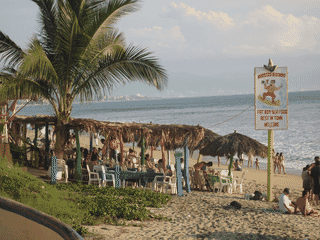
Bucerías is a mellow beach town on Bahía de Banderas with smaller condo-style buildings. Seafood and a winter snowbird scene shape its coastal character.
Bustamante is one of Mexico's smallest Pueblo Magico towns, with fewer than 4,000 residents yet surprising charm. The dry, hot climate makes the cool caverns and crystal-clear natural springs especially appealing in summer.
Atlas entry
Cabo San Lucas is a city at the southern tip of Baja California Sur, Mexico. It is a bustling hub for sport fishermen, cruise ships, handicraft vendors, water sport aficionados and nightlife seekers.
Atlas entry
Cadereyta (also known as Cadereyta de Montes) is one of Mexico's designated Pueblos Mágicos, offering a well-preserved colonial center with baroque churches, artisan workshops, and a botanical garden showcasing the region's desert flora. The town was founded in 1640 as a Spanish military and administrative stronghold to pacify the Jonaces and Pame indigenous groups and support Franciscan missionaries in the Sierra Gorda.
Atlas entry
Calkini is a small colonial city of under 15,000 residents in the Yucatan Peninsula state of Campeche. It features bright pastel-colored buildings and a beautiful town plaza, offering a quieter alternative to larger regional cities.
Atlas entry
Calpan is a small mountain town in Puebla best known for its 16th-century Franciscan monastery, the Convento San Andres Calpan, which is a UNESCO World Heritage Site. The town also claims to be the birthplace of Chiles en Nogada, the iconic stuffed poblano pepper dish topped with creamy walnut sauce and pomegranate seeds.
Atlas entry
Calpulalpan is a scenic small city of about 33,000 people in northern Tlaxcala, known for its ancient archaeological zones dating to the Teotihuacan culture and colonial-era convents built by the Spanish in the 16th century. The city offers access to a forest sanctuary for wildlife and serves as a quiet cultural counterpoint to larger Mexican destinations, appealing to travelers interested in pre-Columbian history and off-the-beaten-path colonial architecture.
Atlas entry
Calvillo is one of Mexico's designated Pueblos Magicos, offering a slower pace than major tourist destinations. The town is renowned for its guava production, colonial architecture, and traditional deshilados embroidery.
Atlas entry
Camalú is a quiet beach town of 8,600 people (2010) nestled between Colonet and El Rosario, about 2 hours south of Ensenada along Highway 1. It offers a low-key alternative to busier Pacific coast destinations with surfing, fishing, clamming, crabbing, and off-road adventures.
Atlas entry
Campeche is a Gulf of Mexico port with a relaxed atmosphere and a colonial old town. Its historic center has UNESCO World Heritage recognition.
Cañada de la Virgen is an Otomi archaeological site built around 540 AD as an astronomical observatory, reaching its peak around 900 AD before being abandoned by 1040. The site features three primary pyramids with architecture precisely aligned to the sun, moon, and Venus—including a 18-degree tilt to key platforms that allowed the Otomi to track solstices and planting/harvest dates.
Atlas entry
Cancún's Hotel Zone stretches between the Caribbean Sea and Nichupté Lagoon. This waterside setting shapes the layout of its resort district.
Cañón del Sumidero is one of the most dramatic natural landscapes in Mexico, with sheer cliff walls rising up to 1 km above the Grijalva River. The two-hour boat tour through the canyon gives you the best perspective on the scale of the cliffs, and guides often point out American crocodiles and spider monkeys.
Atlas entry
Cantona is a large, well-restored archaeological site spanning 12 square kilometers with only 1% excavated, making it a genuine undiscovered gem. The 2,000-year-old ancient Olmec city once housed up to 80,000 people and features 27 ball courts—yet it remains seldom visited and is often unknown even among locals.
Atlas entry
Capulalpam de Méndez is a tiny village of fewer than 1,500 residents in the rugged mountains of Oaxaca, and it was the first town in Oaxaca to be designated a Pueblo Magico. Travelers come for the town's reputation for mystical health treatments where shaman healing methods from the town's Zapotec past are embodied in the town's Indigenous Medicine Center.
Atlas entry
Cardenás is a progressive industrial city of 80,000 people in Tabasco, serving as a vital center for oil, sugar, rice, and chocolate industries. It is an important communications hub crossed by federal Highway 180, connecting the Southeast region with central Mexico.
Atlas entry
Catemaco is a small lakeside city in Veracruz State that serves as the gateway to one of Mexico's most biodiverse ecotourism regions. The area around Lake Catemaco and the Laguna de Sontecomapan offers monkeys, exotic birds, waterfalls, mangroves, and jungle reserves reachable by boat or day trips.
Atlas entry
Celaya is a mid-sized industrial city of 378,000 people in Guanajuato state, ranking third after León and Guanajuato capital. It is best known for its artisanal cajeta (milk candy made in copper saucepans) and distinctive colonial architecture including the 1609 Temple of San Agustín with Plateresque decoration.
Atlas entry
Celestún is a small fishing village (pop. 8,400) completely encircled by the Ría Celestún Biosphere Reserve, a UNESCO-protected area hosting over 200 bird species and tens of thousands of pink flamingos.
Atlas entry
Chacchoben is a Mayan archaeological site in the Caribbean state of Quintana Roo, Mexico. It is popular with cruise ship tours from the port of Mahahual.
Atlas entry
Chalcatzingo is one of Mexico's oldest archaeological sites, dating to around 1500 BC during the Formative Era. It represents one of the furthest settlements from the Olmec heartland on the Gulf Coast, making it crucial for understanding how Olmec culture spread and influenced Mesoamerican civilization.
Atlas entry
Champotón is a picturesque coastal city of about 30,000 people in Campeche state, Mexico, offering a peaceful alternative to larger tourist destinations. The city combines Maya historical heritage, a working fishing industry, and access to important sea turtle nesting beaches.
Atlas entry
Chapala is a town on the shores of Lake Chapala, Mexico's largest lake, attracting many North American expatriates seeking a mild climate and lower cost of living. The town offers traditional Mexican culture with a relaxed lakeside atmosphere, cobblestone streets, and regular appearances by voladores performers on the Malecon.
Atlas entry
Chetumal combines Maya heritage with the bustle of a border city. Quintana Roo's capital offers a quieter base than the major resort towns and a gateway toward Belize.
Chiapa de Corzo is one of Mexico's designated Pueblos Magicos, offering colonial architecture and a rich indigenous heritage dating back to 1400 BC without the crowds of San Cristobal or the chaos of Tuxtla Gutierrez. The town is famous for the Fiesta Grande festival featuring UNESCO-recognized Parachicos dancers, and serves as the jumping-off point for breathtaking speedboat tours through Sumidero Canyon.
Atlas entry
Chiautempan is a historic small city of about 53,000 residents in Tlaxcala state, offering 16th-century colonial churches and traditional Mexican crafts without the tourist crowds of nearby Puebla. The city is famous for mole prieto (Tlilmolli), a regional mole variant served during the Toci festival, and for hand-woven sarapes and blankets.
Atlas entry
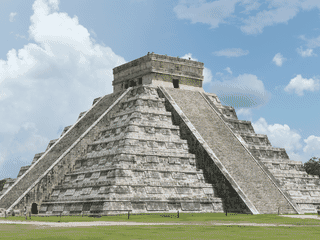
Chichén Itzá invites attention to its pyramid's birdlike echo and the surrounding birdlife. Nearby cenotes such as Ik Kil offer a swimming stop after exploring the ruins.
Chignahuapan is a scenic highlands town in Puebla state, designated one of Mexico's Pueblos Magicos for its colorful downtown core, baroque colonial church, and proximity to natural attractions. The town of 20,000 residents is most popular as a weekend destination for Mexican tourists drawn to the famous axolotl museum, a unique 16th-century church facade blending Spanish and indigenous motifs, and day trips to Quetzalapa Waterfall and Almoloya Lagoon.
Atlas entry
Chihuahua is the capital of the state of Chihuahua in Northern Mexico. The colonial center is beautiful and pedestrian-friendly, with museums dedicated to Pancho Villa, the national mint, government palaces, historic churches, and luxurious mansions.
Atlas entry
Chilpancingo serves as a convenient stop on the Mexico City to Acapulco drive. The city is best known for the Pendón festival the week before Christmas, a massive celebration with over 1,500 dance groups performing since 1825.
Atlas entry
Chipilo is a one-of-a-kind cultural anomaly in central Mexico: an entire town of 4,000 people founded by Italian Veneto immigrants in the 1880s who preserved their dialect, architecture, and culinary traditions. Unlike generic heritage sites, the living culture is genuine—residents still speak Chipileño, a 19th-century Venetian dialect, and the town layout mirrors rural Venetian villages with a central Piazza and the Chiesa (church).
Atlas entry
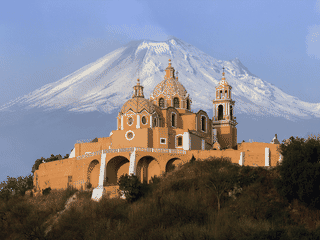
A colonial church crowns the hill concealing Cholula's Great Pyramid. A large university population also gives the town a lively nightlife scene.
Ciudad Acuña attracts cross-border tourism from Del Rio, Texas, with its handicraft shops, hotels, and typical restaurants serving traditional Mexican cuisine alongside international options. Old Mexico hands consider it one of the more pleasant and easier border crossing points along the entire Rio Grande.
Atlas entry
Ciudad del Carmen is an island city framed by the Laguna de Términos and the Gulf of Mexico, historically a sleepy fishing town that transformed into an oil boom city in the 1970s. It is not a major tourist destination but serves as a convenient transit point on Highway 180 between Villahermosa and the Yucatán Peninsula.
Atlas entry
Ciudad Mier is one of Mexico's designated Pueblos Mágicos, offering well-preserved 18th and 19th century colonial architecture along the Rio Bravo (Rio Grande). The town tells extraordinary stories — from the infamous black bean lottery during the Texas Revolution to Fidel Castro staging his 1956 guerrilla army here before sailing to Cuba.
Atlas entry
Ciudad Obregón is Sonora's agricultural capital and second-largest city with around 450,000 people. Despite being less than 100 years old, it is a modern, vibrant city with excellent beef-centric cuisine including machaca, jerky, and burritos; the signature sweet snack is coyotas.
Atlas entry
Tula claims the title of oldest town in Tamaulipas, founded in 1617 by Spanish friar Juan Bautista de Mollinedo. The town is one of Mexico's designated Pueblos Mágicos, preserving colonial heritage with cobblestone streets, historic churches, and Huastec folklore traditions.
Atlas entry
Ciudad Valles combines an urban base with access to regional kayaking and rappelling. In town, Tantocob Park provides riverside walks and space for a quieter afternoon.
Ciudad Victoria serves as the state capital of Tamaulipas, offering a slower-paced alternative to larger Mexican cities. Named after Mexico's first president Guadalupe Victoria, the city provides access to the Sierra Madre Oriental while functioning as a regional transit hub.
Atlas entry
Coatepec wears its identity on its sleeve: the name itself means 'hill of snakes' in Nahuatl, and the town has long called itself the coffee capital of Mexico. Its humid cloud forest climate supports extraordinary orchid biodiversity, and the surrounding fincas (estates) produce some of Mexico's finest coffee beans.
Atlas entry
Coatzacoalcos is primarily useful as a transportation junction rather than a tourist destination. The industrial port city sits at the southern tip of Veracruz state, connecting the main body of Mexico with the Yucatan peninsula and Central America.
Atlas entry
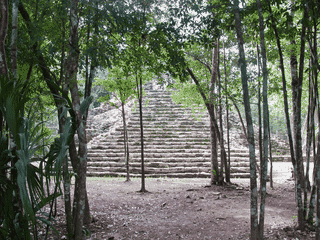
Cobá spreads its Maya temples among jungle trails. Bicycle rides between the building groups give a sense of the ancient city's scale.
Cofre de Perote National Park surrounds Mexico's 8th highest mountain at 4,282 meters, offering rugged trails through pine forests with outstanding views of neighboring volcanoes including Pico de Orizaba. The park is particularly popular for mountain biking with dedicated routes like El Lince and Ruta del Cofre, plus classic hiking trails that reach the summit.
Atlas entry
Colima pairs colonial architecture and museums with an unusual volcanic-rock slide. Nearby beaches and volcanoes offer outings beyond the city.
Comala is a small town of 10,000 people in southwestern Colima state, nicknamed the "White Village of America" because the façades of buildings have been painted white since the 1960s. The historic center was declared a Historic Monument Zone and earned the designation as one of Mexico's Pueblos Magicos in 2002.
Atlas entry
Comalcalco is the westernmost Maya city-state of the Yucatán civilization, offering visitors a chance to explore ancient ruins without the crowds found at larger sites like Chichén Itzá. The town serves as a base for the archaeological site, a working cacao-producing region with over 2,000 years of chocolate history, and nearby colonial churches in outlying villages.
Atlas entry
Comitán combines colonial streets with a relaxed pace in the Chiapas highlands. Waterfalls, cenotes and Maya archaeological sites make it a useful base for regional outings.
Compostela is one of Mexico's official Pueblos Mágicos, a distinction given to towns with significant cultural or historical value. The city's centerpiece is its expansive zocalo (main town square), where locals gather under shade trees and the iconic 16th-century Parroquia de Santiago Apóstol church dominates the skyline.
Atlas entry
Copainalá is a quiet colonial town designated one of Mexico's Pueblos Mágicos in 2023. Visitors come for the Zoque indigenous heritage, lush jungle setting with waterfalls, and traditional festivals like Carnaval and Fiesta de San Vicente.
Atlas entry
Cosalá is a designated Pueblo Mágico in the mountains of northern Sinaloa. The town is known for its photogenic cobblestone streets and adobe buildings painted in pastel colors, plus access to natural attractions including the Gruta México cave system, two stocked lakes, and the Vado Honda waterfall.
Atlas entry
Coscomatepec is one of Mexico's designated Pueblos Mágicos, a small colonial town in the mountains of Central Veracruz with a rich Totonac heritage dating to 1325. Visitors come for the storied downtown area with 17th-century churches, or as a base camp for climbing Pico de Orizaba, Mexico's highest mountain and an active volcano.
Atlas entry
Cotija is a romantic colonial town of about 14,000 inhabitants famous among foodies for its namesake cotija cheese, often compared to feta when young or parmesan when aged. The town is one of Mexico's designated Pueblo Mágicos and features a beautiful downtown area that attracts couples from Guadalajara seeking a weekend escape.
Atlas entry
Cozumel is a Caribbean island where offshore reefs make diving a central attraction. Snorkeling, Maya archaeology and coastal wildlife parks offer other ways to explore.
Creel is a small city of 4,400 people serving as the main tourism hub for the Copper Canyon area. Tourism is the primary industry, with many hotels, restaurants, and tour operators catering to visitors exploring the Sierra Tarahumara.
Atlas entry
Cuajinicuilapa (locally called Cuaji) is a small coastal town in Guerrero notable as a center of Afro-Mexican culture in Mexico. The main draw is the National Museum of Cultures Afromestizo, which documents the history of African migration to Mexico and the slave trade.
Atlas entry
Cuanajo is a small traditional town in the Lake Patzcuaro region of Michoacán, renowned as one of Mexico's premier producers of artisanal furniture. Visitors come to observe master craftsmen at work, creating elaborately carved and brightly painted pieces reflecting P'urhepecha cultural traditions.
Atlas entry
Cuatro Ciénegas is a fragile desert oasis in northern Mexico where underground springs feed crystal-clear pools called pozas amid gypsum sand dunes. Its unique ecosystem—sometimes called the "Desert Aquarium" or "Galapagos of Mexico"—supports endemic species found nowhere else on Earth and earned it UNESCO Biosphere Reserve and Ramsar wetland designations.
Atlas entry
Cuautla is a historic city of about 157,000 people in Morelos, Central Mexico, with a rich revolutionary heritage. The city served as a strategic stronghold during both the Mexican War of Independence and the Mexican Revolution, and is where Emiliano Zapata was buried after his assassination in 1919.
Atlas entry
Cuernavaca draws visitors with parks, gardens and a lively central plaza. Spanish language students and weekend visitors give the capital of Morelos a sociable atmosphere.
Cuetzalan is a scenic colonial town in the highlands of northern Puebla with distinctive white buildings featuring dark red painted bands along steep cobblestone streets. The area offers a rare combination of pre-Columbian archaeology, coffee plantations, and natural attractions including waterfalls, caves, and jungle hiking trails.
Atlas entry
Cuitzeo is one of Mexico's designated Pueblos Mágicos, offering a charming colonial center with a remarkable 16th-century Augustinian monastery. The town sits on the shores of Lago Cuitzeo, a large shallow lake where visitors can rent kayaks and canoes for peaceful paddling.
Atlas entry
Culiacán is best considered for understanding Mexico's complex narco culture and sinaloense heritage. The city is the birthplace of famous norteño and banda musical groups and features distinctive local traditions.
Atlas entry
Desierto de los Leones is the oldest national park in Mexico, established in 1876, and offers a rare escape into pine forest wilderness just an hour from central Mexico City. The park combines colonial history with outdoor recreation, centered around the ruins of a 17th-century Carmelite monastery.
Atlas entry
Dolores Hidalgo is the birthplace of Mexican independence, where priest Miguel Hidalgo rang the church bell on September 16, 1810, calling parishioners to arms against Spanish rule. This quiet colonial town of 67,000 offers a charming escape without tourist crowds, making it a highlight for travelers seeking authentic Mexican history and culture.
Atlas entry
Durango combines a historic center on the Camino Real de Tierra Adentro with a longstanding connection to Western filmmaking. Colonial streets and nearby film sets give a visit distinct architectural and cinematic themes.
Ecatepec is primarily a residential and commercial suburb of Mexico City with limited appeal to tourists. Its main relevance to travelers is as a transportation hub for northern Mexico City and connections to the Felipe Angeles International Airport (AIFA).
Atlas entry
Edzná is a large Maya archaeological site dating from 400 BC, once a major city-state known for advanced irrigation systems and terraced farming that allowed it to grow larger than neighboring cities. The impressive Building of Five Stories—still climbable—offers panoramic views of the surrounding jungle canopy.
Atlas entry
Atlas entry
El Arenal is a key stop on the Tequila Trail for travelers wanting to explore Jalisco's agave country beyond the busy town of Tequila itself. The town sits amid vast UNESCO-listed agave fields and is home to several small artisanal distilleries that offer more intimate experiences than the larger commercial operations.
Atlas entry
El Chico National Park is a mountainous, heavily forested park in the state of Hidalgo, Mexico. The dense pine forests provide ample shade, making it a great place for camping and hiking.
Atlas entry
Atlas entry
El Cuyo offers a quiet Gulf coast stay centered on beaches, kitesurfing and birdwatching. Yucatecan food and a slow pace give the town appeal beyond its shoreline.
El Fuerte is a 13,000-person colonial town in Sinaloa, named a Pueblo Mágico in 2010 for its preserved architecture and small-town charm. The town calls itself the "home of Zorro" and offers a slower pace than coastal resorts, with the massive 1610 fort ruins dominating the central Plaza de Armas.
Atlas entry
El Gogorron National Park preserves 36,500 hectares of the Sierra San Miguelito, a sub-range of the Sierra Madre Oriental. Located over 6,000 feet elevation, the park offers a cooler, more temperate climate than surrounding lowlands.
Atlas entry
El Oro de Hidalgo is a charming colonial-era mining town in northwestern Mexico State that was once one of the country's most productive gold mining centers. Designated as one of Mexico's Pueblos Mágicos, it draws visitors with its well-preserved 19th-century architecture, rich mining heritage, and tranquil atmosphere.
Atlas entry
El Pinacate and Gran Desierto de Altar National Biosphere Reserve is a UNESCO World Heritage Site and biosphere reserve in Sonora, Northern Mexico. The reserve encompasses dramatic desert landscapes of the Gran Desierto de Altar, including the iconic volcanic crater known as Crater Elegante.
Atlas entry
El Rosario is one of Mexico's designated Pueblos Mágicos, a colonial-era mining town founded in 1655 that stuns visitors with its ostentatiously beautiful gold altar in the main church. The town is famous as the birthplace of ranchera singer Lola Beltran, and serves as a charming, slower-paced day trip destination for visitors staying at the beach resorts of nearby Mazatlan.
Atlas entry
El Tajin is a UNESCO World Heritage Site where the Totonac civilization built sacred pyramids and ceremonial ball courts from around AD 100 to 900. The site is famous for its intricate carvings and the mesmerizing Voladores ritual, where performers slowly spin down from a tall pole while attached to ropes.
Atlas entry
El Vizcaíno Biosphere Reserve is one of the world's largest protected areas and a UNESCO World Heritage Site. It encompasses the Vizcaíno Whale Sanctuary, where gray whales make their winter home in coastal lagoons—nursery grounds considered the most critical for the species' survival.
Atlas entry
Emiliano Zapata is the main starting point for a trip to Laguna Miramar, a beautiful lake in Chiapas. The village also features warm rivers for swimming, a large pig farm, and a scary rope bridge.
Atlas entry
Ensenada combines a busy cruise port with seafood, local wines and a mild coastal climate. Valle de Guadalupe vineyards and the La Bufadora blowhole add excursions beyond downtown.
Erongarícuaro is a Purhépecha village with adobe buildings, red tiled roofs and cobblestone streets. Its traditional streetscape offers a quiet setting away from heavy visitor traffic.
Escárcega (full name Francisco Escárcega) is a small city of 31,000 people in Campeche state at an important highway junction. Widely considered the least charming town in the Yucatan Peninsula, there is no reason for travelers to make a special trip here.
Atlas entry
Espita is one of Mexico’s designated Pueblos Mágicos, a traditionally Mayan small town in the eastern Yucatán with a 2010 population of about 11,000. Unlike most Yucatecan settlements built around henequen (agave fiber) plantations, Espita’s colonial-era haciendas grew corn, earning it the reputation as the breadbasket of the region.
Atlas entry
Ezequiel Montes is a base for Querétaro's wineries and local cheese shopping. Nearby Bernal, Cadereyta and Tequisquiapan add town visits to a wine-focused stay.
Felipe Carrillo Puerto is a small traditionally Mayan town that serves as the working-class backbone of the Mayan Riviera resort economy. Often called 'Puerto' by locals, it offers budget travelers an authentic alternative to the expensive international resorts further north.
Atlas entry
Fresnillo is a colonial-era mining city in Zacatecas with a rich silver mining heritage dating to 1550. The city features a well-preserved downtown core with historic churches, three traditional marketplaces, and is an important transportation hub for central Zacatecas.
Atlas entry
General Cepeda is a diminutive Pueblo Magico of roughly 4,400 residents in the Sierra de Los Patos mountains of Coahuila. Travelers with an interest in paleontology and archaeology make the journey for two standout attractions: the Parque Paleontologica Las Canteras with its dinosaur bones and fossilized footprints, and the Narigua archaeological zone with over 8,000 petroglyphs carved into rock some 10,000 years ago.
Atlas entry
General Terán is one of Mexico's designated Pueblos Mágicos, a small town in eastern Nuevo León famous for its orange groves. While it lacks the genuine attractions of more memorable Magic Towns, it offers a peaceful glimpse of northeastern Mexican colonial life with a grand 19th-century church and a tree-shaded main plaza.
Atlas entry
General Zaragoza is a quiet small town designated as one of Mexico's Pueblo Mágicos, located in the remote southeast of Nuevo León. Its cool mountain setting offers natural beauty immediately accessible, with forests, rivers, and waterfalls surrounding the town.
Atlas entry
Gómez Palacio is the second-largest city in Durango and part of the eighth-largest metropolitan area in Mexico, known as the Comarca Lagunera. The city offers a unique blend of industrial heritage and revolutionary history, with notable landmarks including a 58-meter replica of the Eiffel Tower.
Atlas entry
Guachochi is one of Mexico's designated Pueblos Mágicos and serves as the main urban gateway to the Tarahumara (Raramuri) people in the heart of the Sierra Tarahumara. The city of 15,000 offers authentic indigenous cultural experiences in a remote mountainous setting, far from typical tourist routes.
Atlas entry
Guadalajara pairs independence-era architecture with a relaxed urban atmosphere. Its walkable center makes exploring the historic streets straightforward.
Guadalupe Island is one of Earth's most remote destinations, a volcanic biosphere reserve located 241 km off Mexico's Baja California coast. The island draws adventurous travelers primarily for world-class great white shark diving cage experiences and its unique wildlife conservation efforts, including a cooperative removing invasive goats from the island.
Atlas entry
Guadalupe is one of Mexico's official Pueblos Mágicos, a designation recognizing towns of cultural significance. The city is best known for its Franciscan colonial architecture, including the 1707 Colegio Apostólico de Propaganda Fide, which trained missionaries for northern territories.
Atlas entry
Guanaceví is a remote mining town in northwestern Durango, offering a glimpse of traditional Mexican small-town life in the Sierra Madre pine forests. With a population of about 2,900, it provides basic traveler services including gas stations and food vendors.
Atlas entry
Guanajuato is a hilly silver-mining city with colonial architecture. Underground road tunnels provide a distinctive counterpart to its steep streets.
Guaymas is Sonora's principal port city, a working town with a shrimp fleet and industrial zone that serves as a gateway to the beaches of nearby San Carlos. The city has a pleasant malecón (harborfront walkway) built around 2006, a historic zócalo with a kiosk designed by Gustave Eiffel, and is renowned throughout the state for its excellent fresh seafood.
Atlas entry
Guerrero Negro is a desert base for winter grey whale encounters in Pacific lagoons. Salt production shapes the town beyond its wildlife trips.
Hecelchakán is a small Maya-colonial city of about 10,000 people in Campeche state on the Yucatán Peninsula. It serves as a quiet, off-the-beaten-path base for visiting lesser-known archaeological sites like Xcalumkin, and nature trips to the Petenes and Ria Celestun Biosphere Reserves for birdwatching.
Atlas entry
Hermosillo is the capital and largest city of Sonora, a modern urban center with relatively little tourism. It offers a glimpse into northern Mexican life, with excellent carne asada, a historic center, and easy access to coastal communities like Bahía Kino.
Atlas entry
Holbox has a compact town with sandy, unpaved streets. Walking and cycling connect its center with beaches farther afield.
Huachinango is one of Mexico's Pueblo Mágico towns, celebrated for its colonial-era architecture set against dramatic mountain scenery. The Sierra Norte setting offers waterfalls, reservoirs for boating, and forested trails—all within an easy loop from the town center.
Atlas entry
Huamantla is a Pueblo Mágico with a colonial downtown. Its August fair centers on a running-of-the-bulls tradition and draws visitors for regional culture.
Huasca de Ocampo is one of Mexico's designated Pueblos Magicos, offering a slower pace than Mexico City with cobblestone streets, red tile roofs, and cool pine forests. The main draw is the dramatic basaltic prisms and waterfalls that look almost too geometric to be natural.
Atlas entry
Huejotzingo is one of Mexico's designated Pueblos Mágicos and holds the distinction of being the "cradle of evangelization" as the first area where Franciscan missionaries built a church and monastery in 1524. The town is a charming colonial destination with a fascinating carnival tradition where locals dress in mid-19th-century military garb to reenact the Battle of Puebla against the French.
Atlas entry
Ichkabal is one of the largest and oldest Maya archaeological sites in the Yucatán peninsula, covering 30 square kilometers—about three times larger than Chichen Itza. This "lost city" remained undiscovered by modern archaeology until 1995 and was only opened to tourists in late 2024, offering an authentic exploration experience without the crowds found at more famous ruins.
Atlas entry
Iguala is famous as the birthplace of Mexico's national flag, where José Magdaleno Ocampo crafted the Flag of the Three Guarantees in 1821 after independence from Spain. The city is nicknamed "la Ciudad Tamarindera" (Tamarind City) for the tamarind trees surrounding its downtown cathedral.
Atlas entry
Ihuatzio is a small, traditionally Purhepecha indigenous town on the shores of Lake Patzcuaro in Michoacan. The town is known for its archaeological site with 1,000-year-old ruins that were occupied by two different pre-Hispanic indigenous cultures.
Atlas entry
Irapuato's identity revolves around strawberries and a historic center of churches, plazas and markets. It also serves as a practical stop between Guanajuato and Querétaro.
Isla Aguada is a tiny fishing village turned Pueblo Magico with just 5,000 residents, offering miles of uncrowded beaches on the Gulf of Mexico and access to Laguna Terminos, one of Mexico's most important coastal wetlands. The main draw is spotting wild bottlenose dolphins in their natural habitat, plus the charm of a genuinely off-the-beaten-path Mexican coastal town without the tourist crowds of more famous destinations.
Atlas entry
Isla Contoy is a protected nature preserve and Mexican national park that serves as a critical habitat for over 150 species of tropical birds and 4 endangered sea turtle species. The island is a Ramsar wetlands site with additional environmental safeguards, making it a premier ecotourism destination.
Atlas entry
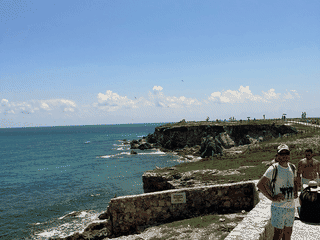
Isla Mujeres is a Caribbean island near Cancún. This Pueblo Mágico sits off the Yucatán Peninsula.
Islas Marias is a cluster of Pacific islands 100 km off Nayarit's coast, unique for its transformation from a 20th-century federal prison (closed 2019) into a restricted tourism destination. The UNESCO Biosphere Reserve protects endemic species found nowhere else on Earth, while Puerto Balleto's Pueblo Magico designation highlights its cultural significance.
Atlas entry
Islas Marietas National Park is a UNESCO Biosphere Reserve and Ramsar wetland site off the coast of Nayarit, Mexico. The park offers snorkeling, scuba diving, kayaking, and the iconic Playa del Amor (Love Beach), accessible only through a tunnel from the sea.
Atlas entry
Ixcateopan de Cuauhtémoc is a small town of about 2,400 residents rich in indigenous traditions dating back to its founding in 350 AD as a Cohuixca and Chontal settlement. The town is alleged to be the final resting place of Cuahtemotzin (Cuahtemoc), the last emperor of the Aztec empire, with remains reportedly discovered beneath the altar of the 16th-century Parroquia de Santa María de la Asunción.
Atlas entry
Ixmiquilpan is a picturesque riverfront colonial town set in the heart of Mexico's volcano belt in central Hidalgo. Famous for its hot mineral springs, the town draws Mexican families on weekends to dozens of spas and water parks in and around town.
Atlas entry
Ixtapa is a planned resort destination on Mexico's Pacific coast, purpose-built in the 1970s on a former coconut plantation and mangrove estuary. The town offers resort amenities, calm swimming beaches, and snorkeling at Playa Las Gatas, while sitting just 5 km from the more authentic fishing town of Zihuatanejo.
Atlas entry
Ixtapan de la Sal is a romantic colonial town in Mexico State recognized as a Pueblo Mágico. Visitors come for the thermal spas with volcanically heated mineral waters, the charming 16th-century church, and the artisan markets selling pottery and copalillo wood carvings.
Atlas entry
Ixtenco is one of Mexico's designated Pueblos Mágicos, offering a compact, walkable colonial core with 16th-century churches and cobblestone streets. The town preserves Otomi indigenous heritage alongside Spanish colonial architecture, making it a cultural half-day stop between Puebla and mountain destinations like La Malinche National Park.
Atlas entry
Ixtepec offers an authentic Zapotec cultural experience in southern Oaxaca. About half the population speaks Zapotec, and local women still wear colorful traditional attire with distinctive patterns.
Atlas entry
Ixtlán del Rio is a small town in the southeast corner of Nayarit state, best known for the pre-Hispanic archaeological site Los Toriles. The town offers a quiet, authentic Mexican experience with colonial-era churches, a climbable hill with 500 stairs, and access to mountain waterfalls.
Atlas entry
Izamal is one of Yucatán's most photogenic towns—virtually every building in its historic center glows yellow, creating an almost surreal backdrop for the massive Mayan pyramid that anchors the main monastery complex. Unlike the larger crowds at Chichén Itzá, Izamal offers a more intimate encounter with both Mayan and colonial sacred architecture, where worshippers still gather to honor the Virgin of the Immaculate Conception atop the same platforms where pilgrims once came to the Sun God Kinich Ahau.
Atlas entry
Izapa is one of the oldest Maya sites in Mexico, with structures dating from around 800 BC. The site is remarkably accessible, located just 10 minutes northeast of Tapachula on federal highway MEX 200, making it an easy half-day excursion.
Atlas entry
Atlas entry
Jalpan de Serra is the gateway to the Sierra Gorda, a UNESCO Biosphere Reserve and home to five Franciscan missions collectively designated a World Heritage site. The town centers on the ornate Mision Santiago Apostol, built by Father Junipero Serra in 1751, with its elaborate stone facade depicting Franciscan symbols and indigenous iconography.
Atlas entry
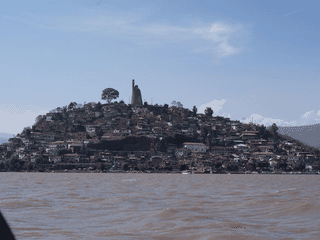
The Morelos monument crowns Janitzio and is visible from the boat on arrival. An internal spiral staircase passes murals depicting the independence hero's life.
Jerez de García Salinas is a small colonial mining town in Zacatecas that was designated a Pueblo Mágico to promote tourism. The town sits in a deep valley surrounded by forests and fruit orchards, offering traditional food, handcrafts, and architecture distinct from the state capital of Zacatecas, located just 57 km away.
Atlas entry
Jilotepec is one of Mexico's official Pueblos Mágicos, offering a scenic colonial center with 16th-century churches and a tranquil atmosphere far from Mexico City's crowds. The real draw is the surrounding countryside: rolling hills, idyllic waterfalls, and mountain cliffs that attract rock climbers and hikers.
Atlas entry
Jiquilpan de Juarez is one of Mexico's official Pueblos Magicos, celebrated for its colonial architecture and cultural heritage. The town holds national significance as the birthplace of two Mexican presidents: Anastasio Bustamante and Lazaro Cardenas.
Atlas entry
Jojutla is a weekend destination in southern Morelos for water sports enthusiasts. The area has at least half a dozen waterparks with tubes, chutes, wave pools, and lazy rivers.
Atlas entry
Ciudad Juárez offers a glimpse into northern Mexican culture far removed from beach resorts and Aztec ruins. Named for Benito Juárez, Mexico's first indigenous president, the city embodies the vaquero (cowboy) tradition with a distinctly rugged frontier atmosphere.
Atlas entry
Kabah is one of the most impressive Maya archaeological sites on the Ruta Puuc, a designated tourist circuit through Yucatán's hill country. The site's star attraction is Codz Poop (Palace of the Masks), a temple so thoroughly covered in carved stone masks of the rain god Chaac that its original architectural lines are nearly invisible.
Atlas entry
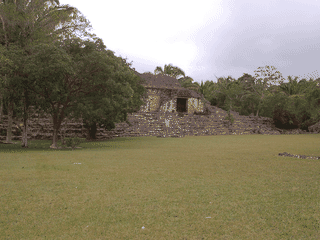
Kohunlich brings Maya architecture into a jungle setting, with sculpted faces on the Temple of the Masks as its central draw. The lightly visited ruins reward a slow walk through the archaeological landscape.
La Malinche National Park protects 45,711 hectares of pine forest surrounding the Malinche volcano, Mexico's 6th highest peak. The park offers excellent hiking and camping opportunities with fewer crowds than more famous Mexican parks.
Atlas entry
La Paz is a city of 245,000 on the Gulf of California (Sea of Cortez) often overlooked by travelers heading to the flashier Los Cabos resorts nearby. It offers a clean, safe, attractive waterfront with world-class beaches just minutes from town.
Atlas entry
La Peñita de Jaltemba is a modest beach town of about 8,000 inhabitants on Jaltemba Bay in Nayarit, Mexico. While travelers typically flock to adjacent Rincón de Guayabitos for its resorts and beaches, La Peñita serves as the authentic commercial and residential heart of the area.
Atlas entry
La Pesca is a small, rustic fishing town on Mexico's Gulf coast, roughly halfway between Matamoros and Tampico near the mouth of the Rio Bravo. While little known to foreign tourists, it offers excellent sport fishing in both the Gulf and the river, plus a 2-km sandy beach stretching north from the lighthouse on Punta Piedra.
Atlas entry
La Ventana is a tiny fishing village of just 255 permanent residents on the Sea of Cortez, yet it has become Mexico's adventure sports capital for kitesurfing thanks to its dependable coastal breezes. In 2025, it became the only location in Mexico where tour operators can legally conduct swimming with orcas and swimming with devil ray experiences.
Atlas entry
Lagos de Moreno is a colonial city of 112,000 people (2020) in Jalisco's Bajio region, known as the 'Athens of Jalisco' for its abundance of writers and poets. Founded in 1563 as Villa Santa Maria de los Lagos, the city features 18th-century Baroque churches, a charming main square, and serves as a quieter alternative to larger colonial destinations like San Miguel de Allende or Guanajuato.
Atlas entry
Lagunas de Chacahua National Park is a remote Pacific coast destination that offers a quieter alternative to busy Puerto Escondido. The small fishing village attracts surfers seeking uncrowded waves, nature lovers interested in bioluminescence tours, and travelers wanting an authentic Oaxacan beach experience without tourist crowds.
Atlas entry
Lagunas de Montebello National Park protects more than 60 lakes renowned for their extraordinary natural colors—ranging from light aquamarine to brilliant deep purple, with some green, blue, and red. The park is a UNESCO Biosphere Reserve offering Mayan ruins at Chinkultic, limestone caves at Grutas San Rafael del Arco, and cenotes, all without the crowds of more famous Mexican destinations.
Atlas entry
Lázaro Cárdenas is primarily a working port city handling cargo between Asia and South America, but travelers passing through find unexpected appeal in its Pacific beaches. The area offers reliable surfing conditions, water sports, and access to coastal wetlands with diverse wildlife.
Atlas entry
León is a major industrial city of 1.7 million that punches above its weight for tourists thanks to world-class shoe and leather shopping at a fraction of Mexico City or Guadalajara prices. The colonial centro histórico features neoclassical archways, a baroque cathedral, and several museums within walking distance.
Atlas entry
Linares is one of Mexico's designated Pueblos Mágicos, a program recognizing towns with cultural or historical significance. The town of about 70,000 inhabitants offers a slower pace than nearby Monterrey, with colonial architecture, local craft beer at Cerveza Linarense, and the famous Glorias caramel candies made locally since 1941.
Atlas entry
Lo de Marcos is a small, peaceful beach town in Nayarit offering a refreshing alternative to crowded tourist destinations. The town swells from 2,500 residents to 3,000-3,500 between November and April, attracting Canadian and American snowbirds.
Atlas entry
Loreto is a quiet Pacific coast town with deep historical roots as the first Spanish settlement in Baja California. Founded by Jesuits in 1697, it offers access to some of the world's best whale watching in the Sea of Cortez, excellent sport fishing, and nearby mountain missions.
Atlas entry
Los Mochis serves as the western terminus for the Chihuahua al Pacifico Railway (El Chepe), making it the essential starting point for the dramatic train journey through the Copper Canyon. The city of about 260,000 people (2010) sits on the eastern coast of the Sea of Cortez, offering ferry connections to Baja California.
Atlas entry
Madera (2,112m elevation) is a small lumber town founded in 1906 in the Sierra Madre Occidental, offering cool highland climate and dense pine forests. The area holds significant Anasazi (Mogollon culture) archaeological sites with cliff dwellings, plus a unique Revolutionary-era history including a 1965 leftist guerrilla insurrection that drew paratroopers.
Atlas entry
Magdalena de Kino is one of Mexico's designated Pueblos Mágicos, honoring its heritage as the mission town founded by Italian missionary Padre Eusebio Kino in 1690. The town draws pilgrims and history enthusiasts who come to see the crypt of the priest who brought Christianity and livestock agriculture to the Sonoran desert and what is now Arizona.
Atlas entry
Mahahual combines a Caribbean beach setting with a fishing village heritage and cruise tourism. It serves as a base for reef diving and visits to inland Maya ruins.
Malinalco is one of Mexico's designated Pueblos Mágicos, offering a rare combination of Aztec warrior temples carved into cliff faces, Renaissance-era Augustinian churches with Flemish frescoes, and the legendary Black Christ shrine of Chalma. This compact town in a river valley feels isolated from the modern world, making it a compelling weekend escape from Mexico City (2-3 hours by bus).
Atlas entry
Maní is one of Mexico's designated Pueblos Mágicos, offering a genuine glimpse into Yucatán's Mayan heritage and colonial history without the tourist crowds of more famous destinations. The town was once the capital of the powerful Tutul Xiu Maya kingdom before Spanish colonization, and its 1549 monastery stands as a testament to that turbulent era.
Atlas entry
Manzanillo is a Pacific resort city in Colima state, often called the 'sailfish capital of the world' since hosting fishing competitions since 1957. The city stretches across two crescent-shaped bays, each about 6.5 km long: the older Bahía de Manzanillo near downtown and the upscale Bahía de Santiago to the west.
Atlas entry
Mapimi is a hauntingly atmospheric ghost town in the Chihuahuan Desert, once rich with silver, gold, and other minerals before exhaustion drove most residents away in the early 20th century. Today it offers a rare blend of historic mining heritage, UNESCO-recognized sites, and genuinely mysterious experiences like the Zone of Silence where radio signals fail.
Atlas entry
Maruata is a Nahuat indigenous community on Michoacán's Pacific coast that has deliberately rejected large-scale tourist development, preserving its rustic character. The town is a major nesting beach for Pacific green sea turtles, ridleys, and occasionally leatherbacks, with a volunteer hatchery program protecting eggs.
Atlas entry
Mascota is a small colonial town of just under 9,000 residents in the mountainous heart of Jalisco. One of Mexico's designated Pueblos Mágicos, it offers a relaxed alternative to coastal tourist crowds, with 18th-century churches, scenic overlooks, and access to the Mascota River's thermal springs and hiking trails.
Atlas entry
Matamoros is a major historical site where Mexico earned its title of Undefeated, Loyal, and Heroic through battles of the Mexican War of Independence, the Mexican Revolution, the Texas Revolution, the Mexican-American War, the American Civil War, and the French Intervention. The city sits directly across the Rio Grande from Brownsville, Texas, making it one of the primary land crossings between the United States and Mexico.
Atlas entry
Maxcanú is a small city of about 12,000 inhabitants in western Yucatán with over 90% indigenous Maya population. It offers colonial charm with a historic church of San Miguel Arcángel and serves as a practical base for exploring major Mayan archaeological sites including Uxmal, Oxkintok, and Kabah.
Atlas entry
Mayapan is a significant yet overlooked Maya archaeological site in Yucatan, Mexico. It served as the dominant Maya city from 1250 to 1441, inheriting cultural traditions from Chichen Itza, and its pyramids and temples show striking architectural similarities to its more famous neighbor.
Atlas entry
Mazamitla is a designated Pueblo Mágico in the Sierra del Tigre mountains of Jalisco, about 140 km south of Guadalajara. The 1,000-year-old town draws weekend visitors seeking romantic mountain retreats, forest cabins resembling Swiss chalets, and cool alpine air.
Atlas entry
Mazatlán pairs a restored historic center with a lively malecón and varied beaches. Its old streets and Golden Zone resorts give travelers contrasting coastal settings.
Mazunte is a small beach village on Oaxaca's Pacific coast with a generally quiet pace. Simple places to stay sit alongside the National Mexican Turtle Centre and a natural cosmetics center.
Melchor Múzquiz is one of Mexico's designated Pueblos Mágicos, offering a rare glimpse into indigenous Kickapoo and Seminole (Mascogo) communities that fled the United States in the 19th century. The town combines historical fort origins from 1737 with paleontological discoveries and traditional festivals.
Atlas entry
Mérida brings colonial architecture and museums together around the Plaza de la Independencia. The central square anchors a lively street scene.
Metepec is a charming crafts town on the southern edge of Toluca, best known for its world-class Tree of Life (Arbol de la Vida) ceramic sculptures. The compact historic center has a small-town Mexican feel with winding streets, several colonial churches, and cafes.
Atlas entry
Metztitlán is a tiny Pueblo Mágico tucked into the Barranca de Metztitlán canyon, drawing Mexico City weekenders for hiking trails, birdwatching, and dramatic desert-and-canyon scenery. The colonial Centro packs cobblestone streets, centuries-old churches, and charming hotels into a walkable grid, making it an easy off-the-beaten-path escape without sacrificing comfort.
Atlas entry
Mexcaltitán is a tiny island settlement in Nayarit that may be the legendary Aztlan, the ancestral home of the Mexica (Aztec) people. Designated as one of Mexico's Pueblos Mágicos, this low-lying island surrounded by mangrove swamps offers a journey into pre-Columbian mythology.
Atlas entry
Mexicali's Chinese-Mexican cooking gives this border city a distinctive food scene. Roast duck and suckling pig feature on menus alongside modern interpretations of Chinese classics.
Mexico City layers the remains of Tenochtitlan with the heritage of New Spain. Its mountain-ringed valley setting frames a capital rich in cultural landmarks.
Mineral de Pozos is a fascinating ghost town that has risen and fallen with its silver mines at least three times in history. Designated one of Mexico's Pueblos Mágicos, it offers travelers a rare glimpse into colonial-era mining architecture with ruined haciendas, accessible mine shafts, and 17th-century churches with stunning tilework.
Atlas entry
Mineral del Chico is one of Mexico's designated Pueblos Magicos, offering a refreshing escape into Hidalgo's mountainous backcountry. The town preserves colonial mining heritage with multiple historic silver mines open to guided tours, including the 1530-founded Mina Guadalupe where visitors descend 400 meters underground.
Atlas entry
Mineral del Monte offers a unique blend of mining heritage and culinary tradition set in a cold, mountainous environment at 2712m elevation. The town preserves its colonial character remarkably well, making visitors feel as though they've stepped back in time.
Atlas entry
Mismaloya is a small beach community on Mexico's Pacific Coast that gained fame as the filming location for Richard Quine's 1964 film The Night of the Iguana, starring Richard Burton. The small valley is surrounded by the Sierra Madre and tropical forest, offering calm waters, pelicans diving for fish, and a relaxed, colorful, family-friendly atmosphere perfect for resting and enjoying sunsets.
Atlas entry
Mitla's archaeological zones sit among the streets and colonial churches of a living town. Exploring the ruins brings ancient remains into close contact with everyday local life.
Mocorito is one of Mexico's official Pueblos Mágicos, a small colonial-era town in Sinaloa with a rich artistic and literary heritage. The town of about 5,400 residents is famous as the birthplace of Los Tigres del Norte, Mexico's most successful norteño band, and artist Ernesto Rios, a regional muralist.
Atlas entry
Monclova is a working class industrial city founded in 1577 as the first community in the state of Coahuila. With a population of about 238,000 people (2020), it is not a touristic destination but offers authentic northern Mexican culture, local baseball games, and serves as a practical stop for travelers crossing northern Mexico.
Atlas entry
Monte Albán is one of Mexico's most important archaeological sites, serving as the socio-political and economic center of the Zapotec civilization for nearly 1,000 years. Its dramatic hilltop location offers sweeping views over Oaxaca city, and the site's central plaza showcases grand temple platforms, intricate carvings, and sunken tombs.
Atlas entry
Montemorelos is one of Mexico's official Pueblos Mágicos, recognized for preserving traditional Mexican small-town charm while offering distinctive citrus-themed attractions. The town sits on the banks of the Río Pilón along busy federal highway MEX-85, making it a natural and appealing stop for road travelers heading between the U.S.
Atlas entry
Monterrey offers contemporary architecture, nightlife and northern Mexican cooking alongside its industrial identity. Its cultural attractions reward travelers interested in a large modern city.
Morelia's preserved colonial center is a UNESCO World Heritage site. Its walkable streets suit an unhurried exploration of the historic core.
Moroleón is a textile manufacturing center in southern Guanajuato, drawing Mexican shoppers who come for name-brand clothing at lower prices than elsewhere. The city of 44,000 people (2014) has a working, non-touristy feel—locals run the shops, and the economy centers on clothing retail rather than tourism.
Atlas entry
Motul is a small coastal town of just over 20,000 people in northern Yucatán, famous as the origin of huevos motuleños, a beloved regional breakfast now popular throughout the peninsula. It holds the distinction of being one of Mexico's designated Pueblos Mágicos, a program recognizing towns with cultural or historical significance.
Atlas entry
Mulegé is a small oasis town of 3,800 people nestled between two hills in a palm-lined valley leading to the Sea of Cortez. The town is famous for deep sea fishing, kayaking, cave tours, and exceptional bird watching.
Atlas entry
Naolinco is a mountain town with brick-paved streets and a pine-framed central plaza. Leather goods, barro ceramics and nearby waterfalls shape a visit.
Nevado de Toluca is a high-altitude volcanic crater park roughly 40 km southwest of Toluca, Mexico State. The star attraction is the 1.5 km caldera containing two lakes called Laguna del Sol and Laguna de la Luna (Lake of the Sun and Lake of the Moon).
Atlas entry
Nochistlán is a charming colonial town designated as one of Mexico's Pueblos Mágicos, offering an authentic glimpse into Mexican small-town life away from major tourist crowds. The town is known as "la tierra de los músicos" (land of musicians) for its pervasive musical atmosphere that seems to never stop.
Atlas entry
Nogales is one of the most important ports of entry for U.S. tourists crossing into Mexico.
Atlas entry
Nombre de Dios is the oldest continuously settled town in Northern Mexico, founded in 1562 by Franciscan missionaries along the historic Camino Real de Tierra Adentro. Designated as one of Mexico's Pueblo Mágico towns, it offers a rare glimpse into colonial-era Mexico with five surviving viceregal-era churches that can be visited on a walking tour.
Atlas entry
Nuevo Laredo is the busiest land port in North America, where approximately 8,500 trucks cross daily and the PanAmerican Highway enters the United States. Many travelers find themselves here en route to San Antonio, South Texas, or points further into Mexico.
Atlas entry
Nuevo Nayarit (formerly Nuevo Vallarta) is a purpose-built resort community on Mexico's Pacific coast offering over 18 km of white sandy beaches, luxury villas, and canals lined with tropical gardens. The area is immediately north of Puerto Vallarta across the Ameca River and airport boundary.
Atlas entry
Nuevo Progreso is a small border town in Tamaulipas, Mexico, with a population of around 10,000 people (2010). It has become a popular destination for North American senior citizens, particularly 'snowbirds' (retired Canadians and Americans from northern states who spend winters in South Texas), who cross the border for inexpensive prescription drugs and dental procedures.
Atlas entry
Oaxaca is a colorful southern Mexican capital with deep indigenous heritage. Mole sauces and mezcal are central to its culinary appeal.
Oaxtepec is a small Mexican resort town of 7,000 people in Morelos state, famous for its warm weather and sprawling government-owned campus packed with hotels, cabanas, campsites, Olympic pools, and the PAO waterpark. It draws huge crowds of Mexican families on weekends but remains almost completely unknown to international tourists.
Atlas entry
Ocosingo serves as the main gateway to the Lacandon Jungle, one of Mexico's most biodiverse regions. The city of 48,000 preserves its colonial heritage in the historic center with Los Portales, the 1569 church of San Jacinto de Polonia, and the 1890 Pila de Agua.
Atlas entry
Ocozocoautla, locally called Coita, is a small city in Chiapas famous for its rugged natural landscapes. The town is one of Mexico's designated Pueblos Mágicos and draws outdoors and adrenaline seekers for its rivers, canyons, caves, and forests.
Atlas entry
Ocuituco is a small historic town of fewer than 5,000 residents tucked into the mountains of Morelos state. Eco-travelers come for hiking in pine forests and the Barranca del Amatzinac canyon formed by waters flowing from Popocatépetl volcano.
Atlas entry
Orizaba is a quiet highland city in Veracruz known as "Pluviosilla" to locals. It offers 16th to 18th century churches, the Art Nouveau Palacio de Hierro designed by Gustave Eiffel, and the scenic Rio Orizaba river-walk with a free linear zoo.
Atlas entry
Otumba is one of Mexico's designated Pueblos Mágicos, offering a slower pace of life with fewer than 10,000 residents in the town proper. The community is famous for its love of animals, particularly the humble burro (donkey), which has earned it regional fame.
Atlas entry
Pabellón de Arteaga is a small city of about 30,000 people in the central Mexican state of Aguascalientes. It is the epicenter of the state's Ruta de Vino (Wine Trail), making it a destination for wine enthusiasts seeking to explore Mexican vineyards.
Atlas entry
Pabellón de Hidalgo is one of Mexico's designated Pueblos Mágicos, earning this title for its role in the Mexican War of Independence from Spain and its well-preserved colonial architecture. The town of about 4600 people offers a slower pace than nearby Aguascalientes, with historic haciendas, a 17th-century church, and several boutique wineries producing full-bodied reds.
Atlas entry
Pacanda is a tiny Purhepecha indigenous island in Lake Patzcuaro with about 400 residents. It is known for its strong Day of the Dead (Noche de los Muertos) traditions, when the cemetery fills with families setting up ofrendas for departed souls.
Atlas entry
Pachuca combines a historic mining center with a distinctive Cornish legacy. Its breezy highland setting explains the local nickname La Bella Airosa.
Palenque's Maya ruins combine carved reliefs and preserved architecture with a rainforest setting. The surrounding jungle is integral to the experience of exploring the site.
Palizada is a quiet colonial town that rewards slow travelers with riverside strolls, wooden architecture, and easy access to the wetlands of Laguna Terminos. Unlike nearby Villahermosa, it has kept its small-town scale and makes a good overnight or two-night stop for birdwatchers, naturalists, and travelers heading to Pantanos de Centla.
Atlas entry
Pantanos de Centla is the largest swamp in North America, covering 302,706 hectares of wetlands in southern Mexico. This UNESCO Biosphere Reserve and Ramsar wetland site offers visitors a chance to explore pristine mangroves, spot hundreds of native species (many endangered), and visit nearby Mayan archaeological sites including Potonchán.
Atlas entry
Papantla serves as the cultural heart of the Totonacapan region, founded in the 13th century by the Totonacs who still maintain their language and traditions here. The city is famous for the voladores (flying men) ceremony performed at the cathedral, a UNESCO-recognized ritual where men descend from a tall pole while rotating.
Atlas entry
Paracho de Verduzco is a Purépecha indigenous town of 21,000 people that calls itself the world capital of the guitar, with hundreds of master luthiers crafting handmade instruments. The town is one of Mexico's designated Pueblos Mágicos, offering a glimpse into traditional artisan culture away from major tourist circuits.
Atlas entry
Paraíso is a small Gulf Coast city in Tabasco promoted under the state's Cacao Route tourism program. It attracts visitors with Mecoacán Lagoon boat tours through red mangrove vegetation, seafood restaurants along the tourist corridor to Puerto Ceiba, and a central plaza with the neoclassical Church of San Marcos.
Atlas entry
Parral (officially Hidalgo del Parral) is a small city of about 110,000 people in Chihuahua, Mexico, famous for its mining history and Mexican Revolution connections. Pancho Villa was assassinated here in 1923, and the town celebrates this history with the annual Cabalgata Villista cavalcade.
Atlas entry
Parras de la Fuente is the oldest wine-producing region in the Americas, designated a Pueblo Mágico since 2004. Located at 1,500 m elevation in Coahuila's semi-desert, this oasis of 45,000 offers colonial architecture, historic wineries founded in the 1500s, and access to natural attractions like bat caves and canyons.
Atlas entry
Patzcuaro's compact center is arranged around plazas linked by a pedestrian street. Local transport connects the town with lakeside villages and the boat docks for Janitzio.
Pénjamo is a historic colonial city of 40,000 people in Guanajuato state, famous as the birthplace of Miguel Hidalgo y Costilla, the Father of the Mexican Nation. The city offers colonial architecture, the Zona Arqueológica de Plazuelas archaeological site, and proximity to Hacienda Corralejo, one of the few major tequila distilleries outside Jalisco.
Atlas entry
Petatán exists almost entirely because of the American white pelicans that descend on Lake Chapala each winter in extraordinary numbers. The local name for these birds is 'pelícano borregón', and watching them crowd the rocky shoreline and float in formation on the lake is a memorable experience even for non-birders.
Atlas entry
Piedras Negras sits directly across the Rio Grande from Eagle Pass, Texas, making it an easy international crossing for US travelers. The city claims fame as the birthplace of nachos, invented here in 1940 by Ignacio 'Nacho' Anaya.
Atlas entry
Pinal de Amoles is a small colonial-era town deep in the forested Sierra Gorda mountains in eastern Queretaro. The town is designated as one of Mexico's Pueblos Magicos and serves as a gateway to the Sierra Gorda Biosphere Reserve, a UNESCO biosphere reserve.
Atlas entry
Pinos is one of Mexico's designated Pueblos Mágicos, offering visitors a glimpse into colonial-era silver mining history without the tourist crowds of bigger destinations. The town was founded in 1594 as Real de Nuestra Señora de Sierra de Pinos and served as a silver mining center along the historic Camino Real de Tierra Adentro, a UNESCO World Heritage Site.
Atlas entry
Playa del Carmen draws visitors to the shops, restaurants and bars of Quinta Avenida. The oceanfront Portal Maya adds a sculptural landmark nearby.
Playas de Rosarito pairs a wide Pacific coastline with a lively club scene. Papas & Beer is among its recognizable nightlife venues.
Poza Rica de Hidalgo is an industrial oil city of 200,000 people in Veracruz, known as a gateway to the UNESCO World Heritage Site of El Tajín, located just 15 km away. The city serves as a transportation hub and base for exploring the Costa Esmeralda northern beaches including Tecolutla, Tuxpan, and Cazones, all within an hour's drive.
Atlas entry
Progreso makes a coastal base for exploring the northern Yucatán. Flamingo colonies, Maya ruins, cenotes and the Chicxulub impact visitor center offer outings beyond the waterfront.
Puebla's colonial center brings together Baroque architecture and colorful Talavera tiles. Red brick and gray cantera stone give its buildings a distinctive palette.
Puerto Aventuras is a purpose-built resort community on Mexico's Caribbean coast where miles of powdery white sand beaches meet crystal clear turquoise waters. The area offers golf, deep sea fishing, snorkeling, and scuba diving directly from the resort zone.
Atlas entry
Puerto Escondido draws surfers to the Mexican Pipeline at Playa Zicatela. Beach life and a lively backpacker scene sit beside the everyday bustle of an Oaxacan coastal town.
Puerto Morelos offers a quiet beach-town atmosphere with tourist amenities close at hand. Its compact center is easy to explore on foot.
Puerto Nuevo is a small coastal city in Baja California celebrated as the Lobster Capital of Baja. The town has roughly 35 lobster restaurants, all specializing in large pan-fried crustaceans served in the traditional Puerto Nuevo style—accompanied by refried beans and flour tortillas, often paired with wine from the nearby Valle de Guadalupe region.
Atlas entry
Puerto Peñasco pairs Sea of Cortez beaches with a lively waterfront and seafood markets. Desert outings around Cholla Bay add another side to a coastal stay.
Puerto Vallarta combines a Pacific beach setting with historic charm. Its appeal balances resort time with the character of an established town.
Punta Allen is a small fishing village in the Mexican state of Quintana Roo, located within the Sian Ka'an biosphere reserve. It offers a friendly atmosphere with unspoiled beaches and a good number of places to stay, making it one of the last undeveloped spots in the Yucatan peninsula.
Atlas entry
Querétaro rewards walks through a historic center of Baroque monuments and lively plazas. Regional vineyards add wine-focused outings to a stay built around colonial architecture.
Quiroga is a market town where vendors and craftsmen from the many small villages and islands of Lake Patzcuaro bring their wares to sell. The town is larger than most lake villages yet often overlooked by mainstream travelers, making it a good place to see "real Mexico" without tourist crowds.
Atlas entry
Real de Catorce is one of Mexico's designated Pueblos Mágicos—a nearly abandoned silver mining town where about 1,400 residents remain versus 15,000 at its late 19th-century peak. The former boom town with a mint, bullring, and European luxury shops was almost completely emptied when silver prices collapsed after 1900.
Atlas entry
Barranca de Metztitlán is a dramatic natural reserve in Hidalgo state, centered on the deep canyons carved by the Río Venados (also called Río Metztitlán). It offers stark desert canyon scenery, a Ramsar-listed wetland at Laguna Metztitlán, and rare endemic flora and fauna in a remote setting rarely visited by international tourists.
Atlas entry
Calakmul is one of the most impressive Maya sites in the Yucatán, featuring the second highest pyramid in the Maya world after El Mirador in Guatemala. The biosphere reserve encompasses over 720,000 hectares of intact tropical forest—Mexico's largest—providing habitat for monkeys, deer, and diverse wildlife.
Atlas entry
Reynosa is a Mexican border city of approximately 612,000 people in Tamaulipas state, sitting directly across the Rio Grande from McAllen, Texas. While not typically a tourist destination, it serves as a major industrial hub where over 110,000 people work in maquiladora factories producing electronics and automotive parts.
Atlas entry
Rincã³n de Guayabitos is a small beach town on the Pacific coast of Nayarit, popular with Mexican families and surfers seeking low-cost accommodations and restaurants. It is part of a cluster of beach areas including Lo de Marcos and La Peñita de Jaltemba, offering a quieter alternative to busier resort destinations.
Atlas entry
Río Lagartos is a quiet coastal base for exploring mangroves and wetlands in northeast Yucatán. Flamingos and nearby pink lagoons draw visitors into the surrounding landscape.
Rioverde is a small colonial city in the Bajio region of San Luis Potosi, Mexico, with a population of about 60,000. While the picturesque centro and historic main church draw some visitors, the city is primarily a base for travelers seeking natural attractions in the surrounding region.
Atlas entry
Salamanca is a mid-sized industrial city in Guanajuato state nicknamed The Granary of Mexico. While not a traditional tourist destination, it offers beautiful colonial architecture in its Historic Center, diverse cuisine brought by workers from across Mexico who staff the oil refinery, and an authentic Mexican urban experience away from the major backpacker trail.
Atlas entry
Salina Cruz is primarily a working port city and transportation hub on Mexico's Pacific coast. Most visitors are either involved in the shipping business or passing through to reach nearby surfing beaches.
Atlas entry
Saltillo is a beautiful colonial city in Northern Mexico with a colorful history dating to its importance on the 19th-century Camino Real. The city is a government center, college town, and manufacturing hub with big factories producing chemicals, metals, auto parts, and trucks outside city limits.
Atlas entry
Salvatierra offers cobbled streets, elegant plazas and historic churches in a compact colonial center. Guava sweets and inventive ice creams add a local food theme to a leisurely visit.
San Agustinillo is a small beach town on the Oaxacan Pacific coast where families find calm swimming waters at one end and surfers catch consistent waves at the other. The town transformed from a sea turtle harvesting village in the 1970s into a conservation-focused community after the 1990 hunting ban, now offering eco-travelers the chance to witness olive ridley sea turtles nesting from June through December.
Atlas entry
San Andrés Tuxtla is a calm, untouristy city in the Los Tuxtlas region of Veracruz state where travelers are still somewhat of a novelty. The city serves as a regional hub and makes a practical stop for those traveling between the Gulf coast and southern Mexico, with few foreign tourists and friendly locals who may be unaccustomed to visitors.
Atlas entry
San Blas is a relaxed Pacific coast town of about 10,000 people in Nayarit state, designated as one of Mexico's official Pueblos Mágicos. It offers a slower pace than nearby Puerto Vallarta with colonial-era history, legendary surfing at Matanchen Bay, and jungle boat tours through crocodile-inhabited mangrove swamps.
Atlas entry
San Carlos is a small coastal town on the Sea of Cortez in Sonora state, famous for its spectacular natural landscapes of beaches, canyons, and rugged rock formations. The town attracts scuba divers seeking clear waters and abundant dive sites, as well as retirees escaping cold Canadian and northern U.S.
Atlas entry
San Carlos is a small fishing village of just over 5,000 residents on the sheltered waters of Magdalena Bay. It is one of the best places in Mexico for whale watching, with gray whales migrating through the bay between December and April.
Atlas entry
San Cristóbal de las Casas pairs a former capital's history with a thriving craft community. Workshops produce pottery, embroidery, woodcarving and amber jewelry.
San Felipe is a relaxed resort town on the Gulf of California that draws American, Canadian, and Mexican visitors seeking beach camping, fresh seafood, and off-road adventures. The town swells from 19,000 residents to 24,000 during U.S.
Atlas entry
San Francisco, also known as San Pancho, is a Pacific seaside village in Nayarit. Its quiet beach setting offers a base away from the larger resort areas to the south.
San Ignacio is a compact oasis in Baja California's arid central desert, centered on a lush grove of date palms around an 18th-century Jesuit mission. The town serves as the gateway to San Ignacio Lagoon, one of the world's premier wintering grounds for Pacific gray whales.
Atlas entry
San Joaquín is a historic mining town in the Sierra Gorda mountains of Querétaro state, designated a Pueblo Mágico by Mexico's tourism ministry. The town dates back 15 centuries and was originally settled for cinnabar mining—used for red pigments in pre-Hispanic funerals and later for mercury extraction during Spanish colonial rule.
Atlas entry
San José de Gracia is a small town in Aguascalientes designated as one of Mexico's Pueblo Magicos, famous for its 29-meter Broken Christ statue that overlooks the lake. The original town lies submerged beneath the lake surface, flooded when the Plutarco Dam was built in 1927, making the statue a powerful symbol of community resilience and displaced families.
Atlas entry
San José del Cabo is a city of 136,000 people in Los Cabos, offering a compelling alternative to its glitzy sister city Cabo San Lucas. The historic town center retains its colonial charm with cobblestone streets, adobe houses, and jacaranda trees, while large 19th-century houses have been converted into art galleries selling traditional Mexican, contemporary, and international works.
Atlas entry
San José del Pacífico sits at 2440 m (8000 ft) elevation on the Pochutla-Oaxaca Highway 175, offering dramatic mountain views and a cool climate contrasting with Oaxaca's heat below and the humid Pacific coast above. The town is famous for its psychedelic mushrooms (Psilocybe zapotecorum), which can be found from July to October and are sometimes preserved in honey at other times of year.
Atlas entry
San Juan Chamula is a small town in the mountainous jungles of Chiapas, home to the indigenous Tzotzil people (sometimes called the Chamula). The town feels a world apart from the rest of Mexico, fiercely independent and grudgingly accepting outsiders.
Atlas entry
San Juan de los Lagos is a small colonial town in Jalisco that draws pilgrims from across Mexico to honor the Virgin of San Juan. The town is famous for its magnificent cathedral, artisan workshops producing plaster saints, and local sweets like cajeta and atole.
Atlas entry
San Juan del Rio is the oldest colonial city in Querétaro, founded in 1531 and positioned at a strategic river crossing on the Camino Real de Tierra Adentro silver mining route. The city has been designated a UNESCO World Heritage site and named a Pueblo Magico by the Mexican government, recognizing its touristic value and colonial architecture.
Atlas entry
San Luis Potosí combines baroque churches and colonial architecture with modern museums. Its historic center lies along the Camino Real de Tierra Adentro.
San Luis Rio Colorado is a working Mexican border city of 177,000 people opposite San Luis, Arizona. Its primary appeal is as a border crossing point and gateway to the Sonoran Desert attractions including the Pinacate biosphere reserve.
Atlas entry
San Luis Soyatlán is a small lakeside town on the southern shore of Lake Chapala, offering a quieter alternative to busier towns like Chapala. The town is known for its distinctive Vampiro cocktail, colonial Catholic temples, and proximity to natural attractions including El Salto waterfall and El Mirador viewpoint.
Atlas entry
San Miguel de Allende is a colonial city in the Bajio mountains with deep ties to Mexico's independence movement. Its historic setting has UNESCO World Heritage recognition.
Melaque (officially San Patricio-Melaque and also encompassing Villa Obregón) is a quiet three-village conurbation on Banderas Bay, positioned between the resort hubs of Puerto Vallarta and Manzanillo. With a population of about 7,500 permanent residents, it delivers a genuinely local Mexican beach town experience—no high-rises or all-inclusive sprawl—while still offering a well-developed main beach, good restaurants, and reasonable infrastructure for week-long stays.
Atlas entry
San Pedro de las Colonias is a small city of about 45,000 residents in southwestern Coahuila, northern Mexico. The town proudly calls itself the cradle of the Mexican Revolution because it was the birthplace and home of Francisco Ignacio Madero, the key instigator of the Revolution and Mexico's first president after the overthrow of Porfirio Diaz's dictatorship.
Atlas entry
San Pedro y San Pablo Teposcolula is one of Mexico's designated Pueblos Mágicos, nestled in the scenic valleys of Oaxaca state far from the crowds of obvious tourist hotspots. This quaint town offers a unique and authentic Mexican experience with rich cultural heritage and picturesque surroundings.
Atlas entry
San Sebastián del Oeste is a time-warp colonial town in the western Sierra Madre of Jalisco, one of Mexico's tiniest designated Pueblos Mágicos with just 630 residents. The town preserves 17th-century mining-era architecture, cobblestone streets, and a hushed ghost-town atmosphere impossible to find in bigger tourist centers.
Atlas entry
Santa Clara De Cobre is a one-street-town devoted entirely to copper: 250 workshops hammering out cooking utensils, sinks, jewelry, and full copper beds. It holds an annual copper festival, and the entire colonial center is painted white with red-tile roofs, copper door knockers, and copper flowerpots.
Atlas entry
Santa Elena is a quiet Yucatán town of 3,800 people serving as a practical base for visiting the Puuc region's famous Maya ruins. It lies just 16 km from Uxmal and 10 km from Kabáh, making day-trip logistics easier than staying farther away.
Atlas entry
Santa María del Oro is a small gold mining town in the high sierras of western Durango, designated one of Mexico's Pueblos Mágicos for its historic character. It makes a quiet stop on regional routes, with a noteworthy 18th-century parish church and the local specialty El Sapo.
Atlas entry
Santa María del Río stakes a claim as the cradle of the rebozo, Mexico's most celebrated hand-woven shawl. The town earned Pueblo Mágico status for its colonial charm: two large plazas, 17th-century Franciscan churches, and the living Casa del Rebozo museum where artisans still demonstrate traditional weaving.
Atlas entry
Santa Rosalía is one of Mexico's designated Pueblos Mágicos, offering a rare glimpse into the peninsula's mining heritage with well-preserved French colonial architecture. The town is famous for its Eiffel-designed iron church (Iglesia de Santa Bárbara) and bread-making tradition from stone-oven bakeries like El Bachicha and Boleo.
Atlas entry
Santiago Nuevo León is a designated Pueblo Magico perched high atop a hill overlooking the highway and lake below. It's shockingly quiet as many weekend visitors from Monterrey come for shopping or outdoor adventures without exploring the colonial town itself.
Atlas entry
Sayula is one of Mexico’s designated Pueblos Mágicos, offering a tranquil alternative to larger colonial destinations. The town is famous as the birthplace of Juan Rulfo, one of Mexico’s most celebrated writers, giving it a literary heritage that permeates its museums and cultural spaces.
Atlas entry
Sayulita is a Pacific surf town with wide sandy beaches. Beginner and intermediate surf breaks sit alongside street tacos and a relaxed town atmosphere.
Selva el Ocote is one of Mexico's largest protected forest areas, spanning over 101,000 hectares in the Chiapas highlands. The reserve preserves mid and high elevation forest ecosystems with dramatic landscapes including the Cascada El Aguacero waterfall, the massive Sima de las Cotorras sinkhole where parrots nest in limestone walls, and caves with ancient petroglyphs.
Atlas entry
Sian Ka'an is one of Mexico's largest protected areas, spanning over 528,000 hectares of tropical forest, salt marshes, cenotes, and Caribbean coastline. As a UNESCO World Heritage Site and Ramsar wetland, it offers travelers a chance to float through ancient Maya canals, snorkel along the Great Mesoamerican Reef, and spot manatees, crocodiles, and hundreds of bird species.
Atlas entry
Sierra Gorda Biosphere Reserve is a protected natural wilderness in the rugged Sierra Gorda mountains of eastern Queretaro. The 250-square-kilometer reserve features steep mountains, deep canyons, sheer cliffs, karst cave systems, and mixed forests of conifers and oaks.
Atlas entry
Sisal is a minuscule fishing village of about 1,800 residents that punches far above its weight as one of Mexico's designated Pueblos Mágicos. Most visitors come from Mérida for the eco-tourism—coastal wetlands teeming with migratory birds, particularly flamingos in winter months, and dense jungle trails.
Atlas entry
Sombrerete is a traditional colonial mining town of 25,000 people in Zacatecas, Mexico. Its historical centre is part of the UNESCO World Heritage Site "Royal Road of the Interior Land" (Camino Real de Tierra Adentro).
Atlas entry
Tacámbaro is a designated Pueblo Mágico offering a slower pace than Mexico's larger cities. The town combines colonial history dating to the 16th century with outdoor attractions including a volcanic crater lake, forest trails, and family-friendly aquatic parks.
Atlas entry
Talpa de Allende is one of Mexico's designated Pueblos Mágicos, offering a romantic colonial-era atmosphere with cobblestone streets and historic buildings. The town draws millions of pilgrims annually to the Basilica seeking miracles and cures for ailments, creating a unique spiritual atmosphere alongside its quaint charm.
Atlas entry
Tamazunchale is primarily a transit stop rather than a destination. Situated on federal highway MEX 85 (Carretera México-Laredo), it sits roughly halfway between Mexico City and the United States border, making it a logical overnight break for road trippers.
Atlas entry
Tampico's historic squares feature wrought-iron balconies and distinctive architecture. Local cooking adds another reason to linger, especially the generously filled torta de la barda.
Tapachula combines Art Deco architecture and busy markets with access to the Soconusco coffee highlands. Its transport connections make it a practical stop on journeys between southern Mexico and Guatemala.
Tapalpa is a picturesque highland town in the Sierra Madre Occidental known for its immaculate white facades and red-tile roofs, a rare example of well-preserved traditional Mexican architecture in Jalisco. The town serves as a popular weekend destination for residents of nearby Guadalajara seeking clean mountain air, colonial charm, and access to nature.
Atlas entry
Tapijulapa is one of Mexico's designated Pueblos Mágicos, a program recognizing towns with cultural and historical significance. The town stands out for its distinctive architecture: every building painted white with red trim and topped with red tile roofs, set against a backdrop of lush jungle.
Atlas entry
Taxco climbs a steep hillside around the baroque Santa Prisca church. Silver mining heritage fills its narrow streets with jewelry shops and decorative silverwork.
Teapa is one of Mexico's designated Pueblos Mágicos, offering colonial architecture and heritage without the tourist crowds of larger destinations. The city of under 30,000 people sits among rolling hills with the Rio Teapa flowing through town, surrounded by the Sierra Madregal hills.
Atlas entry
Tecate sits in a valley ringed by mountains, with Kuuchamaa forming a prominent natural landmark. The mountain's importance to Kumeyaay culture adds depth to the surrounding walking and cycling landscape.
Tecolutla is the closest beach destination to Mexico City, reachable in just four to five hours by car. The town sits at the northern end of the Emerald Coast tourist corridor along the Gulf of Mexico, offering wetlands with estuaries, canals, and mangroves that are home to exotic birds.
Atlas entry
Tecomán earns its nickname as the "lime capital of the world" in a lush agricultural region near the Pacific coast of Colima. It's the second most visited town in the state, serving as a convenient alternative to nearby Manzanillo for travelers seeking authentic coastal Mexican cuisine at ramadas (traditional open-air eateries) along the Tecomense coast.
Atlas entry
Tehuacán is one of the oldest areas of human settlement in Mexico, believed to be where corn was first domesticated nearly 9,000 years ago. In 2025, archaeologists confirmed cave paintings near the city are at least 10,000 years old—older than any known Mesoamerican civilization.
Atlas entry
The Tehuacán-Cuicatlán Biosphere Reserve is one of Mexico's most significant ecological zones, covering over 490,000 hectares where towering cactus forests dominate a dramatic rocky landscape. As a UNESCO World Heritage mixed site, it offers a rare combination of ancient archaeological ruins, remarkable biodiversity with over 100 bird species, and landscapes unlike anywhere else in the country.
Atlas entry
Tekax is one of Mexico's designated Pueblos Mágicos, offering colonial historic town center, 1,000-year-old Mayan archaeological sites, and access to dense tropical jungle. The town serves as a quieter base for exploring southern Yucatán's archaeological treasures compared to more tourist-heavy destinations.
Atlas entry
Temacapulín is a very small colonial-era town in the highlands of Jalisco with only about 300 residents. Visitors come for the hot springs and thermal pools, as well as the historic downtown area with cobblestone streets and quiet plazas.
Atlas entry
Temoaya offers a rare window into the living traditions of the Otomi (Hñähñú) people, who consider this municipality their ancestral homeland. The centerpiece is the monumental Otomi Ceremonial Center, a 20th-century architectural achievement that channels the grandeur of pre-Hispanic design.
Atlas entry
Tenancingo is a quiet colonial town (established 1551) southwest of Mexico City, known for its historic downtown churches, the enormous Cristo Rey statue atop Cerro de las Tres Marías, and traditional rebozo handcrafts made on backstrap and pedal looms since colonial times. The town serves as a gateway to Desierto del Carmen National Park and Hermenguildo Galeana natural park, offering hiking and paragliding against views of El Malinche volcano.
Atlas entry
Tenosique is a small riverside city of about 35,000 people in Tabasco, Mexico, best known as the birthplace of the traditional Pocho dance. It was also the home town of Pino Suárez, hero of the Mexican Revolution and former vice-president of Mexico.
Atlas entry
Teotihuacan was the largest city in Pre-Columbian America, peaking at 150,000 inhabitants around the same time as the Roman Empire. Today it preserves one of the most impressive ancient architectural zones in the Americas, featuring the Pyramid of the Sun (second largest in the Western Hemisphere after Cholula) and the Pyramid of the Moon.
Atlas entry
Tepatitlán de Morelos (often called simply Tepa) is a colonial city of 150,000 in Jalisco, roughly 90 minutes east of Guadalajara. It stands out for its ensemble of 18th-century Spanish churches—particularly the Baroque Saint Francis of Assisi Church with its twin 63m towers—and its role as a stop on the Los Altos Tequila Trail, a circuit through the highland agave fields that produce premium tequila.
Atlas entry
Tepic offers a walkable historic center with churches and museums. It also provides a convenient starting point for exploring the beaches and tropical landscapes of coastal Nayarit.
Tepotzotlán is a UNESCO World Heritage town in Mexico State, 40 km northeast of Mexico City, designated a Pueblo Magico for its colonial architecture and cultural heritage. Originally settled by the Otomi around 2500 B.C., it later became a major Jesuit religious center from 1525 onward, with the College of San Francisco Javier built in 1580.
Atlas entry
Tepoztlán sits below a mountain crowned by the El Tepozteco pyramid. Its traditional center, spas and meditation retreats combine a hiking destination with a slower town stay.
Blue agave fields surround Tequila, where historic distilleries welcome visitors. Tours and tastings introduce styles ranging from mixto to aged añejo.
Tequisquiapan, nicknamed Tequis by locals, is a charming colonial town founded in 1551 in Querétaro state. Designated as one of Mexico's Pueblos Mágicos by the federal tourism department, it draws visitors with its cobblestone streets, traditional rustic brick and stone houses with wrought iron fixtures, and famous thermal water parks (balnearios) and spa hotels.
Atlas entry
Tequixquiac is a small town in northern Mexico State worth visiting for its traditional religious festivals, particularly the Señor de la Capilla fair between January and February. The town offers a glimpse into authentic Mexican small-town life with its historic parish, local gastronomy featuring pre-Hispanic and Spanish influences, and access to natural areas for hiking with views of nearby volcanoes.
Atlas entry
Tetela de Ocampo is one of Mexico's designated Pueblos Mágicos, offering a well-preserved colonial center with significant historical weight. The town played key roles during the Mexican War of Independence and famously resisted the French army in 1862.
Atlas entry
Tetela del Volcán is a small mountain town in eastern Morelos, best known for its 16th-century Monastery of St. John the Baptist, a UNESCO World Heritage Site.
Atlas entry
Texcoco is a historic pre-Hispanic city in Estado de Mexico that once rivaled Tenochtitlan as part of the Aztec Triple Alliance. Today it offers visitors a glimpse into the grandeur of the Aztec kingdom through the remains of King Nezahualcoyotl's royal retreat, including America's first botanical gardens.
Atlas entry
Teziutlán is one of Mexico's designated Pueblos Mágicos, a quiet highland city that sees far fewer tourists than nearby colonial destinations like Puebla or Cholula. The city sits at high altitude surrounded by Mexico's foggiest forests, averaging 280 foggy days per year.
Atlas entry
Tierra Nueva is one of Mexico's designated Pueblos Mágicos, offering a quiet escape in the Sierra Gorda foothills. The town is known for sport fishing at local reservoirs and rivers, and for its traditional palmero hats woven from palm leaves.
Atlas entry
Tijuana sits across the border from San Diego, with an energetic arts and culinary scene. Tacos and craft breweries are central to its appeal.
Tixkokob is a quiet, traditionally Maya colonial town in Yucatán with a population just over 10,000. Known as the "town of hammocks and panuchos", it offers an authentic slice of Yucatecan culture without the tourist crowds of larger cities.
Atlas entry
Tizimin is an inland Yucatán town that serves as a regional bus hub. Its terminals connect travelers with coastal communities such as El Cuyo and the Río Lagartos nature reserve.
Tlalpujahua is a small town of about 3,600 residents that rose from being a virtual ghost town in the 1960s to become Mexico's Christmas ornament capital. The town is famous for hand-blown glass Christmas tree ornaments produced by over 200 small workshops, employing more than 1,000 workers.
Atlas entry
Tlaltizapán is one of Mexico's designated Pueblos Magicos, offering a quiet escape into colonial history and Mexican Revolution heritage. The charming historic centro features a 16th century Dominican monastery, several historic churches, and the former headquarters of General Emiliano Zapata.
Atlas entry
Tlaxcala is Mexico's smallest state capital and one of its most overlooked colonial cities. The historic center features buildings painted in burnt umber, salmon pink, and mustard yellow, centered on the 75-meter Plaza de la Constitución established in 1524.
Atlas entry
Tlaxco is one of Mexico's designated Pueblos Magicos, recognized for its scenic setting nestled between mountains, forests, and plains carpeted with maguey. The town is noted for its well-preserved colonial-era churches, historic haciendas, and traditional Mexican culture.
Atlas entry
Tlayacapan is one of Morelos's most scenic and culturally rich towns, designated as a Pueblo Magico for its colonial heritage and indigenous traditions. The town is famous as the birthplace of chinelos—a carnival tradition of masked dancers mocking European aristocracy that originated here in the mid-19th century and spread throughout Morelos.
Atlas entry
Tochimilco is a small traditional Mexican town that serves as a gateway to the Iztaccíhuatl-Popocatépetl National Park. The star attraction is the 16th-century Ex-Convento de Nuestra Señora de la Asunción, a UNESCO World Heritage Site built between 1550 and 1598.
Atlas entry
Todos Santos sits on the Pacific coast about an hour north of Cabo San Lucas, luring surfers, artists, and travelers seeking quieter Baja vibes. The town of just over 7,000 residents holds the Pueblo Mágico designation, giving it a slightly magical, cultural edge beyond typical beach hangouts.
Atlas entry
Toluca pairs colonial downtown arcades with the stained-glass Cosmovitral botanical garden. Its highland setting and annual Alfeñique Fair give the industrial capital a distinctive cultural appeal.
Tomatlán is one of Mexico's official Pueblos Mágicos, yet it remains off the radar for most tourists. The town has a serene colonial plaza anchored by the Church of St.
Atlas entry
Tonatico is one of Mexico's designated Pueblos Mágicos, offering a quick escape from Mexico City with waterfalls, caves, and traditional Mexican culture. The town attracts weekend visitors from the capital seeking natural attractions like the Grutas de la Estrella cave system and Salto de Tzumpantitlán waterfall, plus locally-made crafts on the main plaza.
Atlas entry
Torreón is the largest metropolitan area in Coahuila and a major industrial center for textiles, clothing, and metals processing in Mexico. Known as "La Perla de la Laguna" (Pearl of La Laguna), the city offers art deco baseball stadiums, modern Liga MX football matches, and the iconic "El Cristo de las Noas" statue overlooking the city from a hilltop.
Atlas entry
Totolapan is a small Colonial-era town in Morelos whose Centro dates from the early 1530s, with cobblestone streets and a genteel atmosphere. The town is most famous for its Ex-Convento de San Guillermo de Abad, a 16th-century Augustinian monastery that is part of a UNESCO World Heritage Site.
Atlas entry
Troncones is a small, sleepy coastal town about 32 km (20 miles) northwest of Zihuatanejo on Mexico's Pacific coast. Hammocks and palm trees fill most yards, chickens roam the unpaved streets, and loud nightlife is virtually nonexistent—making it ideal for surfers, beach bums, and travelers seeking a quiet escape from busier resort areas.
Atlas entry
Tula de Allende is the site of Tollan-Xicocotitlan, the ancient capital of the Toltec civilization that dominated Central Mexico for about 250 years until the rise of the Aztecs. The archaeological site features the iconic Pyramid B topped with massive stone Atlantean warrior statues, and the stark barren ruins offer a different atmosphere than more polished sites like Chichen-Itza or Teotihuacan.
Atlas entry
Tulancingo (officially Tulancingo de Bravo) is the second-largest city in the Mexican state of Hidalgo, located 93 km from Mexico City. The city is the most important wool textile producer in the country and was home to El Santo, Mexico's most famous lucha libre wrestler.
Atlas entry
Tulum's inland town holds many budget hostels, restaurants and supermarkets. The beach is a separate outing from this practical base.
Tuxpan (officially Túxpam de Rodríguez Cano) is a city of 90,000 people in Veracruz on the banks of the Tuxpan River, which reaches the Gulf of Mexico 11 km downstream. Part of the Costa Emeralda (Veracruzan Emerald Coast), Tuxpan offers sandy beaches along a barrier island, a quirky museum documenting Cuban revolutionary connections, and a small but navigable downtown.
Atlas entry
Tuxtla Gutiérrez is a practical transport base for exploring Chiapas. Canyon viewpoints, regional wildlife at ZooMat and nearby Chiapa de Corzo add reasons to stop.
Tzintzuntzán is a small town of 3,500 people on Lake Pátzcuaro in Michoacán, Mexico. The town itself has little touristic value, but the Tzintzuntzan Archaeological Zone draws visitors to the ruins of the once-powerful capital of the Purhepecha people.
Atlas entry
Ures is one of Mexico's designated Pueblos Mágicos, offering a slower pace than larger Sonoran cities. The town sits at 420 meters elevation in the Sierra Madre Occidental along the Sonora River, with nearby canyons and natural areas to explore.
Atlas entry
Uruapan pairs colonial architecture with access to Tzarárcua Falls and the Parícutin volcano. It works as a base for exploring Michoacán's towns and natural landscapes.
Valladolid pairs a central cenote with colonial architecture. Visit Cenote Zací, the Convent de San Bernardino de Siena and the folk art collection at Casa de Los Venados.
Valle de Bravo is a popular weekend retreat set on the shores of Lake Avándaro, offering sailing clubs, marinas, and adventure activities like paragliding and wakeboarding just 150 km west of Mexico City. The town combines colonial charm with outdoor recreation, plus access to one of Mexico's famous monarch butterfly sanctuaries from late December through February.
Atlas entry
Veracruz brings together Spanish colonial heritage and Afro-Caribbean culture. Danzón in the zócalo, seafood and historic coffee houses give the port much of its character.
Viesca is one of Mexico's designated Pueblos Mágicos, a small desert town that serves as the gateway to the spectacular Bilbao Dunes — a protected natural area of Sahara-like sand dunes that has been used as a filming location for several movies. The town itself has colonial history dating to the 1590s and a handful of modest but pleasant sights, making it an easy half-day or overnight trip from nearby Torreón.
Atlas entry
Villa del Carbón is one of Mexico's designated Pueblos Mágicos, offering a slower pace and small-town charm about 60 km northwest of Mexico City. The town draws visitors for trout fishing and water sports on four nearby lakes and rivers, as well as traditional leather craftsmen who produce boots, jackets, and bags.
Atlas entry
Villahermosa sits on the Grijalva River with a heritage tied to the Olmec civilization. Oil and gas wealth has shaped this modern Tabasco city.
Volcán Tacaná offers a rare opportunity to climb an active stratovolcano at 4,060 meters (13,320 ft) that straddles the Mexico-Guatemala border. As part of the Central America Volcanic Arc and a UNESCO Biosphere Reserve spanning 6,378 hectares, it attracts backpackers and mountaineers seeking rugged, remote terrain away from crowded tourist trails.
Atlas entry
Xalapa is a highland university city with colonial architecture and a strong coffee culture. Its anthropology museum and active arts scene give travelers plenty to explore between cafés.
Xcalak is a small, sleepy fishing village at the southernmost point of Quintana Roo state in Mexico, near the Belize border. Unlike the busier resort areas further north, Xcalak offers uncrowded beaches, crystal-clear turquoise waters, and access to the Great Mesoamerican Reef—the second largest barrier reef in the world.
Atlas entry
Xico is a Pueblo Mágico in the coffee heartland of Veracruz, recognized for its cultural and historic value. The town was established in 1313 AD and retains cobblestone streets lined with colonial-era houses, a 16th-century church with unusual indigenous-Marian carvings, and small restaurants serving spicy mole, handmade tortillas, and locally grown and roasted coffees.
Atlas entry
Xicotepec (officially Xicotepec de Juarez) is a small mountain town in western Puebla designated as one of Mexico's Pueblo Magicos. It sits at the heart of Mexico's premier coffee-growing region, surrounded by mountain forests and rivers.
Atlas entry
Xilitla is a mountain town shaped by Huastec culture and the surreal concrete gardens of Las Pozas. Caves and natural springs offer ways to explore beyond the artwork.
Xochicalco combines pyramid temples, ballcourts and a palace in an archaeological landscape. Its museum displays finds from the ruins, while a sun observatory adds another distinctive stop.
Xochitécatl is one of the oldest Mesoamerican ceremonial sites in Central Mexico, with 3,000 years of continuous use. Unlike crowded tourist destinations, this INAH-managed archaeological site remains lightly visited, offering an intimate experience with ancient history.
Atlas entry
Xochitepec is one of Mexico's designated Pueblos Mágicos, attracting visitors with its atmosphere of Colonial Mexico featuring several 16th-century churches and nearby historic haciendas. Located in Morelos state, it is a popular weekend getaway for couples from Mexico City due to its relatively close proximity and relaxed atmosphere compared to the capital.
Atlas entry
Xpujil is a remote village in Campeche state that serves as the essential services hub for travelers exploring the Ruta Rio Bec, a circuit of Maya archaeological sites scattered through the jungle. The village sits at the junction of Mexico's Federal Route 186, making it the only place for miles with hotels, restaurants, and transportation options.
Atlas entry
Atlas entry
Zacatecas owes its historic center to silver wealth. Baroque churches and colonial monasteries fill a UNESCO-listed urban landscape.
Zacatelco is a small city of roughly 46,000 people in Tlaxcala, best known for the Chivarrudos dance tradition performed during carnival and Holy Week. Visitors come for the atmospheric Plaza Principal and to sample Cocoa Zacatelco, made from a pre-Hispanic recipe supposedly favored by Moctezuma.
Atlas entry
Zacatlán is a charming colonial mountain town in Puebla's Sierra Norte, one of Mexico's official Pueblos Magicos. The town is famous for its monumental clock company (Relojes Centenario), surrounded by apple orchards that have flourished since the early 1600s, and dramatic canyon views at Barranca de los Jilgueros.
Atlas entry
Zacualpan de Amilpas is a small rural town of about 9,000 residents in Morelos, Mexico. The town is notable for its 16th-century Augustinian monastery complex, one of several historic monasteries on the slopes of Popocatépetl that collectively make up a UNESCO World Heritage Site.
Atlas entry
Zamora de Hidalgo is a modest colonial city in the heart of Michoacan that rewards travelers seeking authentic Mexican culture away from tourist crowds. The city centers on a grand main plaza flanked by the Cathedral of the Immaculate Conception, the Federal Palace, and shaded portales (arched walkways) where locals gather on Sunday afternoons.
Atlas entry
Zempoala (Cempoala) is a historically significant Totonoc site along Mexico's Gulf Coast, offering visitors a window into pre-Columbian civilization. The ancient city was once home to 30,000 people and served as the Totonoc capital ruling over 200,000 subjects.
Atlas entry
Zihuatanejo is a Pueblo Mágico on the Pacific Coast of Guerrero, retaining its small-town fishing village feel despite being one of Mexico's most-visited resort areas. Unlike the planned resort of sister city Ixtapa, Zihuatanejo's historic downtown offers a genuinely relaxed, Mexican atmosphere where backpackers mix with Mexico City families and holidaymakers.
Atlas entry
Zimapán is one of Mexico's designated Pueblos Magicos, offering a quieter alternative to more touristed colonial towns. The city of about 15,000 people charms visitors with its historic churches and cobblestone streets, while the surrounding natural areas provide adventure opportunities including canyon hikes, cave exploration, and a scenic lake.
Atlas entry
Zipolite is a backpacker beach town on Oaxaca's Pacific coast. Seafood, a relaxed atmosphere and sunsets over Roca Blanca shape its appeal.
Zirahuen is a peaceful lakeside retreat on Lake Zirahuen in the Lake Patzcuaro region of Michoacan. The town is popular for romantic getaways, spiritual or company retreats, and weddings and social events.
Atlas entry
Zitácuaro is a mid-size city in Michoacán that serves as a gateway to the famous Monarch Butterfly Reserves. Archaeology enthusiasts can explore the nearby site at San Felipe los Alzati, while nature lovers find fishing, boating, hiking, and mountain biking at Presa El Bosque.
Atlas entry
Zozocolco de Hidalgo is one of Mexico's designated Pueblos Mágicos—a program recognizing towns with cultural, historical, or symbolic significance. With fewer than 4,000 residents, this Totonac indigenous community offers an intimate glimpse into rural Mexican life that larger destinations cannot match.
Atlas entry
In development: the whole atlas offline, a trip planner and a private journal. We'll post here when it ships. No newsletter to join.
.jpeg)


.jpg)


..jpg)

.jpg)


_-_60_(51008397607).jpg)

.jpg)


.jpg)
_-_panoramio.jpg)


.jpg)


.JPG)

.jpg)


.jpg)


.jpeg)


.jpg)