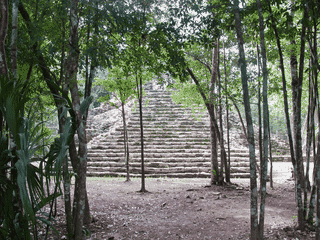

Coba
Mexico, Central America and the Caribbean · Mexico
Did you know?
- Raised sacbeob causeways radiate outward from the ancient city.
- El Bocadillo serves local dishes while doubling as the bus station.
- Bicycle rickshaws offer a way to explore the archaeological site.
See also
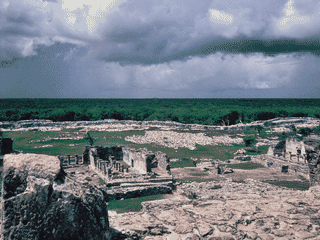

Tulum
Mexico20.42°N 87.30°W · 12 m
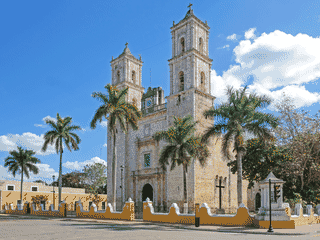

Valladolid
Mexico20.69°N 88.20°W · 23 m
.jpg)
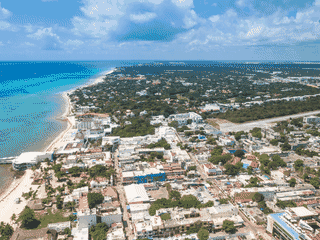
Playa del Carmen
Mexico20.63°N 87.08°W · 10 m
Overview
Cobá spreads its Maya temples among jungle trails. Bicycle rides between the building groups give a sense of the ancient city's scale.
Languages: Spanish
Why go?
Cobá is one of the largest Maya city-states ever discovered, sprawling across 80 km² with an estimated peak population of 50,000. Unlike the crowds at Chichen Itza, Cobá remains lightly developed—you'll feel the jungle reclaiming stone temples as you pedal dusty trails between groups. The 42 m Nohuch Mul pyramid is the tallest Mayan structure in the Yucatan, and climbing its steep stairs (allowed again since 2025) offers sweeping jungle views no photo can capture. The network of high sacbeob roads radiating outward gives a visceral sense of how this city once connected the Maya world.
Adapted from Wikivoyage contributors · CC BY-SA 4.0
Getting in
Drive from Tulum (approx. 45 minutes) on the inland road, passing through small Mexican villages with local food and handicraft stops. ADO buses run every morning from Cancún (3 hr), Playa del Carmen (2 hr), and Tulum (1 hr), with afternoon returns at 13:30 and 15:30. The Tulum-to-Cobá bus with Oriente departs daily at 08:36, 09:36, 15:36, 18:37 for M$61 from the ADO bus station. Buses stop directly outside the park entrance, where a small restaurant doubles as the ticket office.
Adapted from Wikivoyage contributors · CC BY-SA 4.0
Getting around
The main pyramid sits over 2 km from the entrance—bicycles are essential and rent for M$80 (September 2025). Bicycle rickshaws with drivers are also available for those preferring a guided ride. Note that tall visitors may struggle to find suitably sized bikes, and bicycles cannot go onto the ruins themselves, so a short walk at each building group is inevitable. Local guides are available for walking or biking tours and are extremely knowledgeable about the site.
Adapted from Wikivoyage contributors · CC BY-SA 4.0
When to go
Cobá is open year-round, but temperatures are usually hot and humidity is often very high—bring water, mosquito repellent, a hat, and sturdy shoes. The site is less crowded in the early morning. An evening special visit is offered for M$225 for those who want a different perspective. Mexican citizens enter free on Sundays and national holidays.
Adapted from Wikivoyage contributors · CC BY-SA 4.0
Where to stay
Several small hotels are available in the local pueblo, some within walking distance of the archaeological site. Hotel Itza Coba (Calle 7, esquina con Calle 6) offers comfortable mid-range rooms with swimming pool, breakfast included, and WiFi from M$1,000 (Jan 2024). For luxury, Coqui Coqui Coba Residences & Spa (Carretera Costera Laguna Lado Sur) provides rustic stone-walled rooms with bathtubs and gourmet dining from M$5,000.
Adapted from Wikivoyage contributors · CC BY-SA 4.0
Food and drink
Simple snack bars and cold beverage stands are at the site entrance and near the Nohoch Mul group. El Bocadillo in Cobá pueblo doubles as the bus station, serving simple local dishes at remarkably low prices despite its tourist location. The small pueblo near the ruins has a handful of small restaurants for sit-down meals. Bring your own water and snacks if you plan to spend several hours exploring.
Adapted from Wikivoyage contributors · CC BY-SA 4.0
Things to do
The Nohuch Mul pyramid (42 m / 138 feet) is the main draw—climbing was prohibited since 2020 but INAH resumed access in 2025, rewarding visitors with panoramic jungle views. Other highlights include the Iglesia temple (75 steep steps, closed for climbing), an astronomical observatory, at least two ball courts, and a gallery of carved stellae telling the city's story. Buildings are clustered in groups: Grupo Cobá, Grupo Nohoch Mul, and Grupo las Pinturas. Architecture blends elements from Petén sites like Tikal and Puuc sites like Uxmal, with rounded corners and arches. The sacbeob network radiating outward is one of the most archaeologically fascinating features.
Adapted from Wikivoyage contributors · CC BY-SA 4.0
Buy
The small pueblo near the ruins has restaurants and shops selling local crafts. The Yucatan Maya are known for woven handicrafts including hats, baskets, birdcages, and furniture. Small towns between Coba and Tulum have weaving workshops welcoming visitors. The best spot is the small Mayan village of Francisco Uh May, with dozens of artisan workshops specializing in woven furniture, carved wood, and locally woven cloth—plus a few spas and guest houses for off-the-beaten-path stays.
Adapted from Wikivoyage contributors · CC BY-SA 4.0
Connectivity
WiFi is available at upscale hotels like Coqui Coqui Coba Residences & Spa, but connectivity is limited at the ruins site itself. The pueblo has basic services but expect spotty coverage in the jungle areas. There are no specific SIM card details for Coba in this article; travelers should arrange data plans before arriving or in Tulum.
Adapted from Wikivoyage contributors · CC BY-SA 4.0
Safety
Cobá is generally safe for visitors. In Lake Coba, crocodiles may be visible on the lake shore well below the road—observe from a distance. Trails are unpaved and uneven, so sturdy shoes are essential. Mosquito repellent is strongly recommended given the jungle environment. Tall visitors should note that suitable-height bicycles may be difficult to find.
Adapted from Wikivoyage contributors · CC BY-SA 4.0
Go next
Tulum is the closest major destination (44 km southeast, 1 hr by bus) with its famous beaches, ruins, and cenotes. The Sian Ka'an Biosphere Reserve offers nature experiences to the south. Valladolid (in the Yucatan interior) provides colonial architecture and cenote swims. The road between Coba and Tulum passes through Francisco Uh May, worth a stop for artisan workshops. From here, you can connect to Chichen Itza (90 km west) or continue along the Riviera Maya coast.
Adapted from Wikivoyage contributors · CC BY-SA 4.0
Field guide adapted from Wikivoyage contributors · CC BY-SA 4.0. Text has been adapted and organized for this guide. About our sources.
Places to know
A few starting points from the guide. Check current hours and prices before you go.
- sleep
Coqui Coqui Coba Residences & Spa
Upscale luxury hotel for the demanding guest. Rustic ambiance with stone walls, walkways, and patios. Some rooms have fireplaces, some have his and her bathtubs. Gourmet dining in the restaurant or served in your room. Parking available, WiFi.
Recorded price: M$5000
Adapted from Wikivoyage contributors
- sleep
Hotel Itza Coba
Comfortable moderate hotel with modern amenities and spacious rooms. Breakfast is available. Hammocks available in rooms. Swimming pool on site. WiFi available.
Recorded price: M$1000 (Jan 2024)
Adapted from Wikivoyage contributors
- eat
El Bocadillo
Simple local dishes at remarkably low prices, located in Cobá pueblo right at the bus station.
Adapted from Wikivoyage contributors
- eat
Snack bars at ruins entrance
Cold beverages and snacks available at the site entrance and near the Nohoch Mul group.
Adapted from Wikivoyage contributors
- see
Ball courts
At least two ball courts at the site, part of the classic Mesoamerican game infrastructure.
Recorded price: Included in M$100 park entrance
Adapted from Wikivoyage contributors
- see
Nohuch Mul pyramid
At 42 m (138 ft), the tallest Mayan structure in the Yucatan; climbable again since 2025 with steep stairs and sweeping jungle views.
Recorded price: Included in M$100 park entrance
Adapted from Wikivoyage contributors
- see
Sacbeob roads
Network of high ancient roads radiating outward from Cobá to other Maya cities—thought of as the Maya interstate highway system.
Recorded price: Included in M$100 park entrance
Adapted from Wikivoyage contributors
- see
The Iglesia
Partially restored temple with 75 steep stone steps and a platform for ceremonial offerings at the top; architectural gem near the site entrance.
Recorded price: Included in M$100 park entrance
Adapted from Wikivoyage contributors
Before you go
Accommodation
Small hotels in the local pueblo offer budget to mid-range options. Hotel Itza Coba has rooms from M$1,000 with pool and breakfast. Luxury option Coqui Coqui Coba Residences & Spa from M$5,000.
Entry
Park entrance is M$100 (November 2022). Evening special visit is M$225. Mexican citizens enter free on Sundays and national holidays. Pyramid climbing resumed in 2025.
Food
Simple snack bars at the ruins entrance; El Bocadillo in the pueblo offers cheap local dishes near the bus station. Bring your own water and snacks for longer exploration.
Money
Only cash is accepted at the park entrance. ATMs and exchange offices are available on the square in front of the entrance. Budget M$100 for entrance and M$80 for bike rental.
Packing
Bring water, mosquito repellent, a hat, and sturdy shoes. The site is hot and humid with unpaved trails. Bicycle rental is M$80 but tall visitors may struggle to find suitable-height bikes.
Transport
ADO buses from Cancún (3 hr), Playa del Carmen (2 hr), and Tulum (1 hr) stop directly outside the park. Afternoon return buses at 13:30 and 15:30. Tulum-Cobá Oriente bus: M$61.