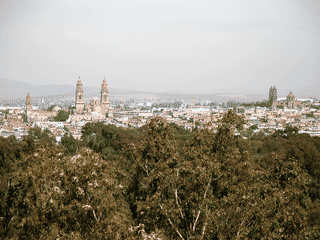

Morelia
Mexico, Central America and the Caribbean · Mexico
Did you know?
- Alfredo Zalce's murals decorate the Palacio del Gobierno.
- The Museo de Dulces offers candy-making demonstrations.
- Sopa Tarasca combines pureed beans, pasilla chiles and sour cream.
See also
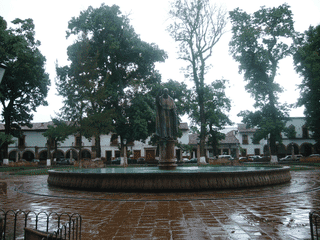

Patzcuaro
Mexico19.51°N 101.62°W · 2,140 m
Overview
Morelia's preserved colonial center is a UNESCO World Heritage site. Its walkable streets suit an unhurried exploration of the historic core.
Languages: Spanish
Why go
Morelia is one of Mexico's most beautifully preserved colonial cities and a UNESCO World Heritage site, yet it remains off the beaten tourist path. The entire historical center is walkable, clean, and safe by Mexican standards. The city serves as an ideal base for exploring Michoacán's cultural treasures—the monarch butterfly reserves, Patzcuaro, and Lake Pátzcuaro—while offering excellent regional cuisine (Sopa Tarasca, Enchiladas Morelianas, uchepos), affordable hotels, and a lively university-town atmosphere where being a foreign visitor still feels novel in a positive way.
Adapted from Wikivoyage contributors · CC BY-SA 4.0
When to go
Morelia has a pleasant climate year-round with temperatures ranging from 23°C in winter to 30°C in spring. The rainy season runs June through September, with July and August seeing 140-180mm of rainfall. Key festivals include a regional foods festival in late fall, Day of the Dead celebrations centered on the cathedral in early November, and various music and cultural festivals throughout the year. Monarch butterfly season (November to March) draws visitors to nearby reserves.
Adapted from Wikivoyage contributors · CC BY-SA 4.0
Getting in
Morelia International Airport handles daily international flights from Los Angeles and domestic connections. The Terminal de Autobuses Morelia is one of the nicest bus stations in Mexico—large, modern, and spotlessly clean—served by first-class, ejecutivo-class, and second-class bus lines with frequent departures to Mexico City, colonial cities throughout Central Mexico, Zamora de Hidalgo, Toluca, and beyond. Major carriers operate from this hub.
Adapted from Wikivoyage contributors · CC BY-SA 4.0
Getting around
Most attractions lie within the walkable Centro Histórico. Combis (also called colectivos or peseros) are small vans running continuously along popular routes throughout the city for 9 pesos as of February 2024. Get in, grab a handle, and pass your money to the driver (or ask a fellow passenger to pass it: "Si no le molesta, por favor"). Use the buzzer above your head or say "en la próxima esquina, por favor" for your stop. Taxis operate on zone fares—always confirm price before entering. Uber is available and can be scheduled in advance through the app. Driving is challenging due to heavy horn use, but an "uno y uno" protocol is respected at intersections.
Adapted from Wikivoyage contributors · CC BY-SA 4.0
Where to stay
Morelia offers excellent value across all budgets. Moderate hotels charge around M$1,000 per night as of early 2024, hostels can be found for M$400, and ultra-luxury properties top out around M$4,000. La Casa Azul is the city's only dedicated backpacker hostel with a central location and friendly staff. Hotel Allende offers dorm-style bunks from US$10 and private rooms from US$15. For colonial character, consider Hotel De La Soledad (opened 1752) or Hotel Virrey de Mendoza with its old-world charm and outdoor dining in historic portals. Request rooms away from busy streets to avoid the constant horn honking.
Adapted from Wikivoyage contributors · CC BY-SA 4.0
Food and drink
Morelia is one of the most exciting destinations in Mexico for innovative yet traditionally based cuisine—avoid chain restaurants and seek out local establishments. Regional specialties unique to Morelia and Michoacán include Sopa Tarasca (pureed bean soup with pasilla chiles and sour cream), Enchiladas Morelianas (chicken and potato enchiladas with guajillo chile), and uchepos (sweet corn tamales). Budget-friendly options include Cocina Económica Virrey and late-night spots like Hamburguesas las Tradicionales de las Tarascas. The Mercado Independencia offers authentic regional foods alongside produce and meats. For nightlife, venues come alive around 23:00; try Manglar for rooftop mojitos or La Brü Pub for local craft beer.
Adapted from Wikivoyage contributors · CC BY-SA 4.0
Things to do
The baroque Cathedral dominates the centro and covers more than two city blocks with flying buttresses and tiled cupolas. The Casa Natal de Morelos and Casa de Morelos chronicle hometown hero José María Morelos y Pavón. The Palacio del Gobierno houses murals by Alfredo Zalce. The Museo de Arte Colonial is free and features 18th-century paintings. The aqueduct on Avenida Acueducto dates to the 17th century. The Museo de Dulces offers candy demonstrations. Nature lovers can visit Parque Nacional Insurgente José María Morelos (7,000 hectares, 23 km east on MEX 15) for hiking, zip lines, and horseback riding. Listen to the Morelia Boys Choir at the Conservatory of the Roses (modeled on the Vienna Boys Choir).
Adapted from Wikivoyage contributors · CC BY-SA 4.0
Day trips
Patzcuaro is an easy one-hour bus ride away—a tranquil, artistic town that is the center of Mexico's Day of the Dead tradition and a great source for authentic popular art from surrounding indigenous towns. Monarch Butterfly Reserves are a 4-hour drive; tours can be arranged through hotel concierges, or hire a private guide with sedan for about M$2,000 for a full day (up to 3 people). Lake Pátzcuaro and surrounding artisan villages make for another excellent excursion. The route box lists Zamora de Hidalgo to the west and Toluca to the east via federal highway 15.
Adapted from Wikivoyage contributors · CC BY-SA 4.0
Safety
Although Michoacán state has a deserved reputation for cartel violence, the drug cartels operate mostly in rural areas. Morelia is a world apart from cartel violence and quite safe by Mexican standards—travelers are unlikely to encounter security issues. Take standard large-city precautions: avoid walking alone late at night and be more wary in far-flung suburban areas. Drivers are courteous to pedestrians and usually obey traffic laws, though they honk constantly. Request a hotel room away from the street if you want rest.
Adapted from Wikivoyage contributors · CC BY-SA 4.0
Connectivity
Internet speed is good if not perfect. Acquire a SIM card at the large Telcel store on Av. Francisco I. Madero (walk west from the cathedral until you hit C. León Guzmán). 5G cell service is available in town. WiFi is available at restaurants like Tacopolis La Huerta. The old building at La Casa Azul hostel has limited WiFi.
Adapted from Wikivoyage contributors · CC BY-SA 4.0
Budget
Morelia is very affordable. Hostel dorms from M$400, mid-range hotels around M$1,000, meals at local restaurants 50-150 pesos, combi rides 9 pesos, regional bus tickets economical. Daily backpacker budget of M$600-900 covers accommodation, food, and local transport.
Adapted from Wikivoyage contributors · CC BY-SA 4.0
Go next
Morelia is an excellent gateway for cultural and outdoor adventures throughout Michoacán. The Monarch Butterfly Reserves (November-March) are a 4-hour drive. Patzcuaro is one hour by bus. Lake Pátzcuaro and surrounding indigenous artisan villages are within easy reach. Bus connections run west to Zamora de Hidalgo and east toward Toluca and Mexico City.
Adapted from Wikivoyage contributors · CC BY-SA 4.0
Field guide adapted from Wikivoyage contributors · CC BY-SA 4.0. Text has been adapted and organized for this guide. About our sources.
Places to know
A few starting points from the guide. Check current hours and prices before you go.
- eat
Cafe Michelena
A lovely cafe and bookstore, with part-French, part-Mexican cuisine, situated in the heart of the historical center.
Adapted from Wikivoyage contributors
- eat
Cocina Económica Anita
Adapted from Wikivoyage contributors
- eat
Cocina Económica Virrey
Adapted from Wikivoyage contributors
- eat
Condesa
Adapted from Wikivoyage contributors
- eat
D'gusta Pizza
Adapted from Wikivoyage contributors
- eat
Hamburguesas Richard's
Adapted from Wikivoyage contributors
- eat
Hamburguesas las Tradicionales de las Tarascas
A local secret and delicious late-night food spot located just northeast of the historical center. Look for a street stall tucked into a side street, Cal. Universidad de Salamanca, just across from the Poza Rica gas station. It can be a be bit hard to find, but their Mexican-style hamburgers are worth the effort, especially after a night out. Tacos too, of course. Get there before 23:00 to avoid the crowds.
Adapted from Wikivoyage contributors
- eat
Japanese Food Bonsai
Adapted from Wikivoyage contributors
Before you go
Connectivity
5G available. Telcel SIM cards available on Av. Francisco I. Madero. WiFi at cafes and some hostels.
Culture
University town with friendly locals. Being a foreign visitor still feels novel in a positive way. Historical center is clean and walkable.
Food
Sopa Tarasca, Enchiladas Morelianas, and uchepos are regional specialties. Local markets offer authentic regional foods. Excellent culinary value.
Money
Credit cards widely accepted in the centro; load up on pesos for budget eateries and markets as foreign currency is not accepted. ATM availability good in historical center.
Safety
Safe by Mexican standards despite statewide reputation. Standard large-city precautions apply. Drivers courteous to pedestrians.
Transport
Combis cost 9 pesos; taxis operate on zone fares. Confirm taxi price before entering. Uber available. Bus station is modern and offers frequent first-class service to Mexico City.
Visa
Check current visa requirements for your nationality before traveling to Mexico.
Weather
Pleasant climate year-round: 23-30°C. Rainy season June-September (July-August heaviest). Best visibility for monarch butterflies November-March.