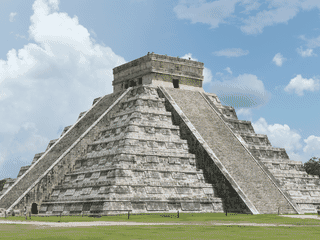

Chichen Itza
Mexico, Central America and the Caribbean · Mexico
Did you know?
- The Descent of Kukulcan is associated with the spring equinox.
- Ik Kil is a nearby cenote used for swimming.
- Clapping at the pyramid's base produces an echo likened to a quetzal bird.
See also
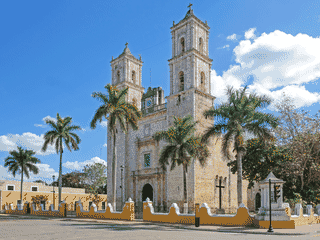

Valladolid
Mexico20.69°N 88.20°W · 23 m
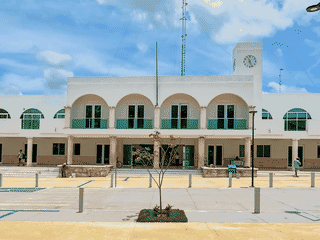

Tizimin
Mexico21.14°N 88.15°W · 20 m
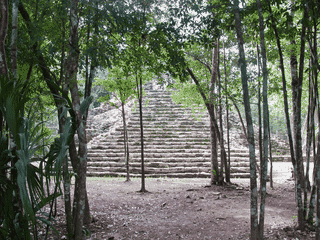

Coba
Mexico20.49°N 87.74°W
Overview
Chichén Itzá invites attention to its pyramid's birdlike echo and the surrounding birdlife. Nearby cenotes such as Ik Kil offer a swimming stop after exploring the ruins.
Languages: Spanish
Why go?
Chichén Itzá is the largest archaeological city of the pre-Columbian Maya civilization in Yucatán, Mexico. It is a UNESCO World Heritage Site and one of the New Seven Wonders of the World. While the ruins are amazing, be prepared for many vendors inside the park, which can be distracting.
Adapted from Wikivoyage contributors · CC BY-SA 4.0
Getting in
Most visitors arrive by bus or car from Cancún (160 km) or Mérida (1.5 hours). The Tren Maya has a full-service station at Chichen Itza on the Cancún-Mérida line.
Adapted from Wikivoyage contributors · CC BY-SA 4.0
Getting around
At the site you get around on foot. Wear sturdy shoes, sunscreen, and a hat. Official guides in white shirts and khaki pants cost 1200 pesos for a 2-hour tour.
Adapted from Wikivoyage contributors · CC BY-SA 4.0
When to go
The site is open year-round but the rainy season (May-October) brings occasional downpours that pass quickly. The spring equinox (March 19-21) features the Descent of Kukulcan with special events. Sundays are free for Mexican nationals so expect larger crowds.
Adapted from Wikivoyage contributors · CC BY-SA 4.0
Where to sleep
Hotels near the ruins include Hotel Dolores Alba (US$35-45), Hacienda Chichen (US$120-160), and Mayaland Hotel (US$88-244). The town of Valladolid, 40 km away, offers a less-touristed base.
Adapted from Wikivoyage contributors · CC BY-SA 4.0
Food and drink
Hacienda Chichen offers regional, international, and vegetarian dishes in a colonial terrace. There are refreshment stands within the site. Drink plenty of bottled water to avoid dehydration.
Adapted from Wikivoyage contributors · CC BY-SA 4.0
Things to do
Clap at the base of the pyramid to hear a quetzal bird echo. Birdwatching is excellent, especially at Hacienda Chichen's refuge. Visit nearby cenotes like Ik Kil for swimming. The nighttime Light & Sound Show projects a video onto El Castillo.
Adapted from Wikivoyage contributors · CC BY-SA 4.0
Stay safe
Be wary of aggressive vendors. Rain during the wet season is common; vendors sell plastic ponchos for M$50. Tripods are forbidden without special permits. Digital cameras with video capability are exempt from additional fees.
Adapted from Wikivoyage contributors · CC BY-SA 4.0
Budget
Entrance fee is M$671 (2025), with an extra M$50 for video cameras. Guided tours cost about 1200 pesos. Budget-conscious travelers can find hotels from US$35 per night.
Adapted from Wikivoyage contributors · CC BY-SA 4.0
Go next
Nearby attractions include Ek Balam, Izamal, Valladolid, and Cancún. Consider visiting other Maya sites and colonial cities in Yucatán.
Adapted from Wikivoyage contributors · CC BY-SA 4.0
Field guide adapted from Wikivoyage contributors · CC BY-SA 4.0. Text has been adapted and organized for this guide. About our sources.
Places to know
A few starting points from the guide. Check current hours and prices before you go.
- sleep
Hacienda Chichen
Boutique Colonial hotel 16th-century Haciendas
Recorded price: US$120-160 single/double, US$165-225 master suite
Adapted from Wikivoyage contributors
- sleep
Hotel Dolores Alba
KM 122 Mérida-Cancún, Free Road (180), 100 rooms, pool, convenient parking, downtown. Be sure to check out both pools - one is based on natural limestone formations and really quite spectacular.
Recorded price: US$35-45
Adapted from Wikivoyage contributors
- sleep
Mayaland Hotel and Bungalows
Rooms ranging from standard hotel rooms to suites or bungalows with jacuzzi or loft. With its own entrance to the ruins. (They own the park, but the government owns the ruins.)
Recorded price: US$88-244.
Adapted from Wikivoyage contributors
- eat
Hacienda Chichen
Offers regional, international and vegetarian dishes, in a 16th-century colonial terrace built with Maya carved stones (appropriated from the archaeological site by Spanish conquerors) overlooking lush tropical gardens. Some of the vegetables and fruits are organically grown by the owners in the south end of the gardens.
Adapted from Wikivoyage contributors
- see
Akab' Dzib
palace with hieroglyphic inscriptions.
Adapted from Wikivoyage contributors
- see
Cenote Ik Kil
Beautiful cenote where you can jump from the "cliff" into the sparkling waters. Changing rooms, showers, lockers available. About 3 km from the archaeological site.
Recorded price: M$400
Adapted from Wikivoyage contributors
- see
Cenote of Sacrifice
Adapted from Wikivoyage contributors
- see
El Caracol
circular temple on a rectangular platform, also sacred to Kukulcan, served as an astronomical observatory. File:Chichenitza MX - El Caracol -Observatory.jpg
Adapted from Wikivoyage contributors
Before you go
Entry fee
Entrance to Chichen Itza costs M$671 for foreigners (2025), free for children under 13 and on Sundays for Mexican nationals.
Guide
Official guides cost 1200 pesos for a 2-hour tour.
Rain
Rainy season brings quick downpours; plastic ponchos sold for M$50.
Vendors
Many vendors inside the park can be loud and aggressive; always negotiate prices.
Video
Video cameras incur an extra M$50; digital cameras with video are exempt. Tripods are forbidden without prior permit.