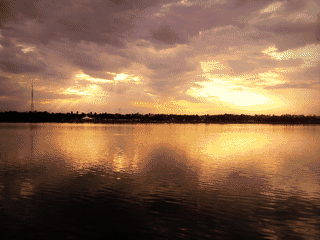

Tampico
Mexico, Central America and the Caribbean · Mexico
Did you know?
- Laguna del Carpintero is home to crocodiles.
- Torta de la barda sandwiches can contain over 12 toppings.
- The Old Maritime Customs House showcases the city's history.
See also
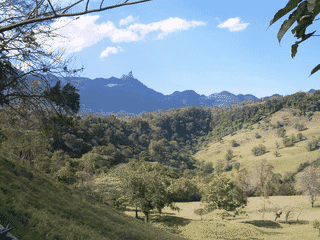

Xilitla
Mexico21.38°N 98.99°W · 654 m
Ciudad Valles
Mexico21.98°N 99.01°W · 85 m
Overview
Tampico's historic squares feature wrought-iron balconies and distinctive architecture. Local cooking adds another reason to linger, especially the generously filled torta de la barda.
Languages: Spanish
Why Go
Tampico is a city rising from the ashes of the Mexican drug war, with redevelopment projects lending many areas a modern, upscale feel. Unlike much of rest of Mexico, expect locals to shout "qué tal?" as you walk by, approaching you out of sheer curiosity. The city is famous for its architecture—particularly the wrought-iron balconies of its colonial squares—as well as its food, including the legendary torta de la barda, a sandwich with over 12 toppings.
Adapted from Wikivoyage contributors · CC BY-SA 4.0
Getting In
Tampico International Airport (Aeropuerto Internacional General Francisco Javier Mina) serves the city with flights. The Tampico Central Bus Station connects to regional destinations. Driving to Tampico may be ill-advised due to criminal activity in other parts of Tamaulipas; safer to fly.
Adapted from Wikivoyage contributors · CC BY-SA 4.0
Getting Around
Driving is the easiest way to travel around Tampico. Speed limits and red lights are enforced—other laws tend to be rather lax. Taxis are relatively safe at any time of day or night, and Uber and Didi ride-hailing services are available. Carros de ruta (shared taxis on fixed routes) cost around M$10 per ride as of March 2022. To reach the beach, ask locals where to catch the "Tampico-Playa" carro. Water taxis operate along the shore east of the city center for crossing the river.
Adapted from Wikivoyage contributors · CC BY-SA 4.0
When to Go
Spring and autumn offer reasonably pleasant weather. Summers are hot with average highs of 32°C (90°F) in August and heat indices reaching 40°C (104°F). Winters are pleasantly cool with average January highs of 23°C (73°F) and lows of 13°C (58°F). Rainfall is frequent from May through September. Autumn and winter are affected by cold fronts bringing high winds of 50 km/h with gusts of 70-80 km/h.
Adapted from Wikivoyage contributors · CC BY-SA 4.0
Where to Stay
Budget hotels of passable quality are hard to come by in Tampico. For the best deals on centrally-located accommodation, check out home stay websites such as Airbnb. Hotels tend to be spread further away from the city center than in other Mexican cities, catering to the drive-in crowd from Monterrey.
Adapted from Wikivoyage contributors · CC BY-SA 4.0
Food and Drink
Tampico is known for its food. Seafood is important in the city. Local specialties include the "torta de la barda" (a sandwich with over 12 toppings), "jaibas rellenas" (stuffed crabs), the famous "tampiquena" (a steak with refried beans), and "entomatadas" (tortillas with tomato sauce and cheese). Near the Old Maritime Customs House (Ex Aduana Maritima) is a zone of torta restaurants popular among locals and tourists alike. For sit-outside-and-enjoy-a-beer type, there are restaurants and cafes along the southern edge of the Plaza de Armas with outdoor seating, and bars and restaurants along Playa Miramar.
Adapted from Wikivoyage contributors · CC BY-SA 4.0
Things to Do
The city offers diverse attractions: Plaza de Armas and Plaza de la Libertad are colonial squares with nearby markets and historic buildings. The Cathedral of Tampico was built in the late 19th century in neoclassical style. Laguna del Carpintero is the central park—don't bring a bathing suit as the lagoon is full of crocodiles. The Huasteca Culture Museum (M$65, daily 10:00-18:00) has over 1800 archaeological pieces. The Old Maritime Customs House (M$15, W-Su 10:00-16:00) showcases city history with free guided tours in English. Las Escolleras is a long pier at Playa Miramar with a WWII memorial. Boat tours of the Canal de la Cortadura cost M$50 for adults (M$25 children), W-Su, lasting 40 minutes amongst crocodiles. Kayaks can be rented at Fray Andrés de Olmos Park for Chairel Lagoon.
Adapted from Wikivoyage contributors · CC BY-SA 4.0
Safety
Tampico was devastated by the Mexican drug war in the 2010s but has since recovered and is now considered one of the safest cities in Mexico. While the same cannot be said for the rest of Tamaulipas, Tampico and its surrounds are secure. Criminal elements continue to be active in other parts of Tamaulipas, so driving to Tampico may be ill-advised—safer to fly. The usual caution about dark streets at night applies.
Adapted from Wikivoyage contributors · CC BY-SA 4.0
Connectivity
Internet speed is excellent in Tampico. A phone SIM card can be acquired at a store on Francisco I. Madero street, one block south of the Plaza de Armas.
Adapted from Wikivoyage contributors · CC BY-SA 4.0
Budget
Daily backpacker budget in Tampico is relatively low. Meals at local markets and street food tortas cost M$30-100. Shared taxi rides around M$10. Museums range M$15-65. Accommodation via Airbnb offers the best central deals.
Adapted from Wikivoyage contributors · CC BY-SA 4.0
Day Trips
Aldama is a town two hours north of Tampico renowned for its cenotes. Tamuín and Tuxpan are other nearby destinations worth exploring.
Adapted from Wikivoyage contributors · CC BY-SA 4.0
Go Next
Aldama (two hours north) is renowned for cenotes. Other onward destinations include Monterrey, Tamuín, and Tuxpan.
Adapted from Wikivoyage contributors · CC BY-SA 4.0
Field guide adapted from Wikivoyage contributors · CC BY-SA 4.0. Text has been adapted and organized for this guide. About our sources.
Places to know
A few starting points from the guide. Check current hours and prices before you go.
- eat
AZOTEA 42
Enjoy a cocktail while gazing out over the Carpintero Lagoon.
Adapted from Wikivoyage contributors
- eat
El Gran Pipián
A great spot for breakfast. Good enchiladas as well.
Adapted from Wikivoyage contributors
- eat
El Muelle
Another excellent seafood restaurant. Very busy on weekends.
Adapted from Wikivoyage contributors
- eat
Jardín Corona
An elegant Argentinian restaurant on the pricier side. Excellent seafood and empanadas.
Adapted from Wikivoyage contributors
- eat
La Sevillana
A bar and restaurant serving local specialties such as jaibas de rellenas.
Recorded price: M$120-$200 mains
Adapted from Wikivoyage contributors
- eat
Los Curricanes
Los Curricanes has fantastic.. you guessed it. Seafood. The service is fantastic as well.
Adapted from Wikivoyage contributors
- eat
Mercado Municipal de Tampico
Tons of cheap dining options inside the market. Take your pick.
Adapted from Wikivoyage contributors
- eat
Restaurante Don Churrasco
A buffet restaurant where you can drink a beer with a great view of the Plaza de la Libertad. However, service can be slow and the food.. questionable.
Adapted from Wikivoyage contributors
Before you go
Connectivity
Internet speed is excellent. SIM cards available on Francisco I. Madero street one block south of Plaza de Armas.
Culture
Locals called 'Jaibas' (crabs). Very friendly—expect people to approach you out of curiosity. English rarely spoken even by hotel staff.
Food
Famous for torta de la barda (12+ topping sandwich), jaibas rellenas (stuffed crabs), tampiquena steak, and fresh seafood.
Money
Local currency is Mexican Peso (M$). Budget tortas start around M$40. Museum admissions range M$15-65.
Safety
Tampico is now one of the safest cities in Mexico, though driving from other parts of Tamaulipas is ill-advised. Fly instead.
Transport
Taxis and ride-hailing (Uber, Didi) are safe. Shared taxis (carros de ruta) cost M$10. Water taxis available for river crossing.
Weather
Hot humid summers to 40°C heat index. Pleasant winters (13-23°C). Rain May-September. Strong cold fronts in autumn/winter with 70-80 km/h gusts.