Overview
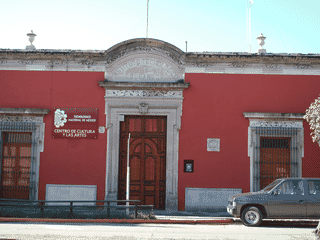
Mazatlán pairs a restored historic center with a lively malecón and varied beaches. Its old streets and Golden Zone resorts give travelers contrasting coastal settings.
Beach · Food · Architecture
Did you know?
- Cliff divers perform at El Clavadista near Olas Altas Beach.
- Marlin joins shrimp and crab in the local seafood taco repertoire.
- Open-air pulmonía taxis are an emblem of the city's streets.
Why go?
Mazatlán offers Mexican resort charm without Mexican resort prices, drawing Canadian and American retirees and vacationers to its restored Centro Histórico, lively malecón, and diverse beaches. The city combines 18th-century colonial architecture with modern Golden Zone resorts, plus a renowned February carnival said to be one of the world's largest. Unlike aging Pacific coast competitors, Mazatlán maintains authentic character with German-influenced banda music heritage and Pacifico's local brewery tradition dating to 1900.
Getting in
General Rafael Buelna International Airport (IATA: MZT) serves direct flights from Los Angeles, San Francisco, Portland, Houston, Dallas, Phoenix, Denver, Calgary, Edmonton, Toronto, Vancouver, and other cities. Major Mexican domestic airlines and regional carrier Señor Air operate routes. The Central de Autobuses de Mazatlán handles intercity bus connections at Río Pánuco & José Angel Espinoza Ferrusquilla. Cruise ships and ferries to La Paz on the Baja California peninsula dock at Terminal Marítima Mazatlán in Playas del Sur.
Getting around
The Centro Histórico is walkable and pleasant for pedestrians, while the wider city requires motorized transport. Local buses serve all areas cheaply, and pulmonía taxis (open-air golf carts) are iconic. Rideshare apps work in the city. The Golden Zone beaches are north of downtown, requiring a short drive or taxi ride.
When to go
The dry season runs November through June, with average temperatures of 25°C; summer brings humidity that makes outdoor activity uncomfortable despite similar thermometer readings. January and February can be cool for beach weather and coincide with spring break crowds. The Carnaval de Mazatlán in February shuts down streets for five days of live bands and vendors. Winter months draw Canadian and American retirees seeking warmth.
Where to stay
Budget travelers should target the Centro Histórico, where Aguacate Suites offers suites from M$650/night near Plaza Machado and Hotel La Siesta provides ocean views from M$1200/night on Olas Altas. Mid-range options include Gamma Mazatlán from M$1600/night in the city center and Gaviana Resort in the Golden Zone from M$2145/night. The El Cid Resorts complex offers four hotels from M$2000-4000/night with golf, tennis, pools, and multiple restaurants. January and February see the best value; summer/off-season discounts are common.
Food and drink
Mazatlán excels at seafood—try crab, shrimp, and marlin tacos at Mariscos Chón for M$100-150 for four tacos, or head to Tacos Y Tortas Ahogadas El Mono for tacos at M$30-40 each. Mercado Pino Suárez in the historic center offers local produce and handcrafts alongside street food. Pacifico beer costs M$15-20 at bars, or M$10 for cans at a deposito. Upscale dining in restored Centro courtyards includes El Presidio Cocina de México (M$200-400 mains) and Topolo with its red-walled garden. The city is known as a party destination with bars like Joe's Oyster Bar offering 2-for-1 beers around M$40.
Things to do
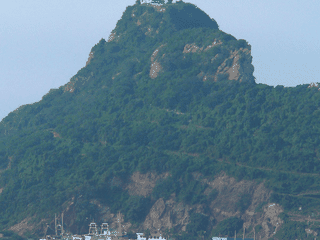
Hike to El Faro, the world's highest natural lighthouse at 155m above sea level (M$30 entry, 06:00-17:45), for panoramic city views. Visit the Cathedral of the Immaculate Conception (finished 1899) with its unique Star of David symbol from a Jewish donor family. Watch cliff divers perform at El Clavadista near Olas Altas Beach. Explore Plaza Machado's restored Teatro Ángela Peralta and nearby art galleries. At Playa Norte, see the Fishermen's Memorial (monkeys bichis) and bronze pulmonía taxi along the boardwalk. February's Carnaval de Mazatlán is a five-day street festival. Sports fans can catch Liga MX soccer at Estadio El Encanto (built 2020, seats 25,000) or winter league baseball at Estadio Teodoro Mariscal since 1945. Day trips include Stone Island (Isla de la Piedra) via ferry from Embarcadero Playa Sur.
Safety
Standard large-city precautions apply: walk in groups after dark and avoid displaying jewelry or expensive clothing. The Centro Histórico and Golden Zone have well-lit areas but incidents including chain-snatching and knife-point robbery have been reported near Valentinos Disco in the Golden Zone even when crowded. Outside Mazatlán, rural Sinaloa is heavily impacted by drug trade activity. On beaches, white flags indicate jellyfish presence—bring vinegar for stings; red flags signal dangerous conditions. Lifeguard stands exist but are rarely staffed. Swim at patrolled areas and heed flag warnings.
Connectivity
Mobile coverage comes from AT&T/Unefon, Telcel (5G available but spotty), and Movistar. Major telecommunications towers atop Cerro de la Nevería are visible throughout the city. SIM cards are readily available for tourists. Most hotels and restaurants offer free WiFi.
Budget
Mazatlán offers Mexico's best resort value. Budget travelers can eat tacos for M$30-150, stay at basic hotels from M$650/night, and use local buses. Mid-range needs M$1500-2500/night for comfortable accommodation plus M$300-600 daily for meals and activities. Beachfront resort stays run M$2000-4000/night.
Day trips
Stone Island (Isla de la Piedra) offers a quieter beach escape accessible by ferry from Embarcadero Playa Sur in the city's south. The Estrella Del Mar resort, 10 minutes from the airport and 40 minutes south, includes a sea turtle sanctuary and 18-hole golf course. El Faro lighthouse hike provides panoramic views without leaving the city.
Etiquette
Mexican hospitality norms apply—greet with a handshake or light embrace with acquaintances. Beach attire is fine at resorts and beaches but cover up when leaving the waterfront. Tipping 10-15% at restaurants is customary. Dress modestly when visiting churches like the Cathedral of the Immaculate Conception.
Go next
Ferries connect Mazatlán to La Paz on the Baja California peninsula (tranquil beaches). Highway 40D to Durango traverses the Sierra Madre Occidental through 68 tunnels and 115 bridges including the famous Baluarte Bridge—one of Mexico's most spectacular drives. Copper Canyon train excursions depart from the area. Nayarit's Riviera offers additional Pacific beach options. Bus connections run north to Culiacán (capital of Sinaloa) and south to Tepic.
Guide text adapted from Wikivoyage contributors under CC BY-SA 4.0.
Where to start
Eat
Chile's Pepper
Good atmosphere and often busy (a good sign).
Price when recorded: M$180-300 mains
Eat
El Pargo y La Vaca
Excellent service and a great spot to stop after a long walk on the beach.
Price when recorded: M$200-400 mains
Eat
El Presidio Cocina de México
You can't tell from the outside but you must visit this amazing restaurant in Centro, the courtyard is in a 100+ year old building that has been amazingly restored. Mexican food.
Price when recorded: M$200-400 mains
Eat
El Velero
Seafood restaurant with a lovely tranquil location on the Isla de la Piedra (Stone Island).
Price when recorded: M$150-300 mains
Eat
Hector's Bistro
A high end European restaurant with some amazing food in Centro.
Price when recorded: M$300-700 mains
Eat
La Marina
Buffet and à la carte service. Reservations required.
Eat
La Mona Pizza
In the centro.
Eat
La Mona Pizza Bar
In the Golden Zone.
Before you go
Connectivity
Telcel offers 5G but coverage is spotty. AT&T/Unefon and Movistar also available. Free WiFi common at hotels and restaurants.
Food
Seafood is the specialty—try camarones (shrimp) tacos and Pacifico beer. Street food in Centro Histórico offers best value. February carnival brings food vendors to old Mazatlán streets.
Money
Mexican Peso (MXN) is the local currency, often shown as M$. Credit cards accepted at hotels and restaurants but carry cash for markets and street food. ATMs widely available.
Safety
Standard city precautions—avoid displaying valuables, walk in groups at night. Jellyfish common in summer (white flags). Sinaloa drug trade affects rural areas outside city.
Transport
Central de Autobuses de Mazatlán handles intercity buses. Local buses are cheap. Airport (MZT) has domestic and US/Canada connections. Ferries to Baja California from Terminal Marítima.
Weather
Tropical climate with dry season November-June. Average 25°C year-round but summer humidity makes it feel hotter. January-February can be cool for beach weather.