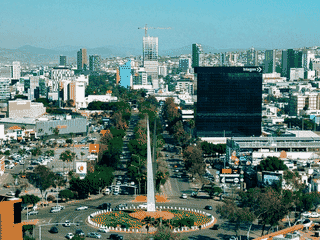

Tijuana
Mexico, Central America and the Caribbean · Mexico
Did you know?
- Carne asada tacos are a signature of the local food scene.
- El Popo Market is a local shopping landmark.
- Xolos soccer matches take place at Estadio Caliente.
See also
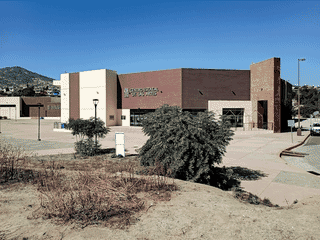

Tecate
Mexico32.57°N 116.63°W · 522 m
..jpg)
Ensenada
Mexico31.78°N 116.60°W · 30 m
Playas de Rosarito
Mexico32.35°N 117.05°W · 412 m
San Diego
United States32.72°N 117.15°W · 129 m
Overview
Tijuana sits across the border from San Diego, with an energetic arts and culinary scene. Tacos and craft breweries are central to its appeal.
Languages: Spanish
Why Go?
Tijuana sits just across the border from San Diego, making it the most accessible Mexican destination for US travelers. The city has transformed from a rough-edged border town into a cosmopolitan destination with thriving arts and culinary scenes. Visitors find world-class tacos, acclaimed craft breweries, and the only seaside bullring in the world. The city attracts day-trippers seeking authentic Mexican culture without the airfare, plus those interested in the famed Zona Norte red light district.
Adapted from Wikivoyage contributors · CC BY-SA 4.0
Understand
Tijuana has a population of over 1.6 million as of 2024, forming the largest metropolitan area on the US-Mexico border with San Diego (4.5 million combined). The city has a growing middle class and significant wealth disparity, with shantytowns housing deported migrants alongside upscale neighborhoods. Frequent English-speaking visitors use the term 'gringo-friendly' for establishments where non-Spanish speakers will feel comfortable—these have English menus and English-speaking staff. While the Mexican peso is legal currency, US dollars are widely accepted throughout Tijuana and Baja California.
Adapted from Wikivoyage contributors · CC BY-SA 4.0
Climate
Tijuana enjoys a warm climate year-round. Average daytime temperatures range from 68°F (20°C) in January to 86°F (30°C) in August. The rainy season is short and mild, with yearly averages of only about 10 inches (254 mm) of rainfall, occurring from late winter to early spring.
Adapted from Wikivoyage contributors · CC BY-SA 4.0
Talk
Spanish is the dominant language in Tijuana, but English is spoken by nearly everyone in tourist areas like Avenida Revolución, by taxi drivers, and by the American residents who live in the city. Having Spanish skills will be helpful when venturing away from the main tourist zones. Due to cultural proximity to San Diego and Los Angeles, many locals grew up watching American TV (PBS, NBC, CBS, ABC) in the 1970s-80s, giving the city an edge in English proficiency.
Adapted from Wikivoyage contributors · CC BY-SA 4.0
Get In
Most tourists enter Tijuana through the San Ysidro border crossing in California, which is by some measures the busiest border crossing in the world. The crossing can be made by car, bus, or on foot. For a six-month visa, show your passport at the border, fill out a form, and pay about US$20 if staying more than a week. Any visitor planning to return to the United States must have a passport; US citizens can also use a passport card or SENTRI card.
Adapted from Wikivoyage contributors · CC BY-SA 4.0
Get Around
Yellow cabs are abundant and wait immediately at the San Ysidro border crossing. Always negotiate the price before entering—expect to pay no more than US$5 to reach downtown from the border in normal traffic. Taxi Libre (white with red stripe) cabs have meters and cost about half as much as yellow cabs. Yellow cabs may try to divert you to businesses where they earn commissions; Taxi Libre drivers do not engage in this practice as they are independent contractors. A commuter railway system was under construction, expected to open in 2024.
Adapted from Wikivoyage contributors · CC BY-SA 4.0
Where to Stay
Tijuana offers accommodations across all price ranges. Zona Río has become a 'second downtown' with luxury highrise hotels, the Central Business District, upscale shopping, and city hall. Budget travelers should look to Zona Centro and adjacent Zona Norte (north of Calle 2a/Benito Juarez), though some hotels in these areas may cater to couples seeking hourly rates. Security varies significantly—pilfering of items left in rooms has been reported at budget establishments.
Adapted from Wikivoyage contributors · CC BY-SA 4.0
Food and Drink
Tijuana's food scene ranges from world-class restaurants to locals-only eateries and street vendors. The city is famous for its filled taco shops serving what many consider the best carne asada tacos in the world. Street vendors also sell churros and 'hot dog' imitations. Bol Corona, founded in the 1930s and popularized among American tourists during Prohibition, remains a must-visit for inexpensive, high-quality Mexican cuisine. The city also has a large Chinese population, leading to excellent Chinese food. Tijuana has a thriving craft brewing scene with Cerveceria Tijuana (brewing Eastern European-style lagers on Blvd. Fundadores), Cerveceria Insurgente, Cerveceria Norte (dark porter), and Border Psycho Brewing. Wine tasting rooms downtown feature wines from the Valle de Guadalupe wine country.
Adapted from Wikivoyage contributors · CC BY-SA 4.0
Things to Do
Avenida Revolución in Zona Centro is the main tourist area with shops and street vendors. The Tijuana Cultural Center (CECUT) offers cultural exhibitions. El Popo Market provides local shopping. Bullfighting takes place at the bullring in Playas de Tijuana (the only seaside bullring in the world) during summer months, most Sundays. For sports, catch Toros de Tijuana baseball games (March-August) at Estadio Chevron in Zona Río, or watch Xolos soccer matches at Estadio Caliente (Liga MX). Visit the historical Preparatoria Federal Lázaro Cárdenas, famous as the base of liquor contraband during Al Capone's era.
Adapted from Wikivoyage contributors · CC BY-SA 4.0
Stay Safe
Tijuana has a reputation for crime, though drug violence has decreased after government action against cartels. The east side and Zona Norte can be particularly dangerous, especially when walking alone. Most tourist areas—Avenida Revolución, Playas de Tijuana, Zona Río—are generally safe. Use common sense and be street-smart, especially in the Zona Norte red light district. Be cautious of taxi drivers who claim your destination is closed. Police corruption exists; stay calm and respectful if stopped. You can insist on seeing a judge rather than paying bribes. Theft and pickpockets occur in heavy tourist areas. Avoid buying prescription medicines, pornography, or weapons that could draw police attention.
Adapted from Wikivoyage contributors · CC BY-SA 4.0
Day Trips
Rosarito Beach is easily accessible by cab (US$20) or Mexicoach bus (around US$10). Ensenada is further down the coast but reachable by car or bus. The main toll road charges M$38-340 (US$2.18-$2.41) for sedans and trucks, with either currency accepted at cash-only toll stations. Tecate is about 40 miles east, accessible by local bus. The Valle de Guadalupe wine country is nearby for wine tasting. For longer journeys, Guerrero Negro (12-hour bus ride, M$945) offers world-class whale watching.
Adapted from Wikivoyage contributors · CC BY-SA 4.0
Go Next
Tijuana serves as a transit hub for the Baja California Peninsula. Major bus routes head south to Ensenada, the Valle de Guadalupe wine country, and down the peninsula to Guerrero Negro, La Paz, and Los Cabos. Eastward routes go to Mexicali, Tecate, and into the Mexican mainland via Highway 15. International buses connect to Los Angeles and other US cities. Taxis from Avenida Revolución to the Central Camionera cost about M$60. The CBX shuttle connects to downtown San Diego (US$10) and San Ysidro (US$5).
Adapted from Wikivoyage contributors · CC BY-SA 4.0
Field guide adapted from Wikivoyage contributors · CC BY-SA 4.0. Text has been adapted and organized for this guide. About our sources.
Places to know
A few starting points from the guide. Check current hours and prices before you go.
- sleep
Zona Centro Budget Hotels
Budget accommodations near main tourist area, but some hotels may cater to hourly rates.
Adapted from Wikivoyage contributors
- sleep
Zona Río Hotels
Upscale hotels in Tijuana's second downtown with business district, shopping, and city hall nearby.
Adapted from Wikivoyage contributors
- eat
Bol Corona
Historic Tijuana institution founded in the 1930s that popularized the burrito among American tourists during Prohibition.
Adapted from Wikivoyage contributors
- eat
Border Psycho Brewing
Memorable brewery with tap handles made from dildos and other sex toys, serving malty smooth English brown ale.
Adapted from Wikivoyage contributors
- eat
Cervecería Insurgente
Popular craft brewery known for light, citric-tasting beers.
Adapted from Wikivoyage contributors
- eat
Cervecería Norte
Craft brewery specializing in a flavorful dark porter.
Adapted from Wikivoyage contributors
- eat
Cervecería Tijuana
Brewpub serving six Eastern European-style lager beers on Blvd. Fundadores 2951.
Adapted from Wikivoyage contributors
- eat
Local Filled Taco Shops
Street taco shops serving what many consider the best carne asada tacos in the world.
Adapted from Wikivoyage contributors
Before you go
Connectivity
Major Mexican carriers (Telcel, AT&T, Movistar) offer SIM cards with 4G coverage throughout the city.
Culture
Gringo-friendly places have English menus and staff; look for this label if you don't speak Spanish.
Food
Street tacos and Bol Corona are must-tries. Avoid vendors not patronized by locals to reduce diarrhea risk.
Language
English is widely spoken in tourist areas. Spanish is helpful for venturing beyond Avenida Revolución.
Money
Both Mexican pesos and US dollars are widely accepted in Tijuana. Money changers on the US side may offer better rates when buying pesos.
Safety
Stay alert in Zona Norte and east side. Tourist areas like Avenida Revolución and Zona Río are generally safe. Avoid walking alone at night in sketchy areas.
Transport
Yellow cabs from border to downtown should cost no more than US$5; Taxi Libre (white/red) cabs with meters cost about half as much. Always negotiate first.
Visa
US citizens and most visitors need a passport. Six-month visas cost about US$20 if staying more than a week.