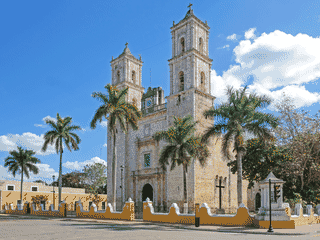

Valladolid
Mexico, Central America and the Caribbean · Mexico
Did you know?
- Henequen bags and wood carvings appear among the crafts sold around the central plaza.
- Cenote Zací lies in a public park near the central plaza.
- Relleno negro pairs turkey with a paste made from charred chilli.
See also
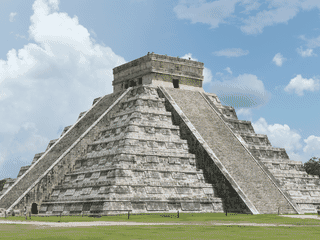

Chichen Itza
Mexico20.68°N 88.57°W
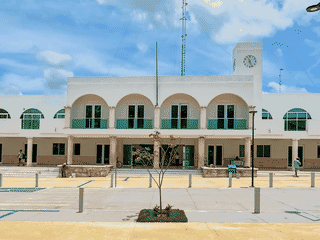

Tizimin
Mexico21.14°N 88.15°W · 20 m
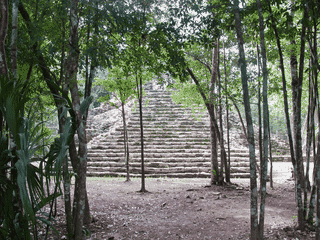

Coba
Mexico20.49°N 87.74°W

Tulum
Mexico20.42°N 87.30°W · 12 m
Overview
Valladolid pairs a central cenote with colonial architecture. Visit Cenote Zací, the Convent de San Bernardino de Siena and the folk art collection at Casa de Los Venados.
Languages: Spanish
Why Go?
Valladolid offers a slower, more authentic alternative to busier tourist hubs near the Yucatán Peninsula's famous ruins. This Pueblo Mágico combines 500 years of colonial and Maya history with easy access to cenotes, regional cuisine like cochinita pibil and lomitos de Valladolid, and a growing scene of boutique hotels and restaurants—all while remaining less crowded than nearby Chichén Itzá. The 2023 arrival of the Tren Maya has made it more accessible without losing its small-town charm.
Adapted from Wikivoyage contributors · CC BY-SA 4.0
Getting There
By bus, ADO and ADO GL provide first-class services from major hubs including Cancún. The Tren Maya station at Carr. Kantunil-Cancun (MEX 180D) offers connections east to Cancún and west toward Mérida. For those driving, the city sits approximately 45 minutes from the east entrance of Chichén Itzá.
Adapted from Wikivoyage contributors · CC BY-SA 4.0
Getting Around
The compact central area is walkable, with the main square, Parque Francisco Canton Rosado, serving as the focal point. Colectivos and taxis operate from designated stands on Calle 39 for ruins and cenotes, with set fares around M$40 to Chichén Itzá, Ik Kil, and nearby sites. Bicycle rentals are available for reaching closer cenotes like Cenote Dzinup.
Adapted from Wikivoyage contributors · CC BY-SA 4.0
When to Visit
The dry season from November through May offers the most comfortable conditions, though temperatures regularly exceed 38°C in afternoons during spring. The rainy season (June-October) brings afternoon showers but also fewer tourists and lusher landscapes. March and April can feel especially hot before the summer rains arrive.
Adapted from Wikivoyage contributors · CC BY-SA 4.0
Where to Stay
Accommodation options range from budget hostels like Hostal Tunich Naj (dorm M$195) and Casa Xtakay near the center, to boutique properties like Casa Quetzal with spa services and yoga classes. Mid-range options include Hotel Maria De La Luz on the main square with A/C rooms, while Hostel Valladolid 48 and Oryx Hostel offer backpacker-friendly amenities including small pools and free breakfast.
Adapted from Wikivoyage contributors · CC BY-SA 4.0
Food and Drink
Traditional Yucatecan cuisine takes center stage with dishes like cochinita pibil (achiote-marinated pork), lomitos de Valladolid (pork in tomato sauce), and relleno negro (turkey with charred chilli paste). Street food options include tortas at El Tigrillo (M$30), tacos at Taqueria Don Trejo (M$16 each), and tostilocos at M$35. The city is also known for regional ice cream flavors like coconut, corn, and guanabana, plus traditional candies made with local honey.
Adapted from Wikivoyage contributors · CC BY-SA 4.0
Sights and Activities
Must-see attractions include Cenote Zací (MXN 60) in a public park near the plaza where you can jump from 6 meters, the 17th-century Casa de Los Venados folk art museum (donation M$100), and the Convent de San Bernardino de Siena (M$40 weekdays, M$20 Sundays). For adventure, head to Cenotes X'keken and Samula 7km west on Highway 180 (M$150 one cenote, M$226 both), or the cave cenote Noolha 2km north (M$250 with zipline). The Calzada de los Frailes colonial street offers a pleasant 10-minute walk east from the square.
Adapted from Wikivoyage contributors · CC BY-SA 4.0
Shopping
Traditional crafts including henequen bags and wood carvings are sold by vendors on the central Plaza and near Cenote Zací. Yalat Boutique near the Main Square features Mexican folk art and Maya vessels, while Coqui Coqui Perfumery and Spa on Calzada de los Frailes sells Yucatan-sourced fragrances. For groceries, Oxxo minimarkets and larger Dunosusa, Super Willys, and Soriana supermarkets serve the area.
Adapted from Wikivoyage contributors · CC BY-SA 4.0
Connectivity
Mobile coverage is provided by major Mexican carriers with 4G available in the city center. WiFi is common in hotels, hostels, and some cafes, though speeds vary. Power outlets use the standard US/Japan flat-blade plugs (Types A/B) with 127V electricity.
Adapted from Wikivoyage contributors · CC BY-SA 4.0
Budget Planning
A backpacker can get by on M$400-600 per day including dorm accommodation (M$195-250), street food meals (M$30-50 per dish), local transport (M$40-70), and cenote entry fees (M$60-250). Mid-range travelers spending M$800-1200 daily can enjoy private hotel rooms, restaurant dinners, and organized tours.
Adapted from Wikivoyage contributors · CC BY-SA 4.0
Day Trips
The most popular day trip is to Chichén Itzá (45 minutes by colectivo, M$40), one of the New Seven Wonders of the World. Ek Balam with its famous acropolis is another key site, reachable by colectivo from Calle 37 (MXN70). The colonial Pilgrim town of Izamal, the cenote Ik Kil, and the cave Balankanche Caves are other options. The coastal town of Tizimín is also accessible by taxi.
Adapted from Wikivoyage contributors · CC BY-SA 4.0
Going Next
From the Terminal de Autobuses, ADO buses connect to Cancún (2-3 hours), Mérida (2-3 hours), and other Yucatán destinations. The Tren Maya station provides rail access east to Cancún and west toward Mérida and the broader peninsula. Colectivos also serve Piste (for Chichén Itzá), Ek Balam, and Hunuku village.
Adapted from Wikivoyage contributors · CC BY-SA 4.0
Field guide adapted from Wikivoyage contributors · CC BY-SA 4.0. Text has been adapted and organized for this guide. About our sources.
Places to know
A few starting points from the guide. Check current hours and prices before you go.
- sleep
Cada del Mayordomo
Bed & breakfast and butler service, for special occasions, along with Yucatecan snacks of your choice.
Adapted from Wikivoyage contributors
- sleep
Casa Quetzal
Four-star boutique hotel offering various spas and therapeutic massages. Yoga and Chi Kung classes offered.
Adapted from Wikivoyage contributors
- sleep
Casa Xtakay
Family-owned hostel with dorms and privates, pleasant back garden, home-made breakfast, and on-site dentist
Adapted from Wikivoyage contributors
- sleep
Hostal Kin-beh
Very clean.
Adapted from Wikivoyage contributors
- sleep
Hostal Tunich Naj
Spacious 10-bed dorm and private rooms in a clean, central location with nice staff
Recorded price: Dorms M$195
Adapted from Wikivoyage contributors
- sleep
Hostel Valladolid 48
A nice backpacker hostel with small pool
Adapted from Wikivoyage contributors
- sleep
Hotel Maria De La Luz
Friendly and well kept. It is on the main square. You can get a double with A/C. The restaurant opens up to the square and has great food.
Adapted from Wikivoyage contributors
- sleep
Hotel Santa Lucia
A two-floor hotel with a variety of rooms ranging from a single with no A/C up to a quintuple with A/C.
Adapted from Wikivoyage contributors
Before you go
Health
Tap water is not safe to drink—stick to bottled or filtered water. Sun protection is essential given the intense heat. Cenote swimming requires showering beforehand and wearing provided lifejackets at some sites.
Money
ATMs with low fees include BanCoppel (inside bus terminal), Banco Azteca (inside Elektra), and Banamex. Oxxo convenience stores and larger supermarkets accept cards, but street vendors are often cash-only. Prices quoted in Mexican pesos (MXN/M$).
Safety
Valladolid is generally safe for travelers, though standard precautions apply. Use registered taxis and be cautious with valuables in crowded areas. The main square and tourist zones are well-policed.
Transport
The Terminal de Autobuses on Calle 39 handles ADO first-class buses. The Tren Maya station on MEX 180D serves regional rail. Colectivos to major attractions depart from set stands with fixed fares (M$40-70). Taxis are readily available but lack meters—agree on price before riding.
Visa
Most visitors from the US, Canada, EU, and many other countries receive 180 days upon arrival. Check current extension policies with INM (Instituto Nacional de Migración).
Weather
Hot year-round with January lows of 18°C and May highs reaching 36°C—often exceeding 38°C in afternoons. The rainy season (June-October) brings afternoon thunderstorms but keeps temperatures slightly cooler. Inland location means consistently hotter than coastal areas.