
Monterrey
Mexico, Central America and the Caribbean · Mexico
Did you know?
- Glorias are caramel candies made with pecans.
- Discada is a meat dish cooked in a welded plow disc.
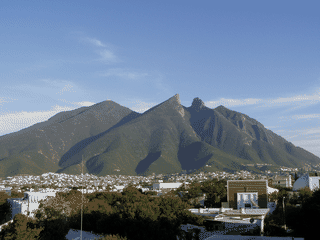
- Cerro de la Silla gives the skyline its distinctive saddle shape.
See also
Overview
Monterrey offers contemporary architecture, nightlife and northern Mexican cooking alongside its industrial identity. Its cultural attractions reward travelers interested in a large modern city.
Languages: Spanish
Why go?
Monterrey is Mexico's third largest city and the commercial heart of northern Mexico, yet it surprises visitors with a wealth of cultural attractions beyond its industrial reputation. The city values education and business, resulting in a more cosmopolitan atmosphere than typical Mexican tourist destinations. Visitors seeking traditional colonial Mexico may be disappointed, but those interested in cutting-edge contemporary architecture, vibrant nightlife, and authentic Northern Mexican cuisine will find plenty to love. The metropolitan area population of over 5 million creates a dynamic urban experience similar in scale to the San Francisco Bay Area.
Adapted from Wikivoyage contributors · CC BY-SA 4.0
Getting in
Monterrey is well-connected by air through General Mariano Escobedo International Airport (MTY), offering daily international flights to Detroit, Houston, Dallas, Atlanta, Las Vegas, Los Angeles, San Francisco, and Havana. Aeromexico flies direct to Madrid and Incheon (Seoul), while Iberia serves Madrid. Domestic flights connect to all major Mexican destinations including Mexico City, Guadalajara, Cancún, and Tijuana. Low-cost carriers Volaris and Viva Aerobus operate extensively, with Viva Aerobus using MTY as a hub. The airport is about 30 minutes from downtown. For ground access, the Central de Autobuses serves more than a dozen first-class bus lines plus second-class options, with trans-border buses to US cities and long-distance routes throughout northern Mexico.
Adapted from Wikivoyage contributors · CC BY-SA 4.0
Getting around
E-hailing services and walking are the best choices for navigating Monterrey. The Metro subway system is good but has limited coverage area. The overground metro section between Félix U Gómez and Hospital Metropolitano stations offers nice city views, even during rush hour, at a cost of M$4.50 per trip (March 2022). Buses are common throughout the city. The central downtown area is walkable, particularly around Macroplaza and Barrio Antiguo.
Adapted from Wikivoyage contributors · CC BY-SA 4.0
When to go
Monterrey experiences hot summers with temperatures reaching 35°C or higher, making higher elevations and mountain parks attractive escapes during June-August. Winters are mild with January temperatures around 10°C. The city hosts various cultural events and celebrations throughout the year. The traffic fine for drunk driving can reach US$2,500 or three days imprisonment, and police roadblocks on Saturday nights are common.
Adapted from Wikivoyage contributors · CC BY-SA 4.0
Where to stay
Monterrey offers a full spectrum of lodging from basic hotels to modern luxury towers. The most popular neighborhoods for tourists are Zona Rosa and Barrio Antiguo, known for their entertainment options and colonial charm. The newest and most upscale hotels are found in San Pedro Garza Garcia municipality. Several decent low-priced hotels cluster within blocks of the Central de Autobuses bus station—guest ratings on Google Maps help assess quality. Hotels along Miguel Nieto street near the bus station book in 4-hour or 12-hour blocks, with 4 hours for two persons costing M$280 (March 2022). Camping and hostel options are available.
Adapted from Wikivoyage contributors · CC BY-SA 4.0
Food and drink
Monterrey is a paradise for lovers of spicy food and smoky grilled meats. Authentic Northern Mexican cuisine specialties include cabrito (whole kid goat slow-roasted over hot coals), machacado con huevo (dried salted beef with scrambled eggs), arrachera (grilled marinated skirt steak with white cheese), and discada (meat cooked in a welded plow disc with pork, sausage, chilaca, onion, and beer). Don't miss cafe de olla (rustic cinnamon coffee) and leche quemada (sweet caramel candies, with Glorias being the famous variety with pecans). Recommended restaurants include El Regio and El Rey del Cabrito, or the Dona Tota chain for quick gorditas. The city is famous for brewing with brands like Dos Equis and Bohemia—you can visit the beer garden at Cerveceria Cuahtemoc for free samples under oak trees. Craft beer bars (cerveza artesanal) are found in Barrio Antiguo, and Sierra Madre Brewing Company has several locations citywide. Late-night tacos are a Monterrey tradition—Tacos del Julio and Tacos del Güero are legendary spots often operating at 04:00.
Adapted from Wikivoyage contributors · CC BY-SA 4.0
Things to do
Monterrey offers diverse activities for all interests. Adrenaline seekers can enjoy rappelling, caving, canyoneering, mountain biking, and hiking in the surrounding mountains and Cumbres de Monterrey National Park (the largest in Mexico's national parks system). The iconic saddle-shaped Cerro de la Silla mountain dominates the skyline—hike about 25 minutes uphill for views, with a viewpoint at La Virgen. Visit the Macroplaza, Mexico's largest central plaza, featuring fountains, statues, gardens, and surrounding museums including the Monterrey Cathedral, Mexican History Museum, and Contemporary Art Museum. Take a romantic stroll along Paseo Santa Lucia canal. For family fun, visit Parque Plaza Sesamo amusement park. Sports fans can catch Lucha Libre wrestling on Tuesday evenings at 7pm at Coliseo (across from Central de Autobuses) or experience bull fights at Plaza Monumental Monterrey. The overground metro between Félix U Gómez and Hospital Metropolitano stations offers scenic city views.
Adapted from Wikivoyage contributors · CC BY-SA 4.0
Safety
Monterrey is mostly safe with good police presence from multiple municipal departments and the Nuevo Leon state police. Police typically patrol with red and blue emergency lights visible. Municipal police vehicles are light yellow and white in Monterrey proper, and black and white in the municipalities of Guadalupe, San Pedro, Santa Catarina, San Nicolas, and Apodaca. State police drive black pickup trucks. Avoid drunk driving—fines can reach US$2,500 and result in up to three days imprisonment, with police roadblocks common on Saturday nights. As with any large city, remain aware of your surroundings in less familiar areas.
Adapted from Wikivoyage contributors · CC BY-SA 4.0
Connectivity
High-speed broadband internet is widely available, and most hotels provide WiFi hotspots. Cyber cafes provide short-term internet access for approximately US$1 per hour, though they are becoming less common as mobile messaging dominates. Local newspapers include El Norte, El Porvenir, Milenio, El Sol, and El Regio.
Adapted from Wikivoyage contributors · CC BY-SA 4.0
Budget
Monterrey is more expensive than many Mexican destinations due to its higher standard of living, but budget travel is still possible. Metro rides cost M$4.50 (March 2022). Hotels near the bus station charge M$280 for 4 hours. Street tacos and late-night food stands offer cheap meals. Budget approximately US$30-50 per day for basic accommodation, food, and local transport.
Adapted from Wikivoyage contributors · CC BY-SA 4.0
Day trips
The surrounding Sierra Madre mountains offer numerous natural attractions. Cascada Cola de Caballo (Cola de Caballo Waterfall) is a stunning natural waterfall accessible by road. Presa de la Boca (also called Presa Rodrigo Gómez) along Carretera Nacional is popular for boating and picnicking. Grutas de Garcia offers cave exploration. El Potrero Chico is famous for rock climbing, and Matacanes provides canyon experiences. Bioparque Estrella is a wildlife park suitable for families. For cooler temperatures, head to higher elevations in summer months. Saltillo, the capital of Coahuila state, is another notable nearby destination.
Adapted from Wikivoyage contributors · CC BY-SA 4.0
Go next
From Monterrey, you can explore northern Mexico's diverse attractions. Saltillo is accessible for a quick visit. Higher elevations in the Sierra Madre provide relief from summer heat. The Central de Autobuses offers connections throughout northern Mexico to cities like Saltillo, Torreón, and the US border. Trans-border buses serve destinations throughout the United States. Air connections through MTY airport reach all major Mexican destinations and international hubs.
Adapted from Wikivoyage contributors · CC BY-SA 4.0
Field guide adapted from Wikivoyage contributors · CC BY-SA 4.0. Text has been adapted and organized for this guide. About our sources.
Places to know
A few starting points from the guide. Check current hours and prices before you go.
- sleep
Hotels in Barrio Antiguo
Colonial charm with vibrant nightlife, popular for tourists seeking entertainment options.
Adapted from Wikivoyage contributors
- sleep
Hotels in Zona Rosa
Popular tourist neighborhood with good access to restaurants and nightlife.
Adapted from Wikivoyage contributors
- sleep
Hotels near Central de Autobuses
Low-priced hotels clustered within blocks of the bus station along Miguel Nieto street, bookable in 4 or 12 hour blocks.
Recorded price: M$280 for 4 hours (2 persons, March 2022)
Adapted from Wikivoyage contributors
- eat
Dona Tota
Cafe chain known for gorditas, good for quick local meals.
Adapted from Wikivoyage contributors
- eat
El Regio
Classic spot for authentic Northern Mexican grilled meats.
Adapted from Wikivoyage contributors
- eat
El Rey del Cabrito
Specializes in cabrito (roasted kid goat), the signature Northern Mexican dish.
Adapted from Wikivoyage contributors
- eat
Tacos del Güero
Another legendary late-night taco destination beloved by locals.
Adapted from Wikivoyage contributors
- eat
Tacos del Julio
Legendary late-night taco stand often operating at 04:00, a Monterrey tradition.
Adapted from Wikivoyage contributors
Before you go
Food
Northern Mexican grilled meats are the specialty: cabrito (roasted goat), arrachera (skirt steak), and machacado con huevo (dried beef with eggs). Try cafe de olla and leche quemada caramels. Barrio Antiguo has craft beer bars.
Money
Monterrey has a higher cost of living than most Mexican cities. Cash is widely accepted at street vendors and small establishments. Credit cards work at hotels and restaurants. Budget M$280 for short-stay hotels near the bus station.
Nightlife
Monterrey's club scene is vibrant, especially among young people from top Mexican colleges. Two main areas: Barrio Antiguo (downtown) and Centrito in San Pedro Garza Garcia. Late-night tacos are a city tradition.
Safety
The city is generally safe with visible police presence. Municipal police patrol in yellow-and-white vehicles within Monterrey proper, and black-and-white in surrounding municipalities. State police use black pickup trucks.
Transport
E-hailing and walking work best in Monterrey. The Metro subway covers limited ground but the overground section between Félix U Gómez and Hospital Metropolitano offers scenic rides for M$4.50 (March 2022). Buses are common throughout the city.
Weather
Summers are hot (35°C+) and winters mild (10°C in January). Higher elevations provide cooler retreats. The sun is intense—use SPF 50 sunblock even at elevation.