
Xilitla
Mexico, Central America and the Caribbean · Mexico
Did you know?
- Zacahuil is a banana-leaf-wrapped Huastec tamale filled with pork and chicken.
- Las Pozas includes concrete creations called 'The House Which Changes Direction' and 'The Theatre of the World'.
- The former San Agustín convent was built from 1533 to 1537 in Plateresque style.
See also
Ciudad Valles
Mexico21.98°N 99.01°W · 85 m
Overview
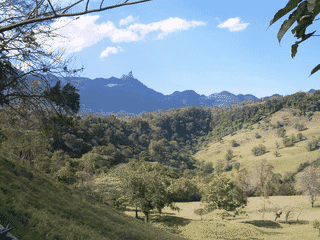
Xilitla is a mountain town shaped by Huastec culture and the surreal concrete gardens of Las Pozas. Caves and natural springs offer ways to explore beyond the artwork.
Languages: Spanish
Why Go
Xilitla is a small mountain town in San Luis Potosí famous for Las Pozas, the surrealist sculpture garden left behind by British artist Edward James. Beyond the bizarre concrete structures named things like 'The House Which Changes Direction' and 'The Theatre of the World', the town offers access to caves, natural springs, and traditional Huastec culture in a region that has resisted industrialization. The main draw is the artwork itself—few places outside Washington D.C. have made 'naked concrete' so visually compelling.
Adapted from Wikivoyage contributors · CC BY-SA 4.0
Getting In
Buses arrive at the Terminal de Autobuses on Av. Lopez de Mateos (MEX-120), where bus companies including Vencedor and Primera Plus have their own terminals clustered together for convenience. From major cities like San Luis Potosí or Tampico, the journey involves winding mountain roads. The town sits at coordinates 21.384, -98.99 in the Huasteca Potosina region.
Adapted from Wikivoyage contributors · CC BY-SA 4.0
Get Around
Xilitla is walkable for most visitors staying in the town center. Las Pozas is located between town and halfway, making it accessible on foot though some visitors prefer taxi or collective pickup. Parakeet Cave is a short walk from town center. Local collectivos (shared taxis) serve routes to nearby towns like Aquismón and Tamazunchale.
Adapted from Wikivoyage contributors · CC BY-SA 4.0
When to Go
The feast of San Agustín runs from August 27 to September 2, featuring traditional dances including dances of Soledad, Wands and Rebozo on August 28, with festivities continuing into mid-November. A coffee fair is held in August. The dry season from November to April offers the most reliable weather for exploring outdoor sculpture gardens and caves, though the mountain setting keeps temperatures mild year-round.
Adapted from Wikivoyage contributors · CC BY-SA 4.0
Where to Stay
Budget travelers can stay at Sukha Hostel Xilitla with dorms from M$180 including breakfast (January 2022), or Casa Verde Hostal with rooms from M$250 and camping available, featuring a communal kitchen and located halfway between town and Las Pozas. Mid-range options include Hotel Dolores with about 40 rooms, cable TV, air conditioning, and a swimming pool from M$800, or Camino Surreal with spacious rooms from M$1400 and an on-site restaurant.
Adapted from Wikivoyage contributors · CC BY-SA 4.0
Food and Drink
The signature dish is zacahuil (also spelled sacahuil), a giant Huastec tamale 3 to 4 feet long wrapped in banana leaves, filled with pork on one side and chicken on the other—rarely found outside the Huasteca region. Local restaurants include Restaurante la Huastequita (Miguel Álvarez Acosta 101E), Destino Ligero (Adolfo López Mateos 304), La Cabañita cocina huasteca (Jalpan De Serra), and Querreque (Jdn. Hidalgo 201). Coffee is a local specialty given the agricultural economy.
Adapted from Wikivoyage contributors · CC BY-SA 4.0
Things to Do
Las Pozas (Edward James' sculpture garden) is the unmissable highlight, costing M$125 for adults and M$60 for children (6-12) or seniors (65+), open Wednesday through Monday 09:00-18:00. Tickets are limited daily and available through the website, at the Museo Leonora Carrington box office (11:00-14:00), or at the central square kiosk (Wednesday-Sunday 08:00-10:30). The Museo Leonora Carrington (Corregidora 103, Wednesday-Sunday 11:00-15:00) displays sculptures by surrealist artist Leonora Carrington. The Ex Convento San Agustin (Hidalgo 201) is the oldest monument, built 1533-1537 in Plateresque style by Augustine missionaries. Parakeet Cave offers a short walk to see green parrots entering and leaving at dawn and dusk.
Adapted from Wikivoyage contributors · CC BY-SA 4.0
Go Next
Nearby destinations include Tamazunchale (regional transit hub), Aquismón (gateway to more Huasteca attractions), Ciudad Valles (larger city with services), and San Luis Potosí (state capital with full tourist infrastructure). The town is part of the Huasteca Potosina region, known for waterfalls, rivers, and outdoor activities.
Adapted from Wikivoyage contributors · CC BY-SA 4.0
Etiquette
Xilitla preserves Nahuatl and Teenek indigenous cultures with traditional ways of life intact due to lack of industrialization. Visitors should be respectful of local customs, dress modestly when visiting the Ex Convento San Agustin church, and recognize this is a small traditional town rather than a tourist resort. Tipping is customary at restaurants (10-15%).
Adapted from Wikivoyage contributors · CC BY-SA 4.0
Connectivity
WiFi is available at hostels and some restaurants in town. Mobile coverage (Telcel, AT&T, Movistar) reaches the town but may be limited in remote areas around Las Pozas. Mexico uses Type A/B plugs (US-style) with 127V electricity. International roaming is available but local SIM cards offer better value for longer stays.
Adapted from Wikivoyage contributors · CC BY-SA 4.0
Safety
Xilitla is generally safe for tourists but basic precautions apply: avoid walking alone at night in unfamiliar areas, safeguard valuables, and use registered taxis. The mountainous roads to and from town require careful travel planning, especially during rainy season (June-September) when landslides are possible. Tap water may not be potable; stick to bottled water.
Adapted from Wikivoyage contributors · CC BY-SA 4.0
Field guide adapted from Wikivoyage contributors · CC BY-SA 4.0. Text has been adapted and organized for this guide. About our sources.
Places to know
A few starting points from the guide. Check current hours and prices before you go.
- sleep
Camino Surreal
Small hotel with spacious rooms that are worn and lack amenities for comfort. Good on-site restaurant.
Recorded price: M$1400
Adapted from Wikivoyage contributors
- sleep
Casa Verde Hostal
Rooms from $250 (Feb 2022), also camping. Communal kitchen, friendly staff, clean rooms, located halfway between town and Las Pozas. Locally owned and staffed.
Adapted from Wikivoyage contributors
- sleep
Hotel Dolores
Small hotel with about 40 rooms. Clean, spacious rooms have cable TV and air conditioning. Swimming pool available.
Recorded price: M$800
Adapted from Wikivoyage contributors
- sleep
Sukha Hostel Xilitla
It has dorms for around M$180 (Jan 2022) with breakfast included.
Adapted from Wikivoyage contributors
- eat
Ambar El Lugar De Dona
Adapted from Wikivoyage contributors
- eat
Destino Ligero
Adapted from Wikivoyage contributors
- eat
La Cabañita, cocina huasteca
Adapted from Wikivoyage contributors
- eat
Plutarcos Restaurante
Adapted from Wikivoyage contributors
Before you go
Food
Zacahuil is the regional specialty tamale. Local restaurants serve traditional Huastec cuisine. Coffee is locally grown. Prices range from M$50-150 per meal.
Language
Spanish is primary language. Some indigenous Nahuatl and Teenek speakers remain in the region. Basic Spanish helpful but hand gestures work for basics.
Money
Mexico uses Mexican Peso (M$). ATMs available in town; credit cards accepted at some hotels and larger restaurants. Budget M$400-600 per day for backpacker.
Transport
Bus terminal on Av. Lopez de Mateos serves regional destinations. Local collectivos connect to nearby towns. Town is walkable; Las Pozas is 20-30 minute walk from center.
Weather
Mountain climate keeps temperatures mild (20-28°C). Dry season November-April best for visiting Las Pozas. Rainy season June-September may affect cave access.