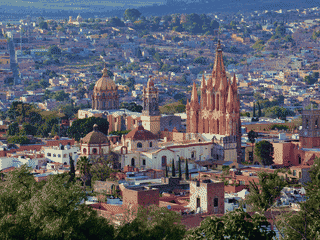

San Miguel de Allende
Mexico, Central America and the Caribbean · Mexico
Did you know?
- Ignacio Ramírez Market serves comida corrida set lunches.
- Oratorio de San Felipe Neri has a carved pink sandstone facade.
- Las Monjas has a dome inspired by Les Invalides in Paris.
See also
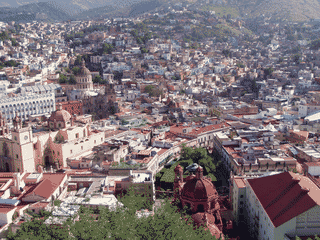

Guanajuato
Mexico21.02°N 101.26°W · 2,045 m
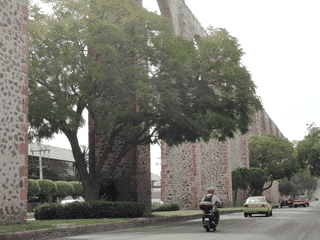

Querétaro
Mexico20.60°N 100.38°W · 1,820 m
.jpg)
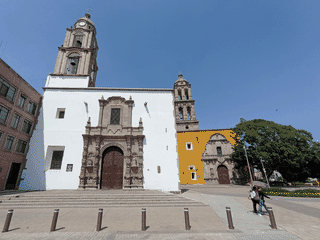
Irapuato
Mexico20.67°N 101.35°W · 1,728 m
Overview
San Miguel de Allende is a colonial city in the Bajio mountains with deep ties to Mexico's independence movement. Its historic setting has UNESCO World Heritage recognition.
Languages: Spanish
Why Go?
San Miguel de Allende is a charming colonial city in Guanajuato state's Bajio mountains, 270 km northwest of Mexico City. Founded in 1542, it became a centerpiece in Mexico's war for independence and was designated a UNESCO World Heritage Site in 2008. Today it hosts 20,000-25,000 foreign residents—mostly American, Canadian, and European retirees—creating an eclectic mix of Old World Mexican charm and American hospitality. The city's colorful native facades, art colonies dating to the 1950s, and vibrant cultural scene make it a world-class destination for adventurous travelers seeking colonial atmosphere without Mexico City's chaos.
Adapted from Wikivoyage contributors · CC BY-SA 4.0
Getting In
San Miguel de Allende does not have its own airport; the nearest major airport is Querétaro (QRO) about 90 minutes away, or you can fly into Mexico City and take a bus. The Central de Autobuses (Calzada de la Estación 90) is the main bus station. First-class bus companies include Primera Plus (major regional line), ETN Turistar (deluxe service to Guadalajara, Guanajuato, León, Mexico City), Grupo Estrella Blanca (operates Elite, Futura, Oriente brands), and Omnibus de Mexico. Pegasso offers routes to Dolores Hidalgo, Querétaro, and Mexico City. Tickets to Mexico City Norte cost approximately M$400-600 depending on service class.
Adapted from Wikivoyage contributors · CC BY-SA 4.0
Getting Around
San Miguel's historic centro is walkable, with most attractions, restaurants, and shops clustered around the Jardín (main plaza). Local buses (M$8-10) serve outlying areas and markets; bus lines 8 and 9 run to the Tuesday Market (Tianguis de los Martes) from Plaza Cívica on Mesones. Taxis are readily available and inexpensive within the city. For day trips to nearby attractions like the Sanctuary of Atotonilco (12 km northwest), minibuses labeled 'El Santuario' depart regularly from the city center.
Adapted from Wikivoyage contributors · CC BY-SA 4.0
When to Go
San Miguel's climate is typical of central mountainous Mexico with mild temperatures year-round. Summer months (May-June) can reach 35°C but dry air makes it tolerable with cool evening breezes. Winter evenings (December-February) can get cold, even freezing overnight. The rainy season extends from June to September when afternoon downpours cool and freshen the air. Peak tourist season is November through April when weather is most pleasant. Key festivals include Semana Santa (Holy Week with impressive parades), Fiesta de los Locos (first Sunday after June 13), Día de San Miguel (late September), and Día de Muertos (November 1-4) with processions and the Calaca Festival.
Adapted from Wikivoyage contributors · CC BY-SA 4.0
Where to Stay
Accommodation in San Miguel ranges from budget hostels to luxury boutique hotels. The historic centro is the most convenient base for sightseeing. Budget options include Hostel Inn (Calzada de la Luz 31a) with dorm beds from M$175, and Iron House Hostel with private rooms from M$600. Mid-range options include Casa Carmen (Correo 31) near El Jardín with excellent breakfast, and Casa Carly (Calzada de la Aurora 48) with seven charming casitas around a garden. Luxury properties include Rosewood San Miguel de Allende and Hotel Hacienda de Guadalupe. The city offers everything from M$500 budget accommodations to M$1,000+ mid-range hotels and M$3,000+ boutique properties.
Adapted from Wikivoyage contributors · CC BY-SA 4.0
Food and Drink
San Miguel offers excellent dining from street food to upscale restaurants. Traditional markets like Ignacio Ramírez Market and Mercado San Juan de Dios serve comida corrida from M$68-90. Street food spots include 202 (Insurgentes 202) with tacos from M$30, and Polleria D' Daniel with half grilled chicken for M$55. El Buen Lugar (Hidalgo 90) offers comida corrida for M$90. For cafe culture, Café de la Parroquia has beautiful courtyard dining, while Café La Ventana serves excellent fair trade coffee. Nightlife centers around bars like Berlin Bar & Bistro (Umaran 19) and Mama Mia's (Umaran 8) which has four venues including rooftop lounge. El Grito Night Club is the most popular club, open Fridays and Saturdays.
Adapted from Wikivoyage contributors · CC BY-SA 4.0
Things to Do
San Miguel's historic centro is packed with colonial churches including the pink granite Parroquia San Miguel Arcángel (designed by Zeferino Gutiérrez in the 19th century), Templo de la Inmaculada Concepción (Las Monjas) with its dome inspired by Les Invalides in Paris, and Oratorio de San Felipe Neri with its carved pink sandstone façade. Museums include Museo Histórico de San Miguel de Allende (Casa de Allende, M$50) showcasing independence hero Ignacio Allende, and Centro Cultural Ignacio Ramírez (Bellas Artes) with its Siqueiros mural. The city hosts numerous festivals including the International Festival of Jazz & Blues (mid-November) and Chamber Music Festival (late July-early August). Outdoor activities include El Charco del Ingenio Jardín Botánico (unique cactus park with guided birdwalks on Wednesdays), and horseback riding at SoTeZ Horse Ranch or Coyote Canyon Adventures.
Adapted from Wikivoyage contributors · CC BY-SA 4.0
Safety
San Miguel de Allende is considered safer than many other tourist destinations in Mexico, and most visitors don't experience problems. However, visitors should exercise caution: keep valuables and cash out of sight, stay in well-lit areas at night, and use common sense. The centro is generally safe for walking, but standard urban precautions apply.ATM locations are noted in the centro (BanCoppel, BanBajío, Banco Azteca, citybanamex). Internet cafes charge approximately M$20 per hour, and many restaurants and cafés now offer free Wi-Fi.
Adapted from Wikivoyage contributors · CC BY-SA 4.0
Connectivity
Internet cafes are ubiquitous throughout San Miguel and typically charge around M$20 per hour. Many restaurants and cafés now offer free Wi-Fi for patrons. The Public Library (Insurgentes 25) has one of the largest bilingual collections in Mexico with over 30,000 English titles and free Wi-Fi throughout the building. For mobile connectivity, major Mexican carriers (Telcel, AT&T Mexico, Movistar) provide coverage in the city. Power plugs use the standard North American flat-prong Type A/B configuration (127V).
Adapted from Wikivoyage contributors · CC BY-SA 4.0
Budget
San Miguel de Allende caters to various budgets. Budget travelers can expect: dorm beds from M$175, street food meals from M$30-55, local bus rides M$8-10, and internet access M$20/hour. Mid-range budgets might include private hostel rooms (M$600), restaurant meals (M$90 comida corrida), and organized tours. Museum entry is generally free or M$50. Daily budget for budget travelers: M$400-600 (accommodation, food, transport, activities). The city has Oxxo convenience stores and minimarkets for self-catering, plus larger supermarkets like La Comer, Soriana, and Bodega Aurrera (Walmart) for supplies.
Adapted from Wikivoyage contributors · CC BY-SA 4.0
Day Trips
The Sanctuary of Atotonilco, 12 km northwest on highway MEX-51, is often called the 'Sistine Chapel of Mexico' for its dramatic fresco-covered interiors; minibuses ('El Santuario') run regularly from the city center. Nearby colonial cities include Guanajuato (1.5 hours by bus, famous for underground streets and mining history) and Dolores Hidalgo (birthplace of independence hero Miguel Hidalgo). The Cáda de la Virgen pyramid tours are offered by Coyote Canyon Adventures. El Charco del Ingenio Jardín Botánico is a unique botanical park above town with extensive cacti collections and birdwatching opportunities. Lake Allende (Presa Allende) offers boating and fishing.
Adapted from Wikivoyage contributors · CC BY-SA 4.0
Etiquette
San Miguel de Allende is an international community with many foreign residents, so formal etiquette expectations are relaxed compared to other Mexican cities. However, the city retains strong Mexican traditions. When visiting churches, modest dress is expected (cover shoulders and knees). Greetings are important—use 'buenos días,' 'buenas tardes,' or 'buenas noches' appropriately. Tipping is customary: 10-15% in restaurants, small amounts for street vendors and services. Bargaining is appropriate in markets but not in established shops. Learn basic Spanish phrases; while many residents speak English, attempts at Spanish are appreciated.
Adapted from Wikivoyage contributors · CC BY-SA 4.0
Go Next
From San Miguel de Allende, bus connections radiate throughout central Mexico. Primera Plus and ETN offer first-class service to Mexico City (Norte terminal, 3-4 hours), Guadalajara (4-5 hours), Guanajuato (1-2 hours), and León (2 hours). Pegasso serves Dolores Hidalgo, Querétaro, and San Juan del Río. The colonial silver mining town of Guanajuato is a must-visit, famous for its underground streets, viewpoints, and mummy museum. Querétaro, 45 minutes away, offers colonial architecture and modern amenities. For beach destinations, continue to Puerto Vallarta or the Riviera Maya via Mexico City connections.
Adapted from Wikivoyage contributors · CC BY-SA 4.0
Field guide adapted from Wikivoyage contributors · CC BY-SA 4.0. Text has been adapted and organized for this guide. About our sources.
Places to know
A few starting points from the guide. Check current hours and prices before you go.
- eat
202
You get for example 4 tasty tacos with salad on top for M$30 (Dec 2021). Also offered are 4 enchiladas and gorditas. It's open 17:30-21:00.
Adapted from Wikivoyage contributors
- eat
Cafe La Ventana
Has good breakfasts and great coffee. Practices Fair Trade.
Adapted from Wikivoyage contributors
- eat
Cafetería San Agustín
A well-run restaurant with great food, Mexican and international. The restaurant/cafe in proud of their freshly made churros and a variety of hot and cold chocolate milks. Owned by Margarita Gralia.
Adapted from Wikivoyage contributors
- eat
Café Yenatu Panza
This is undoubtedly the most innovative and creative breakfast menus in town featuring design-your-own omelets & breakfast burritos, exquisite French toast, and home made fruit salsa. The vibe is very comfy and clients can choose from indoor or outdoor-garden seating.
Adapted from Wikivoyage contributors
- eat
Café de la Parroquia / La Brasserie
Beautiful courtyard dining on fresh, local ingredients. Although many menu items seem at first to be the "usual", there's nothing ordinary about them. Try in particular the chicken soup (throw in all the onions and cilantro), tacos and any omelette.
Adapted from Wikivoyage contributors
- eat
Casa Payo
One of the most traditional restaurants offering Argentine cuisine, with Mediterranean ambience inside dining and exterior in a charming patio featuring live music.
Adapted from Wikivoyage contributors
- eat
Comida China
You can choose one kind of meat for your Chinese dish and get it for M$68 (Dec 2021). Open daily 10:30-20:00.
Adapted from Wikivoyage contributors
- eat
El Buen Lugar
In a nice environment you get a comida corrida for M$90 (Dec 2021).
Adapted from Wikivoyage contributors
Before you go
Accommodation
Accommodation ranges from M$175 dorm beds at Hostel Inn to M$3,000+ boutique hotels. The historic centro is the most convenient area. Booking ahead is recommended during festivals.
Connectivity
Internet cafes charge approximately M$20/hour. Free Wi-Fi is available at many cafes, restaurants, and the Public Library. Power uses North American Type A/B plugs (127V).
Culture
San Miguel hosts numerous festivals including Semana Santa, Fiesta de los Locos (June), Día de San Miguel (September), and Día de Muertos (November). The city has a strong expat community and bilingual resources.
Food
Traditional Mexican food is excellent and affordable. Comida corrida (set lunch) costs M$68-90. Street food from M$30. Upscale dining available around the Jardín.
Language
Spanish is the primary language but English is widely spoken due to the large expat population. Basic Spanish phrases are appreciated. The city has several Spanish language schools.
Money
The local currency is Mexican Peso (MXN/M$). ATMs are available throughout the centro (BanCoppel, BanBajío, Banco Azteca, citybanamex). Credit cards are widely accepted in hotels and restaurants but carry a small surcharge. Budget travelers should budget M$400-600 per day.
Safety
San Miguel is considered safer than many Mexican tourist destinations. Standard precautions apply: keep valuables secure, avoid displaying cash, stay in well-lit areas at night. The centro is generally safe for walking.
Transport
The Central de Autobuses is on Calzada de la Estación 90. Primera Plus is the major regional carrier; ETN offers deluxe service. Local buses cost M$8-10. Taxis are inexpensive within the city.
Weather
Mild climate year-round. Summers (May-June) can reach 35°C with dry heat. Winters (December-February) get cold at night, near freezing. Rainy season June-September brings afternoon downpours.